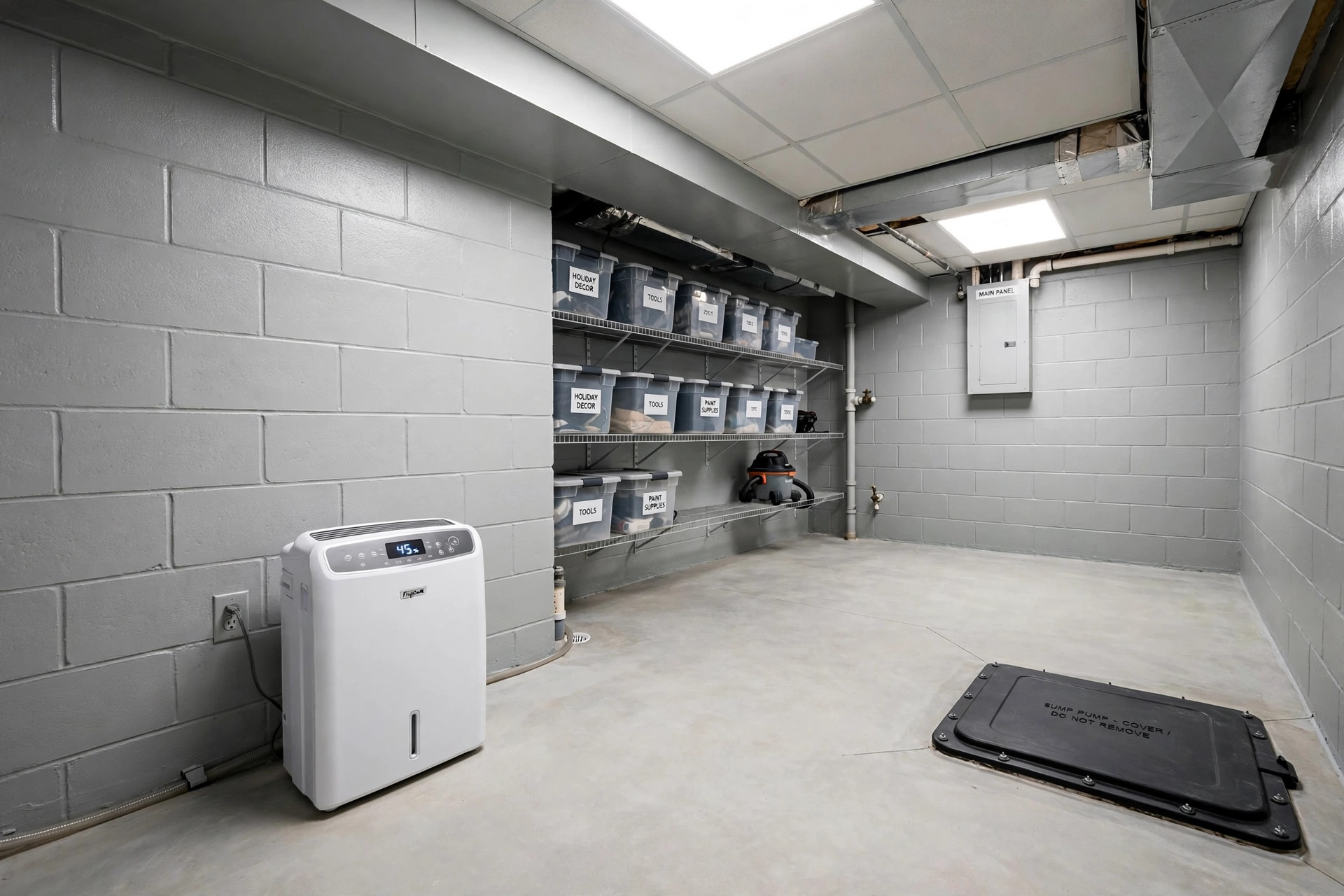

A wet basement is one of the most common troubles in an American home. Heavy rain, melting snow, and high ground water can push water through walls and floors. That is where weather resistant basement waterproofing services near me come in. These are local contractors who keep water out of basements and keep homes dry through every season.
If you have ever found water on your basement floor after a storm, you know how fast the damage spreads. Rugs soak up. Boxes fall apart. Paint peels. Over time, damp walls can grow mold, and wood can rot. Fixing these problems costs far more than stopping the water in the first place.
This guide explains what basement waterproofing services do, the main methods they use, what the work costs, and how to choose a contractor you can trust. It also covers upkeep after the job and simple safety steps every homeowner should know.
Why Basement Waterproofing Matters
Most American homes sit on concrete or block foundations. These materials are strong, but they are not solid against water. Water moves through small cracks, joints, and the tiny pores in concrete. When soil around the house gets soaked, the pressure pushes water inward. This is called hydrostatic pressure. It is strongest after long rain or a fast spring thaw.
A basement that floods once a year is not just a nuisance. Water feeds mold. Mold spores in the air can harm lungs, eyes, and skin, most of all in children and older adults. Damp walls can weaken mortar and block. Metal posts and beams can rust. Furnaces, water heaters, and electrical panels sit in basements, and water near them is a real danger.
Weather resistant basement waterproofing services near me do more than patch one crack. They look at the whole house. They check grading, gutters, soil type, and the water table. Then they build a plan that keeps water away in heavy weather, year after year. A dry basement also adds usable space. Many owners turn a sealed basement into a family room, a workshop, or a home gym once they trust that it will stay dry.
What to Look for in a Waterproofing Service: Weather Resistant Basement Waterproofing Services near Me
Not all contractors work at the same level. Waterproofing is skilled trade work, and poor work can leave you with the same leaks and a lighter wallet. Here is what to check before you hire.
Local experience. Ask how long the company has worked in your area. Soil and weather differ from town to town. A crew that knows your county understands local water tables and frost lines.
License and insurance. The company should hold a valid contractor license for your state and carry liability insurance and workers compensation. Ask for proof. If a worker is hurt on your property or the work damages your home, you need that coverage.
Written inspection and estimate. A solid company sends a trained inspector, not a salesperson, to walk your basement and the outside of your home. The estimate should list the work in plain detail: which walls, which drains, which coatings, and what each part costs. Free estimates are the norm in this trade.
Warranty. Look for a written warranty on workmanship. Many firms offer a limited lifetime warranty on interior drainage systems. Read the fine print. Ask what voids the warranty and whether it transfers if you sell the house.
References and reviews. Ask for three recent local jobs. Check public review sites too, but give more weight to neighbors and local referrals. A company that has served the same town for a decade has a name to protect.
Types of Basement Waterproofing
There is no single right method for every home. Good contractors mix and match. The main options fall into two groups: work done on the outside of the foundation and work done on the inside.
Exterior Waterproofing
Exterior work stops water before it touches the wall. Crews dig down to the foundation footing, clean the wall, and apply a waterproof coating or membrane. A drainage board often goes over the coating to guide water down to a drain tile at the footing. Fresh gravel backfill lets water move away fast.
This is the most complete fix, but it is also the most disruptive and costly. Digging around the house means moving soil, and sometimes porches, decks, or plants must be taken out and put back. For a full perimeter dig, expect heavy equipment in the yard for several days.
Interior Drainage Systems
Interior systems catch water that gets through the wall and carry it to a sump pump before it reaches the floor. Workers cut a channel in the basement slab around the edge of the floor, lay a perforated drain tile in gravel, and cover it with new concrete. Wall panels or a vapor barrier guide seepage from the walls down into the channel.
This method costs less than exterior digging and can be done in almost any weather. It does not stop water from entering the wall, but it stops water from reaching the living space. For most homes with damp walls or periodic seepage, an interior system plus a strong sump pump is enough.
Crack Repair
Small, narrow cracks in poured concrete walls can be sealed by injection. A technician fills the crack from the inside with epoxy or expanding polyurethane. Epoxy bonds the wall back together. Polyurethane flexes with small shifts and blocks water. This fix is fast and low in cost, but it only works on cracks that are stable and dry enough to fill. Wide or growing cracks may point to a structural problem that needs an engineer.
Sump Pumps and Backup Power
Every interior system ends at a sump pit. The sump pump lifts collected water up and out, away from the house. Storms that flood basements often knock out power too, so most contractors urge a battery backup pump. A good pump system is the heart of a dry basement, and it needs a check once or twice a year.
Sealants and Paints
Waterproof paints and sealers sold at stores like Home Depot or Lowes can help with light dampness on interior walls. They are not a fix for real leaks. Think of them as a finishing step after a real drainage system is in place, not as the system itself.
Cost and Price Guide
Prices vary by region, soil, and the size of the basement. The ranges below reflect typical United States figures in recent years. Always get at least three written quotes for your own home.
Crack injection: $300 to $800 per crack. This is the cheapest fix and works only for simple, stable cracks.
Interior perimeter drain and sump pump: $3,000 to $8,000 for an average home. Larger basements or finished floors push the price higher.
Exterior waterproofing: $8,000 to $20,000 or more for a full perimeter job. Deep foundations, poor access, and landscaping repairs add cost.
Sump pump replacement: $400 to $1,200 installed for a quality primary pump. Battery backup systems add $500 to $1,500.
French drain around the yard: $2,000 to $10,000 depending on length and depth. This moves surface water away from the foundation.
Get each bid in writing with the same scope so you can compare them fairly. A bid that is far below the others may cut corners on gravel depth, pump quality, or wall prep. Ask how the company handles changes found during the work, and get the answer in the contract.
Care and Upkeep After Waterproofing
A waterproofing system is not a one time miracle. It is equipment, and equipment needs care. These simple habits keep it working.
Test the sump pump twice a year. Pour a bucket of water into the pit and make sure the pump starts, runs, and shuts off. Do this in spring before the rain season and again in fall. Clean the pit of mud and debris so the float switch moves free.
Keep gutters and downspouts clear. Clogged gutters dump water right at the foundation. Clean them in spring and fall. Downspouts should send water at least six feet from the house. Extension pipes are cheap and do the job well.
Watch the grading. The soil around your home should slope away from the walls. Over years, soil settles and forms low spots. Add soil to keep a steady slope. Mulch beds should not trap water against the foundation.
Check the backup system. Battery backups lose charge over time. Test the backup pump yearly and replace the battery on the maker’s schedule, usually every three to five years. The This Old House, Family Handyman, and Bob Vila sites all carry plain guides to pump upkeep.
Look at the walls each season. Walk the basement after heavy rain. Look for new damp spots, white powder on walls, or a musty smell. Catching a small problem early keeps it small. Many warranties require the homeowner to report leaks promptly, so do not wait.
Safety Notes for Homeowners
Waterproofing work touches water, electricity, and soil. Keep these points in mind.
Electricity and water. Never step into standing water in a basement until the power to the area is off. If outlets or panels are wet, call an electrician before you touch anything. Sump pumps must be plugged into a grounded outlet, and the circuit should have ground fault protection.
Mold exposure. If your basement has heavy mold, wear a respirator mask, gloves, and eye coverings before you go in to clean. People with asthma or weak immune systems should stay out until the mold is removed. Large mold areas may need a trained cleanup crew.
Digging safety. Exterior work means deep trenches. Keep children and pets away from the work zone. Trenches can cave in, and that is why licensed crews follow safety rules for shoring soil. Do not let the crew leave an open trench overnight without a fence or cover.
Chemical products. Sealants, epoxy, and concrete cleaners give off fumes. Keep the basement vented during and after the work. Follow the product label exactly, and keep children and pets out until the maker says it is safe.
Radon check. Basements are where radon gas collects. If your waterproofing crew opens the floor, that is a good time to test for radon too. Simple test kits are sold at hardware stores, and the results take a few days. High radon needs its own fix, separate from waterproofing.
Related Home Exterior Upgrades
A dry basement works best as part of a dry home. Once water is under control below grade, many owners look at the shell above. Our guides to the storm door installation cost guide usa and how to buy metal siding for homes online in california cover two popular upgrades. If you are planning a fresh look, a siding color visualizer tool can help you test shades before you buy. The Spruce offers wide reading on siding types, while maker pages like James Hardie and CertainTeed show fiber cement and vinyl options.
Frequently Asked Questions
How do I know if I need professional waterproofing or just a small repair?
If you see water only in one spot after a rare, extreme storm, a small repair may do. If water shows up more than once a year, if dampness never fully dries, or if you see mold or rust, call a pro. A free inspection from a local firm will tell you the true cause.
How long does a waterproofing job take?
Crack injection takes a few hours. An interior drain and sump system usually takes one to three days. Full exterior waterproofing takes one to two weeks, depending on digging depth and weather. Your contractor should give you a written schedule before work starts and update you if weather changes it.
Will waterproofing fix a musty smell?
Yes, in most cases. Musty smells come from mold and damp materials. Once water stops entering and the space dries, the smell fades. You may still need to clean or replace moldy drywall, carpet, or stored goods. Run a dehumidifier for a few weeks after the job to pull out trapped moisture.
Can I waterproof my basement myself?
A handy owner can apply sealant paint, extend downspouts, and fix grading. These help with light dampness. But interior drains, exterior membranes, and crack injection call for trained crews with the right tools. Bad drainage work can hide a growing problem. For any job involving digging or cutting the floor, hire a licensed pro.
Do waterproofing warranties really hold up?
A written warranty from a long standing local company is worth real money, most of all if it transfers to a new owner when you sell. National chains and fly by night outfits may not be around to honor it. Keep your contract, the warranty paper, and records of your pump tests. Some warranties ask for proof of upkeep, so save those notes.
How much does it cost to keep a sump pump running?
A modern sump pump uses little power and runs only when the pit fills. Most owners see just a few dollars a month on the bill. The bigger cost is neglect: a dead pump during one storm can cause thousands in damage.
A Final Word
Water finds a way. That is the simple truth every homeowner learns sooner or later. But a planned, well built waterproofing system turns that truth into a solved problem. The right local contractor, the right method for your home, and a little yearly care will keep your basement dry through storms and wet springs.
Start with a written inspection. Ask hard questions. Compare bids on equal terms. And once the work is done, keep up the small habits that protect it. Your basement is part of your home’s foundation in every sense. Keep it dry, and the whole house stands stronger.
References
Bob Vila. (n.d.). Home improvement advice. https://www.bobvila.com CertainTeed. (n.d.). Building materials and exterior products. https://www.certainteed.com Family Handyman. (n.d.). DIY home repair and maintenance. https://www.familyhandyman.com James Hardie. (n.d.). Fiber cement siding and exterior products. https://www.jameshardie.com Lowe’s. (n.d.). Home improvement products. https://www.lowes.com The Home Depot. (n.d.). Home improvement products. https://www.homedepot.com The Spruce. (n.d.). Home and garden advice. https://www.thespruce.com This Old House. (n.d.). Home renovation guidance. https://www.thisoldhouse.com
Was this guide helpful?

About Michael Thompson
The My Garden US editorial team writes practical, in-depth home and garden guides for American homeowners — tested advice, no fluff.
You May Also Like

Best Garage Door Replacement Near Me: A Homeowner Guide
February 19, 2026 0 views
Pergola Installation Kits Price Comparison USA
February 5, 2026 0 views
Reliable Fence Installation Contractors in California
April 22, 2026 0 views