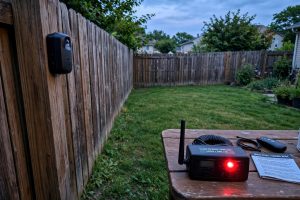

A modern home is full of small machines that talk to the Internet. Doorbells ring on a phone. Cameras watch the porch. Locks open with a code. Lights dim at the hour you set. All of them need one thing: a strong and steady WiFi signal in every room. That is why so many buyers now search for the best mesh wifi for smart home 2026 usa before they buy anything else.
A single old router cannot carry this load. It sits in one corner and fades in the far rooms. Devices drop off. Cameras miss motion. Voice speakers answer late. A mesh system fixes this by spreading several small stations, called nodes, through the house. They talk to each other and act as one network. You walk from room to room and your devices stay connected. In this guide, we explain how mesh WiFi works, what to look for, what it costs, and how to keep it safe and running well.
Why Mesh WiFi Matters for a Smart Home
A smart home is only as strong as its network. Ten years ago, a home network served two phones and a laptop. Today, the average American home holds twenty or more connected devices. Security cameras alone can stream video day and night. Each stream takes bandwidth. A weak signal means frozen video and late alerts.
Dead zones are the main enemy. Thick walls, brick, metal ductwork, and long hallways block radio waves. A camera at the back fence or a garage lock may show one bar of signal or none. Mesh nodes solve this by placing a new source of signal close to each weak spot. The result is steady coverage, not perfect coverage from one box.
Reliability also matters more than raw speed. A smart lock does not need much speed, but it must answer every time. A leak sensor in the basement must report water at once, not after a delay. Mesh systems hand devices from node to node so the link stays alive. Reviews of home networks on CNET often stress this point: for smart homes, uptime beats peak speed.
How Mesh WiFi Works: Best Mesh Wifi for Smart Home 2026 Usa
The Main Router and the Nodes
A mesh kit usually ships with two or three units. One unit plugs into your modem and acts as the main router. The others sit in other rooms and act as satellites. They join into one network with one name and one password. Your phone and your camera never have to choose between them.
One Network, Seamless Handoff
The nodes speak to each other on a private back channel. Some use a wireless backhaul, and some use a wired one through an Ethernet cable. Wired backhaul is faster and more stable, but most homes use wireless and do fine. When you walk from the living room to the bedroom, the system moves your phone to the nearest node without dropping the call. Good kits do this smoothly. Cheap kits may pause for a second.
Bands and Radios
Mesh systems use radio bands: 2.4 GHz, 5 GHz, and on newer models, 6 GHz. The 2.4 GHz band travels far but moves data slowly. Many smart devices use it because it reaches the garage and the yard. The 5 GHz band is faster but shorter in range. Tri-band kits add a second 5 GHz or a 6 GHz radio so the nodes have their own lane to talk to each other. This keeps your devices from fighting with the nodes for airtime.
What to Look for When You Choose
Coverage and Home Size
Makers rate each kit in square feet. A two-node kit may claim 4,000 square feet, and a three-node kit may claim 6,000. These numbers assume open rooms with few walls. A brick ranch or a two-story colonial will need more nodes than the box claims. A safe rule is to buy one kit size up from your home size. If you live in a 2,000 square foot home, a kit rated for 4,000 to 5,000 square feet will handle walls, floors, and the yard.
Speed and WiFi Standard
Most kits sold in 2026 support WiFi 6 or WiFi 6E. Some now support WiFi 7. WiFi 6E and WiFi 7 add the 6 GHz band, which is fast and uncrowded. For a smart home, WiFi 6 is enough for most families. WiFi 7 kits cost more and help most if you own new phones and laptops that can use the new band. If you are comparing a mesh kit with a single fast router, read our guide on the WiFi 7 router for smart home reviews to see which path fits your home.
Number of Devices
Each kit lists how many devices it can serve. Smart homes add devices fast: doorbells, cameras, plugs, bulbs, thermostats, speakers, watches, and phones. A kit that supports 75 or 100 devices sounds like plenty, but video cameras eat into that count quickly. Buy a kit rated for more devices than you own today, so next year’s new gadget does not strain the network.
Backhaul Options
Look for Ethernet ports on each node. A wired backhaul, where nodes link by cable, gives the most stable network. Even one wired node near the far end of the house can lift the whole system. If running cable is not possible, pick a tri-band kit so the wireless backhaul has its own radio lane.
Smart Home Protocols
Some mesh routers also act as a smart home hub. They may speak Zigbee, Thread, or Matter, which are radio languages for bulbs, plugs, and sensors. A built-in hub means fewer extra boxes on your shelf. If your kit lacks one, you can add a stand-alone hub later. Our piece on the best smart home hub for beginners explains the choices.
Security Features
Every kit should offer WPA3 encryption, automatic updates, and a guest network. A guest network keeps visitors and odd gadgets off your main devices. Some kits add threat blocking and parental controls through the maker’s app. Check what is free and what needs a paid plan, because some makers lock useful features behind a yearly fee.
Ease of Setup
Setup happens through a phone app. Good apps walk you through placement, test your speed, and name your network in ten minutes. Look for apps that let you pause a device, see which node each device uses, and restart a node from the couch. Reviews on PCMag often grade apps alongside speed, because a fast kit with a poor app is a poor bargain.
Types of Mesh Systems
Dual-Band Kits
Dual-band kits use 2.4 GHz and 5 GHz only. They cost the least and suit small homes with light smart home use. A two-bedroom apartment with a doorbell and a few bulbs will do fine on dual-band.
Tri-Band Kits
Tri-band kits add a second high-speed radio for the backhaul. They suit larger homes and homes with many cameras. The extra lane keeps video smooth while nodes talk among themselves. Most buyers who search for the best mesh wifi for smart home 2026 usa end up in this class.
WiFi 6E and WiFi 7 Kits
These are the newest class. They add the 6 GHz band and smarter handling of many devices at once. They cost the most. They make sense if you stream 4K video in several rooms, run many cameras, and own new devices that support the latest standard. They also future-proof the home for a few years.
Wired vs Wireless Backhaul
You can mix both. Many buyers place the main router near the modem, run one Ethernet cable to a far node, and let the third node join wirelessly. This hybrid setup gives most of the benefit of full wiring with little work. If your home has Ethernet jacks in the walls, use them. It is the single best upgrade for mesh performance.
Cost and Price
Mesh kit prices in the United States vary widely. A basic dual-band two-node kit may cost $100 to $150. A mid-range tri-band kit often costs $200 to $350. A high-end WiFi 7 three-node kit can cost $400 to $700. These are rough ranges, and sales at holidays cut them often.
Do not judge value by price alone. A $130 kit that covers your home beats a $500 kit that you never set up right. Also watch for subscription costs. Some makers charge $5 to $10 a month for advanced security or parental controls. Over three years, that fee can exceed the price of the kit. Add it to the math before you buy.
Another cost to weigh is your Internet plan. A mesh system cannot give you more speed than your provider delivers. If you pay for 300 Mbps, a kit rated for multi-gigabit speeds will still top out at 300 Mbps. Match the kit to your plan. Upgrading the plan without fixing dead zones rarely helps a smart home.
Setting Up Your Mesh Network
Start by placing the main router near your modem, out in the open and off the floor. A shelf at chest height in a central room is ideal. Do not hide it in a cabinet or behind the TV. Walls and metal block the signal.
Place the second node halfway between the main router and the weak area. Too close wastes coverage; too far leaves a gap. The third node, if you have one, goes near the far devices: the garage, the back bedrooms, or the yard cameras. The app will test each spot and tell you if a node is too far.
Run the setup through the maker’s app step by step. Use one network name for all bands if the app allows it. This keeps smart devices simple, because many of them only speak 2.4 GHz and get confused by split networks. Update the firmware on day one, then turn on automatic updates so patches arrive on their own.
After setup, walk the house with your phone and check the speed in each room. Point cameras and doorbells at the nearest node. If a device still shows a weak link, move the node closer or add one more. Product pages at the Google Store and buying guides at Consumer Reports both show how small moves in placement can change results a great deal.
Care and Upkeep
A mesh network needs little care, but small habits keep it strong. Restart the whole system once a month from the app. This clears memory and lets nodes pick clean channels. Keep nodes in the open, away from microwaves, baby monitors, and thick metal objects that crowd the 2.4 GHz band.
Check the app now and then for devices you do not know. Unknown devices may be old phones you forgot, or they may be a sign of a weak password. Rename your devices as you add them, so the list reads clean: “Front Door Camera” is better than “Device 47.”
Replace aging kits on time. A mesh system from 2019 will still work, but it lacks the speed and device handling of a modern kit. If your cameras buffer at night or your locks answer slowly, the router may be the weak link, not the devices. Most families upgrade every four to six years.
Safety
WiFi safety starts with the password. Use a long, unique password for the router admin page and a different long password for the WiFi itself. Turn on WPA3 if all your devices support it; if an old camera only supports WPA2, you may need to allow both. Never leave the default password that came on the sticker.
Keep the firmware current. Makers fix security holes through updates, and automatic updates are the easiest defense. If your kit is old and no longer gets updates, replace it. An unpatched router is an open door.
Use the guest network for visitors and for cheap gadgets with poor security. Many low-cost smart plugs and bulbs never get updates. Putting them on a guest or IoT network keeps them away from your computers and phones. If your router offers a VPN, it can add privacy for remote access; our guide to the best VPN router for smart home covers that option in plain terms.
Place cameras with care. A camera that watches the yard is fine, but one that sees into a neighbor’s window can bring complaints. The U.S. Consumer Product Safety Commission publishes safety guidance for connected home products, and makers like Ring, SimpliSafe, and ADT publish placement and privacy tips worth reading before you mount anything.
FAQ
How many mesh nodes do I need?
Most homes do well with two or three nodes. A small apartment may need only two. A two-story house with a yard usually needs three. Start with the kit the maker suggests for your square footage, then add one more node if far rooms still test slow.
Is mesh WiFi better than a WiFi extender?
Yes, for most homes. An extender repeats the signal but creates a second network name, and devices often cling to the weak signal instead of switching. Mesh nodes form one network and hand devices over smoothly. Extenders have their place for one small gap, but a smart home deserves mesh.
Will mesh WiFi fix slow Internet?
It fixes slow WiFi, not slow Internet. If your provider delivers only 50 Mbps, mesh will spread that 50 Mbps to every room, but it cannot create more. Test your speed with a cable plugged into the modem. If that number is low, call your provider before you buy new gear.
Does mesh WiFi work with my Internet provider?
Yes. The main node plugs into any standard modem or gateway with an Ethernet cable. Some provider gateways have their own WiFi built in; turn that off or set it to bridge mode so it does not fight with the mesh system.
Can I use mesh WiFi in a rental?
Yes. Nodes need only power outlets, and setup needs no drilling or wiring. When you move, unplug the nodes and take them along. Renters often favor mesh because it fixes dead zones without changing anything in the walls.
Do I need WiFi 7 for a smart home?
Not yet for most families. WiFi 6 handles dozens of smart devices well. WiFi 7 helps homes with very fast Internet plans and many new devices. It also costs more. Buy WiFi 7 if you want the newest standard and own devices that can use it; otherwise a good WiFi 6 or 6E kit serves well for years.
A Final Word
The best mesh wifi for smart home 2026 usa is the kit that covers your whole home, handles all your devices, and stays out of your way. Measure your space, count your devices, and pick a tri-band kit from a maker with a clear app and honest update policy. Place the nodes with care, keep the firmware fresh, and your cameras, locks, and lights will answer every time you call on them. Technology writers at The Verge cover each new generation of these kits, so a quick read of recent reviews before you buy will confirm which models still lead the pack.
References
ADT. (n.d.). Home security and automation. https://www.adt.com CNET. (n.d.). Technology news and reviews. https://www.cnet.com Consumer Reports. (n.d.). Product reviews and ratings. https://www.consumerreports.org Google Store. (n.d.). Smart home devices. https://store.google.com PCMag. (n.d.). Technology product reviews. https://www.pcmag.com Ring. (n.d.). Smart home security devices. https://www.ring.com SimpliSafe. (n.d.). Home security systems. https://www.simplisafe.com The Verge. (n.d.). Technology news and reviews. https://www.theverge.com U.S. Consumer Product Safety Commission. (n.d.). Product safety information. https://www.cpsc.gov
Was this guide helpful?

About Michael Thompson
The My Garden US editorial team writes practical, in-depth home and garden guides for American homeowners — tested advice, no fluff.
You May Also Like
Schlage vs Kwikset Smart Lock Comparison USA: Which Front Door Lock Is Right for You
January 23, 2026 0 views
Outdoor Motion Sensor Lights Solar Reviews USA: What Buyers Should Know
October 1, 2026 0 views
Best Smart Home Hub for Beginners USA: A Plain Guide
March 25, 2026 0 views