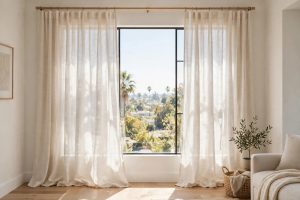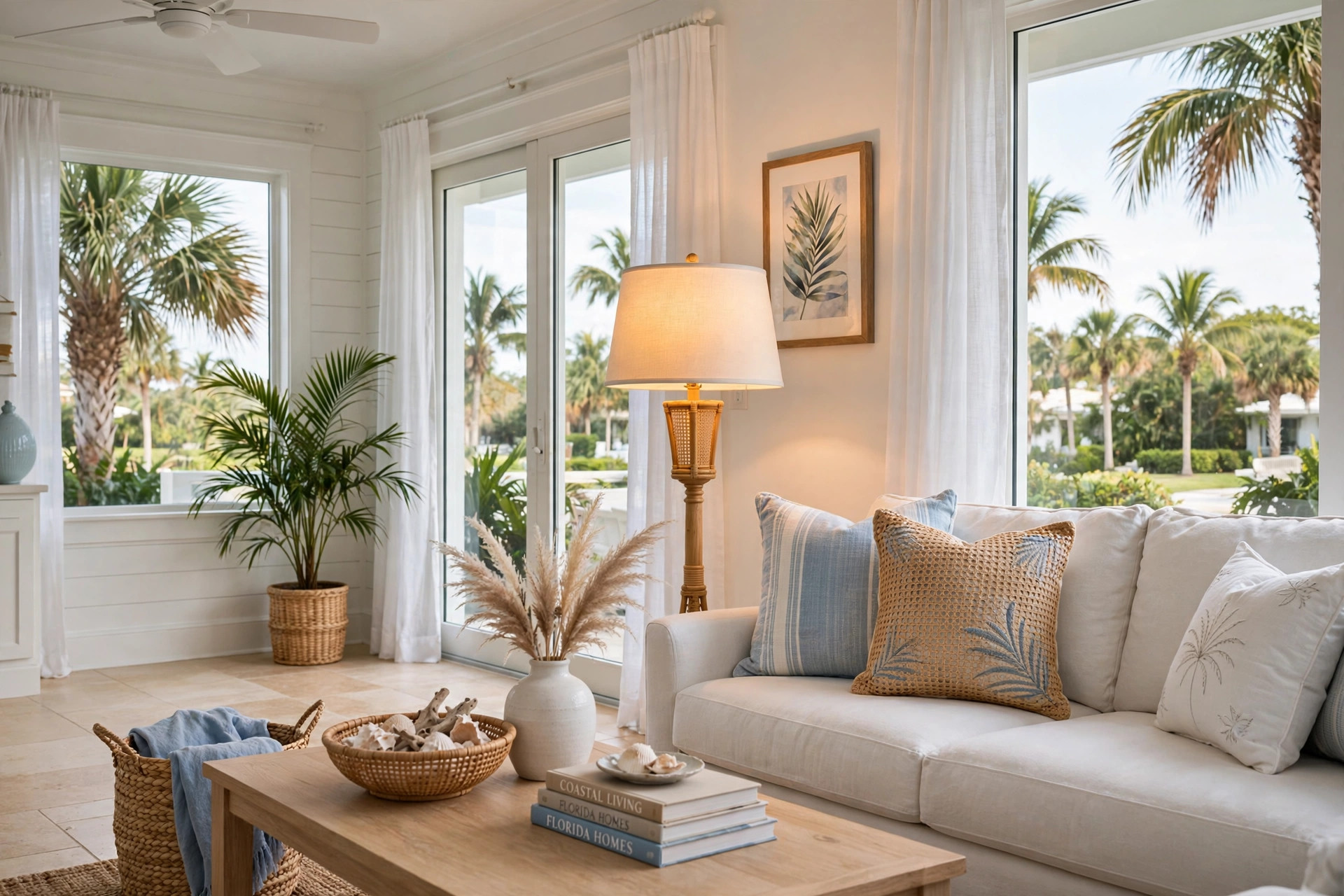

Living room floor lamps florida homes usa are a popular search because Florida living rooms have special needs. They are bright for much of the day. They stay warm through the year. Many have tile floors, high ceilings, and wide windows that face the sun. A floor lamp that works in a northern home may feel wrong here. This guide explains how to choose one that fits the light, the heat, and the style of a Florida home.
Florida homes get strong natural light from morning until late in the day. By evening, that light fades fast, and the room can turn dark in minutes. A good floor lamp fills the gap. It adds warm light where ceiling lights fall short. It makes reading corners comfortable. It gives the room depth after sunset. The right lamp does all this without fighting the bright, airy feel that Florida homeowners want.
Why Floor Lamps Matter in Florida Living Rooms
Many Florida living rooms have vaulted or tray ceilings. Recessed lights sit far above the floor. They throw light down in pools, but the middle of the room can stay dim. A floor lamp lifts light to the level where people sit. It softens shadows and makes the space feel complete.
Florida rooms also deal with glare. Tile and light-colored floors bounce daylight around all day. At night, the same smooth floors can make bare overhead light feel harsh. A floor lamp with a shade spreads light gently across the room. It warms up a space that daylight keeps cool and hard-edged.
Open floor plans are common in Florida homes. The living room often flows into the dining area or the kitchen. A floor lamp can mark where the living room begins. Placed behind a sofa or beside a chair, it draws a line that says this is the place to sit and rest. Designers call this zoning. It works in condos, villas, and single-family homes alike. You can read more about it in home guides on Houzz, where designers share room layouts every day.
How to Choose a Floor Lamp: Living Room Floor Lamps Florida Homes Usa
Buying a floor lamp is simple when you follow a few rules. Style comes first. Then size. Then light. Then the small details that make the lamp easy to live with. Our living room floor lamps buying guide covers the full buying process in detail, but the points below will get you started.
Match the Style of the Room
Florida homes lean toward a few clear styles. Coastal style is the most common. It uses white, sand, and sea-glass tones with natural textures like rattan and driftwood. A floor lamp in white linen, seagrass, or light wood fits this look. Retailers like West Elm and CB2 carry many coastal-friendly lamps each season.
Tropical style goes bolder. It uses deep greens, banana-leaf prints, and warm wood tones. A lamp with a palm-print shade or a dark bamboo base fits here. British colonial style, common in older Florida homes, pairs dark wood with brass details. A pharmacy lamp or a classic torchiere in brass suits this style.
Modern Florida homes favor clean lines. A thin arc lamp in black metal or a slim tripod lamp in white works well. If your sofa is a statement piece, let the lamp stay quiet. If the room is plain, the lamp can be the accent. Many homeowners browse Crate and Barrel for lamps that sit between classic and modern.
Get the Size and Height Right
Height matters more than most buyers think. Standard floor lamps run from 58 to 64 inches tall. That height works beside most sofas. The bottom of the shade should sit at or just above eye level when you are seated. This keeps the bulb out of your line of sight.
Arc lamps are different. They stand tall, often 70 to 84 inches, and reach over a sofa or chair. They suit rooms with high ceilings, which many Florida homes have. In a small room, a slim lamp with a small base takes less floor space. Torchiere lamps have a narrow footprint and push light up toward the ceiling. They make low rooms feel taller.
Check the shade size too. A shade that is 13 to 16 inches across fits most living rooms. Oversize shades can overwhelm a small condo. Tiny shades look lost beside a large sectional. Step back and look at the room as a whole before you decide.
Pick the Right Light
Florida rooms need warm light at night. Daylight bulbs, rated at 5000K or higher, feel cold and harsh in the evening. Choose bulbs in the 2700K to 3000K range for a warm, soft glow. This is the range of old-fashioned incandescent bulbs. It flatters skin tones and wood furniture.
Brightness is measured in lumens, not watts. For reading, look for 800 lumens or more. That equals an old 60-watt bulb. For soft background light, 400 to 600 lumens is enough. Many floor lamps now take LED bulbs. LEDs run cool, which matters in Florida. A hot bulb inside a fabric shade can raise the temperature of the shade. LED bulbs avoid this problem and last for years.
A dimmer switch is worth the small extra cost. It lets you turn the lamp low for movies and up for reading. Some lamps have built-in dimmers. Others work with a dimmer bulb or a plug-in dimmer cord. Either way, the control is useful every day.
Types of Floor Lamps for Florida Homes
There are five main types. Each suits a different need.
Arc lamps. These curve over the seating area like a fishing rod. They give strong downward light for reading or crafts. They fit rooms with high ceilings and large sectionals. They need floor space, since the base sits a few feet from the light.
Torchiere lamps. These point light up at the ceiling. The ceiling bounces it back down as soft, even light. They are good for general room lighting. They take little floor space. They work well in small rooms and condos.
Tripod lamps. These stand on three legs. They have a modern look and a steady base. They suit corners and open spaces. The legs can be a trip hazard in tight walkways, so give them room.
Tree lamps. These have a center pole with three or more adjustable arms. Each arm points in a different direction. They light several spots at once. They are useful in large rooms where one lamp must do the work of two.
Reading and pharmacy lamps. These are slim lamps with an adjustable head. They sit beside a chair and aim light at a book. They are the best choice for a dedicated reading corner. Many have a full-range dimmer built in.
If you want ideas for pairing a lamp with seating, browse room photos on Apartment Therapy. Readers post real living rooms, and you can see how lamps sit beside different sofa styles. For a classic furniture look, Wayfair lists thousands of floor lamps with reviews from buyers across the country.
Cost and Price
Floor lamps cover a wide price range. A basic torchiere or simple metal lamp costs 40 to 80 dollars. These do the job but may not last. A mid-range lamp from a known brand costs 120 to 300 dollars. This is the sweet spot for most buyers. The finish is better, the switch feels solid, and the shade holds its shape.
Designer lamps cost 400 dollars and up. Some run past 1,000 dollars. At this level you pay for the design, the materials, and the brand name. A well-made lamp can last twenty years, so the cost per year is low. If you love the lamp and plan to keep it, the price can be fair.
Watch for extra costs. Some lamps ship without a bulb. A good LED bulb costs 8 to 15 dollars. Oversize shades may need a special bulb. Shipping on tall lamps can add 20 to 50 dollars unless the seller offers free delivery. Many big stores now ship lamps free, which helps.
Care and Upkeep
Floor lamps need little care, but Florida conditions add a few concerns. Humidity is the main one. In damp rooms, metal bases can spot with rust. Wipe the base dry if you notice condensation. Keep lamps a few inches from exterior walls that sweat in summer.
Dust builds up fast in Florida because windows stay open much of the year. Dust the shade with a soft cloth every two weeks. For fabric shades, use a lint roller. For glass or metal shades, a damp cloth works. Never soak a fabric shade. Water can stain it and weaken the glue at the seams.
Check the cord once a year. Florida sun can dry out rubber cords near windows. If the cord feels stiff or cracked, replace it or have it replaced. Move the lamp by the base, not by the cord or the shade. A top-heavy arc lamp can tip if pulled by its cord.
Bulbs need attention too. LED bulbs last a long time, but they do burn out. Keep one spare bulb of the right type and wattage. Do not use a bulb with higher wattage than the lamp allows. The label inside the shade shows the maximum. Going over it is a fire risk.
Safety
Floor lamp safety comes down to placement, heat, and cords. Place the lamp where no one will trip on the cord. Run the cord along the wall or under a rug. Use a cord cover if the lamp sits in the middle of the room. In homes with children or pets, choose a lamp with a heavy base that resists tipping.
Keep the shade away from curtains, pillows, and paper. Leave at least a few inches of air around the bulb. LED bulbs run cool, but halogen bulbs get very hot. If your lamp uses halogen, never touch the bulb with bare hands. Oil from your skin shortens its life and can cause it to fail.
Plug the lamp into a working outlet. Do not daisy-chain extension cords. If the plug feels loose in the outlet, have the outlet fixed. A loose plug can spark. The Spruce home site keeps updated guides on lamp safety and cord care for every room.
In storm season, unplug lamps during bad lightning storms if you can do so safely. Florida sees more lightning than any other state. A surge can damage the lamp and anything plugged near it. A basic surge protector costs little and adds real protection.
Frequently Asked Questions
What height should a living room floor lamp be? Most living room floor lamps stand 58 to 64 inches tall. This puts the shade at seated eye level. Arc lamps run taller, from 70 to 84 inches, because they reach over furniture. Measure your sofa and your ceiling before you shop.
Are floor lamps enough to light a whole living room? One floor lamp lights a corner or a seating area. A full living room usually needs two or three light sources. Many homeowners pair a floor lamp with a table lamp or overhead lights. Layered light looks better and works better than a single bright source.
What color temperature is best for Florida living rooms? Choose 2700K to 3000K for evening use. This warm range suits Florida homes because it balances the cool daylight that fills the room all day. Cooler bulbs at 4000K or above feel harsh at night and clash with warm wood and fabric.
Do floor lamps work with tile floors? Yes. Tile floors are common in Florida and reflect light well. A torchiere lamp aimed at the ceiling gives soft, even light on tile. If the lamp slides on smooth tile, add small rubber pads under the base. This also protects the tile from scratches.
How close should a floor lamp sit to a sofa? Place it 4 to 8 inches from the arm of the sofa or chair. Close enough to reach the switch, far enough that no one knocks it. For a reading lamp, the head should sit about 40 inches above the seat so light falls on the page, not in your eyes.
Can I use a floor lamp outdoors in Florida? Only if it is rated for outdoor use. Indoor lamps can rust, short out, or become unsafe in rain and humidity. Look for a damp or wet rating on the label. Outdoor-rated floor lamps are built with sealed parts and weather-safe cords.
A Final Word
Choosing living room floor lamps florida homes usa comes down to three things. Match the style of your room. Get the height and size right. Pick warm, dimmable light. Do these three things and the lamp will feel like it belongs.
Take your time. Look at your room at night before you buy. Note the dark spots. Measure the space beside your sofa. Then shop with a clear plan. A floor lamp is a small purchase that changes how a room feels every single evening. For more room ideas, HGTV runs photo galleries of Florida living rooms that show lamps in real settings. If your lamp will sit beside a sofa, our guide to velvet living sofas can help you match the two. And if the wall behind the lamp looks bare, our living room wall art buying guide covers how to fill it.
References
Apartment Therapy. (n.d.). Home design ideas and inspiration. https://www.apartmenttherapy.com CB2. (n.d.). Modern furniture and decor. https://www.cb2.com Crate and Barrel. (n.d.). Furniture and home decor. https://www.crateandbarrel.com HGTV. (n.d.). Home and garden ideas. https://www.hgtv.com Houzz. (n.d.). Home design and remodeling. https://www.houzz.com The Spruce. (n.d.). Home and garden advice. https://www.thespruce.com Wayfair. (n.d.). Furniture and home goods. https://www.wayfair.com West Elm. (n.d.). Modern furniture and home decor. https://www.westelm.com
Was this guide helpful?

About Robert Taylor
The My Garden US editorial team writes practical, in-depth home and garden guides for American homeowners — tested advice, no fluff.
You May Also Like
Luxury Area Rugs Reviews Buying Guide USA
August 26, 2026 0 views
Bedroom Dressers Mirror: A Guide for American Homes
June 28, 2026 0 views
Sofa Console Tables Deals Near Me: How to Buy Smart
September 24, 2026 0 views