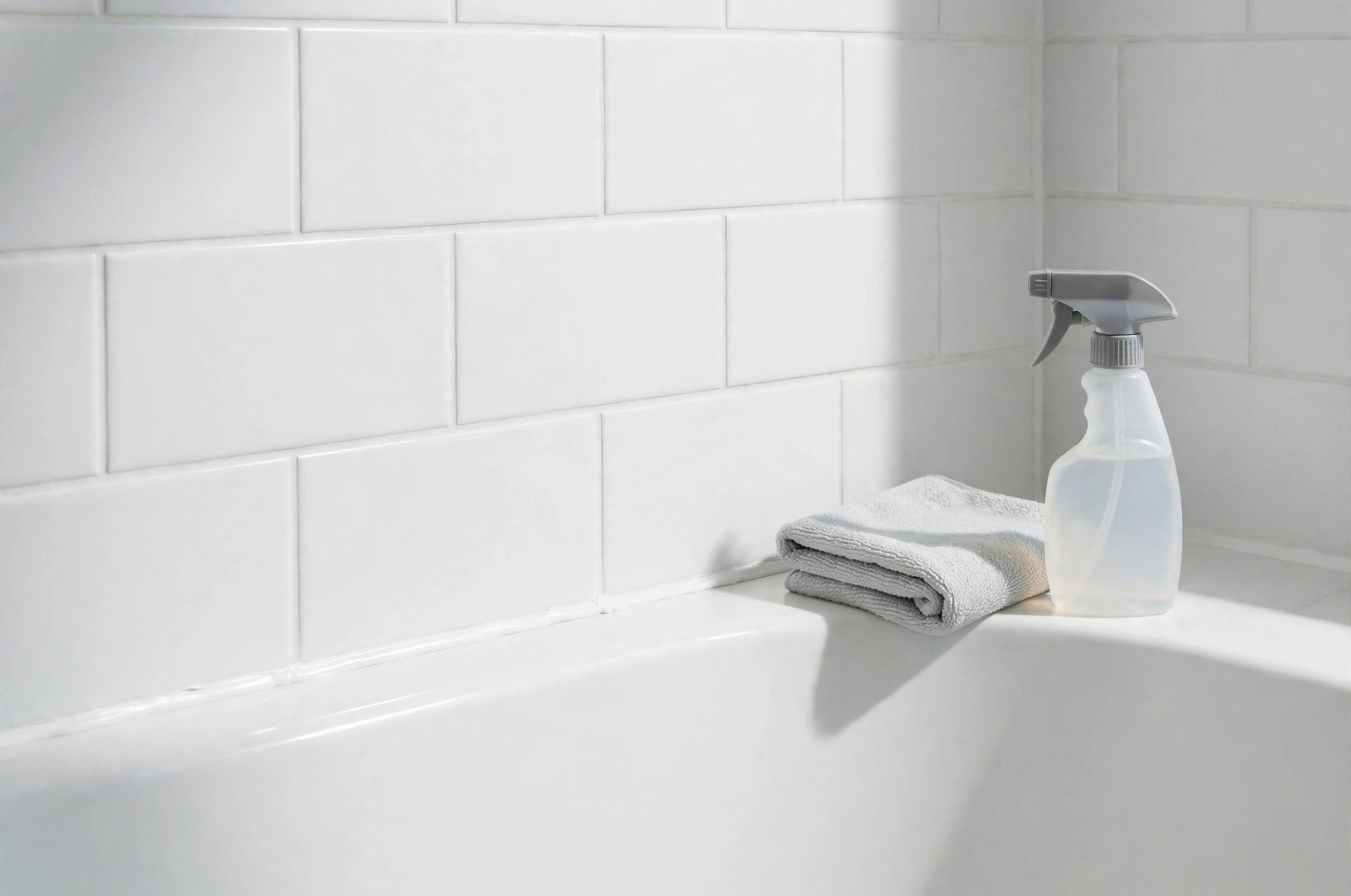
The black line creeps along the edge of the tub. You scrubbed it last month. Now it is back, darker than before. That is mold growing on, and sometimes into, your bathroom caulk. This guide shows how to remove mold from bathroom caulk in plain steps.
Table of Contents
Table of Contents
This guide shows how to remove mold from bathroom caulk safely. You will learn which cleaners actually work, why bleach is not the hero people think it is, and how to tell when the caulk is past saving and needs to be replaced.
Remove Mold from Bathroom Caulk: Why Mold Loves Bathroom Caulk
When it comes to remove mold from bathroom caulk, getting the details right makes all the difference.
When it comes to remove mold from bathroom caulk, getting the details right makes all the difference.
Many homeowners find that remove mold from bathroom caulk is easier than they expected once they know the basics.
Mold needs three things: moisture, warmth, and something to feed on. A shower delivers all three daily. The caulk line where the tub meets the tile stays damp long after the shower ends. Soap scum and body oils give the mold food. The bathroom stays warm. It is a perfect habitat.
Caulk is also slightly porous, especially as it ages. Mold does not just sit on the surface. Its roots, the tiny threads called hyphae, grow into the soft bead. That is why surface wiping often fails. You clean the top and the roots survive underneath.
The U.S. Environmental Protection Agency says the key to mold control is moisture control. Their mold cleanup guide advises scrubbing mold off hard surfaces with detergent and water, drying completely, and never caulking over moldy surfaces. Their brief guide to mold and moisture adds a bathroom-specific tip: in places that stay damp, more ventilation and more frequent cleaning keep mold to a minimum.
What You Will Need
Many homeowners find that remove mold from bathroom caulk is easier than they expected once they know the basics.
Many homeowners find that remove mold from bathroom caulk is easier than they expected once they know the basics.
The key to remove mold from bathroom caulk is choosing the right approach for your space and budget.
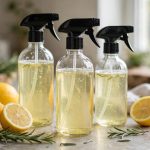
- White distilled vinegar in a spray bottle
- 3% hydrogen peroxide in a spray bottle (the standard drugstore kind)
- Baking soda
- An old toothbrush or small scrub brush
- Clean cloths and a sponge
- Rubber gloves
- A mask, if you are sensitive to mold or cleaning fumes
Do not buy a special "mold killing" product yet. The cleaners above handle most caulk mold. Save your money for the cases where they do not.
The Truth About Bleach
The key to remove mold from bathroom caulk is choosing the right approach for your space and budget.
With a little planning, remove mold from bathroom caulk can fit even a busy schedule.
Most people reach for bleach first. It feels like the strong option. But bleach is a poor mold killer on porous surfaces, and caulk is porous.
Bleach whitens the stain. The mold looks gone. But the chlorine in bleach evaporates fast and does not soak into the caulk bead. The water in the bleach solution does soak in, feeding the roots you cannot see. Weeks later the black line returns, sometimes worse. Southern Living's caulk mold guide warns that bleach can also break down and degrade caulk over time, shortening its life.
Bleach has its place on hard, non-porous surfaces like tile and glass. On caulk, vinegar and hydrogen peroxide do the real work. They soak in. They kill deeper. And they do not chew up the seal you are trying to save.
One safety rule covers everything: never mix bleach with vinegar, ammonia, or any other cleaner. The fumes can be dangerous. Pick one cleaner per job and stick with it.
Method 1: Vinegar and Baking Soda
With a little planning, remove mold from bathroom caulk can fit even a busy schedule.
Before you start, it helps to understand how remove mold from bathroom caulk works in real homes.
This is the first method to try. It is gentle, cheap, and it works on most surface mold.
1. Spray white vinegar straight onto the moldy caulk. Soak it well. 2. Let it sit for 30 minutes. The acid needs time to penetrate. 3. Make a paste of baking soda and a little water. Smear it over the caulk. 4. Scrub with the toothbrush, working along the caulk line, not across it. Scrubbing across can lift the edges. 5. Rinse with clean water and dry the area completely with a cloth.
Vinegar kills most surface mold on contact and soaks into porous material better than bleach. The baking soda adds mild scrubbing power and deodorizes. Tom's Guide uses the same vinegar-and-baking-soda paste as its starting method before moving to stronger options.
Method 2: Hydrogen Peroxide
Before you start, it helps to understand how remove mold from bathroom caulk works in real homes.
A good plan for remove mold from bathroom caulk saves time, money, and frustration.
If vinegar leaves staining behind, step up to hydrogen peroxide. The 3% solution from the drugstore is strong enough for this job.
1. Pour the peroxide into a spray bottle if it did not come in one. 2. Spray the moldy caulk generously. You want it dripping. 3. Let it sit for 15 to 30 minutes. You may see fizzing. That is normal. 4. Scrub with the toothbrush along the caulk line. 5. Rinse and dry completely.
Peroxide breaks down into water and oxygen, so it leaves no chemical residue. Do not mix it with vinegar in the same bottle. Use one, rinse, then use the other if you want both. Used back to back they are fine. Mixed together in advance they lose strength.
For stubborn stains that survive both methods, the Signature Maids mold guide suggests repeating the treatment rather than reaching for harsher chemicals. Mold that has grown deep into old caulk sometimes needs two or three rounds.
Method 3: When to Replace the Caulk Instead
A good plan for remove mold from bathroom caulk saves time, money, and frustration.
Cleaning has a limit. If any of these are true, stop cleaning and replace the caulk:
- The mold comes back within days of a thorough cleaning
- The caulk is cracked, peeling, or pulling away from the tub or tile
- The caulk feels soft or gummy when you press it
- The black staining goes all the way through the bead
- The caulk is more than five years old and looks tired
Mold growing behind failing caulk is worse than surface mold. Water gets behind the bead and into the wall. That is how small bathroom mold turns into a wall repair. AllBetter's mold removal guide makes the same call: when mold has grown into aged caulk, replacement is the real fix, not another round of scrubbing.
Replacing tub caulk is a doable weekend job:
1. Cut out the old caulk with a utility knife or a caulk removal tool. Get every bit. 2. Clean the joint with rubbing alcohol and let it dry fully. 3. Apply painter's tape on both sides of the joint for a clean line. 4. Run a smooth bead of 100% silicone caulk made for kitchens and baths. Silicone resists mold better than latex. 5. Smooth the bead with a wet finger or a caulk tool. Pull the tape while the caulk is still wet. 6. Let it cure for 24 hours before running the shower.
The Bogleheads home forum thread on shower mold is full of homeowners who learned this the hard way: no cleaner reaches mold that has colonized the full depth of an old bead. Fresh silicone and good ventilation beat endless scrubbing.
Keeping Mold From Coming Back
For most people, remove mold from bathroom caulk comes down to a few smart choices.
Cleaning is half the battle. Prevention is the other half. Mold returns to the same spot because the conditions never changed. Change the conditions:
- Run the exhaust fan during every shower and for 20 minutes after. This is the single most effective habit. If your fan is weak or loud, consider an upgrade. Our guide to quiet bathroom exhaust fans compares the options, and the exhaust fan installation cost guide covers what the work runs.
- Squeegee the walls and tub after showering. Thirty seconds with a squeegee removes most of the water mold would feed on.
- Leave the shower door or curtain open after use. Trapped moisture behind a closed curtain is a mold nursery.
- Fix drips. A faucet that drips onto the caulk line keeps it wet around the clock.
- Use mold-resistant paint on bathroom walls and ceilings. Our guide to paint for high humidity bathrooms and mildew resistant paint reviews can help.
- Seal the grout. Grout next to the caulk grows mold too. A good grout sealer for bathroom tile keeps water out of the pores.
The EPA's mold information slideshow hammers the same point from the official side: fix the moisture and you fix the mold. Cleaners treat the symptom. Dry air treats the cause.
Health Notes Worth Knowing
If you are new to remove mold from bathroom caulk, start with the simplest option and build from there.
Most bathroom mold is common household mold, not the infamous "toxic black mold" from news stories. It can still bother people with asthma, allergies, or weak immune systems. If someone in the house reacts badly to mold, wear a mask and gloves during cleanup, ventilate well, and consider having a pro handle heavy growth.
The EPA advises that mold covering more than about ten square feet, or mold caused by sewage or flooding, is a job for a professional. A moldy caulk line is far below that threshold. But mold inside the wall behind the caulk is a different story. If you pull old caulk and find black growth on the wallboard behind it, stop and call a mold remediation pro.
The Bottom Line
When it comes to remove mold from bathroom caulk, getting the details right makes all the difference.
To remove mold from bathroom caulk, start with vinegar and baking soda. Step up to hydrogen peroxide for stubborn stains. Skip the bleach on caulk; it whitens without killing the roots. When the caulk is cracked, gummy, or regrows mold within days, replace it with fresh silicone. Then change the conditions that grew the mold: run the fan, squeegee the walls, and keep the bathroom dry. Do that and the black line stays gone. With these steps, you can remove mold from bathroom caulk with confidence.
References
- AllBetter. (n.d.). Mold removal cleaning techniques for homeowners. https://allbetterapp.com/mold-removal-cleaning/
- Bogleheads. (n.d.). Shower mold on white tile/caulk/fiberglass: What gets rid of it? https://www.bogleheads.org/forum/viewtopic.php?t=352339
- InYourArea. (n.d.). Forget bleach: This kitchen item will remove stubborn mould on sealant instantly. https://www.inyourarea.co.uk/news/forget-bleach-this-kitchen-item-will-remove-mold-on-silicone-sealant-instantly
- Signature Maids. (n.d.). Do you have mold in your bathroom? Here's how to clean it up. https://www.signaturemaids.com/our-blog/mold-bathroom-heres-clean?aa85e56a_page=49
- Southern Living. (n.d.). How to clean mold and mildew from caulk and keep it from coming back. https://www.southernliving.com/how-to-clean-mold-and-mildew-from-caulk-11988301
- Tom's Guide. (n.d.). How to tackle bathroom sealant mold. https://www.tomsguide.com/home/how-to-remove-mold-off-bathroom-sealant
- U.S. Environmental Protection Agency. (n.d.). A brief guide to mold, moisture and your home. https://www.epa.gov/mold/brief-guide-mold-moisture-and-your-home
- U.S. Environmental Protection Agency. (n.d.). Mold cleanup in your home. https://www.epa.gov/mold/mold-cleanup-your-home
- U.S. Environmental Protection Agency. (n.d.). Mold information slideshow. https://www.epa.gov/mold/mold-information-slideshow
Was this guide helpful?

About My Garden US
The My Garden US editorial team writes practical, in-depth home and garden guides for American homeowners — tested advice, no fluff.
You May Also Like

Commercial Grade Chimney Sweep Services Near Me: A Homeowner's Guide
September 16, 2026 15 views
Eco Friendly Hardwood Floor Buffers for Cold Climates: A Plain Guide
June 22, 2026 16 views
Top Rated Carpet Stain Remover Kits Buying Guide
July 6, 2026 16 views