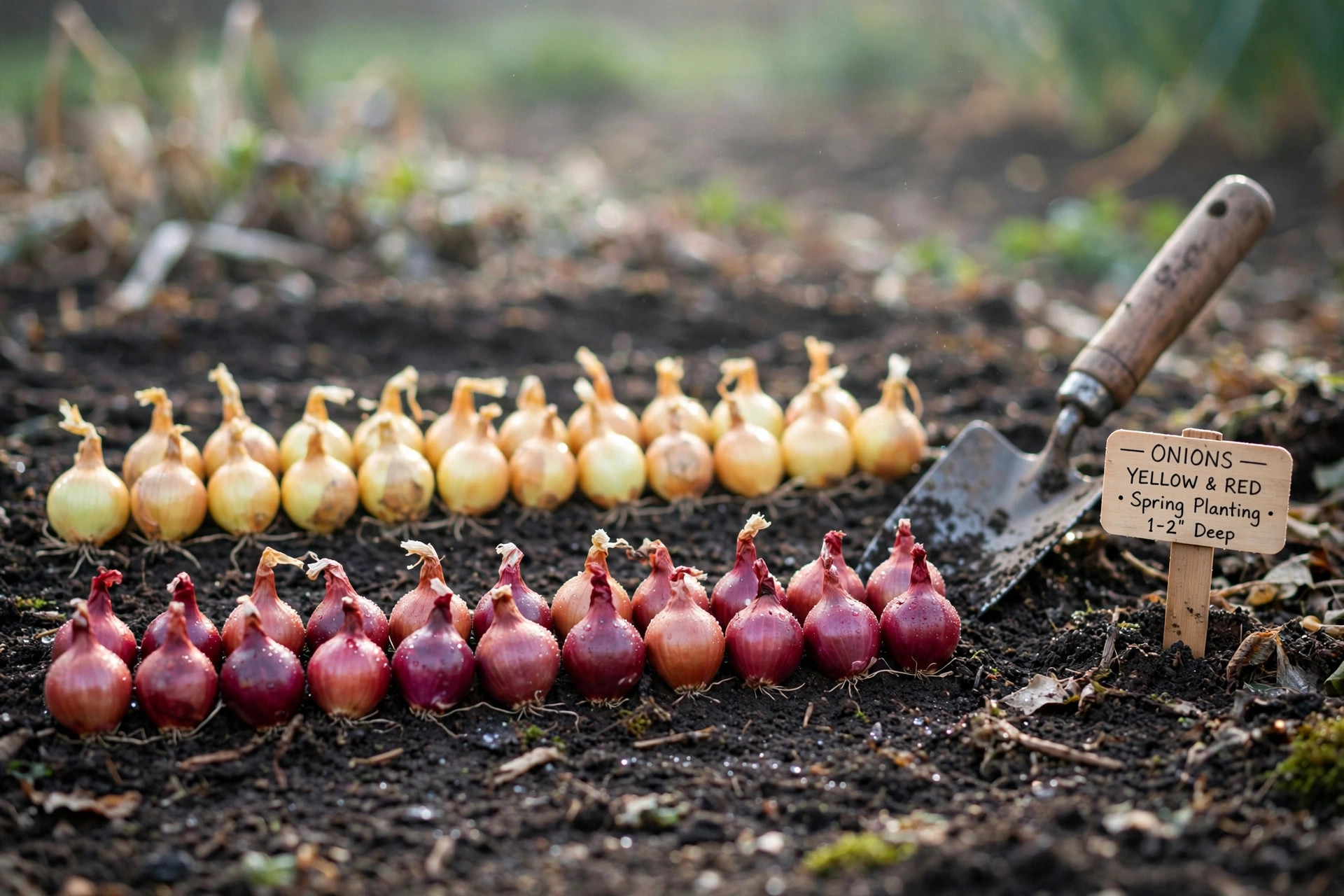
Every spring, many home gardeners ask about onion sets planting where to buy usa shops and catalogs. They want firm, healthy sets at a fair price. They also want sets that arrive in time for spring planting. The answer is simple. You can buy onion sets at local garden centers, farm supply stores, and through the mail from trusted seed and plant catalogs. Each source has strengths. Each has limits. This guide will help you choose the right source for your garden.
Why Onion Sets Matter
An onion set is a small, immature onion bulb. It was grown from seed the year before. Growers lift the sets in fall. They store them through winter. In spring, they sell them to gardeners. When you plant a set, it grows into a full-size onion in one season.
Sets are the easiest way to grow onions. Seeds are slow. They need an early start indoors. They need strong light and steady care. Transplants are faster, but they are delicate. Sets are tough and simple. You push them into the soil. You water them. You wait. For most home gardeners, sets give the best return for the least work.
Onion sets also give a more certain crop. They have a head start over seed. In short-season regions, this matters a great deal. Northern gardeners often lack the long season that seed-grown onions need. Sets bridge that gap. They turn a short summer into a full harvest.
There is one more reason gardeners love sets. You can see what you buy. A firm set with a dry neck tells you it will grow. A soft or moldy set tells you to shop elsewhere. This visual check makes buying sets less risky than buying seed.
What to Look For When You Buy: Onion Sets Planting Where to Buy Usa
Good sets are firm. They should feel solid in your hand. They should have dry, papery skins. The neck should be thin and dry. The base should show no rot. Size matters too. Sets about the size of a dime to a nickel give the best bulbs. Very large sets may bolt. Bolting means the plant sends up a flower stalk instead of forming a bulb. Very small sets grow, but they are slower to start.
Color tells you the variety. Yellow sets grow into yellow storage onions. Red sets grow into red onions. White sets grow into white onions. Buy the color you like to eat. Ask the seller for the variety name. A named variety is a sign of a careful seller. “Yellow onion sets” with no name may still grow, but you will not know what to expect.
Check for mold. Mold shows as gray or green fuzz on the skin or the base. Skip any bin with moldy sets. Check for soft spots. Squeeze a few sets gently. They should not give. If a bin smells sour, walk away. Healthy sets smell like dry onions, nothing more.
Ask about day length. Onions need a certain day length to form bulbs. Long-day types suit the North. Intermediate types suit the middle states. Short-day types suit the South. A good seller will know the difference and stock the right type for the region. If you order by mail, choose a seller that lists the day-length type. Planting the wrong type in your region is the most common cause of failure.
Where to Buy Onion Sets in the USA
Local Garden Centers and Nurseries
Garden centers are the most common source. They stock sets in late winter and early spring. You can touch the sets. You can check them for mold. You can buy only what you need. Many nurseries sell sets by the pound or in small bags. This is ideal for a small garden.
The staff can also help. A good nursery worker will tell you which varieties grow well in your area. They will know the right planting time. They will tell you how the sets were stored. Ask questions. A nursery that answers well is a nursery worth your money.
The main limit is choice. A local shop may carry only one or two varieties. It may sell out early. Popular types go fast. Shop early in the season for the best pick.
Farm Supply and Feed Stores
Farm supply stores serve rural America. They often sell onion sets in bulk. The price per pound is usually lower than at a garden center. This suits gardeners who plant large rows. These stores also carry fertilizer, tools, and other garden supplies in one trip.
The sets at a farm store are often sold from open bins. Look them over before you buy. Bins can dry out if they sit open too long. Pick through the bin. Choose firm sets. Avoid the dried husks at the bottom.
Home Improvement and Big-Box Stores
Large home and garden retailers stock onion sets each spring. The price is low. The supply is large. These stores suit gardeners who want a simple, cheap source. The sets are usually bagged and labeled with the variety name.
The trade-off is care. Staff at a big-box store may know little about onions. Bags may sit in warm spots that hurt the sets. Check each bag. Feel the sets through the mesh. Skip bags with soft or sprouting sets. Buy early in the season, when the stock is fresh.
Mail-Order Catalogs and Online Shops
Mail order gives the widest choice. Catalog companies sell many varieties. They list day-length type. Specialist bulb growers list expected bulb size and storage life for each variety. They ship sets at the right time for your region. For gardeners who want a specific variety, mail order is the best path.
Well-known mail-order plant catalogs have served American gardeners for generations. Many also publish free growing guides that explain planting depth and spacing. When you order, check the shipping schedule. Sets should arrive when your soil can be worked. If they arrive too early, store them in a cool, dry place. If they arrive late, plant them at once.
One caution applies to mail order. You cannot see the sets before you buy. So buy from sellers with a strong record. Read recent reviews. Look for sellers that guarantee their plants. A plant nursery with a clear guarantee is a safer bet than a seller you have never heard of.
Farmers Markets and Local Growers
Some farmers markets sell onion sets in spring. Local growers may also sell from their farms. These sets were often grown near your garden. They suit your climate. The grower can tell you exactly how they were stored. This is a fine source if it is open to you.
Types of Onion Sets
Yellow Onion Sets
Yellow sets are the most popular. They grow into the yellow storage onions found in every grocery store. They keep well after harvest. They cook well. For a first garden, yellow sets are the safe choice.
Red Onion Sets
Red sets grow into red onions. They are mild and sweet. They are best eaten fresh in salads and on sandwiches. They do not store as long as yellow onions. Plant a smaller number for fresh eating.
White Onion Sets
White sets grow into white onions. They have a sharp, clean flavor. They are used in Mexican and Southwestern cooking. They bruise more easily than yellow types. Handle them with care at harvest.
Sweet Onion Sets
Sweet varieties, such as the Vidalia type, grow best in the South. They need short days and warm soil. If you live in the North, skip sweet sets. They will not form full bulbs in a short season.
Cost and Price
Onion sets are one of the cheapest ways to fill a garden bed. At a garden center, a small bag often costs a few dollars. Farm stores sell by the pound at a lower unit price. Mail-order sets cost more per set, but you get named varieties and better choice.
For a typical family garden, the total cost is small. A few pounds of sets will plant a long row. Compare this to the price of onions at the store over a year. The savings are real. Add in the better flavor of fresh onions, and the value is clear.
Watch for hidden costs in mail order. Shipping can add several dollars. Some sellers have a minimum order. Factor the shipping into the price per set. A cheap bag of sets with high shipping may cost more than a local bag.
How to Plant Onion Sets
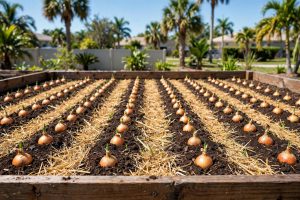
Plant sets as soon as the soil can be worked in spring. Onions are hardy. A light frost will not hurt them. Push each set into the soil about one inch deep. The pointed end should face up. Space the sets about four inches apart. Rows should be about twelve inches apart.
Water well after planting. Keep the soil evenly moist through the growing season. Onions have shallow roots. They suffer quickly in dry soil. A layer of mulch helps hold moisture and keeps weeds down.
Feed the plants lightly. A balanced garden fertilizer at planting time is enough for most soils. A second feeding when the tops are six inches tall can help. Stop feeding once the bulbs start to swell. Late feeding grows tops, not bulbs.
Pull weeds by hand. Onion roots are shallow. A hoe can cut them. Weeds steal water and food from the crop. A clean bed grows bigger onions.
Harvest when the tops fall over. This is the plant’s signal that the bulb is done growing. Lift the bulbs on a dry day. Let them cure in a warm, airy place for two weeks. Then trim the tops and store the bulbs in a cool, dry spot. Well-cured yellow onions keep for months.
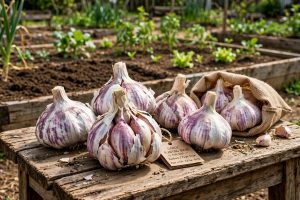
For more on garlic bulbs planting buying guide tips, see our related guide on a close cousin of the onion. Garlic follows many of the same rules for buying and planting.
Care and Upkeep
Onion sets need little care after planting. The main tasks are water, weeds, and watching for pests. Water deeply once a week if rain is short. Keep weeds out. Watch for onion maggots and thrips. These are the two most common pests.
Onion maggots are small white worms that attack the roots. Crop rotation helps. Do not plant onions where onions grew last year. Floating row covers keep the adult flies from laying eggs. Thrips are tiny insects that scrape the leaves. They leave silver streaks. A strong spray of water knocks them off. In bad cases, insecticidal soap helps.
Disease is less common in home gardens. The main risk is rot from wet soil. Plant in well-drained soil. Do not overwater. Space plants so air can move between them. If a plant turns yellow and soft at the base, pull it. Do not compost it. This keeps the problem from spreading.
Save your own sets if you wish. Leave a few plants to form small bulbs in late summer. Lift them. Store them cool and dry. Plant them next spring. This is how gardeners made their own sets for hundreds of years. It takes care, but it costs nothing.
Safety
Onion sets are safe to handle and plant. There are no real risks to people. A few points are worth noting for a safe garden.
First, keep onion sets away from dogs and cats. Onions are toxic to pets. Even small amounts can make a dog or cat sick. Store sets where pets cannot reach them. Plant them in a fenced bed if pets roam the yard.
Second, wash your hands after handling fertilizer. This is plain garden sense. Fertilizer is not food. Keep it off your skin and out of your mouth.
Third, store sets in a cool, dry place. Do not store them near heat. A hot garage can start sprouting or rot. A mesh bag in a cool basement works well.
For general garden safety advice, the national extension resources offer free guides for home growers in every state.
Frequently Asked Questions
When should I buy onion sets in the USA? Buy them in late winter or early spring. Local stores stock sets from February through April, depending on your region. Mail-order sellers ship at the right time for your zone. Order early. Popular varieties sell out.
How many onion sets do I need? A pound of sets holds roughly 60 to 80 sets, depending on size. That plants about 20 feet of row at four-inch spacing. For a small family, two pounds is a good start. You can always buy more next year.
Can I plant onion sets in the fall? In mild regions, yes. Fall-planted sets grow through winter and mature early. In cold regions, fall planting is risky. The sets may freeze. Spring planting is safer for most of the country.
Why did my onion sets grow flowers instead of bulbs? This is bolting. It happens when sets are too large, or when a cold snap hits young plants. Buy medium-sized sets. Plant after the worst cold has passed. Water well. These steps cut the risk.
How long do onion sets keep before planting? A few weeks in a cool, dry place. Do not seal them in plastic. Air flow matters. A mesh bag or an open box works. Plant them as soon as you can.
Are onion sets planting for sale listings online trustworthy? Many are. Stick to known sellers with clear contact details and plant guarantees. Read reviews from other gardeners. Avoid sellers with no address and no phone number. A real plant catalog will stand behind its stock.
For gardeners who also grow flowers, our guide to bulk dahlia bulbs covers buying in quantity for big beds.
A Final Word
Onion sets are a small buy with a big payoff. A few dollars in spring becomes a harvest that lasts into winter. Buy firm sets from a source you trust. Plant them early. Keep them watered and weeded. In a few months, you will pull full, sweet onions from your own soil. Few garden tasks give so much for so little. To compare varieties before you buy, browse the home garden plants at Proven Winners. Start with sets. You will not regret it.
References
Burpee. (n.d.). Seeds, plants, and gardening supplies. https://www.burpee.com Gardening Know How. (n.d.). Gardening guides and plant care. https://www.gardeningknowhow.com Monrovia. (n.d.). Plants for home gardens. https://www.monrovia.com National Institute of Food and Agriculture. (n.d.). Agricultural research and extension. https://www.nifa.usda.gov Park Seed. (n.d.). Seeds, plants, and gardening supplies. https://www.parkseed.com Proven Winners. (n.d.). Plants and gardening inspiration. https://www.provenwinners.com The Old Farmer’s Almanac. (n.d.). Gardening calendars and advice. https://www.almanac.com The Spruce. (n.d.). Home and garden advice. https://www.thespruce.com White Flower Farm. (n.d.). Plants, bulbs, and garden supplies. https://www.whiteflowerfarm.com
Was this guide helpful?

About David Wilson
The My Garden US editorial team writes practical, in-depth home and garden guides for American homeowners — tested advice, no fluff.