Outdoor wall sconce lighting for patio spaces can change the way a home feels after dark. A plain back wall becomes warm and inviting. A dark corner turns into a place where people want to sit. The right light on the right wall makes a patio safer, more comfortable, and more beautiful. This guide explains what to look for, how much to spend, how to install the lights, and how to care for them year after year.
Why Patio Wall Sconces Matter
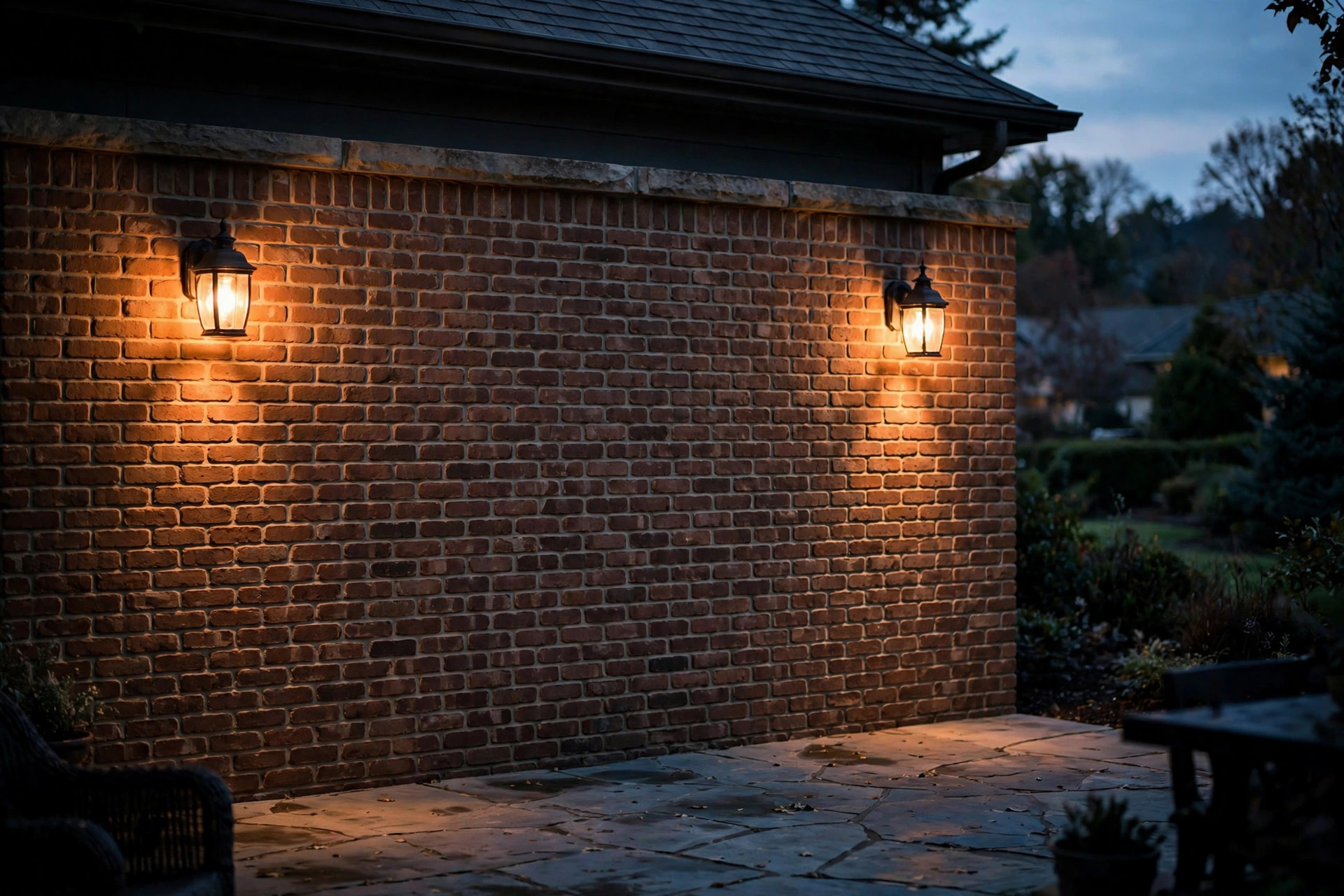
A wall sconce is a light fixture that mounts flat against a wall. It throws light up, down, or in both directions. On a patio, sconces do work that no other light can do as well. Overhead porch lights blast a harsh circle of light. Table lamps and candles are soft but weak. A sconce sits between the two. It spreads a gentle wash of light across the wall and the ground below. This kind of light flatters brick, stone, and wood siding. It makes textures look rich instead of flat.
Sconces also serve a practical purpose. They mark the edges of a patio. They light the path to the door. They make steps easier to see. Many falls at home happen on dark steps and uneven pavers. A pair of well-placed sconces near the door can prevent that kind of accident. They also discourage unwanted visitors. A lit wall is less inviting to a prowler than a dark one.
There is a comfort factor too. People gather where the light is warm. A patio with no light feels empty after sunset. The same patio with two or three glowing sconces feels like another room of the house. Families eat dinner outside more often. Friends stay longer. The fixtures cost little compared with the extra hours of use the patio gains each week.
How to Choose the Right Sconce: Outdoor Wall Sconce Lighting for Patio
Shopping for outdoor wall sconce lighting for patio use can feel confusing. Stores and catalogs list dozens of styles. The choices get simpler once you know what matters. The five factors below cover most of the decision.
Size and Scale
Size matters more than most buyers expect. A tiny sconce on a tall two-story wall looks lost. An oversized lantern on a narrow post crowds the space. As a rough rule, the fixture should be about one third as tall as the door it stands beside. For a standard six-foot-eight door, a sconce between eighteen and twenty-four inches tall looks balanced. On wide walls, use pairs or rows. Space them six to eight feet apart. Stand back and look at the whole wall before you drill any holes. Painter’s tape on the wall can show the outline of each fixture and help you judge the spacing.
Brightness and Bulb Type
Brightness for a patio sconce is best kept modest. The goal is a warm wash of light, not a flood. Most fixtures work well with bulbs between 400 and 800 lumens. That is roughly the light of an old 40 to 60 watt bulb. Warm white bulbs, around 2700 Kelvin, give the amber glow that suits outdoor evenings. Cool white bulbs look harsh on a patio and attract more insects.
LED bulbs are now the standard choice. They use a fraction of the power of old incandescent bulbs. They last for years instead of months. Many LED bulbs are sold as dimmable, which pairs well with a dimmer switch indoors. If you choose LED, make sure the fixture is rated for it. Some older fixtures trap heat, and heat shortens the life of electronics. Check the label before you buy.
Types of Patio Wall Sconces
Manufacturers group sconces into a few broad types. Each type suits a different home and a different need.
Traditional Lantern Styles
The lantern style is the most common. It has a frame of metal, often bronze or black, with glass panels on three or four sides. The light sits inside like a candle in an old carriage lamp. Lanterns suit brick homes, farmhouses, and colonial-style houses. They look natural beside a front door or along a covered porch. Many lanterns have a clear seeded glass option. The tiny bubbles in the glass soften the light and hide the bulb from view.
Modern and Minimal Styles
Modern sconces use simple shapes. A flat bar, a cylinder, or a square box of metal with a narrow slot for the light. Finishes run to matte black, brushed nickel, and dark gray. These fixtures throw light up and down the wall in clean lines. They suit stucco, concrete, and modern wood siding. Because the design is simple, modern sconces tend to collect less dirt and fewer spider webs than lanterns with open tops.
Solar and Motion-Sensor Options
Solar sconces charge during the day and glow at night. They need no wiring, which makes them a good choice for renters or for walls far from the house. Their light is dimmer than wired fixtures, and they fade on cloudy days. Place them where they get full sun. Motion-sensor sconces stay dim or off until someone walks near. Then they brighten for a set time. They save power and add security. Some models combine both features: solar charging with a motion sensor. For pure decoration, many shoppers pair sconces with the best solar patio lights for ambiance to layer different kinds of glow around the yard.
Cost and Price
Outdoor wall sconces cover a wide price range. A basic plastic or thin-metal fixture can cost as little as twenty dollars. A solid brass or copper lantern from a known maker can cost two hundred dollars or more. Most homeowners spend between forty and one hundred dollars per fixture. That mid-range price buys a metal housing, a glass shade, and a weatherproof seal that should last many seasons.
Wiring adds to the cost. If the wall already has an electrical box from an old fixture, a handy homeowner can swap in a new sconce in under an hour. If there is no box, an electrician must run wire through the wall. That job often costs between one hundred fifty and four hundred dollars per location, depending on how easy the wall is to open. Solar sconces avoid this cost entirely.
Operating cost is low. A modern LED sconce that draws nine watts costs only a few dollars a year to run, even if it burns every night. Compared with the old sixty-watt bulbs they replace, LED sconces pay for the price difference in a single season of evening use.
Shoppers comparing fixtures at large home stores such as Wayfair will see that finish and brand name drive much of the price gap. A bronze powder-coat finish resists rust far better than a painted one. It is worth paying a little more for the better coating in damp climates.
Installation Basics
Most sconces mount on a standard round or rectangular electrical box. Turn off the power at the breaker before you touch any wire. This step is not optional. Test with a non-contact voltage tester to be sure the circuit is dead.
Hold the mounting bracket against the box. Mark the screw holes. Fasten the bracket with the screws that came in the box. Connect the wires: black to black, white to white, and the bare or green ground wire to the ground screw. Wire nuts should twist on snug. Tuck the wires gently into the box. Do not pinch them behind the bracket.
Apply a bead of silicone caulk around the top and sides of the fixture where it meets the wall. Leave the bottom edge open so that any trapped water can drain out. Mount the fixture on the bracket and tighten the set screws. Restore power and test the light.
The best mounting height for a patio sconce is about sixty-six inches from the ground to the center of the fixture. That puts the light near eye level and keeps glare out of seated eyes. Beside a door, place the sconce six to twelve inches from the door frame.
If string lights already hang over the patio, plan the sconce positions so the two do not fight. A helpful guide on how to hang string lights on patio covers spacing and support lines. Sconces give steady wall light. String lights give sparkle overhead.
Care and Upkeep
Outdoor fixtures face rain, dust, pollen, and insects. A little care keeps them bright. Twice a year, wipe the glass with a damp cloth and a mild soap. Do not use harsh cleaners. They can strip the finish. Clean the inside of the glass too. Dead insects and dust collect inside and dim the light more than most owners realize.
Check the rubber gaskets once a year. These seals sit between the glass and the frame. Sun and heat dry them out. A cracked gasket lets water in. Water inside the fixture can short the socket. Replacement gaskets are cheap and easy to fit.
In coastal areas, rinse fixtures with fresh water every few months. Salt spray speeds rust. Independent test reports from Consumer Reports can help buyers compare which finishes hold up best in harsh weather. In cold climates, check that the caulk line is still tight before winter. Ice forming behind a loose fixture can push it off the wall.
Bulb changes are simple. Let the old bulb cool first. LED bulbs rarely need changing, but when they do, match the base type and the wattage rating on the fixture label. Keep a spare bulb in a dry place so a burned-out sconce never stays dark for long.
Safety
Electricity and water do not mix. Every outdoor fixture should be listed by a recognized testing lab. Look for a UL or ETL mark on the label. The label should also say the fixture is rated for wet or damp locations. A fixture rated for dry locations only belongs indoors. Rain will destroy it and can create a shock hazard.
All outdoor lighting circuits should run through a ground-fault circuit interrupter, known as a GFCI. A GFCI cuts power in a fraction of a second if current leaks to ground. Most modern outdoor outlets and circuits already have this protection. Older homes may not. An electrician can add it for a modest cost. It is one of the best safety upgrades a homeowner can buy.
Keep sconces clear of flammable material. Do not mount a fixture where a grill, a fire pit, or any open flame sits near the wall. Heat and open flame damage fixtures and wiring. Leave at least three feet of space between any flame and a wall-mounted light. Shoppers comparing shade options may also want to read the best patio umbrella for wind reviews guide before placing tall furniture near wall fixtures.
Ladders deserve respect too. Most sconce work happens at a height that needs a step ladder. Set the ladder on firm, level ground. Never lean past the rails. If the job feels beyond your skill, call an electrician. The cost of one service visit is far less than the cost of an injury.
Frequently Asked Questions
How many sconces does a patio need? Most patios need two to four sconces. Place one on each side of the main door. Add more along long walls, spaced six to eight feet apart. For a small patio, two fixtures may be enough.
Can I install a sconce where no wire exists? Yes. An electrician can run new wire through the wall, which gives a permanent wired fixture. Or you can buy a solar sconce, which needs no wire at all. Solar fixtures suit walls that are hard to reach with wire. They give less light than wired models, so they work best as accent lights.
Do sconces attract insects? All outdoor lights attract some insects. Warm-color LED bulbs attract far fewer than old white bulbs. Fixtures with a closed bottom also help, since bugs cannot crawl up into the socket. Turning the lights off when the patio is not in use cuts the problem further.
What is the best finish for a damp climate? Powder-coated bronze and solid copper hold up best in rain and humidity. Painted steel rusts once the paint chips. Brushed nickel resists rust but can spot in salty air. In coastal regions, look for fixtures rated for marine or coastal use. Rinse them with fresh water now and then to wash off salt.
Can sconces be used with a dimmer switch? Yes, if both the fixture wiring and the bulb allow it. Use bulbs marked dimmable and a dimmer switch made for LED loads. Old dimmers made for incandescent bulbs can make LED bulbs flicker. A dimmer gives fine control over the mood. Bright for dinner, low for late-night talk.
How long do outdoor sconces last? A well-made metal fixture lasts ten to twenty years. The finish fades first, then the gaskets, then the socket. LED bulbs inside can last five to ten years of nightly use. Solar sconces last three to five years before the rechargeable battery weakens.
A Short Final Word
Outdoor wall sconce lighting for patio areas is one of the simplest upgrades a homeowner can make. The fixtures cost little. The light they give is warm and steady. They make the patio safer to walk on and more pleasant to sit in. Choose a size that fits the wall. Pick a warm LED bulb. Seal the fixture well against rain. Then step back at dusk and enjoy the result. Good light turns a patio into a room without a roof.
For shoppers who want to browse many styles in one place, the outdoor lighting sections at IKEA offer simple modern designs at fair prices, while specialty catalogs carry the heavier traditional lanterns.
References
IKEA. (n.d.). Home furnishings and lighting. https://www.ikea.com Wayfair. (n.d.). Home goods and outdoor lighting. https://www.wayfair.com Consumer Reports. (n.d.). Product reviews and ratings. https://www.consumerreports.org
Was this guide helpful?

About Lisa Anderson
The My Garden US editorial team writes practical, in-depth home and garden guides for American homeowners — tested advice, no fluff.