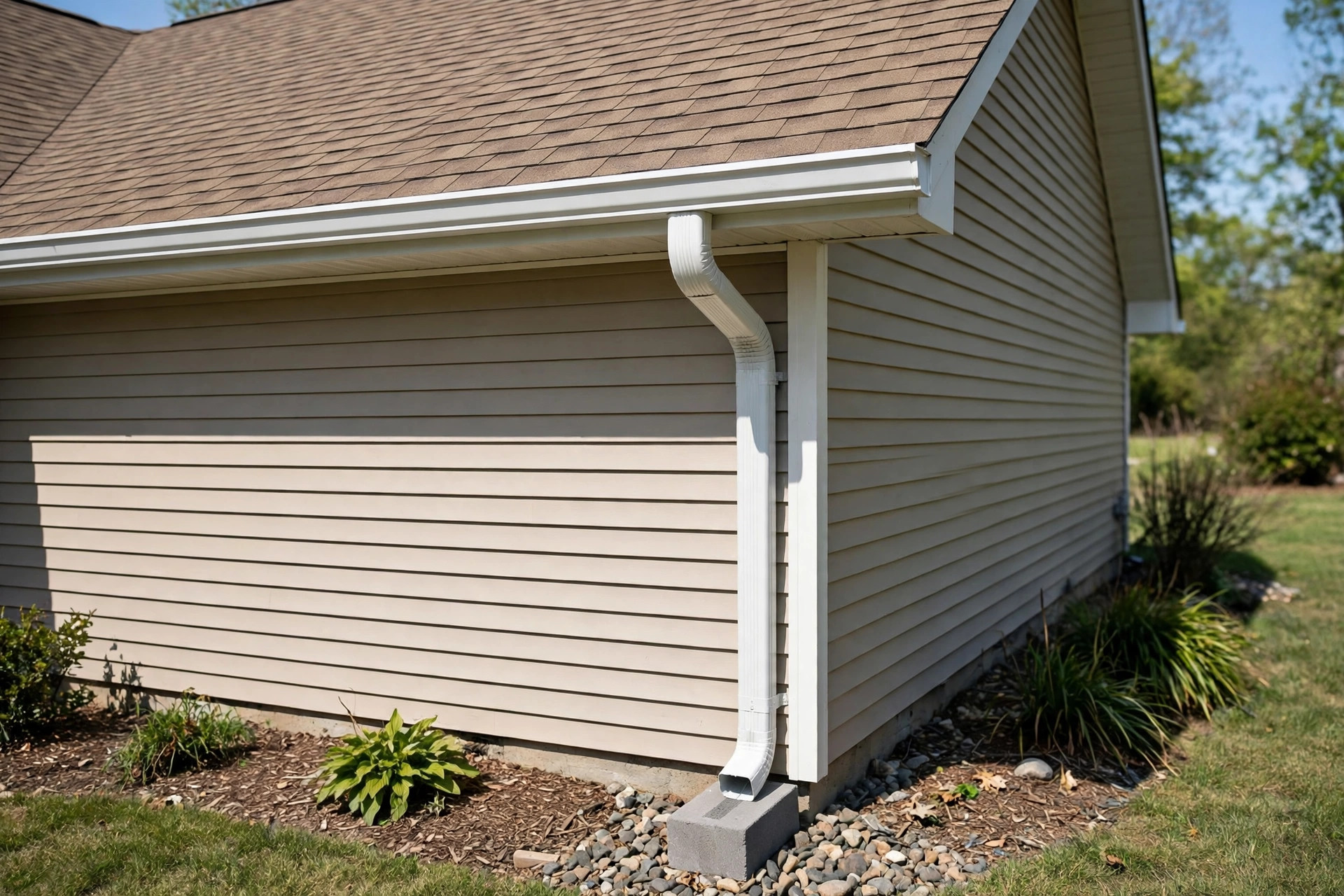

Rain falls on every roof in America. Where that rain goes next decides the health of the house below it. Energy efficient gutter installation services for homeowners make sure the water leaves the roof fast, drains far from the foundation, and helps the house stay dry, cool, and sound. This guide explains what these services are, how they work, what they cost, and how to pick the right installer.
Why Gutters Matter More Than Most Owners Think
A gutter is a simple metal channel, yet it protects the most costly parts of a home. Without working gutters, rain pours off the roof edge and lands beside the foundation. Over time that water soaks the soil, seeps through basement walls, and rots wooden sills and framing. Repair bills for water damage often run into the thousands.
Gutters also shield the siding and the roof edge. When water sheets down the wall, paint peels and siding warps. The fascia board, the wooden board the gutter hangs from, can rot in a single season if water backs up behind it. Homeowners who need fascia work often look for weather resistant soffit and fascia repair for homeowners before a new gutter goes up.
The energy link is real, if indirect. Wet soil against a foundation makes basements and crawl spaces damp. Damp air is harder to heat and harder to cool. A dry foundation keeps insulation dry, and dry insulation does its job. Good drainage also protects the ground around the house so grading holds its slope. When a gutter sends water well away from the walls, the whole shell of the house works as it was built to work.
What “Energy Efficient” Means in a Gutter System: Energy Efficient Gutter Installation Services for Homeowners
The phrase may sound odd at first. A gutter does not use power. In this trade, “energy efficient” describes a system designed to do more with less over its whole life.
First, it means the right size. A gutter too small for the roof will overflow in a hard storm. A gutter sized to the roof area and the local rainfall handles peak flow without waste. Installers measure the roof and check local rain tables before they cut a single length of metal.
Second, it means fewer joints and better hangers. Seamless gutters are cut on site to the exact length of each eave, so there are no seams along the run. No seams means no leaks and no drip spots that stain the siding. Hidden hangers screwed into the rafter tails hold the channel firm for decades.
Third, it means smart extras. Gutter guards keep leaves and pine needles out, so the channel carries full flow instead of clogging. Downspout extensions move water six to ten feet from the house. Rain barrels catch clean roof water for garden use. Each of these cuts the work the system and the house must do.
Home improvement guides such as the ones at This Old House and Family Handyman often remind readers that the cheapest part of a drainage system is the part that fails first. A slightly better hanger or guard pays for itself in years not spent on a ladder.
Types of Gutters to Consider
Seamless Aluminum Gutters
Seamless aluminum is the most common choice in American homes today. A machine on the installer truck forms the metal to the exact length of the house. The result is a clean, one-piece channel with joints only at corners and downspouts. Aluminum does not rust, holds paint well, and lasts twenty to thirty years with basic care. It suits most budgets and most house styles.
Steel Gutters
Steel is stronger than aluminum and stands up to ladders, ice, and falling limbs. Galvanized steel carries a zinc coat against rust, and newer coated steel adds a baked finish in many colors. Steel costs more and weighs more, so the hangers and fascia must be sound. In regions with heavy snow or ice, steel is often the safer pick.
Copper Gutters
Copper gutters are the long-life option. They never rust, they weather to a green patina, and they can last fifty years or more. The price is high, several times the cost of aluminum, and copper calls for an installer with real skill in soldering joints. Owners of historic or high-end homes choose copper for looks and for life.
Vinyl Gutters
Vinyl is light, cheap, and simple to fit, which makes it common in do-it-yourself kits sold by retailers like Home Depot and Lowes. The trade-off is life. Vinyl grows brittle in cold and soft in heat, and sectioned vinyl kits leak at the joints within a few years. For a long-term home, vinyl is rarely the best value.
Many review sites compare these materials side by side. Readers who want broad buying advice can look at the gutter coverage on The Spruce or the project guides on Bob Vila before they talk to an installer.
What to Look for in a Gutter Installation Service
Hiring the right crew matters as much as picking the right metal. A good service starts with a site visit. The estimator should walk the roof line, look at the fascia, check the grading, and ask about past leaks or ice dams. Anyone who quotes a price from the street without a ladder is guessing.
Ask what the crew will install and how. The quote should name the metal, the gauge, the hanger type and spacing, the downspout size, and the guard type if any. Six-inch gutters suit most roofs; five-inch suits small ones. Hidden hangers every two feet beat old spike-and-ferrule mounts that loosen over time.
Check the basics of the business. The firm should carry liability insurance and workers compensation, hold a local contractor license where one is required, and give a written warranty on both materials and labor. Five years on labor is a fair minimum. Ask for two or three recent local jobs and drive past them if you can.
Compare at least three written quotes. The lowest bid is not always the best value. One crew may include guards and extensions in the price while another lists them as extras. A clear line-item quote tells you where the money goes. Homeowners comparing pros can also read top rated gutter installation services reviews for a sense of what fair pricing looks like in their area.
Ask about the crew itself. Gutter work goes fast when the crew has done it a thousand times. Ask how long the lead installer has been at it, and whether the firm uses its own employees or day labor. Careful crews protect the landscaping, clean up metal scraps, and haul the old gutter away.
Cost and Price Guide
Prices move with the region, the metal, and the size of the house, but a few rules hold. For a typical single-story American home with about 150 to 200 feet of gutter, seamless aluminum with downspouts often costs between twelve hundred and twenty-five hundred dollars installed. Two-story homes cost more because the crew needs taller ladders and more safety gear.
Upgrades add to the bill in plain steps. Gutter guards add roughly seven to twelve dollars per foot installed, depending on the type. Larger six-inch gutters cost about a dollar or two more per foot than five-inch. Copper can run four to six times the price of aluminum. Downspout extensions and rain barrels add a few hundred dollars to the job.
Watch for hidden costs. If the fascia is rotted, it must be replaced before the gutter hangs, and that carpentry is billed apart. Steep roofs, odd corners, and second-story runs over a garage all add labor time. A firm quote should list these items instead of burying them.
Think of the cost against the risk. A flooded basement can cost five thousand dollars to dry out and repair. Foundation crack repairs run higher still. A sound gutter system is one of the cheapest insurance policies a house can have.
Care and Upkeep Through the Seasons
A good gutter needs little care, but it is not care-free. Clean the channels at least twice a year, in late spring and late fall, or fit guards and clean once a year. A garden hose flush shows whether water runs free to the downspout. If it ponds, the slope has shifted and a hanger needs a tweak.
Walk the ground after a hard rain. Water should leave each downspout and move away from the house. If it pools near the foundation, add an extension or a splash block. Check the seams at corners and end caps each fall. A dab of gutter sealant stops a small drip before it stains the siding.
In cold states, watch for ice dams. Heat escaping through a poorly insulated attic melts roof snow, and the melt refreezes at the cold eave. A thick dam can lift gutters off the fascia. Roofing makers such as Owens Corning and CertainTeed note in their guides that attic air sealing and insulation do more against ice dams than any gutter can, which is another way good drainage ties into whole-house energy sense.
Trim back tree limbs that hang over the roof. Fewer leaves in the channel means fewer clogs and less acid stain on the metal. A small hour of work each season keeps a twenty-year gutter working for its full term.
Safety Notes for Owners and Crews
Gutter work is ladder work, and ladder falls hurt more homeowners each year than almost any other home repair. If you clean your own gutters, use a firm extension ladder with a stabilizer bar, keep three points of contact, and never reach more than an arm length to the side. Move the ladder instead.
Do not lean a ladder against the gutter itself. The metal bends, and the ladder slips. Set the ladder on firm, level ground and have a second person foot it when the run is high. Wear gloves. Old gutters hide sharp edges, wasp nests, and wet muck.
Electrical lines deserve respect. Many service drops cross near the eave. Keep ladders and long tools well clear of them. If a line runs close to the work area, call the utility before the crew arrives.
For the crew, a licensed firm follows standard fall protection on steep roofs and carries the insurance to back it up. That is one more reason to hire a real service instead of a casual handyman. The siding maker James Hardie and energy programs at Energy Star both stress that exterior work done right protects both the house and the people working on it.
Frequently Asked Questions
How long does a gutter installation take? Most single-family homes are done in one day. A large or complex home may take two. Weather can push the schedule, since crews do not hang gutters in hard rain or high wind.
Are seamless gutters really better than sectioned ones? Yes, in most cases. Fewer joints mean fewer leaks. A seamless run also looks cleaner from the street. Sectioned kits have their place in small sheds and tight budgets, but a home deserves seamless.
Do gutter guards mean I never clean again? No. Guards cut cleaning by a large share, but fine grit and seed pods still get through. Plan on a yearly check and flush even with guards in place.
What size gutter does my house need? Five-inch gutters suit most small to mid-size roofs in mild rain zones. Six-inch gutters handle steep roofs, large roof areas, and heavy storm regions. Your installer should size the system to the roof, not to habit.
Can new gutters fix a wet basement? They often help a great deal. Much basement water comes from roof runoff dumped at the foundation. Moving that water ten feet out with sound gutters and extensions solves the problem outright in many homes. If water still enters, the issue may be a high water table, which calls for a drainage specialist.
Should I replace gutters when I replace the roof? It is the smart time to do it. The crew is already on the roof line, the fascia is exposed for inspection, and the flashing details can be matched to the new system. Bundling the work saves a second round of ladder setup and often a lower combined price.
A Short Final Word
Energy efficient gutter installation services for homeowners are a quiet kind of home improvement. No one throws a party for a new downspout. Yet the work guards the foundation, the siding, the roof edge, and the dry indoor air that keeps heating and cooling bills in check. Pick a sound metal, size it to the roof, hire a careful crew, and keep the channels clean. Do that, and the rain that falls on your roof becomes a problem solved instead of a problem waiting. Owners planning wider exterior upgrades may also find the energy efficient sliding patio doors buying guide useful as they work through the whole shell of the house.
References
Bob Vila. (n.d.). Home improvement advice. https://www.bobvila.com CertainTeed. (n.d.). Building materials and exterior products. https://www.certainteed.com ENERGY STAR. (n.d.). Energy efficient products. https://www.energystar.gov Family Handyman. (n.d.). DIY home repair and maintenance. https://www.familyhandyman.com James Hardie. (n.d.). Fiber cement siding and exterior products. https://www.jameshardie.com Lowe’s. (n.d.). Home improvement products. https://www.lowes.com Owens Corning. (n.d.). Roofing and insulation products. https://www.owenscorning.com The Home Depot. (n.d.). Home improvement products. https://www.homedepot.com The Spruce. (n.d.). Home and garden advice. https://www.thespruce.com This Old House. (n.d.). Home renovation guidance. https://www.thisoldhouse.com
Was this guide helpful?

About Jennifer Lee
The My Garden US editorial team writes practical, in-depth home and garden guides for American homeowners — tested advice, no fluff.
You May Also Like
Professional Grade Exterior Stair Railings for Sale: A Complete Buying Guide
March 11, 2026 0 views
Best Retaining Wall Builders Near Me: A Complete Hiring Guide
February 8, 2026 0 views
Metal Roofing Installation Cost Guide USA: What American Homeowners Should Know
June 12, 2026 0 views