
Introduction
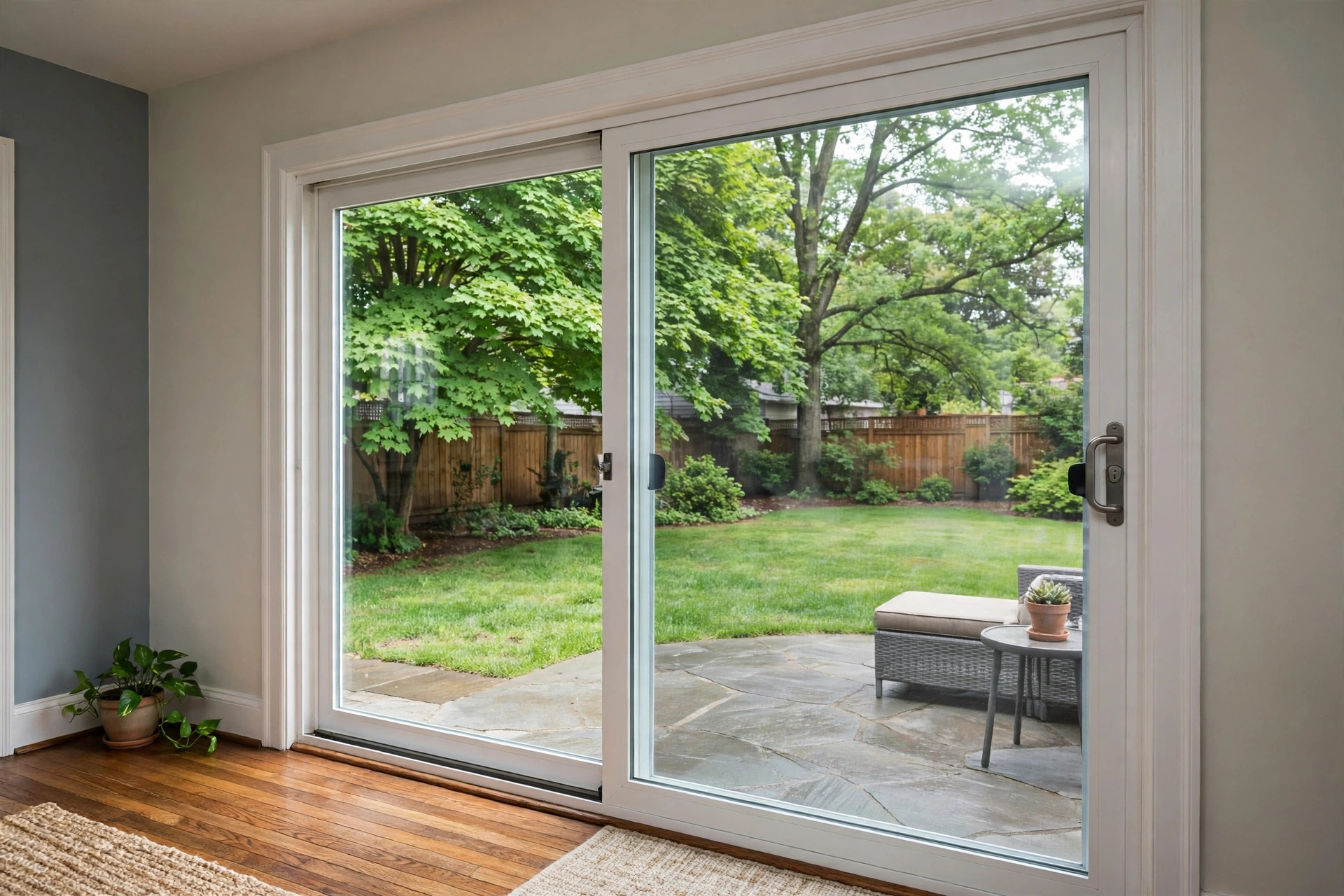
A sliding patio door is one of the largest glass openings in a home. It lets in light and gives easy access to the yard. It can also be a major source of heat loss in winter and heat gain in summer. This energy efficient sliding patio doors buying guide will help you pick a door that keeps the good parts and fixes the bad parts. You will learn what makes a sliding door energy efficient, which frame and glass options matter most, what they cost, and how to keep them working for years.
Why an Energy Efficient Door Matters: Energy Efficient Sliding Patio Doors Buying Guide
A standard sliding patio door can leak far more air and heat than a solid wall of the same size. Glass by itself is a poor insulator. Old single pane doors are the worst. They feel cold in winter and hot in summer. They make the furnace and the air conditioner run longer. That raises the power bill.
A well built energy efficient door works like a sealed window. It uses double or triple pane glass with invisible coatings that bounce heat back inside in winter and block solar heat in summer. The frames are insulated. The weatherstripping fits tight. The result is a door that still gives you the view and the light, but with much lower energy loss. In many homes, replacing an old slider is one of the fastest payback upgrades after attic insulation. It also makes the room near the door far more comfortable. No more cold draft while you sit at the table in January.
If your whole house shell needs attention, an insulated vinyl siding price comparison can help you plan the rest of the project. A door and new siding often go in together.
What to Look for When You Shop
Shop by the numbers on the label, not by the sales pitch. Every door sold in the United States can carry a sticker from the National Fenestration Rating Council. That sticker lists four numbers. Learn them and you can compare any two doors in a store. ENERGY STAR’s door criteria explain how these ratings line up with certified products.
U-Factor: How Well It Holds Heat In
The U-factor measures how fast heat moves through the door. Lower is better. Old single pane doors can have a U-factor near 1.0. A good energy efficient sliding patio door has a U-factor of 0.30 or lower. In cold northern states, look for 0.27 or lower. This single number tells you more about winter comfort than any other.
Solar Heat Gain Coefficient
The solar heat gain coefficient, or SHGC, measures how much heat from the sun passes through the glass. Lower numbers block more sun heat. In hot southern states, a low SHGC around 0.25 keeps the room cooler and cuts air conditioning costs. In cold states where you welcome free winter sun, a higher SHGC near 0.40 can help heat the room on bright days. The Department of Energy offers plain guidance on picking glass numbers for each climate zone.
Air Leakage Rating
This number tells you how much air sneaks through the frame and seals. Lower is better. Sliding doors leak a bit more than swinging doors because the panel slides in a track. Look for an air leakage rating of 0.3 or lower. Good weatherstripping and a solid sill design make a real difference here.
Visible Transmittance
Visible transmittance measures how much daylight passes through. Higher numbers mean a brighter room. Some low-E coatings dim the glass a little. Check this number if a bright kitchen is your goal. A value near 0.40 still feels bright in most homes.
Frame Types and Their Trade Offs
The frame holds the glass and does much of the insulating. Four common materials are used for sliding patio doors. Each has strengths.
Vinyl. Vinyl frames are the most common and the least costly. They do not need paint. They insulate well because the hollow chambers break the path of heat. Good quality vinyl with welded corners lasts a long time. Cheap thin vinyl can warp in hot sun, so check the warranty and the thickness.
Fiberglass. Fiberglass frames are strong, stable, and very good at blocking heat. They expand and contract very little with temperature, so the seals stay tight. Major building product makers rate fiberglass among the top choices for lasting efficiency. They cost more than vinyl but less than wood. For an energy saving patio door that will last decades, fiberglass is a strong pick.
Wood with aluminum cladding. Wood frames insulate very well and look rich. Cladding is a metal skin on the outside that protects the wood from weather. These doors are heavy, attractive, and expensive. If you are matching new cladding to exterior siding, siding product guides help you plan the look. They need occasional checks to keep the wood dry and sealed.
Aluminum. Plain aluminum frames are strong and slim, but metal carries heat fast. Only choose aluminum if it has a thermal break, which is a plastic barrier inside the frame that stops heat from flowing through. Even then, aluminum is rarely the best pick for energy performance.
If you are also shopping for windows, a budget friendly vinyl replacement windows buying guide uses the same rating numbers, so you can judge both at once.
Glass Packages Explained
Glass does most of the work. Know these options before you talk to a dealer.
Double pane with low-E coating. Two panes of glass with a sealed space of argon gas between them. The low-E coating is an invisible metal layer that reflects heat. This is the standard energy efficient package and is right for most of the country.
Triple pane. Three panes with two sealed spaces. Triple pane glass cuts the U-factor further and makes the door quieter too. It adds weight and cost. It pays best in very cold climates like Minnesota, Maine, and the upper plains.
Argon or krypton gas fill. These gases are denser than air and slow heat transfer between panes. Argon is common and cheap. Krypton works better in thin spaces but costs more. Argon is fine for almost every home.
Warm edge spacers. The spacer holds the panes apart at the edges. Old aluminum spacers carried heat around the glass edge and caused condensation. Warm edge spacers made of foam or stainless steel reduce this. Ask for them. They cut fog and frost at the glass edge.
Tinted or obscured glass. Light tints reduce glare and sun heat. Obscured or frosted glass gives privacy on a busy street while still passing light. Independent buying guides compare these glass choices in plain terms.
Cost and Price Ranges
Prices vary by size, frame, glass, and labor. These ranges cover typical American installations in 2026. Big box buying guides and Lowe’s door selection pages show current model ranges side by side.
– Standard vinyl slider, double pane low-E: $1,200 to $2,500 installed. – Fiberglass or clad wood slider: $2,500 to $5,000 installed. – Triple pane upgrade: adds $400 to $1,000 to the door price. – Oversize multi panel doors: $4,000 to $10,000 or more.
Custom sizes, grids between the glass, built in blinds, and special colors all add cost. Installation runs about $300 to $800 for a standard size in most markets, more if the old frame is rotted or the opening needs reframing. Get three written quotes. Make sure each one lists the U-factor, SHGC, glass type, frame material, and warranty in writing.
A tight install matters as much as the door. Gaps filled with foam and sealed with caulk keep drafts out. A professional grade exterior door replacement for homeowners follows the same sealing rules, so a good installer handles both well.
Installation Basics
Even the best door fails if it is installed poorly. The installer should remove the old door fully, check the wood framing for rot, and repair soft spots before the new door goes in. The sill must sit level. The frame must be shimmed square so the sliding panel glides and seals evenly.
Flashing tape around the opening directs water out. Low expanding foam fills gaps between the frame and the wall studs. Caulk seals the outside edge. This Old House installation walkthroughs show each of these steps in plain detail. The door should slide with one hand and lock with a firm click. Test it before the crew leaves. Ask the installer to show you how to lift the panel out for track cleaning, since you will need that skill later.
Care and Upkeep
Sliding doors need little care, but a yearly check keeps them efficient and smooth.
Clean the tracks twice a year. Dirt and pet hair collect in the sill track and lift the panel off its seals. Vacuum the track, then wipe it with a damp cloth. Never use oil on the track. It attracts more dirt. A dry silicone spray on the rollers helps them glide.
Check the weatherstripping each fall. Run a hand around the frame on a cold day. If you feel a draft, the seals may be worn or the panel may need adjustment. Most doors have roller height screws at the bottom edge that let you raise or lower the panel for a tighter fit.
Clean the glass with a mild soap and water. Avoid harsh chemicals on low-E coatings. They are on the inside surfaces of the glass and are protected, but gentle cleaning is still best. Inspect the exterior caulk yearly. Cracked caulk lets water and air in. Cut it out and reseal.
Keep the weep holes clear. These small slots in the sill drain rainwater that blows into the track. A toothpick clears them. Blocked weeps can send water indoors. Repair and upkeep guides cover track, roller, and seal fixes step by step.
Safety Tips
Large glass doors need simple safety habits. Make sure the lock engages fully. Sliding doors are a common entry point for break ins. Add a security bar or a pin lock in the track for extra protection. Many insurers like these devices.
Apply decals or frosted strips at eye level if birds strike the glass. This is common with clear low-E glass. Tempered glass is required by code in patio doors. It breaks into small blunt pieces instead of sharp shards. Never replace it with regular glass.
If young children use the door, use a door guard to keep fingers away from the sliding edge. A panel can pinch small hands. Teach children not to hang on the handle.
A storm door installation on other exterior doors adds a similar layer of protection and insulation at entry points.
Frequently Asked Questions
How long do energy efficient sliding patio doors last? A quality door lasts 20 to 30 years. Vinyl and fiberglass frames last longest with the least care. The sealed glass unit can fail sooner if the seal breaks, which shows up as fog between the panes. Most good doors carry a 20 year glass warranty.
Are triple pane sliding doors worth it? In cold climates with long winters, yes. Triple pane glass drops the U-factor noticeably and quiets street noise. In mild or hot climates, the extra cost rarely pays back. A good double pane door with low-E glass is enough for most of the South and West.
Can I replace just the glass in my old sliding door? Sometimes. If the frame is solid and square, a glass company can fit a new insulated unit into the old frame. This costs less than a full replacement. But old frames often leak air around the panel, so you may not get the full energy benefit. A full replacement with a new frame is the better long term fix.
What is the best U-factor for a sliding patio door? Look for 0.30 or lower. In cold zones, 0.27 or lower is better. These numbers are on the NFRC label on every new door. Compare labels side by side in the store.
Do energy efficient doors qualify for tax credits? Federal energy tax credits have covered qualifying doors and windows in recent years, with specific U-factor and ENERGY STAR rules. Rules change, so check the current IRS guidance and your state utility rebates before you buy. Project cost guides track typical door prices and rebate programs by year. Keep your receipt and the manufacturer certificate.
Should the door face a certain direction? South facing doors gain free solar heat in winter, which helps in cold climates. West facing doors take harsh afternoon sun, which raises cooling bills in hot climates. If your door faces west in a hot state, pick a low SHGC glass package to block that heat.
A Short Final Word
Buying an energy efficient sliding patio door comes down to the label numbers, the frame, and the install. Pick a U-factor of 0.30 or lower, a SHGC matched to your climate, and a tight sealing frame. Have it installed by a careful crew. Do that and the door will pay you back in lower bills, a quieter room, and a more comfortable home for decades.
References
Bob Vila. (n.d.). Home improvement advice. https://www.bobvila.com CertainTeed. (n.d.). Building materials and exterior products. https://www.certainteed.com ENERGY STAR. (n.d.). Energy efficient products. https://www.energystar.gov Family Handyman. (n.d.). DIY home repair and maintenance. https://www.familyhandyman.com James Hardie. (n.d.). Fiber cement siding and exterior products. https://www.jameshardie.com Lowe’s. (n.d.). Home improvement products. https://www.lowes.com The Home Depot. (n.d.). Home improvement products. https://www.homedepot.com The Spruce. (n.d.). Home and garden advice. https://www.thespruce.com This Old House. (n.d.). Home renovation guidance. https://www.thisoldhouse.com U.S. Department of Energy. (n.d.). Energy efficiency and renewable energy. https://www.energy.gov
Was this guide helpful?

About Robert Taylor
The My Garden US editorial team writes practical, in-depth home and garden guides for American homeowners — tested advice, no fluff.
You May Also Like
Seamless Gutter Guards Price Comparison USA: A Homeowner’s Plain Guide
March 29, 2026 0 views
Top Rated Gutter Installation Services Reviews: A Homeowner’s Guide
February 3, 2026 0 views
Best Home Exterior Design Services Near Me: A Plain Guide to a Better-Looking House
June 7, 2026 0 views