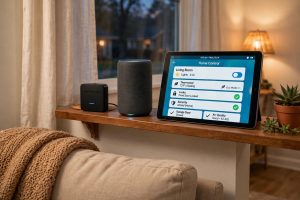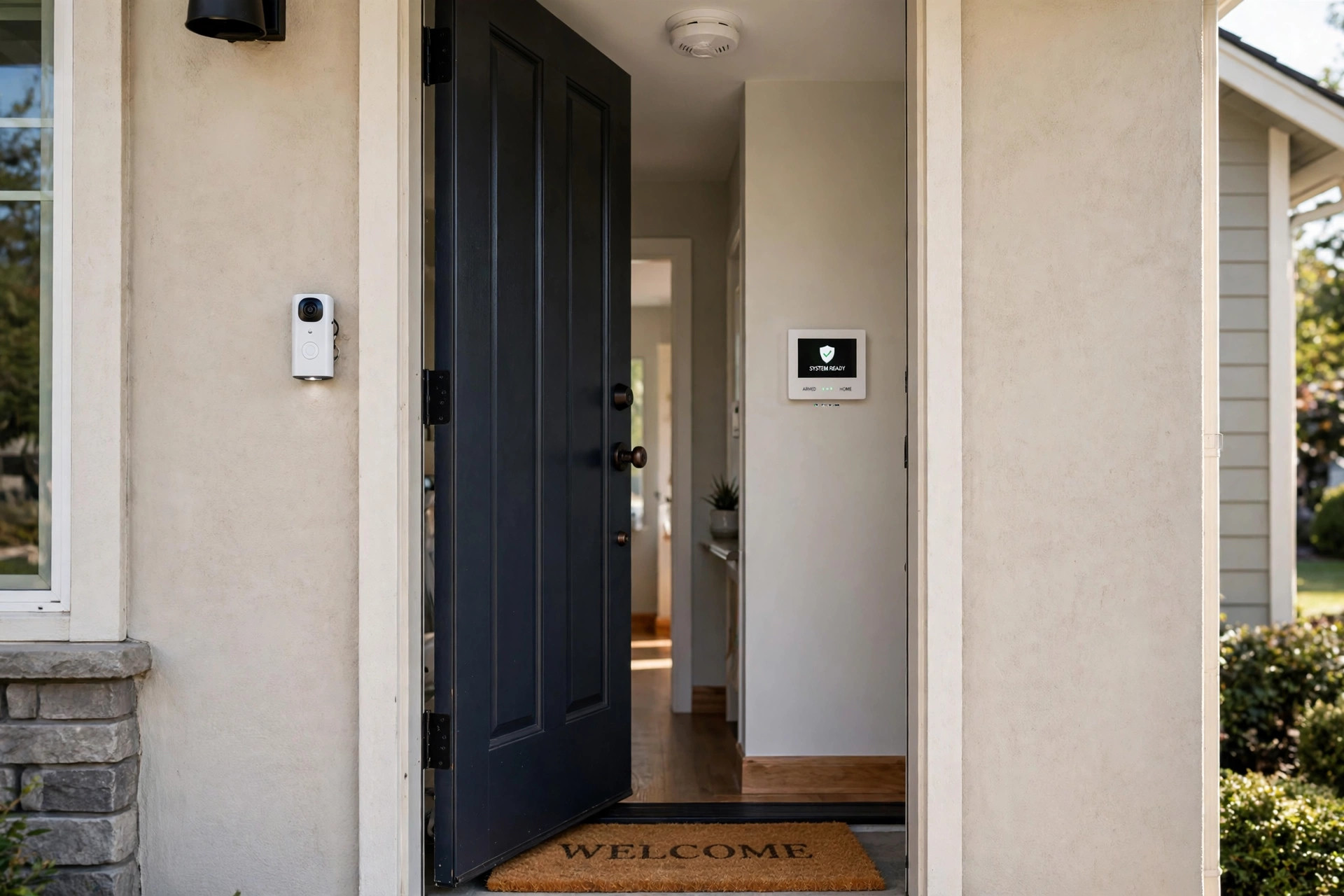

Many American homeowners now ask how smart home insurance discounts explained USA rules work. The idea is simple. Insurance companies charge less when a home is safer. Smart devices can make a home safer. A water sensor can catch a leak early. A smoke alarm can call for help. A burglar alarm can scare off a thief. When these devices are in place, the risk of a claim drops. Insurers often reward that lower risk with a lower premium.
This guide explains the whole picture. It covers what these discounts are, which devices count, and how much money a homeowner can save. It also covers the steps needed to qualify.
Why Smart Home Insurance Discounts Matter
Home insurance is one of the largest yearly bills a homeowner pays. In many states, the average premium runs well over one thousand dollars a year. Even a small discount can save real money over time. A five percent discount on a two thousand dollar policy saves one hundred dollars each year. That adds up.
Smart home insurance discounts matter because they connect two trends. The first trend is the growth of home technology. Cameras, sensors, and alarms have become common and cheap. The second trend is the rise in home claims. Water damage, fire, and theft cost insurers billions of dollars a year. Anything that lowers the number or size of claims helps both sides.
For the homeowner, the discount is a reward for good habits. For the insurer, it is a smart business move. A home with a monitored alarm is less likely to be robbed. A home with water sensors is less likely to suffer a flood. Fewer claims mean lower costs for the company.
These discounts also matter because they push homeowners to protect their homes. Many people put off buying safety devices. The promise of a lower premium gives them a reason to act.
How to Choose Devices That Earn a Discount: Smart Home Insurance Discounts Explained Usa
Not every smart gadget earns a discount. A smart light bulb does not count. A voice speaker does not count. Insurers care about devices that lower risk. The main groups are security devices, fire devices, and water devices.
Security devices include burglar alarms, door and window sensors, motion sensors, and video cameras. Systems that send alerts to a monitoring center carry the most weight.
Fire devices include smoke detectors and carbon monoxide detectors. Smart versions of these alarms can send a phone alert when smoke or gas is found. This matters when no one is home. A fast call to the fire department can limit damage.
Water devices include leak sensors and automatic shut-off valves. Water damage is one of the most common home claims in the country. A small leak under a washing machine can turn into a large bill. A sensor near the water heater can catch trouble early. An automatic valve can shut off the water line by itself. A good smart water leak detector is one of the cheapest ways to earn a discount.
Before buying, a homeowner should call their insurance company. Each company has its own list of approved devices. Each company has its own rules. What earns a discount at one company may not earn one at another.
Types of Smart Home Devices Insurers Reward
Monitored Burglar Alarms
A monitored burglar alarm is the classic discount device. Door sensors, window sensors, and motion detectors connect to a central panel. When the system is armed and a sensor trips, the panel alerts a monitoring center. The center calls the homeowner. If there is no answer, it calls the police.
Insurers trust these systems because they work even when the family is away. The discount for a monitored system is often the largest one available. Some companies offer a discount of ten percent or more. Tech reviewers at The Verge often cover new security systems and how they work.
Video Doorbells and Cameras
Video doorbells let a homeowner see and speak to anyone at the door. Cameras watch the yard, the garage, and the back door. Some insurers count these toward a security discount. Others do not count them on their own. They carry more weight when they are part of a full alarm system.
A Ring video doorbell is a common choice. Reviewers at CNET and PC Magazine test these devices and report on video quality and ease of use. A homeowner should keep the camera aimed at doors and windows.
Smart Smoke and Carbon Monoxide Detectors
A smart smoke detector works like a normal one. It sounds an alarm when it senses smoke. The smart part is the phone alert. It can warn the owner at work or on vacation. Smart carbon monoxide detectors work the same way for a deadly gas that has no smell.
Insurers value these devices because fire claims are very costly. A fast response can mean the difference between a small kitchen fire and a lost home. The best smart smoke detector models connect to a phone and to other smart devices in the house.
Smart Locks
A smart lock lets a homeowner lock and unlock the door from a phone. It can also give each family member a code. The owner can see when the door was opened. Some locks lock the door by themselves when no one is home.
Some insurers count smart locks toward a security discount. Others see them as a bonus rather than a core device. The best smart lock for front door reviews often note that a smart lock works best with a full security system.
Water Leak Sensors and Shut-Off Valves
Water sensors are small discs placed near washing machines, water heaters, and sinks. When water touches the sensor, it sounds an alarm and sends a phone alert. Automatic shut-off valves go one step further. They close the main water line when a leak is found.
These devices are popular with insurers because water claims are so common. A burst pipe in winter can flood a whole floor. A sensor that catches the leak in minutes can save thousands of dollars. This group of devices often earns its own discount, separate from the security discount.
Cost and Price: How Much Can You Save
The size of the discount varies by state, by company, and by device. Most discounts fall between two percent and twenty percent of the home insurance premium. A common range is five to ten percent.
Monitored burglar alarms usually earn the largest discount. Many companies offer five to fifteen percent for a professionally monitored system. Some offer up to twenty percent. Self-monitored systems earn less, often two to five percent.
Water leak sensors and automatic shut-off valves can earn a separate discount of two to five percent. Some companies now offer a special water damage program. In these programs, the insurer gives the homeowner free or cheap sensors. The discount then applies each year.
Smoke and carbon monoxide detectors earn small discounts. Many homes already have them, so the added smart feature may only add one or two percent. Still, every bit helps.
A homeowner should do the math before buying. If the premium is two thousand dollars a year and the discount is ten percent, the yearly saving is two hundred dollars. But the protection itself has value. The homeowner gets both safety and savings.
There is also the cost of the devices. A video doorbell may cost one hundred to two hundred dollars. A set of water sensors may cost under one hundred dollars. These are one-time costs. The discount lasts as long as the devices stay in place.
How to Qualify for the Discount
Qualifying for smart home insurance discounts in the USA takes a few clear steps. Each company has its own process, but the steps below are common.
First, call the insurance company or agent. Ask which smart devices earn a discount. Ask how large the discount is. Ask what proof is needed. Some companies want a receipt. Others want a monitoring contract. A few want a photo of the installed device.
Second, buy and install the devices. For independent buying advice, Consumer Reports rates many home safety devices. Follow the maker’s instructions. For monitored systems, sign the monitoring contract with a provider such as SimpliSafe or ADT. Make sure the system is active and armed. A device that sits in a box earns nothing.
Third, send the proof to the insurer. This may be a form on the company website. It may be an email to the agent. Keep copies of all receipts and contracts.
Fourth, check the new policy. The discount should appear as a line on the policy. If it does not appear, call and ask. Do not assume the discount was applied.
Fifth, keep the devices working. Test them from time to time. Replace batteries. Pay the monitoring bill.
Some companies now work with device makers. For example, a smart home hub from Google Store can connect many devices in one place. A few insurers let homeowners connect their device accounts directly to verify that the devices are working.
Care and Upkeep of Smart Safety Devices
A discount only lasts while the devices work. Smart devices need care like any other home equipment. The good news is that the care is simple.
Test alarms once a month. Most smoke detectors have a test button. Most alarm panels have a test mode. A quick test takes a few minutes. It confirms that the siren sounds and the alert goes out.
Change batteries on time. Many sensors use small batteries that last one to two years. The device or phone app usually warns when the battery is low. Do not ignore the warning. A dead sensor protects nothing.
Keep the software up to date. Smart devices get updates from the maker. Updates fix problems and close security holes. Most devices update by themselves.
Keep cameras clean and aimed well. Wipe the lens with a soft cloth. Make sure plants or snow do not block the view.
Pay attention to alerts. A water sensor alert should never be ignored. Even if it turns out to be a false alarm, the check is worth the time. A fast response is the whole point of the device.
Safety Notes
Smart devices help with safety, but they are not perfect. A homeowner should keep these points in mind.
No device can stop every fire, flood, or theft. Devices lower the chance of a large loss. They do not remove risk. Home insurance is still needed.
Smart devices connect to the home network. A weak network password can let a stranger into the system. Use a strong password on the home Wi-Fi router. Use a different strong password for each device account. Turn on two-step sign-in where it is offered.
Some devices record video and sound. Point cameras at doors and yards, not at a neighbor’s windows. The Consumer Product Safety Commission also gives safety guidance on many home products.
Smoke and carbon monoxide detectors should meet safety standards. Look for marks from known testing labs on the box. Replace any detector that is more than ten years old.
In a real emergency, call for help first. A phone alert is useful, but it does not replace a call to the fire department or the police.
Frequently Asked Questions
Do all insurance companies offer smart home discounts?
No. Many large companies offer them, but not all. Some small local companies do not. The best step is to call the agent and ask. If the current company offers nothing, it may be worth shopping around.
Which single device earns the largest discount?
A professionally monitored burglar alarm usually earns the largest discount. Many companies give five to fifteen percent for such a system. Water shut-off valves are a strong second choice in states where water claims are common.
Do I need professional monitoring to get a discount?
Not always, but it helps. Some companies give a discount for self-monitored systems. The discount is usually smaller. Professional monitoring gives the largest discount because someone watches the system day and night.
Will the discount apply right away?
In most cases, yes. Once the insurer has proof that the devices are installed and working, the discount is added to the policy. It may start on the next billing cycle. A few companies wait until the policy renews.
Can I lose the discount?
Yes. If the monitoring service is canceled, the insurer can remove the discount. If the devices stop working and the company finds out, the discount can go away. Some companies ask for proof once a year that the system is still active.
Do smart home discounts differ by state?
Yes. Insurance rules change from state to state. What is offered in Texas may differ from what is offered in New York. Discounts also depend on local risks. In states with many winter storms, water sensor discounts may be larger.
Final Word
Smart home insurance discounts explained USA rules come down to a simple deal. Safer homes earn lower premiums. Smart devices make homes safer. The homeowner spends a little on devices and gains both protection and yearly savings.
The best path is clear. Call the insurer first. Learn which devices count. Buy devices that fit the home and the budget. Install them well. Send the proof. Then keep the devices working year after year.
A video doorbell at the front door, a smart lock on the deadbolt, water sensors in the laundry room, and a smoke alarm that calls a phone all work together. Each one lowers risk, and each one may lower the bill.
References
ADT. (n.d.). Home security and automation. https://www.adt.com CNET. (n.d.). Technology news and reviews. https://www.cnet.com Consumer Reports. (n.d.). Product reviews and ratings. https://www.consumerreports.org Google Store. (n.d.). Smart home devices. https://store.google.com PCMag. (n.d.). Technology product reviews. https://www.pcmag.com Ring. (n.d.). Smart home security devices. https://www.ring.com SimpliSafe. (n.d.). Home security systems. https://www.simplisafe.com The Verge. (n.d.). Technology news and reviews. https://www.theverge.com U.S. Consumer Product Safety Commission. (n.d.). Product safety information. https://www.cpsc.gov
Was this guide helpful?

About James Carter
The My Garden US editorial team writes practical, in-depth home and garden guides for American homeowners — tested advice, no fluff.
You May Also Like
Whole House Generator Cost Installed 2026 USA: A Plain Guide to Prices
January 3, 2026 0 views
Smart Outdoor Lighting Timer Reviews USA
March 24, 2026 0 views
The Best Motorized Shades for Large Windows in USA Homes
October 1, 2026 0 views