
A Bedroom Floor Worth Thinking About
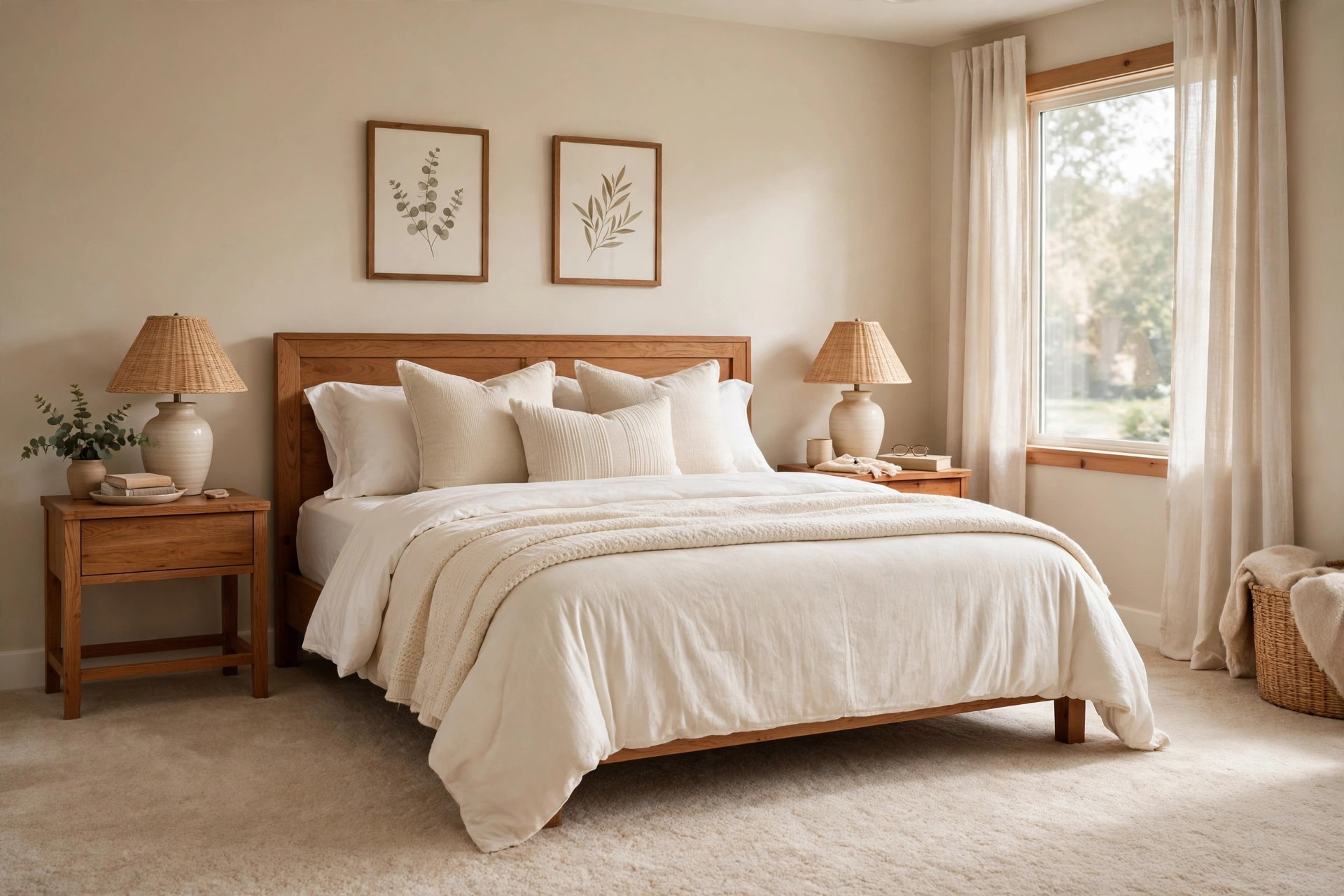
When you weigh wool carpet pros and cons for bedrooms, one thing becomes clear right away. Wool is the oldest carpet fiber known to man, yet it still fits the modern bedroom very well. Your feet meet the floor first thing each morning. The surface should feel warm, soft, and quiet underfoot. Wool can deliver all three of these qualities. Still, wool also carries real drawbacks that you should know before you buy. This guide sets out the wool carpet pros and cons for bedrooms in plain terms. It covers comfort, cost, upkeep, and safety, so you can make a sound choice for your home.
Why Bedroom Flooring Choices Matter: Wool Carpet Pros and Cons for Bedrooms
Most rooms in a house see steady traffic. Bedrooms are different. They see bare feet, low light, and long hours of rest. The floor in a bedroom shapes how the room feels when you wake and when you sleep.
Hard floors can feel cold on winter mornings. They also bounce sound around the room. Carpet softens footsteps and soaks up noise. That matters in a bedroom, where rest is the main business of the room.
Wool carpet has long been a favorite for bedrooms. People prize it for its soft touch and natural look. But it is not the only option, and it is not the cheapest. Before you spend, it helps to look at both sides with clear eyes. Wool suits dry, calm rooms best. For damp or open areas of the house, a different choice makes more sense, as our guide to the best flooring for three season porch USA homes explains.
What to Look for When Choosing Bedroom Carpet
A good bedroom carpet must do three things well. It must feel good under bare feet. It must stay clean with normal care. And it must last through years of use. Shoppers hunting for the best wool carpet for bedrooms should judge each sample on these points before they fall in love with a color.
Pile and Density
Pile is the upright part of the carpet that you walk on. In bedrooms, a medium pile often works best. Very long pile feels plush but traps more dust. Very short pile wears well but can feel thin under bare feet.
Density tells you how tightly the fibers are packed. Denser carpet resists matting and keeps its look longer. Press your thumb into the sample. If you reach the backing easily, the carpet is too thin for a bedroom.
Backing and Padding
The backing holds the carpet together. Good backing stops the carpet from stretching or wrinkling. Padding sits under the carpet and adds comfort. A quality pad can add years to the life of wool carpet.
Wool works best with a firm, dense pad. The pad should be about 7/16 inch thick. Ask your dealer about pads made for wool. Product advice from makers such as Shaw Floors can help you match the pad to the carpet. Some buyers also pair wool area rugs with hard tile floors for a mixed look, and hard-surface makers such as Daltile supply the tile side of that choice.
Types of Wool Carpet for Bedrooms
Wool carpet comes in several styles. Each has its own look and feel.
Cut pile has fibers cut at the top. It looks smooth and even. Saxony and plush are common cut-pile styles. They feel soft and suit calm, formal bedrooms.
Loop pile keeps the fibers in small loops. It feels firm and wears very well. Berber is the best-known loop style. It suits bedrooms that see pets or heavy use.
Cut-and-loop mixes both styles. It creates patterns in the carpet surface. This style hides footprints and vacuum marks well.
Wool itself comes in grades. British wools are sturdy and springy. New Zealand wools are softer and whiter. Many fine carpets blend the two. When you shop, check the label for wool content. A true wool carpet should be at least 80 percent wool. Buying guides at LL Flooring and The Home Depot explain how to read these labels.
The Pros of Wool Carpet in Bedrooms
Wool has clear strengths that make it a classic bedroom choice.
Softness. Wool feels warm and gentle under bare feet. Morning steps across wool are a small daily comfort.
Natural insulation. Wool holds warm air close to the floor. Bedrooms with wool carpet often feel warmer in winter. This can trim heating costs a little.
Quiet. Wool soaks up sound better than most fibers. Footsteps, dropped books, and creaking floors all grow quieter. In upstairs bedrooms, this is a real gift to the rooms below.
Natural look. Wool takes dye richly and holds color well. Its colors look deep and calm. They age gracefully instead of fading fast.
Resilience. Wool fibers have a natural spring. They bounce back after furniture weight and foot traffic. Wool carpet durability in bedrooms is excellent, and a good carpet can keep its shape for 20 years or more.
Soil hiding. The fiber surface is slightly scaly. This hides dust and light soil between cleanings. Bedrooms often look tidier on wool.
Low static. Wool builds up almost no static charge. You will not get shocks on dry winter nights.
Many homeowners also value that wool is a natural, renewable fiber. If that matters to you, wool stands apart from man-made fibers.
The Cons of Wool Carpet in Bedrooms
Wool also has real drawbacks. An honest account of wool vs synthetic carpet bedrooms debates must name them.
High cost. Wool carpet costs more than most man-made carpet. Expect to pay two to three times the price of nylon. The pad and skilled labor add more.
Stains. Wool loves water-based dyes. That is good for color, but bad for spills. Red wine, coffee, and fruit juice can mark wool for good if you do not act fast. Bedrooms see fewer spills than kitchens, but they are not spill-free.
Fading in sun. Strong sun can fade wool over time. Bedrooms with big south-facing windows need curtains or blinds to guard the carpet.
Moths and insects. Wool is an animal fiber. Clothes moths and carpet beetles can eat it. This is rare in clean homes, but it is a real risk in dark closets and under beds.
Shedding. New wool carpet sheds loose fibers for some months. You will vacuum more at first. The shedding does fade with time.
Cleaning limits. Wool dislikes harsh chemicals and strong alkali cleaners. You must use cleaners made for wool. Steam cleaning needs care, since too much heat and water can shrink the carpet.
Weight. Wool carpet is heavy. Moving furniture on it takes effort. Rearranging the room is harder than on lighter carpet.
Price comparisons at retailers like Lowe’s make the cost gap plain. You pay for quality, but the bill is real. If the budget will not stretch, our bamboo flooring reviews for USA homes cover a lower-cost natural option.
Cost and Price
Wool carpet for a bedroom is a mid-to-high range purchase. Material prices often run from $5 to $12 per square foot. High-end weaves can cost more.
A 12-by-14-foot bedroom covers about 168 square feet. At $8 per square foot, the carpet alone costs about $1,344. Add padding at $1 to $2 per square foot. Add labor at $1 to $3 per square foot. The full job often lands between $1,800 and $2,800 for one bedroom.
Nylon carpet for the same room might cost half as much. That gap is the main reason many buyers pause. Wool buyers pay more up front and expect a longer life in return. For a closer look at how carpets are priced, see the buying guides at Bob Vila and This Old House.
Care and Upkeep
Wool carpet asks for steady, gentle care. Give it that, and it will serve you well for decades.
Vacuum once or twice a week. Use a suction-only vacuum or turn off the beater bar. Strong beater bars can pull wool fibers loose.
Blot spills at once. Never rub a spill, since rubbing drives it deeper. Use a clean white cloth and plain water first. Keep a wool-safe spot cleaner on hand.
Have the carpet cleaned by a professional every 12 to 18 months. Tell the cleaner the carpet is wool. Hot-water extraction is fine when done right, but the cleaner must control heat and moisture.
Rotate small rugs and shift furniture now and then. This spreads wear evenly. Keep bedroom humidity steady. Very dry air can make wool brittle. For spill-prone spots elsewhere in the house, our guide to the best kitchen runner rug washable USA options shows how washable rugs handle the mess instead.
Simple routines like these appear in many home care guides, including those at The Spruce and Family Handyman.
Safety
Wool is one of the safer carpet fibers you can put in a bedroom.
Wool resists flame naturally. It chars instead of melting. It often puts itself out when the flame source is removed. Man-made fibers can melt and spread fire faster. In a bedroom, where escape time matters, this is worth noting.
Wool also traps dust in its fibers instead of letting it float. Regular vacuuming keeps the air clean. People with dust mite concerns should still vacuum often and wash bedding in hot water.
One caution: wool carpet must be installed over safe padding with no loose edges. Rugs laid on top of carpet can slip. Tape them down or use a non-slip pad.
If fire safety is a top concern, check the carpet’s fire rating with the dealer. Resources from makers like Mohawk Flooring list ratings for their lines.
Frequently Asked Questions
Is wool carpet good for bedrooms? Yes, for most people. It is soft, warm, quiet, and long-lasting. The main barriers are price and stain care. If those fit your life, wool is an excellent bedroom carpet.
How long does wool carpet last in a bedroom? A quality wool carpet often lasts 15 to 25 years in a bedroom. Bedrooms see less traffic than halls or stairs, so wool wears very well there.
Does wool carpet work for allergy sufferers? It can. Wool holds dust in its fibers rather than releasing it into the air. Frequent vacuuming with a good filter keeps dust down. Talk to your doctor if allergies are severe.
Can you put wool carpet in a kid’s bedroom? You can, but weigh the risks. Kids spill more. Wool stains can be hard to remove. A loop-pile wool or a wool blend may handle a child’s room better than plush wool.
Is wool carpet better than nylon for bedrooms? Wool wins on feel, quiet, and natural flame resistance. Nylon wins on price and stain resistance. Your budget and habits should decide.
Does wool carpet need special padding? Wool does best with a dense, firm pad made for natural fibers. Avoid very soft foam pads, which let wool stretch. Your installer can recommend the right type.
A Final Word
Wool carpet pros and cons for bedrooms come down to a simple trade. You pay more and care for it gently. In return, you get warmth, quiet, and comfort that few fibers can match. For many bedroom owners, that trade is well worth it.
References
Bob Vila. (n.d.). Home improvement advice. https://www.bobvila.com Daltile. (n.d.). Ceramic and porcelain tile. https://www.daltile.com Family Handyman. (n.d.). DIY home repair and maintenance. https://www.familyhandyman.com LL Flooring. (n.d.). Hardwood, vinyl, and tile flooring. https://www.llflooring.com Lowe’s. (n.d.). Home improvement products. https://www.lowes.com Mohawk Flooring. (n.d.). Flooring products. https://www.mohawkflooring.com Shaw Floors. (n.d.). Flooring products. https://www.shawfloors.com The Home Depot. (n.d.). Home improvement products. https://www.homedepot.com The Spruce. (n.d.). Home and garden advice. https://www.thespruce.com This Old House. (n.d.). Home renovation guidance. https://www.thisoldhouse.com
Was this guide helpful?

About Jennifer Lee
The My Garden US editorial team writes practical, in-depth home and garden guides for American homeowners — tested advice, no fluff.
You May Also Like

Home Gym Flooring Over Concrete: Reviews and Tips from USA Homeowners
July 31, 2026 0 views
Flagstone Patio Installation Cost Near Me: A Homeowner’s Guide
July 25, 2026 0 views
Durable Flooring for Rental Properties in the USA: A Landlord’s Guide
January 22, 2026 0 views