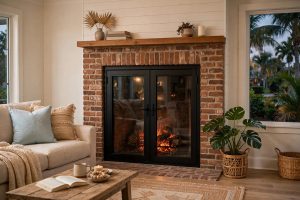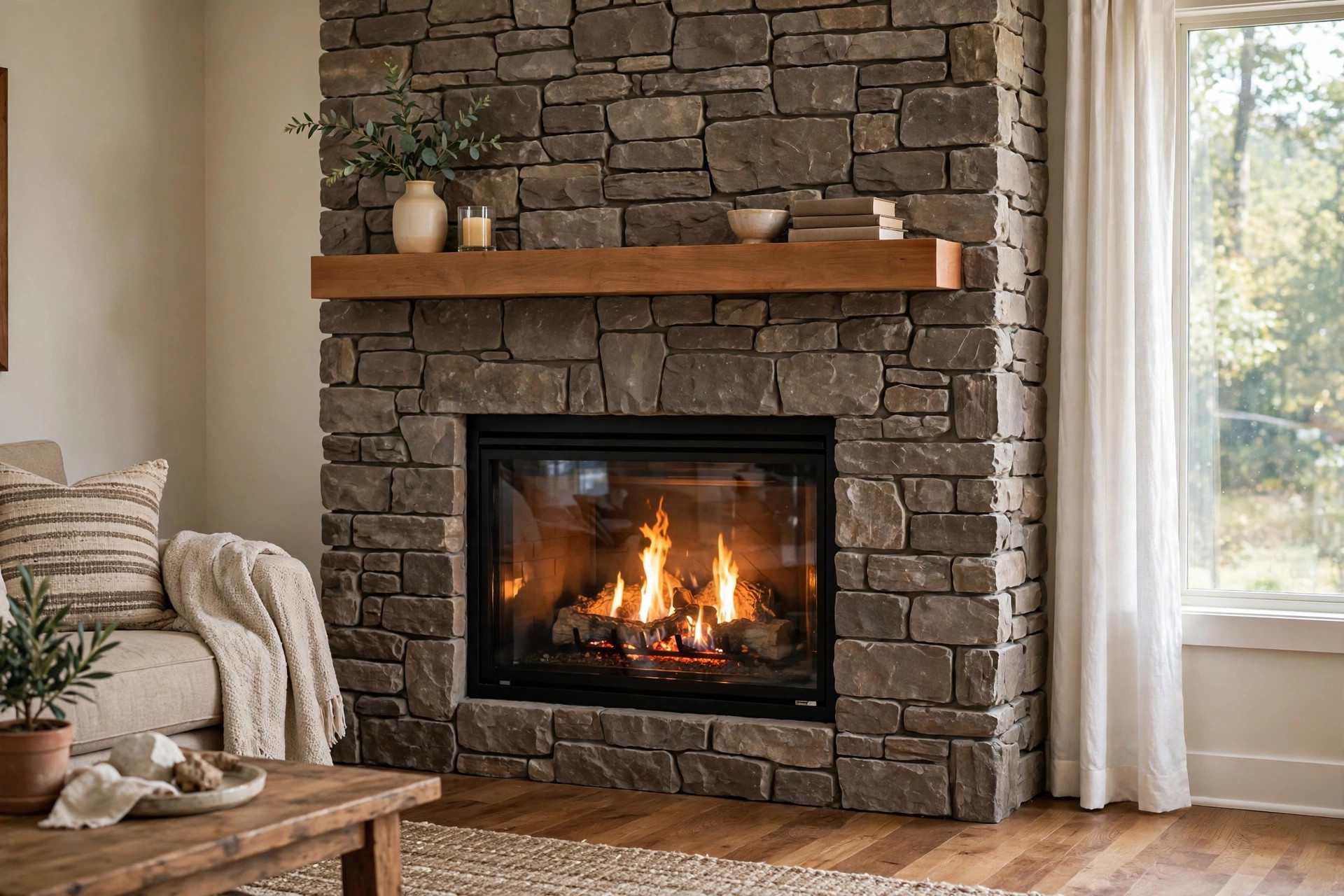

Putting a fireplace in your home is a big job. It is also a big expense. Many home owners want to know the price before they call a service. This fireplace installation services cost guide usa will help you. It covers average prices across the country. It shows what makes the price go up or down. It also gives tips on how to pick a good installer.
Why a Cost Guide Matters
A fireplace is not like a new lamp or a new door. You cannot guess the price from a quick look. The job touches gas lines, flues, walls, and permits. A high efficiency gas log set may cost a few hundred dollars on its own. The full install can run into thousands.
When you know the price ranges, you can plan. You can save enough money. You can also spot a quote that is too low or too high. A quote that is far too low may mean poor work. A quote that is far too high may mean you are paying for extras you do not need. A cost guide keeps you in control.
What Drives the Price: Fireplace Installation Services Cost Guide Usa
Several factors shape the final bill. The first is the type of fireplace. Wood, gas, pellet, and electric units all sit in different price bands. The second factor is the state of your home. A home that already has a chimney is cheaper to fit than one that needs a whole new flue. A direct vent unit through an outside wall is simpler than a full masonry build.
Labor is a third factor. Rates change by state and by city. Big cities on the coasts often charge more per hour than small towns in the Midwest. Permits add a fourth cost. Most towns want a permit for any work that touches gas or a chimney. The permit fee is usually small, but it is still part of the bill.
A fourth related cost is finish work. The firebox goes in first. Then you need stone, tile, or a mantel around it. A simple electric fireplace mantel kit costs far less than a full stone surround built by a mason. The last factor is the service you hire. Big firms may charge more but offer strong warranties. A small local crew may be cheaper but slower to book.
Do not forget hauling and cleanup. Old fireboxes and bricks must leave the site. Some bids add a disposal fee of 100 to 400 dollars. Ask if this is in the quote. Also ask about travel fees. Crews that drive far may add a trip charge. These small lines can add up, so read every quote in full.
Types of Fireplaces and Their Typical Cost
Electric units are the cheapest to install. They need no vent and no gas line. Most cost between 200 and 2,000 dollars for the unit, with install adding a few hundred more. They suit apartments and rooms with no chimney. They give heat and the look of flame with little fuss.
Gas fireplaces sit in the middle. The unit often runs from 1,500 to 5,000 dollars. Install can add 2,000 to 5,000 more, since a gas line and a vent must be run. Direct vent gas units are common in new homes. They pull air from outside and send smoke out through the same pipe. They are safe and clean.
Wood burning units cost more to install. The firebox itself may run 1,000 to 4,000 dollars. A full install with a new chimney can reach 7,000 to 15,000 dollars. Wood units give real heat and real sound. They need a safe flue and a strong hearth. Pellet stoves are a middle ground. They burn small wood pellets and vent through a small pipe. They often cost 2,000 to 6,000 dollars all in.
How to Choose an Installation Service
Start with a license. Any firm that runs gas lines must hold the right license in your state. Ask to see it. Ask for proof of insurance too. If a worker is hurt on your land, insurance protects you. A fireplace installation guide from a trusted home source can tell you what questions to ask.
Get three written quotes. Each quote should list the unit, the labor, the vent work, the gas work, the finish, and the permits. This lets you compare like with like. A quote that is just one number tells you nothing. Check unit prices at stores like Lowe’s so you know what the parts should cost.
Check reviews from past buyers. Look for firms that have done your exact type of unit. A firm that only does electric units may not be the best pick for a masonry wood build. Ask for a start date and a finish date in writing. Good crews are busy in fall, so plan ahead.
Cost and Price Ranges by Job Type
Here is a simple view of national averages. These are rough guides, not promises. Local labor rates move the numbers up or down.
A basic electric insert install runs about 500 to 1,500 dollars all in. A vent free gas log set in an old wood box costs about 1,500 to 3,500 dollars. A new direct vent gas fireplace with a short vent run costs about 4,000 to 8,000 dollars. A wood burning insert fitted into an old open hearth costs about 4,000 to 9,000 dollars.
A full new wood fireplace with a chimney often runs 10,000 to 20,000 dollars. A pellet stove install is often 2,500 to 6,500 dollars. Extra work adds to these bands. Running a long gas line across the house can add 500 to 2,000 dollars. Building a stone surround can add 2,000 to 8,000 dollars. Chimney repair found during the job can add more.
Best Time to Book an Installer
The season changes the price and the wait. Fall is the busy season. Everyone wants the job done before the first cold night. Good crews book up fast, and prices often peak. Spring and summer are better. Crews have open weeks. You may get a lower bid. The work can go on with no rush.
If you must book in fall, start early. Call in late August. Get the quote in writing. Order the unit soon, since some models take weeks to ship. A little planning saves money and stress.
Permits and Inspections
Most towns want a permit before you start. The installer often pulls the permit for you. The fee may be 50 to 500 dollars. An inspector then checks the work. This step protects you. Bad flue work can let smoke or carbon monoxide into the home. The Environmental Protection Agency sets rules on wood stove emissions, so new wood units must meet clean burn standards.
Gas work needs a pressure test in many areas. The inspector signs off only when the line holds. Keep the signed permit with your house papers. It helps when you sell the home. It shows the work was done right.
Care and Upkeep After Install
A fireplace needs care each year. Wood units need the flue swept before the cold season. A pro sweep often costs 150 to 300 dollars. Gas units need a yearly service too. The tech checks the burner, the pilot, and the glass. This visit often runs 100 to 250 dollars.
Keep the area around the unit clear. Do not store wood or paper near the firebox. Change the batteries in your smoke and carbon monoxide alarms twice a year. Small habits keep the big investment safe. A chimney care guide can walk you through seasonal tasks.
For wood units, burn only dry, split wood. Green wood makes more soot and more smoke. Store your wood off the ground and under cover. A cord of dry hardwood gives far more heat than a cord of wet wood. Clean the glass on gas units with a cloth made for fireplace glass. Do not use oven cleaner on it. Check the batteries in the remote each fall. Many service calls in winter are just dead remote batteries.
Safety You Must Know
Fire is useful but it is never fully safe. Keep a fire screen or glass doors closed while the fire burns. Never leave a wood fire alone. Never burn treated wood, painted wood, or trash. These give off bad smoke and can harm the flue.
Install a carbon monoxide alarm on each floor. Gas units are safe when fitted right, but a blocked vent can still send fumes inside. If you smell gas, leave the house and call the gas firm from outside. Do not flip switches or light matches. Your family should know the plan before the first fire is lit.
Frequently Asked Questions
How long does a fireplace install take?
A simple electric or gas log job can take one day. A direct vent gas fireplace often takes two to four days. A full new wood build with a chimney can take one to three weeks. The crew size and the weather play a part.
Do I need a permit for a gas fireplace?
In most towns, yes. Gas line work needs a permit and an inspection. Some towns also want a permit for electric units. Your installer should know the local rules. A home improvement reference can help you learn the basics in your state.
Can I install a fireplace myself?
You can set an electric unit in place yourself. Gas and wood units are another story. Gas work needs a licensed tech in most states. Wood flues must meet strict fire codes. A bad job can burn your house down or void your insurance. Leave these jobs to pros.
What is the cheapest fireplace to install?
Electric units are the cheapest. They need no vent and no gas line. Many home owners fit them in a single afternoon. They cost the least to run in mild weather, though they give less heat than gas or wood.
How often should a chimney be cleaned?
Have it checked each year and cleaned when the soot layer grows thick. The national fire safety code calls for cleaning when creosote builds up to one eighth of an inch. Heavy wood users may need a sweep twice a year.
Will a fireplace raise my home value?
A good fireplace can help a sale, most often in cold states. It does not pay back its full cost at resale. Treat it as comfort first and value second. A well kept unit with papers for the install shows buyers that the work was done right.
Should I convert my wood fireplace to gas?
Many owners do this to cut mess and upkeep. A gas insert fits inside the old firebox. It often costs 2,000 to 5,000 dollars all in. You get easy heat with a flip of a switch. You lose the real wood smell and sound. The choice is yours.
A Short Final Word
A fireplace is a joy in winter. It is also a real project with real costs. Use this fireplace installation services cost guide usa to set your budget. Learn the price bands. Get three quotes. Check licenses and insurance. If you are weighing fuel types, compare a wood burning fireplace insert with gas options before you decide. Brands such as Napoleon and Heatilator offer many models across price bands, and guides on wood burning inserts for Texas homes can help if you live in a warm state. Plan the work in spring or summer to beat the fall rush. Then enjoy the first fire with peace of mind.
References
Family Handyman. (n.d.). DIY home repair and maintenance. https://www.familyhandyman.com Heatilator. (n.d.). Fireplaces and fireplace products. https://www.heatilator.com Lowe’s. (n.d.). Home improvement products. https://www.lowes.com Napoleon. (n.d.). Fireplaces, grills, and heating products. https://www.napoleon.com The Home Depot. (n.d.). Home improvement products. https://www.homedepot.com The Spruce. (n.d.). Home and garden advice. https://www.thespruce.com This Old House. (n.d.). Home renovation guidance. https://www.thisoldhouse.com U.S. Environmental Protection Agency. (n.d.). Protecting human health and the environment. https://www.epa.gov
Was this guide helpful?

About Robert Taylor
The My Garden US editorial team writes practical, in-depth home and garden guides for American homeowners — tested advice, no fluff.
You May Also Like
Top Rated Stone Fireplace Surrounds for Midwest Homes
September 9, 2026 0 views
Affordable Fireplace TV Stands for Sale: A Practical Buyer’s Guide
September 30, 2026 0 views
High Efficiency Fireplace Remote Controls with Free Shipping: A Full Buying Guide
July 19, 2026 0 views