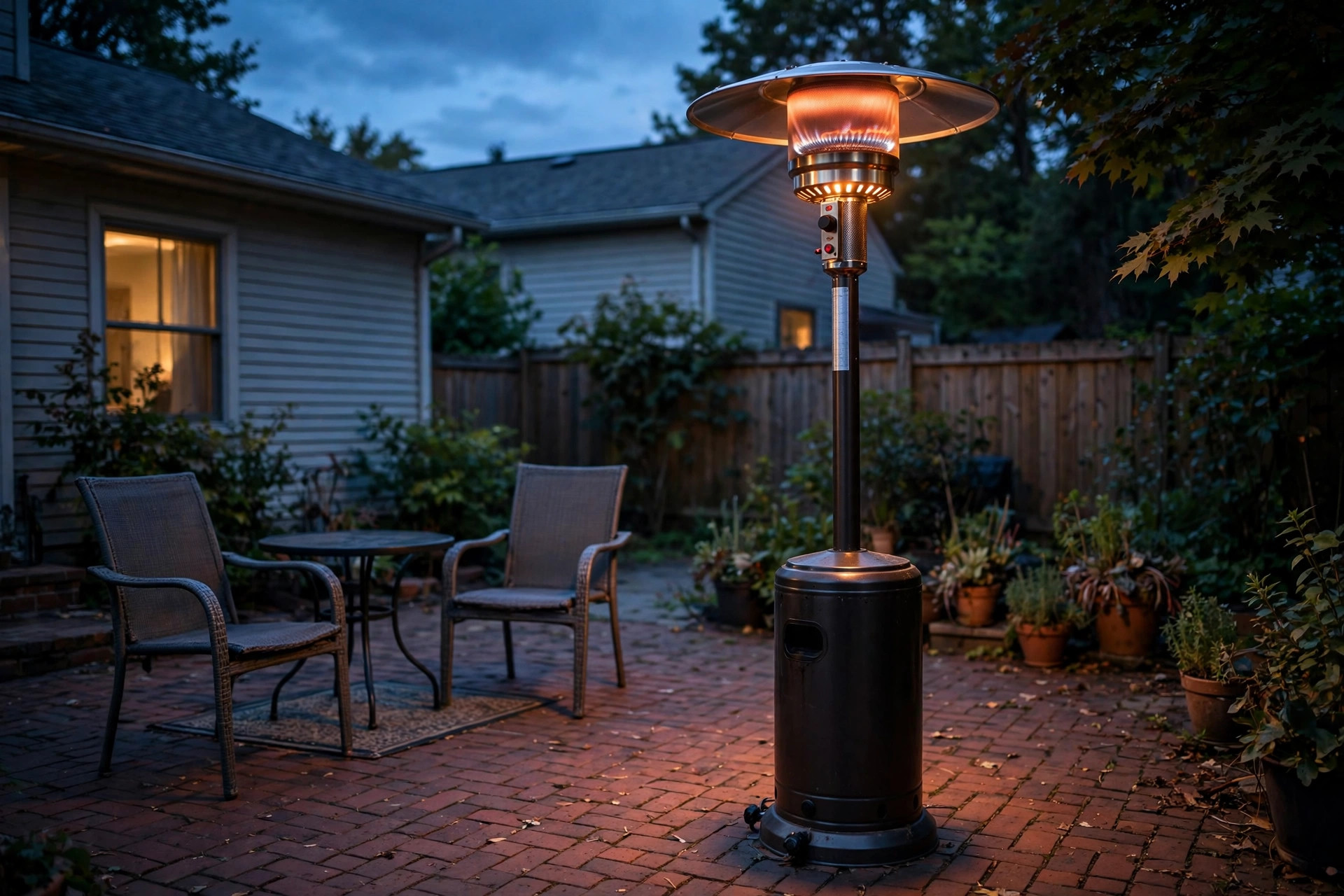

When the air turns cold, the patio does not have to sit empty. Affordable outdoor patio heaters for sale make it possible to use an outdoor space well into autumn, and sometimes through winter. These heaters warm the seating area around them, so a family dinner or a quiet evening outside stays comfortable. A good heater does not have to cost a fortune. Budget models from trusted brands give real warmth at prices most families can afford. This guide explains what to look for, how much to spend, and how to stay safe while using one.
Why a Patio Heater Matters
An outdoor living space is an investment. A deck, a patio, or a porch adds value to a home and gives the family room to breathe. But in many parts of the country, cold evenings cut the season short. A patio heater pushes that boundary back by weeks or even months. It turns a space that sat unused into a place where people gather. Morning coffee on the patio becomes pleasant again. An evening talk with a neighbor lasts longer.
Heaters also protect outdoor plans. A birthday party or a small cookout does not have to end when the sun goes down. With one or two heaters, guests stay warm and the party goes on. For people who work from home, a heated patio can become a fresh-air office on mild days. The cost of the heater is small compared to the use it unlocks.
Budget heaters have improved a great deal over the years. Older cheap models were weak and broke fast. Today, even low-priced units use steady burners, safer valves, and better reflectors. Guides at This Old House note that modern patio heaters are more efficient than the units of the past. A buyer no longer has to choose between a low price and decent quality.
How to Choose the Right Heater: Affordable Outdoor Patio Heaters for Sale
Choosing a heater starts with the space itself. Measure the patio or deck. A heater warms the area near it, not the whole yard. For a small seating set, one heater is enough. For a large deck, two or three may be needed. Most heaters list their heating range in the manual. Read that number before buying.
Wind matters too. An open, windy yard pushes warm air away fast. A sheltered corner or a wall behind the heater helps hold the heat. If the patio sits on a hill or near the water, expect to need a stronger unit.
Size and Heating Power
Heating power is measured in BTUs for gas heaters and in watts for electric ones. A typical propane mushroom heater gives about 40,000 BTUs. That warms a circle about 15 to 20 feet wide. A tabletop model gives 10,000 to 12,000 BTUs, enough for one table. Electric models often run 1,500 watts, which is the limit of a normal household outlet. They warm a smaller zone, usually 8 to 12 feet.
Bigger is not always better. An oversized heater in a tiny space wastes fuel and feels too hot up close. Match the power to the space. For most home patios, a mid-size unit is the sweet spot.
Fuel Type
The three common fuels are propane, natural gas, and electricity. Each has trade-offs. Propane is the most popular for portable heaters. A 20-pound tank sits inside the base of a standing unit. It is easy to swap at a hardware store. Natural gas costs less per hour of heat, but it needs a fixed gas line. That means a plumber must install it. Electric heaters are simple to use. Plug one in and it works. But they cost more to run for long evenings, and they need an outlet nearby.
Think about how often the heater will run. For daily use, a fixed natural gas line may pay for itself. For weekend use, propane is simpler. For a small balcony or a covered porch, electric is often the safest choice. Reviews at The Spruce compare these fuel types side by side and help buyers see the real running costs.
Types of Affordable Outdoor Patio Heaters
Shoppers will find four main types among affordable outdoor patio heaters for sale. Each suits a different space and budget.
Propane Mushroom Heaters
The tall standing heater with a round metal hood is the classic patio heater. It stands about seven feet tall. The hood spreads heat down and out in a wide circle. These models cost between 100 and 250 dollars. They are the best choice for open patios and large seating areas. The tank hides in the base, and many models have wheels for easy moving.
Electric Infrared Heaters
Infrared heaters mount on a wall, a post, or a ceiling. They shine heat in one direction, like a warm lamp. They cost between 60 and 180 dollars. They are silent, odorless, and need no fuel tank. They work well under a covered porch or a pergola. One drawback is the small heat zone. Place the seating close to the heater for the best effect. Because they use only electricity, they are a clean option for homes that want to avoid gas. The U.S. Environmental Protection Agency sets standards for many home heating products, and electric units produce no local emissions at all.
Natural Gas Heaters
Natural gas heaters hook into the home’s gas line. They cost 150 to 400 dollars, plus the cost of the line. Once installed, they run for pennies per hour. They never run out of fuel in the middle of a party. They are fixed in place, so they suit a patio that will not be rearranged. Many makers, including brands such as Napoleon, build outdoor gas heating lines that pair with their fire features.
Tabletop Heaters
Tabletop heaters are small propane units that sit on a patio table. They cost 50 to 120 dollars. They warm the people sitting right at the table. They are light and easy to store. They are a fine pick for a couple who eat dinner outside often. They are not enough for a whole deck.
Cost and Price
Affordable models start around 50 dollars for a tabletop unit. Mid-range standing heaters cost 120 to 200 dollars. Premium budget models with better steel and longer warranties reach 250 to 300 dollars. Big retailers like Lowe’s and The Home Depot carry wide selections at each price point, and their sites show outdoor patio heater prices with customer ratings.
The heater is not the only cost. A propane tank costs about 30 to 50 dollars if the buyer does not already own one. Refills cost about 15 to 25 dollars. A full tank lasts 8 to 10 hours on high heat. Electric models add a few dollars to the power bill for each long evening. Natural gas installation can add 200 to 500 dollars, though the fuel itself is cheap.
A simple way to judge value is to divide the price by the hours of use. A 150-dollar heater used fifty evenings a year costs three dollars per evening in the first year. That is less than the price of a restaurant dessert. Most heaters last three to five years with basic care, so the long-term cost is low.
Care and Upkeep
A patio heater lasts longer when it gets basic care. After each use, let it cool before touching it. Wipe the reflector hood with a soft cloth. Dust and ash reduce the heat that reaches the seating area. Check the burner ports now and then. Spiders and insects like to nest in them over winter. A clogged port causes weak, uneven flames.
Cover the heater when it is not in use. Rain and snow cause rust. Most brands sell fitted covers for 20 to 40 dollars. A cover is one of the cheapest ways to protect the investment. Store tabletop and portable units indoors during the off season if space allows.
For gas models, check the hose and connections once a year. Look for cracks or wear. The familyhandyman site, Family Handyman, gives step-by-step maintenance tips for gas outdoor equipment that any homeowner can follow. Replace worn parts before they fail. A gas leak is no small matter, so do not skip this check.
Electric models need little care. Keep the heating element clean and dry. Do not use a garden hose on an electric heater. If the cord looks frayed, stop using the unit until the cord is replaced.
When the indoor fireplace also needs attention, topics like ventless fireplace dampers for Midwest homes and tile fireplace surrounds reviews and buying guide offer useful background for the whole heating picture. And for storing wood for an indoor fire, best firewood storage racks for California apartments covers compact options.
Safety First
A patio heater is a heating device, not a toy. Follow the manual. Keep the heater at least three feet from walls, railings, and hanging plants. Never place it under a low awning or a canvas umbrella unless the manual says it is safe. The top of a tall heater gets very hot.
Keep children and pets away from the hot surfaces. A curious child can get a bad burn in seconds. Set the heater where foot traffic will not bump into it. On a windy night, turn the heater off. Wind can tip a light unit or blow the flame in strange directions. Most modern heaters have a tilt switch that shuts off the gas if the unit falls. Test that this switch works each season.
For propane models, never change a tank near an open flame. Turn the valve off first. Check for leaks with soapy water on the connections. Bubbles mean a leak. If there is a leak, move away and call for help. Do not try to light the heater.
Never use an outdoor heater indoors or in a closed garage. Gas heaters give off carbon monoxide. Even electric models are not rated for wet indoor use. The heater belongs outside, in the open air it was built for. Brands such as Heatilator print clear outdoor-only warnings in their manuals, and buyers should read those warnings before the first use.
Frequently Asked Questions
How much does it cost to run a propane patio heater?
A 20-pound tank costs about 15 to 25 dollars to refill. It lasts 8 to 10 hours on the highest setting. That works out to about two to three dollars per hour. On a lower setting, the tank lasts longer and the hourly cost drops.
Can a patio heater stay outside in the rain?
It can, but it will not last as long. Rain speeds up rust on the steel body and the burner. A fitted cover helps a great deal. In heavy weather, roll the heater into a shed or garage. Always let it cool first.
Are electric patio heaters cheaper to run?
Electric models are cheap to buy and simple to use. But electricity costs more per unit of heat than propane or natural gas. For short sessions, the difference is small. For whole evenings, gas is usually cheaper.
How far should seating be from the heater?
Place chairs about five to eight feet from a standing heater. That puts people inside the warm zone without the harsh heat of standing too close. Tabletop units need only three to four feet.
Do patio heaters work in very cold weather?
They work, but they warm a smaller area. Below freezing, the air pulls heat away fast. A heater that covers 20 feet in mild weather may cover only 10 feet in deep cold. In very cold climates, a heater extends the season but does not replace an indoor room.
What is the safest type of patio heater?
Electric infrared heaters have no open flame and no fuel to leak. They are the safest choice for small, covered spaces. For open patios, a propane unit with a tilt shut-off switch is safe when the manual is followed. Keep every type away from anything that can burn.
A Final Word
Affordable outdoor patio heaters for sale give families more months on the patio for a modest price. Pick the right size, choose a fuel that fits the space, and buy from a brand with a solid warranty. Give the heater simple care, cover it in bad weather, and follow the safety rules in the manual. Do those things, and a cool evening becomes one of the best parts of the day.
References
Family Handyman. (n.d.). DIY home repair and maintenance. https://www.familyhandyman.com Heatilator. (n.d.). Fireplaces and fireplace products. https://www.heatilator.com Lowe’s. (n.d.). Home improvement products. https://www.lowes.com Napoleon. (n.d.). Fireplaces, grills, and heating products. https://www.napoleon.com The Home Depot. (n.d.). Home improvement products. https://www.homedepot.com The Spruce. (n.d.). Home and garden advice. https://www.thespruce.com This Old House. (n.d.). Home renovation guidance. https://www.thisoldhouse.com U.S. Environmental Protection Agency. (n.d.). Protecting human health and the environment. https://www.epa.gov
Was this guide helpful?

About Sarah Mitchell
The My Garden US editorial team writes practical, in-depth home and garden guides for American homeowners — tested advice, no fluff.
You May Also Like
Fireplace Screens with Doors: A Price Comparison for American Homes
May 1, 2026 0 views
Tile Fireplace Surrounds Price Comparison USA: A Homeowner’s Guide
April 15, 2026 0 views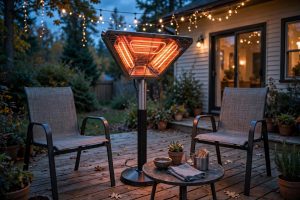
Affordable Infrared Outdoor Heaters Buying Guide
April 3, 2026 0 views