
If you heat with wood, you need epa certified chimney inspection services for homeowners. These services check your chimney, flue, and stove for damage and buildup. They also confirm that your system meets current EPA emission standards. A sound chimney lowers the risk of fire. It also helps your stove burn cleaner and waste less wood. This guide explains what a chimney inspection covers, what it costs, and how to choose the right company.
Why a Chimney Inspection Matters
Every time you burn wood, smoke travels up the chimney. The smoke leaves a sticky residue called creosote on the flue walls. Over time, this residue builds up in layers. If it gets thick enough, a hot spark can set it on fire. A chimney fire burns very hot and can spread to the roof or the walls of the home.
A damaged flue is another danger. Cracks in the flue liner let heat and gases pass into parts of the house where they do not belong. Carbon monoxide can leak through these cracks. This gas has no color and no smell, so you cannot detect it without an alarm. An annual inspection finds these problems before they turn into a crisis.
The EPA sets rules for wood stoves and fireplace inserts. New stoves must meet strict limits on smoke and particles. An inspection checks that your stove still meets these rules after years of use. Old stoves that no longer meet the standard can be replaced with cleaner models. The Environmental Protection Agency publishes guidance on burning wood in a clean and safe way.
Insurance companies also care about chimneys. Many policies ask for proof of a recent inspection before they pay a claim for a chimney fire. A written report from a trained inspector serves as that proof. It protects both your home and your wallet.
What to Look for When You Choose a Service: Epa Certified Chimney Inspection Services for Homeowners
Not every company that sweeps chimneys is right for an EPA-level inspection. Use the checklist below to pick a service you can trust.
Training and Certification
Ask the company about the training of its technicians. Many trained sweeps earn certification from the Chimney Safety Institute of America. This group trains sweeps to inspect and clean chimneys to a national standard. Technicians should also know EPA rules for wood stoves and inserts. A good inspector can tell you whether your stove meets current emission limits. If your stove is too old, the inspector should explain your options. A wood stove buying guide from a maker can show what modern EPA-rated models offer.
Insurance and References
Ask the company to show proof of liability insurance. A technician works on your roof and near your chimney. If something goes wrong, insurance protects you. Ask for two or three references from past customers. A steady company will be glad to share them.
A Written Report
A proper inspection ends with a written report. The report should list every part that was checked. It should note the condition of the flue liner, the chimney cap, the flashing, and the stove itself. It should also list any repairs that are needed, in order of priority. A verbal promise is not enough. You need paper you can keep with your home records.
Types of Chimney Inspections
The national standard defines three levels of inspection. The right level depends on the age and history of your chimney.
Level 1: The Annual Check
A Level 1 inspection is the basic yearly check. The technician looks at the parts that are easy to reach. This includes the firebox, the damper, the flue opening, and the outside of the chimney. The technician checks for creosote buildup and clear blockages. Most homes with no changes need only this level each year. Home repair experts note that a Level 1 check is the normal starting point for a working fireplace (This Old House).
Level 2: The Detailed Look
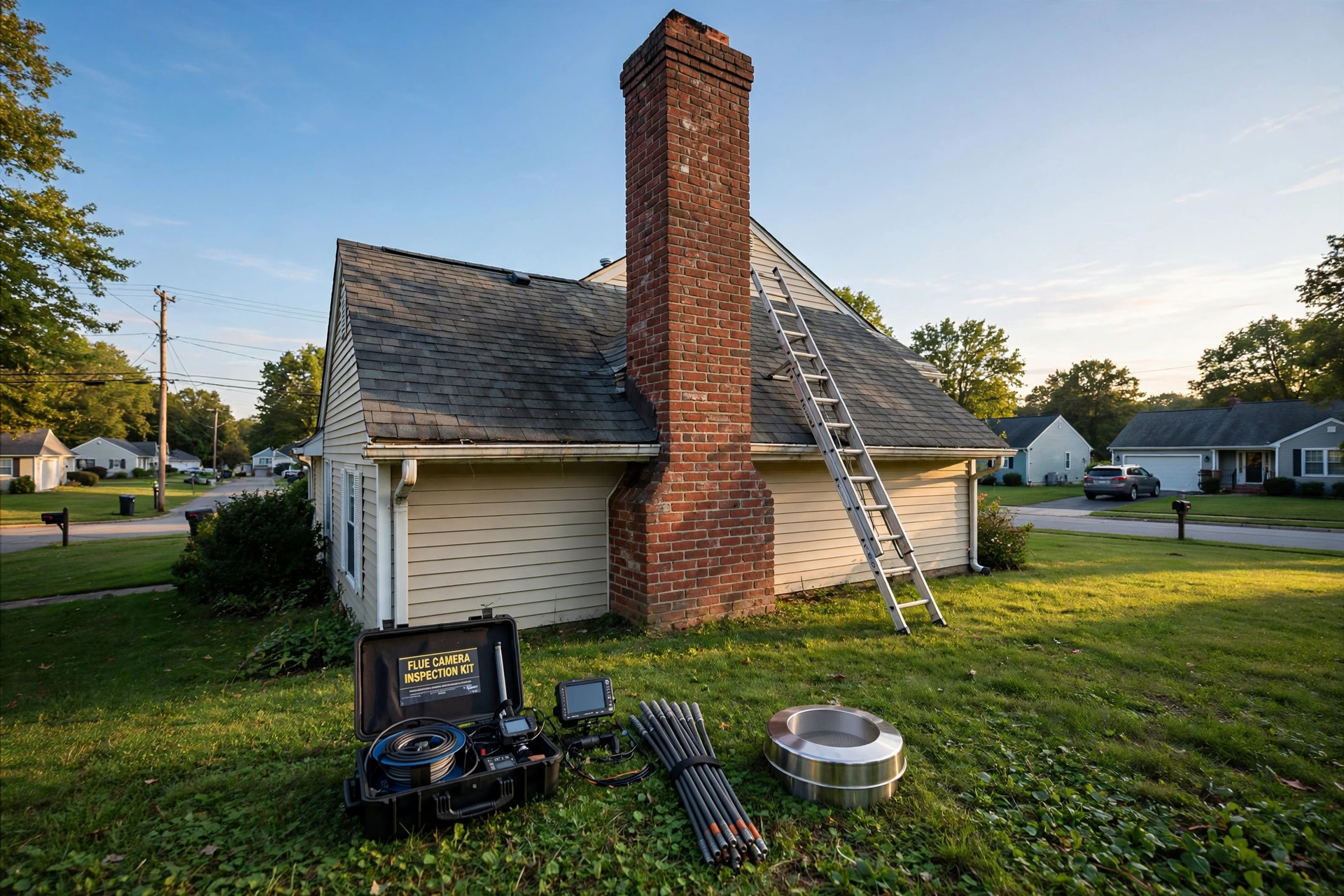
A Level 2 inspection is deeper. The technician uses a camera to look inside the full length of the flue. This finds cracks, gaps, and damage that the eye cannot see from above or below. You need a Level 2 inspection when you buy a home, when you change the type of fuel, or after a chimney fire. It is also wise after a strong storm or an earthquake.
Level 3: The Full Investigation
A Level 3 inspection is the most thorough. It is needed when serious damage is likely but hidden. The technician may open small parts of walls or the chimney crown to see what lies behind. This level is rare. It is used when a Level 2 check shows a problem that needs a closer look.
Cost and Price
Prices vary by region and by the level of inspection. A Level 1 inspection usually costs between 100 and 250 dollars. This often includes a basic cleaning of the flue. A Level 2 inspection with a camera scan usually costs between 200 and 500 dollars. A Level 3 inspection can cost 500 dollars or more, since it takes more time and may require opening walls.
The price also depends on the height and shape of your chimney. A tall chimney on a steep roof takes more work. Extra flues add to the cost as well. Always ask for a written quote before the work begins. The quote should list the level of inspection and what is included. A fireplace inserts guide can help you budget if the inspection shows your insert needs an upgrade.
Some companies offer a yearly service plan. These plans bundle the inspection with a cleaning and a small discount on repairs. If you burn wood all winter, a plan can save money over time. Read the terms before you sign. Make sure the plan includes the level of inspection you need.
Care and Upkeep Between Inspections
An inspection once a year is not enough on its own. What you do between visits matters just as much.
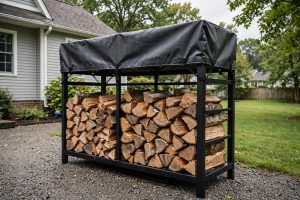
Burn only dry, seasoned wood. Fresh-cut wood holds a lot of water. When it burns, it makes more smoke and more creosote. Seasoned wood has dried for at least six months. It burns hotter and leaves less residue on the flue. Never burn trash, treated lumber, or painted wood. These materials release toxic fumes and can damage the flue.
Keep a chimney cap in good shape. The cap sits on top of the flue and keeps out rain, birds, and leaves. A rusted or missing cap lets water into the flue. Water freezes in winter and cracks the masonry. A review of chimney caps and covers can help you pick a durable replacement.
Watch for warning signs between visits. Rust on the damper or the firebox means water is getting in. White stains on the outside bricks mean the masonry is soaking up moisture. A strong smell from the fireplace in summer means creosote is building up. Peeling paint on the walls near the chimney can point to a hidden leak. Call your inspector if you see any of these signs. Small problems are cheap to fix. Big problems are not.
Check the flue liner when you can. The liner is the inner wall of the chimney. Clay tile liners crack with age. Metal liners last longer but can rust. If your liner is damaged, smoke and heat escape into the walls. A chimney liners guide explains the main liner types.
Clean the area around the stove or fireplace. Ash should be removed when it builds up past one inch. Keep wood, paper, and cloth at least three feet away from the stove. A clean hearth lowers the chance that a stray spark starts a fire. DIY guides from Family Handyman cover safe ash handling and hearth care.
Safety in the Home
A chimney inspection is part of a wider safety plan. Take these steps as well.
Install smoke alarms on every floor of the home. Put one inside each bedroom and one outside each sleeping area. Test them once a month. Replace the batteries once a year, or use alarms with sealed ten-year batteries.
Install carbon monoxide alarms near the fireplace and in the hallway by the bedrooms. Carbon monoxide is a silent killer. An alarm is the only warning you will get. Fire safety experts at the National Fire Protection Association recommend testing these alarms monthly.
Learn the signs of a chimney fire. A loud roaring sound, like a freight train, is a common sign. Thick dark smoke from the top of the chimney is another. If you think a chimney fire has started, get everyone out of the house and call the fire department. Do not try to put it out yourself.
Keep a fire extinguisher near the fireplace. Make sure every adult in the home knows how to use it. A yearly refresher takes only a few minutes and can save lives.
If your inspection shows that your stove is old and dirty-burning, consider an upgrade. Modern EPA-rated stoves use far less wood and release far less smoke. A wood burning stoves buying guide can point you to efficient models. Home improvement retailers such as The Home Depot and Lowe’s carry EPA-rated stoves, and home sites like The Spruce offer plain-language advice on stove care.
Frequently Asked Questions
How often should I have my chimney inspected?
Once a year is the standard rule. Schedule the visit in late summer or early fall, before the heating season starts. If you burn wood heavily, or if you had a chimney fire, ask for an inspection sooner.
What is the difference between a sweep and an inspection?
A sweep cleans the flue and removes creosote. An inspection checks the condition of the whole system. Most visits include both. The sweep removes the buildup, and the inspection finds damage.
Will the inspection damage my home?
A Level 1 or Level 2 inspection causes no damage. The technician works through the fireplace opening and the top of the chimney. Only a Level 3 inspection may require opening small sections of wall or masonry, and the technician will explain this in advance.
How long does an inspection take?
A Level 1 inspection with cleaning takes about one hour. A Level 2 inspection with a camera scan takes one to two hours. A Level 3 inspection can take half a day or more, depending on what must be opened.
Do I need to be home during the visit?
Yes. The technician needs access to the fireplace, the attic, and sometimes the roof. Being home lets you ask questions and hear the results firsthand. Walk through the written report with the technician before they leave.
What should I do before the technician arrives?
Do not light a fire for at least 24 hours before the visit. The flue must be cool. Move furniture and rugs away from the fireplace. Clear a path to the attic hatch if the technician needs roof or flue access from inside.
A Final Word
EPA certified chimney inspection services for homeowners are a small cost for a large gain. A trained inspector finds creosote, cracks, and faulty parts before they cause harm. The visit also confirms that your stove meets EPA standards for clean burning. Schedule your inspection each year before winter. Burn dry wood, keep alarms working, and act on the report. These simple steps keep your home warm and safe all season long. A well-kept chimney also adds value to your home when you sell it one day.
References
Family Handyman. (n.d.). DIY home repair and maintenance. https://www.familyhandyman.com Heatilator. (n.d.). Fireplaces and fireplace products. https://www.heatilator.com Lowe’s. (n.d.). Home improvement products. https://www.lowes.com Napoleon. (n.d.). Fireplaces, grills, and heating products. https://www.napoleon.com National Fire Protection Association. (n.d.). Fire safety information and codes. https://www.nfpa.org The Home Depot. (n.d.). Home improvement products. https://www.homedepot.com The Spruce. (n.d.). Home and garden advice. https://www.thespruce.com This Old House. (n.d.). Home renovation guidance. https://www.thisoldhouse.com U.S. Environmental Protection Agency. (n.d.). Protecting human health and the environment. https://www.epa.gov
Was this guide helpful?

About Sarah Mitchell
The My Garden US editorial team writes practical, in-depth home and garden guides for American homeowners — tested advice, no fluff.
You May Also Like
Top Rated Stone Fireplace Surrounds for Midwest Homes
September 9, 2026 0 views
Fireplace Screens with Doors: A Price Comparison for American Homes
May 1, 2026 0 views
Best Direct Vent Gas Fireplaces for American Homes: A Complete Buyer’s Guide
September 29, 2026 0 views