---
Table of Contents
Table of Contents
Ripping out old grass by hand is brutal work. A shovel and a strong back can clear a small patch, but a whole lawn or a big new garden bed will eat your entire weekend and then some. A sod cutter does the same job in hours. It slides a sharp blade under the turf and peels the grass off in neat strips, roots and all. Here is what to know about sod cutter rental before you start.
Renting one for a weekend is the smart move for most homeowners. Buying a sod cutter costs far more than you will ever use, and rental shops keep the machines maintained. These weekend sod cutter rental tips for homeowners cover what to rent, what it costs, how to prep, and how to run the machine without tearing up your yard or yourself.
Sod Cutter Rental: What a Sod Cutter Does
When it comes to sod cutter rental, getting the details right makes all the difference.
Many homeowners find that sod cutter rental is easier than they expected once they know the basics.
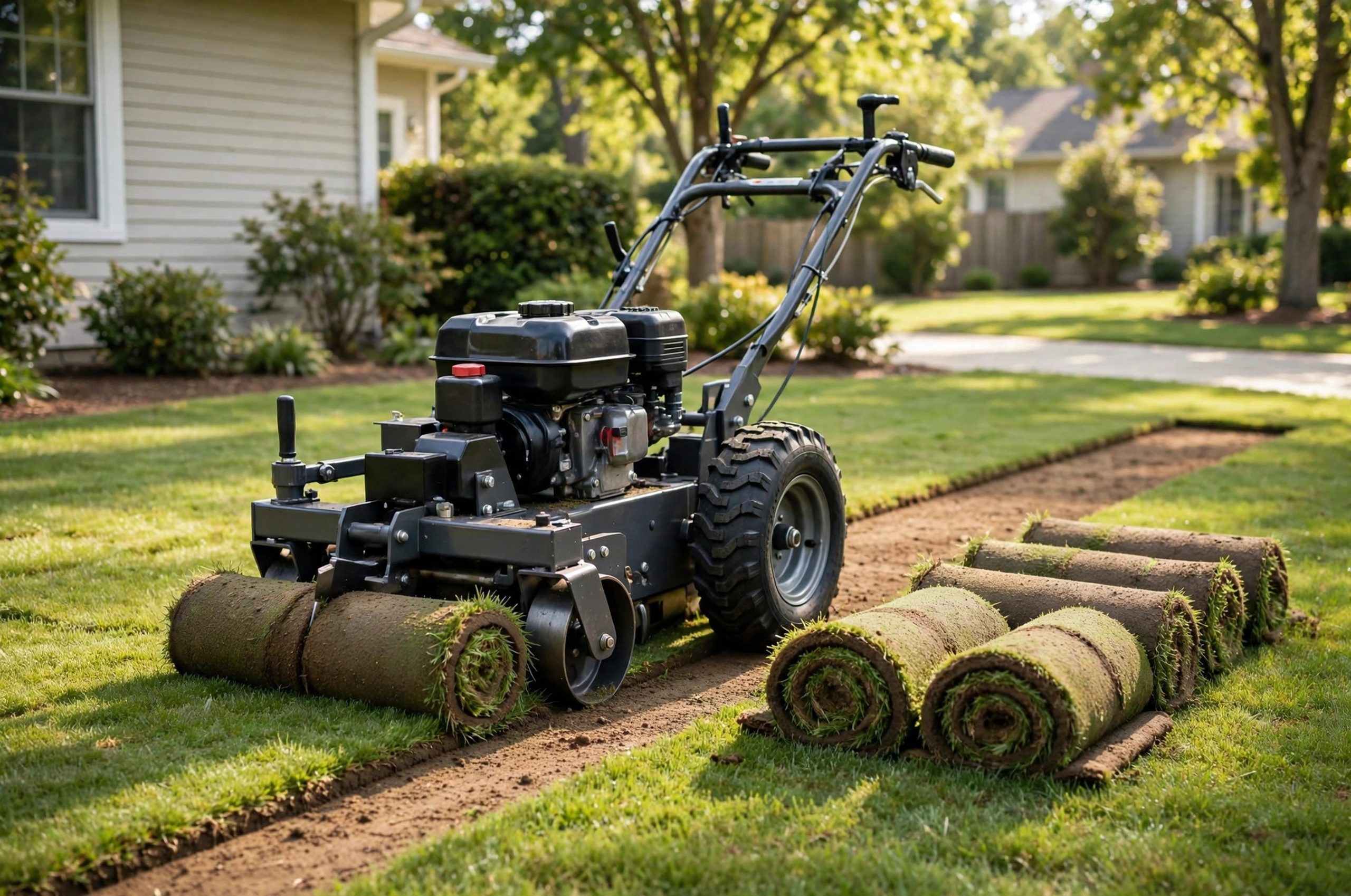
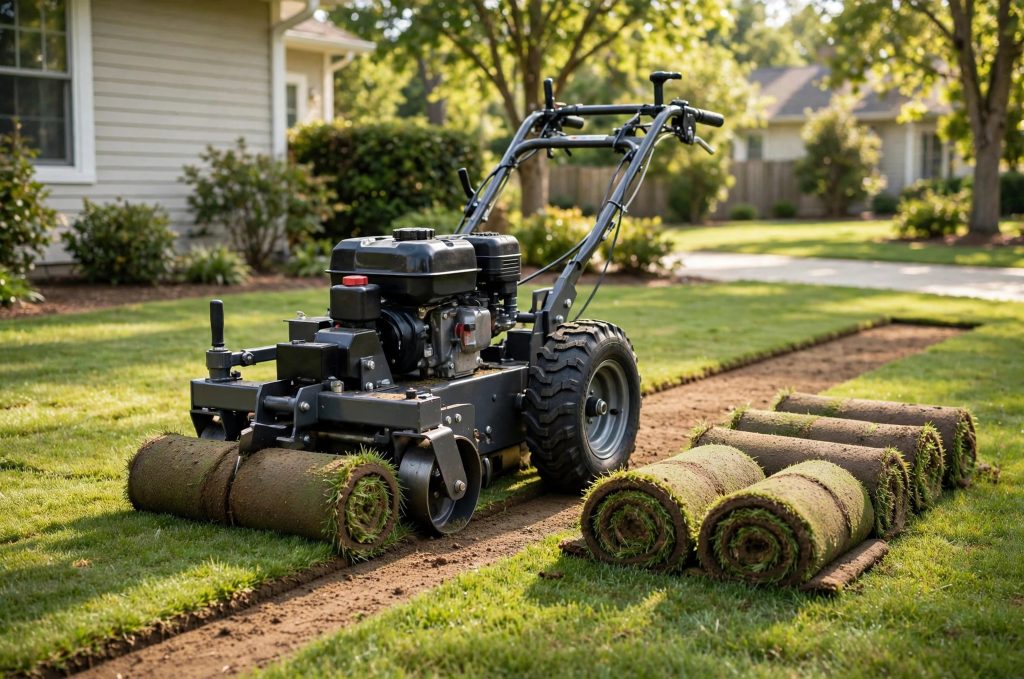
A sod cutter is a walk-behind machine with a flat blade that vibrates or oscillates side to side as it moves forward. The blade slices through the roots about one to three inches below the surface. The cut sod rolls up in strips roughly a foot to eighteen inches wide.
Homeowners rent sod cutters to remove old lawns before reseeding, to clear areas for garden beds, patios, or paths, and to harvest healthy sod for transplanting to bare spots. For a full rundown on operating the machine, LawnStarter's guide to using a sod cutter covers depth settings, cutting technique, and rental sources.
Manual vs Powered: Which to Rent
Many homeowners find that sod cutter rental is easier than they expected once they know the basics.
The key to sod cutter rental is choosing the right approach for your space and budget.
Manual kick-type cutters are cheap to rent and fine for small areas, maybe up to a hundred square feet. You kick the blade forward with your foot and push. It is hard work but simple and quiet.
Powered walk-behind cutters are what most homeowners want. A gas engine drives the blade and the wheels. You walk behind and steer. They cut through thick turf, roots, and even small stones without wearing you out. For anything bigger than a small bed, rent the powered version. The rental cost difference is small compared to the labor you save.
What Weekend Rental Costs
The key to sod cutter rental is choosing the right approach for your space and budget.
With a little planning, sod cutter rental can fit even a busy schedule.
Prices vary by region and shop, but expect roughly this range for a powered walk-behind sod cutter:
- Four-hour rental: the cheapest option if your area is small and you are organized
- Full-day rental: the most common choice, enough for most home lawns
- Weekend rate: often close to the full-day price plus a little, and the best value if you need two days
Call ahead to reserve, especially in spring and fall when every homeowner in town wants one. Ask what is included. Some shops include a trailer or offer delivery for a fee. Ask about the fuel policy too. Most rentals go out full and come back full, or you pay a refueling charge.
Big rental companies like Home Depot, Lowe's, United Rentals, and Sunbelt Rentals all carry sod cutters, along with many local shops. Local shops sometimes give better instruction and fresher machines, so call around.
Before Rental Day: Prep Work
With a little planning, sod cutter rental can fit even a busy schedule.
Before you start, it helps to understand how sod cutter rental works in real homes.
Good prep makes rental day smooth. Do this in the week before:
1. Mark your area. Outline the cutting area with spray paint or flags. Measure the square footage so you know how long the job will take. A powered cutter can clear several hundred square feet per hour in easy turf.
2. Call 811. This is the law in most states and it is free. Buried gas, electric, water, and cable lines must be marked before you dig. A sod cutter blade goes deep enough to hit shallow lines. Alliant Energy's guide to calling 811 explains the three steps: request locates, wait for marking, and respect the marks.
3. Water the lawn. Water deeply one to two days before cutting. Moist soil cuts cleanly and the sod holds together. Dry soil crumbles and dulls the blade. Do not water the morning of, or you will be working in mud.
4. Mow short. Cut the grass as short as your mower allows a day or two before. Short grass feeds into the machine better and the rolls are lighter. The University of Georgia's grasscycling guide covers recommended mowing heights and blade sharpness, both of which matter here.
5. Clear the area. Move hoses, toys, edging, and anything the blade could hit. Mark sprinkler heads with tall flags. A sod cutter will destroy a sprinkler head without slowing down.
6. Plan disposal. Cut sod is heavy and bulky. A few hundred square feet fills a pickup bed fast. Plan where it goes: stacked grass-to-grass in a shady spot if you will replant it within a day or two, or hauled to a compost facility or green waste pickup. Cut sod starts composting itself within a day or two in warm weather, so do not let piles sit.
7. Line up help. One person can run the machine, but a helper to roll and stack the sod doubles your speed.
Transporting the Machine
Before you start, it helps to understand how sod cutter rental works in real homes.
A good plan for sod cutter rental saves time, money, and frustration.
A powered sod cutter weighs several hundred pounds. You cannot lift it by hand. Most rental shops load it into your truck or trailer with a ramp or a forklift. Bring a pickup or a trailer with a ramp, plus tie-down straps. Drive it up the ramp in low gear. Strap it down tight. At home, roll it down the ramp the same way. Never try to lift it with people power.
Running the Machine: Step by Step
A good plan for sod cutter rental saves time, money, and frustration.
For most people, sod cutter rental comes down to a few smart choices.
1. Learn the controls. Before you start cutting, have the rental shop show you the throttle, blade engagement, drive gears, and kill switch. Every model is a little different. Read the safety decals on the machine.
2. Set the depth. For removing old lawn, one and a half to two inches is the sweet spot. It takes the roots without hauling excess soil. If you are harvesting sod to transplant, go two to two and a half inches so the roots survive. Test on a short strip, lift the edge, and check the depth before you commit.
3. Start at an edge. Begin at the edge of your marked area with the blade out of the ground. Engage the blade, put it in slow gear, and walk forward at a steady pace. Let the machine do the work. Pushing or rushing gives ragged cuts.
4. Cut in straight strips. Overlap each pass slightly. Straight lines make the sod easy to roll and stack. For curves, make short straight cuts and trim later.
5. Roll as you go. Have your helper roll each strip as it comes off the machine. Roll grass-side in for transplanting, or either way for disposal. Stack rolls in the shade and mist them if you are replanting.
6. End cuts cleanly. At the end of each strip, disengage the blade as it exits the ground so the strip separates cleanly.
Wear boots, long pants, gloves, eye protection, and ear protection. The machine is loud and throws debris.
Common Mistakes
For most people, sod cutter rental comes down to a few smart choices.
- Cutting too deep. More than three inches makes brutally heavy rolls and strips your topsoil. Stay shallow.
- Cutting dry ground. Dry soil shatters, dulls the blade, and beats up the machine. Water first.
- Skipping the 811 call. Hitting a line turns a weekend project into a very expensive day.
- No disposal plan. A mountain of sod with nowhere to go ruins the weekend.
- Returning it dirty. Clean the machine before return. Caked mud can mean a cleaning fee.
- Running on slopes sideways. Cut up and down slopes, not across, for stability.
After the Cutting: What Comes Next
If you are new to sod cutter rental, start with the simplest option and build from there.
Bare soil is your blank canvas, but do not leave it bare long. Rain will erode it and weeds will move in within days. Bob Vila's roundup of erosion control plants is a good reminder of how fast bare soil washes away on slopes.
- For a new lawn: Rake the area level, amend with compost if the soil is poor, and lay fresh sod or seed right away. Our sod vs seed cost comparison helps you pick. For the sod-laying itself, the University of Maryland's sod installation guide and Mississippi State's sod installation and maintenance publication walk through the steps, and LawnStarter has a detailed how to lay sod guide with photos.
- For a garden bed: Edge it, amend the soil, and plant or mulch immediately.
- For a patio or path: Compact the soil and build your base.
If you are overseeding instead of starting over, see our guides to affordable lawn overseeding and the best grass seed for overseeding fescue. And keep the machine in good shape for the next renter. Our lawn care equipment maintenance checklist covers the basics that apply to all your yard machines.
When to Hire It Out Instead
When it comes to sod cutter rental, getting the details right makes all the difference.
Renting is not always the answer. Hire a pro when the area is huge, the slope is steep, access is tight for a trailer, or you have physical limits that make wrestling a heavy machine unsafe. Get a quote first. Sometimes a crew with a sod cutter costs less than you think, and they haul the sod away. Once you try it, sod cutter rental gets easier each time.
References
- Alliant Energy. (n.d.). Avoid a disaster: Call 811 and know what is below. http://www.alliantenergy.com/safety/call-811
- Bob Vila. (n.d.). 10 plants that help control erosion on steep properties. https://www.bobvila.com/articles/plants-for-erosion-control/
- LawnStarter. (n.d.). How to install sod: A step-by-step guide for homeowners. https://www.lawnstarter.com/blog/lawn-care-2/how-to-lay-sod/
- LawnStarter. (n.d.). How to use a sod cutter: Complete guide for homeowners. https://www.lawnstarter.com/blog/lawn-care-equipment/how-to-use-sod-cutter/
- Mississippi State University Extension. (n.d.). Sod installation and maintenance. http://extension.msstate.edu/publications/sod-installation-and-maintenance
- U.S. Environmental Protection Agency. (n.d.). Composting at home. https://www.epa.gov/recycle/composting-home?ref=CompoCloset
- University of Georgia Cooperative Extension. (n.d.). Grasscycling: Let the clippings fall where they may. https://fieldreport.caes.uga.edu/publications/C1031/grasscycling-let-the-clippings-fall-where-they-may/
- University of Maryland Extension. (n.d.). Sod. https://extension.umd.edu/resource/sod
Was this guide helpful?

About My Garden US
The My Garden US editorial team writes practical, in-depth home and garden guides for American homeowners — tested advice, no fluff.