
A Short Note Before You Start
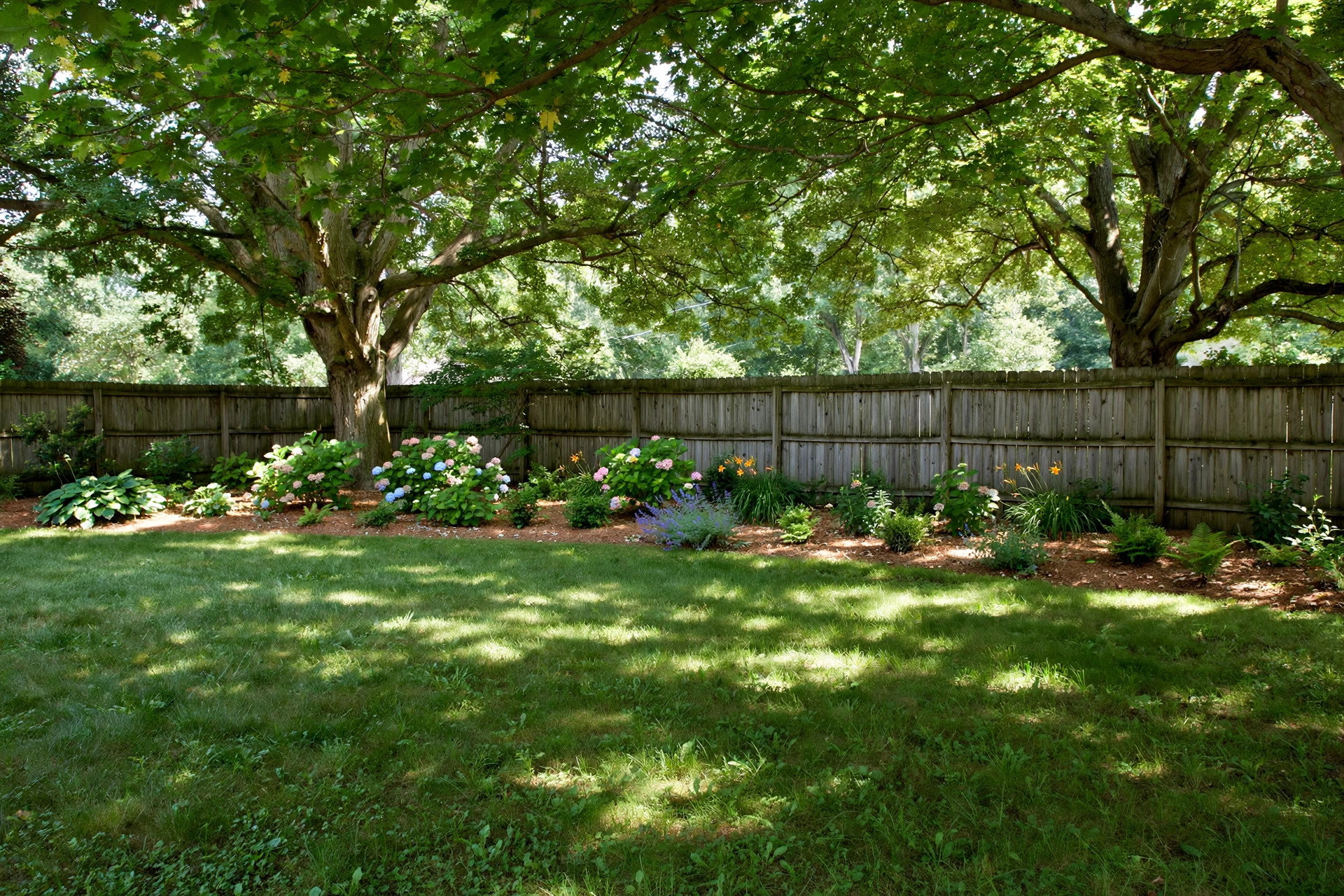
Learning how to grow grass in shady areas is one of the most common lawn problems in America. Many yards have tall trees, tall fences, or houses that block the sun for part of the day. Grass that grew well in full sun may turn thin and bare under a maple tree or on the north side of a house. The good news is that shade does not have to mean a bare yard. With the right seed, the right soil work, and steady care, you can grow a lawn in shade that looks full and green. This guide shows you each step in plain words.
Why Shade Makes Grass Hard to Grow: How to Grow Grass in Shady Areas
Grass is a plant. Like all plants, it needs light to make its food. When trees or buildings block the sun, grass gets less light and grows more slowly. The roots stay shallow. The blades stay thin. Over time, moss and weeds move in to take its place.
Shade brings a second problem. Tree roots drink much of the water in the soil. They also take food from the ground that the grass needs. This is why grass often fails right under big trees even when seed is put down each year. The tree is winning the fight for water and food.
A third problem is air flow. Shady spots behind fences or between houses can stay damp for long hours. Wet grass blades catch disease more easily. You may see brown patches that spread in warm, wet weather.
The fix starts with a simple test. Write down whether the spot gets direct sun at each time. If the spot gets two to four hours of direct sun, most shade-tolerant grass will do well. If it gets less than two hours, you will need the most shade-tolerant kinds, and you may need to prune some tree limbs to let in filtered light.
What to Look for When You Choose Seed
Seed bags tell you a lot if you know what to read. The first thing to look for is the word “shade” on the bag. Seed sold as shade mix or dense shade mix has been tested for low-light yards. Do not buy full-sun seed for a shady spot and hope for the best. It will fail.
The second thing to check is the seed date on the bag. Fresh seed sprouts better. Seed that is more than two years old may give you weak results. The third thing is the weed seed line. A good bag shows zero or near zero weed seed. Cheap bags can hide weed seed that fills your shade spot with plants you do not want.
Fescues are the most common shade grasses in seed mixes. Fine fescue is the star for deep shade. It needs less sun than almost any other lawn grass. Tall fescue is a strong choice for part shade, and it handles foot traffic better than fine fescue. Perennial ryegrass is often mixed in to help the lawn fill in fast. It sprouts in about a week and holds the soil while the slower fescues get going.
For warm parts of the country, the choices change. St. Augustine grass and zoysia grass handle shade better than Bermuda grass. They still need at least four hours of sun in most cases.
Types of Grass That Do Well in Shade
Fine Fescue
Fine fescue is a group of grasses with very thin blades. It includes creeping red fescue, chewings fescue, and hard fescue. It is the best pick for heavy shade. It needs less water than most lawn grasses once it is grown. It also needs less mowing. The trade is simple. It does not like heavy foot traffic. It is a good pick for the shady back corner where the kids do not play.
Tall Fescue
Tall fescue has wider blades and deep roots. It stands up to heat and to foot traffic. Many new tall fescue types grow fine in part shade. They need at least three to four hours of sun. Tall fescue is a strong pick for a shady side yard that gets morning sun. Look for seed sold as turf-type tall fescue. It has a finer blade than old pasture types and looks much better in a home lawn.
Shade Mix Blends
Most home centers sell bags called sun and shade mix. These hold a mix of fescue and ryegrass. A blend is a safe pick when your yard has spots of full sun and spots of shade. The sunny spots grow the ryegrass. The shady spots grow the fescue. One bag covers the whole yard. Read the label to make sure fine fescue is in the mix if your shade is deep.
Ground Cover Choices
Some spots are just too dark for any grass. If a spot gets less than two hours of sun, and you do not want to trim trees, a ground cover may be the honest answer. Hosta, pachysandra, and vinca minor grow in deep shade. Mulch beds are another fair choice. A ring of mulch under a big tree looks neat and ends the yearly fight with bare soil. There is no shame in this choice. A tidy mulch bed beats a patchy lawn every time.
How to Prepare and Plant
Good seed fails in bad soil. Start by clearing the spot. Rake away leaves, sticks, and old dead grass. If moss covers the ground, scrape it up. Moss tells you the soil is wet and low in light. You will fix the light with shade seed. You fix the wet part with better air flow and less water.
Test the soil if you can. A simple soil test from your county office costs little and tells you the pH. Grass likes a pH near 6 to 7. Many shady spots under pine trees run acid. If the test says the soil is acid, add lime as the test directs.
Loosen the top inch or two of soil with a rake. Grass seed needs soil contact to sprout. Seed that sits on top of hard ground dries out and dies. If the ground is hard and bumpy, a pass with a lawn roller for leveling uneven ground after you rake can give the seed a smooth, firm bed. Do not roll the soil hard. You want it firm, not packed.
Spread the seed at the rate on the bag. For shade, use the high end of the rate. Shady spots need more seed because fewer seeds sprout in low light. Spread half the seed walking north to south. Spread the other half walking east to west. This cross pattern gives even cover.
Cover the seed with a thin layer of straw or a light seed cover. This holds water and keeps birds from eating the seed. Water the spot lightly every day until the seed sprouts. The soil should feel damp, not soaked. Once the grass is two inches tall, cut back to deeper watering twice a week. Deep, less frequent water grows deep roots.
The best time to plant is early fall in most of the country. Soil is warm. Weeds are weak. Rain comes more often. Spring is the second best time. Avoid summer planting. Hot sun and dry soil kill young seedlings fast.
Cost and Price
Growing grass in shade costs less than most people think. A bag of quality shade seed mix that covers 5,000 square feet runs about 40 to 70 dollars at most home centers. Lime and starter fertilizer add 20 to 40 dollars. Straw or seed cover adds 10 to 20 dollars. Most shady yards cost under 150 dollars in supplies for a full overseed.
The bigger cost is your time. Soil work takes a weekend. Watering takes ten minutes a day for two to three weeks. If you hire a lawn company to do the work, expect 300 to 600 dollars for a small to mid-size shady yard. Get two quotes before you sign.
Mowing gear matters for shade too. Grass in shade should be cut high, about three to four inches. Taller blades catch more light. A mower with an easy height setting makes this simple. If you are shopping for a new machine, you can find deals on self propelled mowers that make cutting a sloped or tree-filled yard much easier. Keep the blade sharp. A dull blade tears shade grass and opens the door to disease.
Edge work is also worth a note. A clean edge along beds and fences makes a shade lawn look cared for. If your shady spots run along a fence line or a steep bank, a fence line trimmer built for steep slopes can reach where a mower cannot.
Care and Upkeep Through the Year
Shade grass needs a lighter hand than sun grass. Start with mowing. Cut high and cut often. Never cut more than one third of the blade at one time. Bag the clippings in damp shade spots. Thick clippings can mat down and rot the grass below.
Water is the next big lever. Shade soil stays wet longer than sunny soil. Many shady lawns fail from too much water, not too little. Push a screwdriver into the soil. If it goes in easy and the soil feels damp, wait a day. Water only when the top two inches are dry. Morning watering is best. The blades dry before night, which cuts disease.
Feed the lawn lightly. Shade grass grows slowly, so it needs less food than sun grass. Two light feedings a year are enough for most shade lawns: one in early fall and one in late spring. Use the rate on the bag. More is not better. Heavy feeding in shade pushes weak, soft growth that disease loves.
Prune trees when you can. Limbs that hang low block light and drip water on the grass all day. Hire a tree service for big limbs. You can cut small limbs yourself with a pole saw. The goal is filtered light, not full sun. Even an extra hour of morning light can change a thin lawn into a full one.
Watch for pests and disease. Grubs and fungus show up in weak lawns. If you see brown spots that grow, take a photo to your local garden center. Do not spray chemicals at random.
Rake leaves off the shade lawn in fall. A thick leaf mat blocks light and holds rot. Mulch-mow light leaves into the lawn. Rake up heavy layers.
Safety
Lawn work is safe when you take simple care. Read every product label before you open the bag. Wear gloves when you spread fertilizer or lime. Wear eye cover when you run a trimmer or a mower. Keep children and pets off the lawn until sprays or granules are watered in and dry, as the label directs.
Store all lawn products in a locked shed or cabinet. Keep them away from children and pets. Do not mix products unless the label says you can. If you spill fertilizer on a driveway, sweep it up. Do not wash it into a drain. It can run into streams and ponds.
For brand and safety facts on mowers and outdoor gear, maker sites are a good stop. Toro and John Deere both post safety guides for their machines. Briggs & Stratton posts engine care and safe fuel handling tips. A few minutes of reading can keep a small job from turning into a bad day.
Frequently Asked Questions
How much sun does grass need to grow?
Most lawn grasses need four to six hours of sun. Shade-tolerant grasses like fine fescue can get by on two to four hours. Less than two hours is very hard for any grass. In that case, trim tree limbs or switch to ground cover.
Can I just use more seed in a shady spot?
More seed helps, but only up to a point. Use the high end of the rate on the bag. Doubling the rate wastes seed. Crowded seedlings fight each other for light and water. Good soil work and the right seed type matter far more than extra seed.
Why does grass die under my big tree every year?
Tree roots drink most of the water and food in the soil. The tree canopy also blocks rain and light. Try a mulch ring two to three feet out from the trunk. Plant shade grass outside that ring. Water the grass deeply so the water reaches past the tree roots.
Should I water shade grass as much as sunny grass?
No. Shade soil dries more slowly. Water only when the top two inches of soil are dry. Morning is the best time. Too much water is the most common cause of dead shade lawns.
Is it too late to plant shade grass in spring?
Spring planting works, but fall is better. If you plant in spring, do it as early as the soil can be worked. Keep the seed watered daily.
Do I need to test my soil?
It helps a lot. A soil test shows pH and food levels. Many shade problems are really soil problems. A ten-dollar test can tell you if you need lime or fertilizer. Guessing wastes money and time.
A Short Final Word
A shady yard is not a lost cause. Pick seed made for shade. Fix the soil. Plant in early fall. Water with care. Mow high. These five steps solve most shade problems. Some spots will still be too dark for grass, and that is fine. A mulch bed or a ground cover in the darkest corner will look better than a bare patch ever could. Start with the worst spot, get it right, and work your way out. A green shade lawn is built one season at a time.
References
Briggs & Stratton. (n.d.). Outdoor power equipment engines. https://www.briggsandstratton.com Deere & Company. (n.d.). Lawn care and agricultural equipment. https://www.deere.com Toro. (n.d.). Lawn mowers and yard tools. https://www.toro.com
Was this guide helpful?

About Jennifer Lee
The My Garden US editorial team writes practical, in-depth home and garden guides for American homeowners — tested advice, no fluff.
You May Also Like
How to Aerate Lawn Without Machine: Simple Methods That Work
March 6, 2026 0 views
A Lawn Striping Kit for Riding Mowers: How to Get Pro Ballpark Stripes
January 4, 2026 0 views
Lawn Weed Identification Chart With Pictures: A Homeowner’s Guide
July 7, 2026 0 views