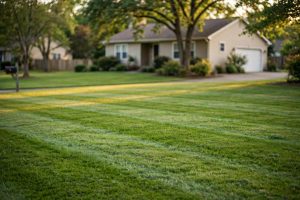
Grubs can ruin a lawn in a single season. These small white larvae live under the soil and eat grass roots. When the roots are gone, the turf turns brown and lifts off like a rug. The good news is that a lawn grub treatment schedule by zone can stop this damage before it starts. Timing is the whole secret. Grubs follow a calendar that shifts with the weather. A plan that works in Florida will fail in Minnesota. This guide walks through each part of the country and shows when to act.
Why a Lawn Grub Treatment Schedule by Zone Matters
Grubs hatch and grow on a timetable set by soil temperature. In warm zones, eggs hatch early. In cool zones, the cycle runs weeks later. A lawn grub treatment schedule by zone takes this shift into account. Treating too early wastes money and product. Treating too late means the grubs are already large and hard to kill. Young grubs in late summer are the easiest to stop.
A second reason is product safety. Many grub products need to be watered into the soil. If you apply them before a long dry spell, they sit on the surface and do no good. Knowing your zone helps you match treatment with rainfall. This is the heart of lawn grub treatment timing for each region.
A third reason is cost. Homeowners who treat on schedule use less product. One well-timed treatment beats two poorly timed ones. A good plan saves money and keeps the lawn greener.
Understanding the Grub Life Cycle: Lawn Grub Treatment Schedule By Zone
Most lawn grubs are the larvae of June beetles, Japanese beetles, and chafer beetles. Adult beetles lay eggs in early to mid-summer. The eggs hatch in late summer. The tiny grubs feed through the fall. They sleep through the winter deep in the soil. In spring they feed again for a short time. Then they turn into pupae and emerge as adult beetles.
The most damage happens from late August through October. This is when grubs are large and feeding hard. The best time to treat is in late spring or early summer, when a preventive product can be in place before eggs hatch. Curative treatments work on young grubs in late summer and early fall. Big grubs in late fall are hard to kill. This cycle shifts by zone, which is why a lawn grub treatment schedule by zone must be tied to local weather.
The USDA Hardiness Zones and Your Lawn
The United States is divided into zones by winter cold. Zone 10 covers the warm tip of Florida. Zone 3 covers the cold north of Minnesota. Most lawns fall between Zone 4 and Zone 9. For grub treatment, it helps to group zones into three bands: cool, middle, and warm.
Cool zones cover Zones 3, 4, and 5. These include the upper Midwest, New England, and the northern plains. Spring arrives late here. Soil warms slowly. Middle zones cover Zones 6 and 7. These include the lower Midwest, the mid-Atlantic, and much of the South’s upper edge. Warm zones cover Zones 8, 9, and 10. These include the deep South, Texas, Florida, and the Southwest.
Each band has its own treatment window. The rest of this guide breaks them down.
Lawn Grub Treatment Schedule for Cool Zones (3 to 5)
In cool zones, spring soil warms late. Adult beetles usually appear in late June or July. Eggs hatch in late July and August.
For preventive treatment, apply product in mid to late June. Use a granular product and water it in with about half an inch of rain or irrigation. The product needs to move into the root zone before eggs hatch. Good watering matters more than brand name.
For curative treatment, watch for damage in September and October. If you find more than six grubs per square foot, treat at once. Use a fast-acting curative product and water it in well. Night watering works fine in fall because the air is cool.
Fall care also helps. Fall care also helps. Reseed bare spots in early fall so the lawn thickens before winter. A thick lawn hides minor grub damage. Homeowners in cool zones should also review the timing advice in our piece on white grub treatment timing for midwest lawns.
Lawn Grub Treatment Schedule for Middle Zones (6 and 7)
Middle zones warm up faster. Beetles fly in June. Eggs hatch from July into early August. This is the largest band and covers many suburbs.
Preventive treatment should go down in late May or early June. Many lawns in this band have tall fescue or bluegrass. These grasses suffer badly from grub feeding. A single preventive pass in early summer is often enough for the whole year.
Curative treatment works best from mid-August through September. Young grubs are still small then and feed near the surface. Dig up a square foot of turf to check. If you count five or more grubs, treat. Water the product in within 24 hours.
Middle-zone lawns also benefit from fall feeding and overseeding. A strong root system in October means the lawn can survive light grub pressure without treatment at all.
Lawn Grub Treatment Schedule for Warm Zones (8 to 10)
Warm zones have the longest season and the earliest grubs. In Florida and South Texas, beetles may lay eggs in May. Eggs hatch in June. Some areas get two generations of grubs per year. This makes a lawn grub treatment schedule by zone most critical in the warm band.
Preventive treatment should start in April or early May. In Zone 9 and 10, a second preventive pass in August may be needed. Watch the lawn closely through summer. Brown patches that do not respond to water are a warning sign.
Curative treatment can work from July through September. Young grubs are the target. Water is precious in warm zones, so time the treatment before expected rain. Many homeowners pair grub treatment with their regular summer lawn care routine.
One caution: warm-zone grasses like St. Augustine and Bermuda grow fast but root shallowly. Grub damage shows quickly on these grasses. Quick action matters more here than anywhere else.
What to Look For: Signs of Grub Damage
Grub damage looks like drought stress at first. The grass wilts even after watering. Brown patches spread and grow. Birds and skunks dig in the turf because they are hunting grubs. That digging is often the first clear sign.
To confirm, cut a square foot of turf on three sides and fold it back. Count the white C-shaped larvae in the top two inches of soil. Fewer than five per square foot is normal. More than eight to ten means treatment is wise. Skunks and raccoons can cause heavy damage chasing a small number of grubs, so some homeowners treat even at lower counts.
How to Choose a Grub Product
Grub products fall into two groups: preventive and curative. Preventive products contain ingredients like imidacloprid or chlorantraniliprole. They work best when applied before eggs hatch. Curative products contain carbaryl or trichlorfon. They kill grubs that are already feeding.
Read the label before buying. The label states the rate, the timing, and the safety rules. Granular products are easy for homeowners to spread with a broadcast spreader. Liquid products need a sprayer and careful mixing.
Homeowners with pets should look for grub killer for lawns safe for dogs or consider best organic grub control for lawns. Milky spore and beneficial nematodes are organic options. They work slower than chemical products but carry fewer risks. Nematodes need cool, moist soil to survive, so apply them on a cloudy evening.
Application Steps for Any Zone
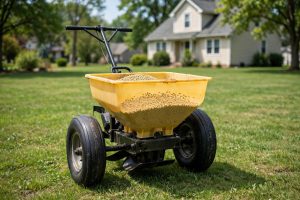
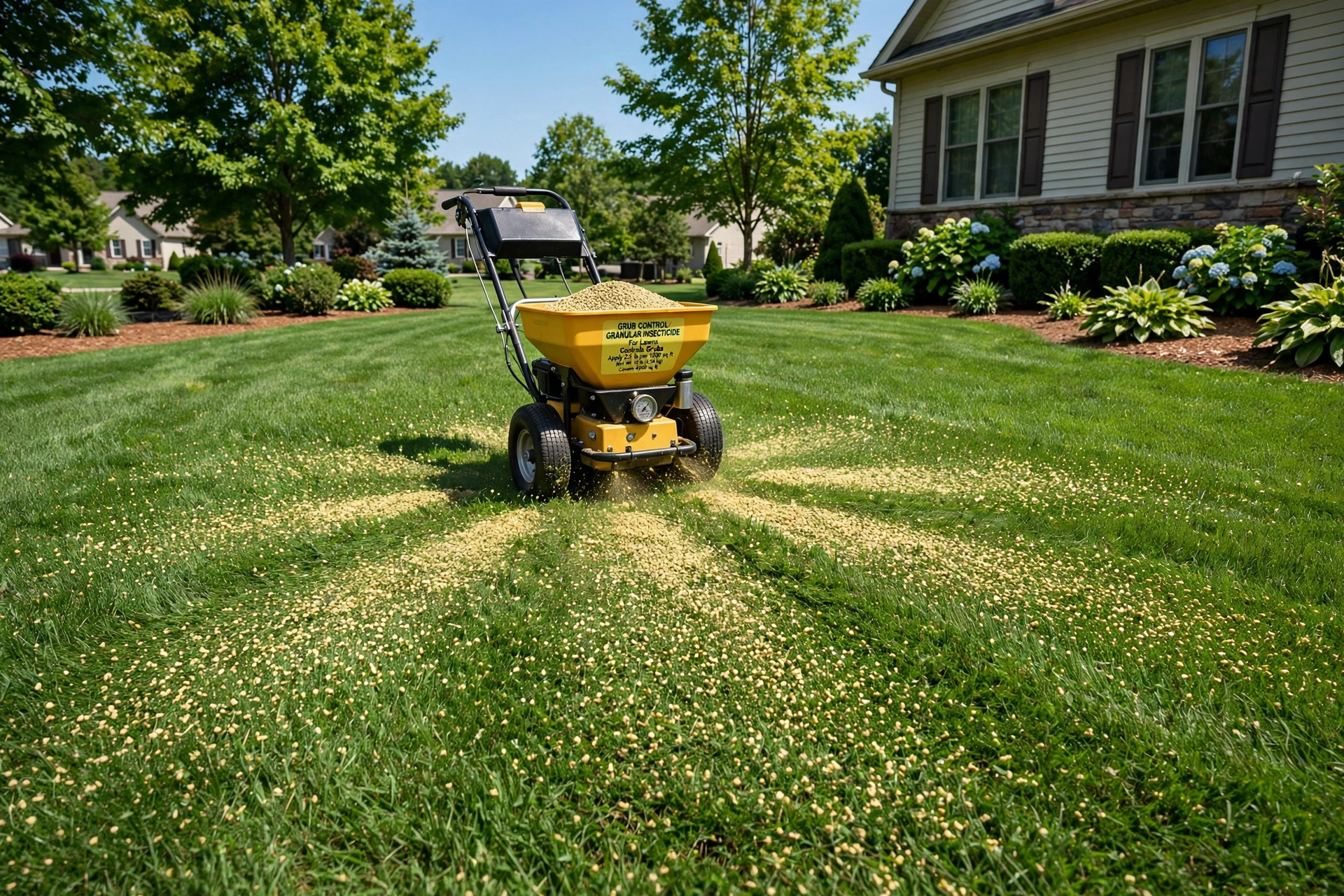
First, mow the lawn before treatment. Short grass lets the product reach the soil. Second, apply on a calm day so granules do not blow onto driveways or flower beds. Third, spread evenly. Overlap wheel tracks slightly to avoid missed strips. Fourth, water the product in with about half an inch of water within 24 hours. Fifth, keep pets and children off the lawn until the product has dried or been watered in, per the label.
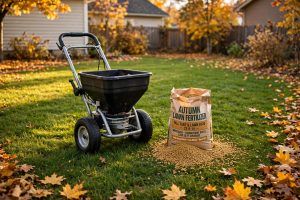
A broadcast spreader gives the most even coverage. Set the dial to the rate on the label. Walk at a steady pace. These small details make a large difference in results.
Cost and Price Guide
Grub treatment is one of the cheaper lawn care tasks. A bag of preventive granular product for 5,000 square feet usually costs between 30 and 60 dollars at a home center. Curative products cost about the same. Organic options like nematodes cost more, often 25 to 40 dollars for 2,500 square feet.
Professional lawn services charge more but save time. A single grub treatment visit often costs 50 to 100 dollars for a typical suburban lawn. Full-season plans that include grub control range from 300 to 600 dollars per year. Prices vary by region. For homeowners on a budget, one well-timed DIY treatment per year is the best value. This is another reason a lawn grub treatment schedule by zone pays off: one pass beats three guesses.
Care and Upkeep After Treatment
Treatment is only half the job. The lawn needs care to recover. Water the damaged areas lightly but often until new growth appears. Overseed thin spots in early fall for cool-season grasses or in late spring for warm-season grasses.
Feed the lawn on a regular schedule. Strong roots help the grass outgrow minor grub feeding. Do not overwater. Soggy soil invites disease and can wash product away. Mow high. Tall grass shades the soil and keeps it cooler, which makes it less inviting to egg-laying beetles.
Safety Notes
Grub products are pesticides. Treat them with respect. Read the full label before opening the bag. Wear gloves when spreading granules. Wash hands after the job. Keep the product in its original bag, stored high and locked away from children.
Keep pets off treated areas as directed on the label. Most labels require the lawn to be watered and dried first. Do not let runoff flow into ponds or streams. Some ingredients harm fish and aquatic life. If your lawn slopes toward water, leave a buffer strip of untreated grass near the water.
The label rules come from federal safety standards. Product review sites like Consumer Reports also test lawn chemicals and publish safety notes.
Frequently Asked Questions
When is the best time to treat for grubs?
Late spring to early summer for preventive products. Late summer to early fall for curative products. The exact weeks depend on your zone, so follow a lawn grub treatment schedule by zone rather than a fixed date.
How do I know if I have grubs?
Pull back a square foot of turf and count. More than eight to ten white C-shaped larvae per square foot is a problem. Brown patches that lift easily and digging by birds or skunks are also signs.
Can I treat for grubs in spring?
You can apply preventive products in spring. They are designed to be in the soil before eggs hatch. Curative products work poorly in spring because most grubs are deep in the soil and near the end of their cycle.
Are grub treatments safe for dogs?
Many are safe once the lawn has been watered and dried, but always check the label. Some homeowners prefer grub killer for lawns safe for dogs or organic methods like nematodes. When in doubt, keep pets off the lawn for 24 to 48 hours.
What is the cheapest way to handle grubs?
One well-timed DIY preventive treatment per year is the cheapest reliable method. A bag of granular product costs 30 to 60 dollars for most yards. Skipping treatment and repairing a ruined lawn costs far more.
Do I need to treat every year?
Not always. If your lawn has no history of grub damage, you may skip a year. Lawns near woods or in areas with heavy Japanese beetle pressure often need yearly treatment. A lawn grub treatment schedule by zone helps you decide.
A Short Final Word
Grubs follow the weather, so your treatment should too. A lawn grub treatment schedule by zone is a simple idea with real power. Apply preventive product before eggs hatch. Treat curative damage while grubs are young. Water every product into the soil. Check your turf each fall. With this plan, your lawn can stay thick and green year after year. For more on timing in the northern tier, see our guide to white grub treatment timing for midwest lawns, and if you want a chemical-free path, read about best organic grub control for lawns.
References
Briggs & Stratton. (n.d.). Power equipment for lawn care. https://www.briggsandstratton.com Consumer Reports. (n.d.). Lawn care product reviews and safety ratings. https://www.consumerreports.org John Deere. (n.d.). Lawn and garden equipment. https://www.deere.com Toro. (n.d.). Lawn care and turf equipment. https://www.toro.com
Was this guide helpful?

About Jennifer Lee
The My Garden US editorial team writes practical, in-depth home and garden guides for American homeowners — tested advice, no fluff.