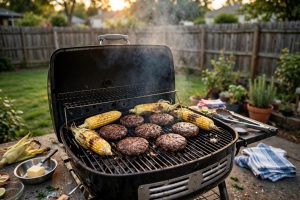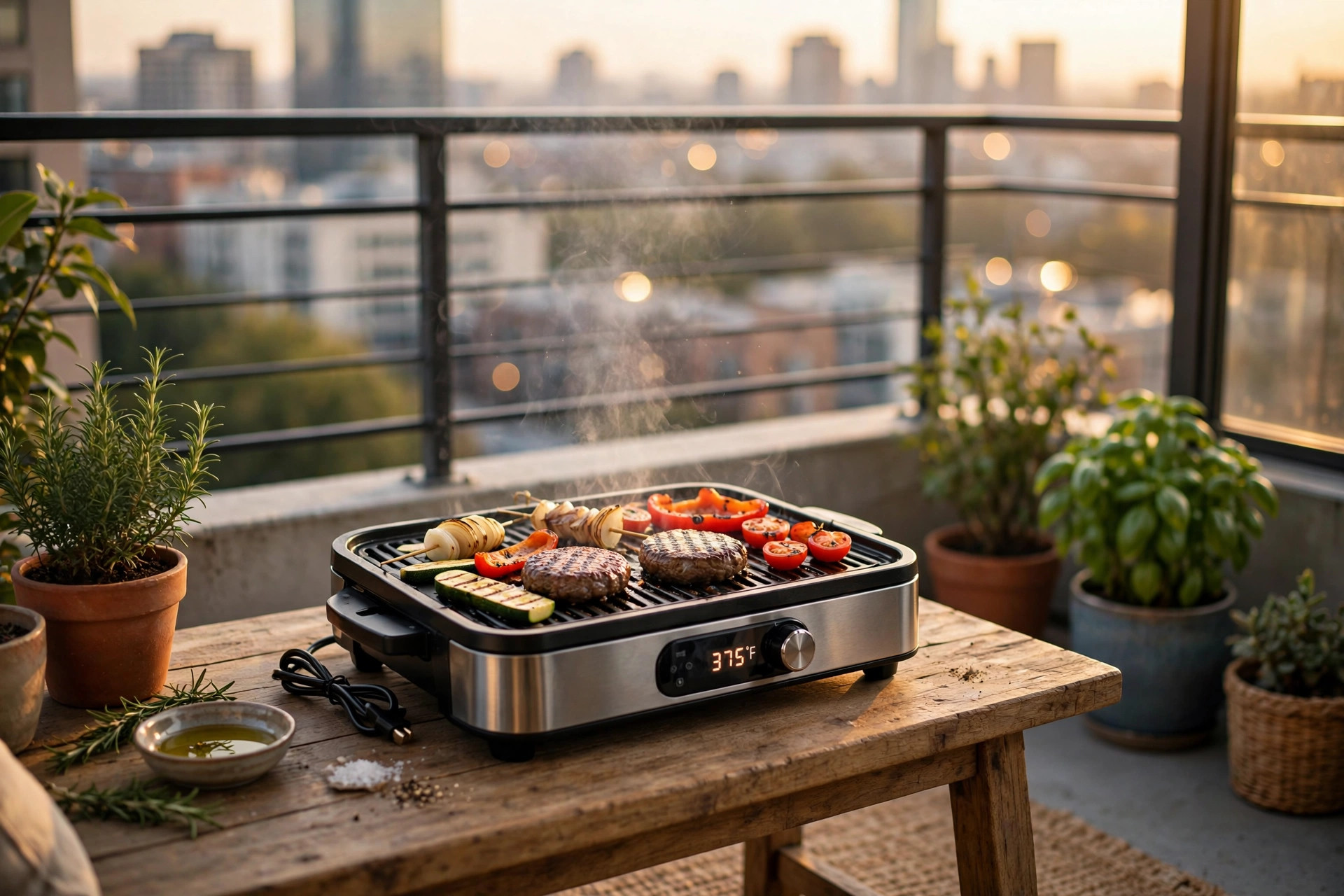

Many people who live in apartments still want to grill food at home. The smell of grilled meat and vegetables is hard to give up. But apartment life brings limits. There is little space. There are rules from landlords and building managers. Fire codes may ban open flames on balconies. This guide collects the best grill for apartment dwellers reviews and turns them into plain advice. It covers which grills are allowed, what to look for, how much to pay, and how to stay safe. The goal is simple. A person in an apartment should be able to enjoy grilled food without trouble.
Why Choosing the Right Grill Matters in an Apartment
A house with a yard gives a cook room for error. Smoke blows away. A large grill can sit far from the walls. An apartment gives none of these things. The balcony may be only a few feet deep. Neighbors are close. Smoke can drift into their windows. A landlord may have a written rule against charcoal or gas on the balcony. Many cities have fire rules that ban open flames above the first floor.
That is why reading the best grill for apartment dwellers reviews matters. The right choice avoids fines and avoids conflict with neighbors. It also keeps the cook safe. A grill that is wrong for a small space can set off a smoke alarm or, worse, start a fire. A good small grill fits the space, makes little smoke, and follows the building rules.
Know Your Rules Before You Buy: Best Grill for Apartment Dwellers Reviews
Before any purchase, read the lease. Most leases say what is allowed on a balcony or patio. Some allow electric grills only. A few allow gas grills with small fuel tanks. Charcoal is the most common type to be banned. It makes a lot of smoke and leaves hot coals that must be put out.
Check city and county fire codes too. Many fire codes say that charcoal and propane grills cannot be used on balconies above the ground floor. Electric grills are often exempt from these rules because they use no open flame. Ask the building manager in writing. A short email is enough. Save the answer. If a dispute comes up later, the written reply will help.
If the building allows nothing on the balcony, the grill can still be used indoors. Some electric grills are made for kitchen countertops. They cook the same food. They just need a window or a vent fan to handle the steam.
What to Look for in a Grill for an Apartment
Several features matter more for apartment living than for house living. Size comes first. Measure the balcony or patio. Leave at least two feet of clear space around the grill. A grill that is 20 inches wide is a good fit for most small balconies. Fold-up or cart-style models save space when not in use.
Smoke output comes second. Electric grills make almost no smoke. Small gas grills make some smoke but far less than charcoal. Smokeless designs use a special grate and a drip tray to cut down on flare-ups. These are worth the extra cost in close quarters.
Heat control is third. A grill with a steady temperature control cooks food evenly. Look for a model with a thermostat or a clear dial. Electric models often control heat best.
Easy cleaning is fourth. A grill that is hard to clean will soon become a greasy box on the balcony. Removable grates and drip trays help. Nonstick surfaces help too.
Weight and storage come fifth. A light grill can be moved inside during storms. A grill with a cover can stay out all season. Check the weight before buying. Many people must carry the grill up stairs.
Types of Grills That Work in Apartments
Electric Grills
Electric grills are the safest pick for most apartments. They use no fuel and no flame. Many buildings that ban all other grills still allow them. They heat up with an electric coil, much like a kitchen stove. Most reach a good grilling heat in ten minutes. They cook steaks, burgers, chicken, and vegetables well. Some even have lids that hold in heat for thicker cuts.
The limits are real but easy to live with. Electric grills need an outdoor outlet. An extension cord made for outdoor use can reach a far outlet. Electric grills also do not make the deep smoky taste that charcoal gives. But they are simple, clean, and safe. For full detail on balcony-sized models, see our guide to the /best-electric-grill-for-apartment-balcony/.
Small Gas Grills
Small gas grills use propane from a small tank. They heat fast and give a strong, even flame. They work well for people who want real flame-grilled flavor. Some are no larger than a briefcase. They sit on a table or on a small stand.
The main issue is the fuel. Propane tanks must be stored with care. Many buildings ban them on upper floors. Some fire codes allow only tanks of a certain small size. Always check the rules first. A gas grill also needs a smoke-smart setup to avoid bothering neighbors. Even so, a compact gas grill can be a fine pick where it is allowed.
Smokeless and Infrared Grills
Smokeless grills use special grates and fans to cut smoke. Infrared grills use radiant heat instead of a flame. Both are made for tight spaces. They cook fast and clean up easy. They cost more than basic electric models. But for a person who grills often on a small balcony, the higher price can be worth it.
Indoor Countertop Grills
Indoor grills sit on a kitchen counter. They plug into a normal wall outlet. They are small but strong. A countertop grill can sear a steak or grill a tray of vegetables. It works in winter too, when the balcony is too cold. These are the right pick for buildings that ban every outdoor grill.
Size Guide for Balconies and Small Patios
A balcony is not a yard. Measure before buying. Write down the width and depth of the space. Then subtract two feet from each side. What is left is the room for the grill.
Tabletop grills fit almost anywhere. They sit on a small table or on the balcony railing shelf. They are easy to move. They suit one or two people.
Stand and cart grills are larger. They suit a family of three or four. They need a patio of at least four feet by four feet. Many have wheels, so they can roll to a corner when not in use.
Think about heat reaching the walls. Keep the grill at least three feet from walls, doors, and fabric chairs. Keep it away from the ceiling of a covered balcony. Heat rises and can stain or damage the ceiling.
Cost and Price Ranges
Apartment grills cost less than large backyard grills. Basic electric tabletop grills start around 50 to 100 dollars. They are small and simple. They suit light use, such as weekend burgers.
Mid-range models cost 100 to 250 dollars. These have better heat control, larger cooking areas, and lids. Most apartment cooks will be happy in this range. Reviews from sites such as Consumer Reports often point out that build quality jumps in this band.
High-end compact grills cost 250 to 500 dollars. These are smokeless models, strong infrared grills, or premium small gas grills. They last longer and cook better. A person who grills every week may find the price fair over time.
Do not forget the extras. A grill cover costs 20 to 40 dollars. Tools cost another 20 to 30 dollars. An outdoor extension cord costs about 25 dollars. These small items add up, so plan for them in the budget. Retailers such as The Home Depot carry most of them in one place.
How Reviews Judge Apartment Grills
The best grill for apartment dwellers reviews share a few common tests. Heat tests come first. Reviewers measure how fast the grill heats and how even the heat is. Hot spots burn food. Cool spots leave food raw.
Smoke tests come second. Reviewers watch how much smoke rises during a normal cook. In an apartment setting, low smoke is a big plus.
Size and storage tests come third. Reviewers check the true footprint and whether the grill folds or stands upright for storage.
Ease of cleaning is fourth. Reviewers cook a greasy meal and then time the cleanup. Removable parts score well.
Durability is fifth. Reviewers look at the materials and the warranty. Stainless steel parts last longer than painted parts. A two-year warranty is a good sign.
For ideas on how to judge a product, cooking sites such as The Spruce Eats publish clear testing methods that are easy to follow at home.
Cooking Tips for Small-Space Grilling
Cooking on a small grill is a skill. Food is close to the heat, so it cooks fast. Watch it closely. Thin foods like burgers and vegetables work best. Thick steaks need a lid to cook through without burning the outside.
Cut food into even pieces. Even pieces cook at the same speed. Marinate meat before grilling. It adds taste and keeps the meat moist under strong heat.
Use a thermometer. Small grills can fool the eye. The outside may look done while the inside is raw. A simple probe thermometer removes the guesswork.
Keep the lid closed when you can. A closed lid traps heat and cooks food faster. It also cuts down on smoke. This helps keep neighbors happy.
Clean the grate before each cook. Old grease makes smoke and bad taste. A wire brush and a few minutes of work keep the grill ready. Guides from makers such as Char-Broil show simple cleaning steps that fit a small grill.
Care and Upkeep
A grill on a balcony faces sun, rain, and wind. A cover is the cheapest way to protect it. Put the cover on after the grill cools. If the grill is electric, unplug it and bring the cord inside.
Clean the drip tray after each use. Grease that sits in the tray can catch fire at the next cook. Wipe the body with a damp cloth once a week.
In winter, store the grill inside if space allows. A garage, a storage closet, or a corner of the laundry room all work. If the grill must stay outside, add a heavy cover and tie it down. Wind can push a light grill off a balcony table.
Once a year, give the grill a deep clean. Take off the grates. Soak them in hot soapy water. Scrub away the old grease. Check screws and joints. Tighten what is loose. A grill that is kept clean cooks better and lasts years longer.
Safety Rules for Apartment Grilling
Safety is the heart of this topic. Follow these rules every time.
Never leave a hot grill alone. Stay near it from start to finish. Most grill fires start when the cook steps away.
Keep a spray bottle of water near the grill. It can stop a small flare-up. For a larger fire, use a kitchen fire extinguisher. Know where the extinguisher is before you start cooking.
Keep the grill away from walls, rails, and furniture. Heat can damage paint, melt plastic, and set fabric on fire. Three feet of space is the minimum.
Do not use charcoal on a balcony unless the lease and the fire code allow it. Charcoal stays hot for a long time. It is easy to knock over in a small space.
Store fuel with care. Propane tanks should stand upright in a cool, open place. Never store a tank in a closed closet or near a heat source.
Watch the wind. Strong wind can blow heat and sparks onto the building. If the wind is strong, cook inside or wait for a calm day.
Know the building alarm plan. If the smoke alarm goes off, open windows and turn on the fan.
Families with strong grilling interest may also enjoy our guide to the /best-portable-grill-for-camping-reviews/ for trips away from home, and those planning a larger setup can read /how-to-build-outdoor-kitchen-on-budget/.
Frequently Asked Questions
Can I use a charcoal grill on my apartment balcony?
In most cases, no. Many leases and most city fire codes ban charcoal grills on balconies, above the ground floor, or near the building. Charcoal makes a lot of smoke and the coals stay hot for hours. Check the lease and local rules. When in doubt, use electric.
What is the safest grill for apartment living?
An electric grill is the safest common choice. It uses no fuel and no open flame. It makes little smoke. Many buildings allow electric grills even when they ban gas and charcoal. Indoor countertop grills are also very safe.
How do I keep grill smoke away from my neighbors?
Cook with the lid closed. Keep the grates clean. Choose foods that make less smoke, such as vegetables and lean meat. Grill at times when neighbors are less likely to have windows open. An electric or smokeless grill makes this much easier.
Do I need a permit to grill on a balcony?
Most cities do not need a permit for a small home grill. But fire codes may limit or ban certain grills on balconies. Check the local fire code and the lease. The building manager can answer this question in a short email.
Can I store a propane tank on my balcony?
Some fire codes allow small tanks on ground-floor patios only. Many ban tanks on upper balconies. Tanks must stand upright and stay cool. Check local rules before buying a gas grill.
How long does a small electric grill last?
A well-kept electric grill can last five to eight years. Cheap models may last two to three years. Cleaning after each use and storing the grill under a cover add years to its life. A longer warranty often signals a better-built grill.
A Short Final Word
The best grill for apartment dwellers reviews all point to the same lesson. Small spaces need small, clean, safe grills. Electric models win for most apartment cooks. They fit balconies, make little smoke, and pass most building rules. Small gas and smokeless models suit those with more room and looser rules. Whatever you choose, read the lease, respect the neighbors, and keep safety first. A little care turns a small balcony into a fine place for grilled food.
For more background, see Big Green Egg, Broil King, and Weber.
References
AmazingRibs.com. (n.d.). Barbecue and grilling science. https://www.amazingribs.com Big Green Egg. (n.d.). Kamado grills and outdoor cooking. https://www.biggreenegg.com Broil King. (n.d.). Gas and charcoal grills. https://www.broilkingbbq.com Char-Broil. (n.d.). Gas and charcoal grills. https://www.charbroil.com Consumer Reports. (n.d.). Product reviews and ratings. https://www.consumerreports.org The Home Depot. (n.d.). Home improvement products. https://www.homedepot.com The Spruce Eats. (n.d.). Recipes and cooking guides. https://www.thespruceeats.com Weber. (n.d.). Grills and outdoor cooking. https://www.weber.com
Was this guide helpful?

About Lisa Anderson
The My Garden US editorial team writes practical, in-depth home and garden guides for American homeowners — tested advice, no fluff.
You May Also Like

Smoker for Sale Near Me Used: A Practical Guide to Buying Secondhand
January 8, 2026 0 views
How to Clean Grill Grates with Onion: A Simple Guide
February 19, 2026 0 views
Outdoor Kitchen Design Ideas for Backyard
March 6, 2026 0 views