
Introduction
The best smoker for beginners under 300 is not hard to find. Many new cooks think smoking meat takes skill and money. It takes neither. It takes a steady low heat and time. A good smoker under three hundred dollars can cook ribs, brisket, chicken, and pork shoulder. It can do this for years.
This guide explains how to pick one. It uses plain words. You will learn the types of smokers. You will learn what to look for. You will learn about cost, care, and safety. By the end, you will know which smoker fits your yard and your budget. Let us start with why a smoker is worth the space it takes.
Why It Matters: Best Smoker for Beginners under 300
A smoker does what a grill cannot do well. A grill cooks hot and fast. A smoker cooks low and slow. Low heat over many hours turns tough cuts of meat into soft, tender food. The smoke adds flavor that no oven can copy.
Many people start with a grill. They learn to sear a steak. Then they try ribs. The ribs burn on the outside and stay raw near the bone. This is the moment a smoker makes sense. It holds heat at about 225 degrees. It feeds the fire with wood or charcoal or pellets. The meat sits in gentle heat for hours. The result is worth the wait.
A beginner smoker under 300 keeps the risk low. You do not need to spend big to learn. If you fall in love with smoking, you can upgrade later. If you smoke twice a year, a budget unit is enough. For more grilling ideas, see our guide to the best grill for high altitude cooking. For cooks who like to travel, our best bbq for camping trips reviews cover portable gear.
How to Choose the Best Smoker for Beginners Under 300
Choice starts with fuel. Each fuel gives a different taste and a different chore. Then comes size. Then comes how well the smoker holds heat. Each point is explained below.
Types of Fuel
Charcoal smokers burn lump charcoal or briquettes. Wood chunks add the smoke flavor. These smokers cost less. They teach real fire control. They need more watching. Many fans of old-style barbecue swear by them. Guides at Amazing Ribs explain the craft of charcoal smoking in clear detail.
Electric smokers plug into a wall outlet. A heating element warms wood chips. The chips make the smoke. These are the easiest for a beginner. You set a dial and wait. They need an outdoor outlet. They do not make as strong a smoke flavor as charcoal.
Pellet smokers burn small wood pellets from a hopper. An auger feeds pellets as needed. They hold temperature well. They cost more to run. A few models sit near the top of the under-300 range. Traeger makes well-known pellet units, and Broil King builds solid outdoor cookers as well.
Propane smokers burn gas from a tank. They heat fast. They are easy to control. You must keep a spare tank on hand. They fall between electric and charcoal in ease of use.
Size and Cooking Space
Smokers are sold by how much food they hold. A small bullet smoker fits two racks of ribs. A vertical cabinet fits more. Think about what you will cook. A family of four needs room for a whole chicken and a rack of ribs. A cook who hosts parties needs more.
Big smokers use more fuel. They also take longer to heat up. For most beginners, a medium size is best. It holds enough for a small crowd. It does not waste fuel.
Holding Heat
The best smoker holds a steady temperature. Cheap thin metal loses heat in wind. Thicker steel holds it better. A tight door seal keeps heat in. A good thermometer tells the truth.
Many smokers ship with a cheap dial thermometer on the lid. These often read wrong. A digital probe is better. It sits near the meat and gives a true reading. Consumer Reports tests cooking gear for real-world performance, and their notes on thermometer accuracy are worth a look before you buy.
Types of Smokers You Can Buy for Under $300
Bullet Smokers
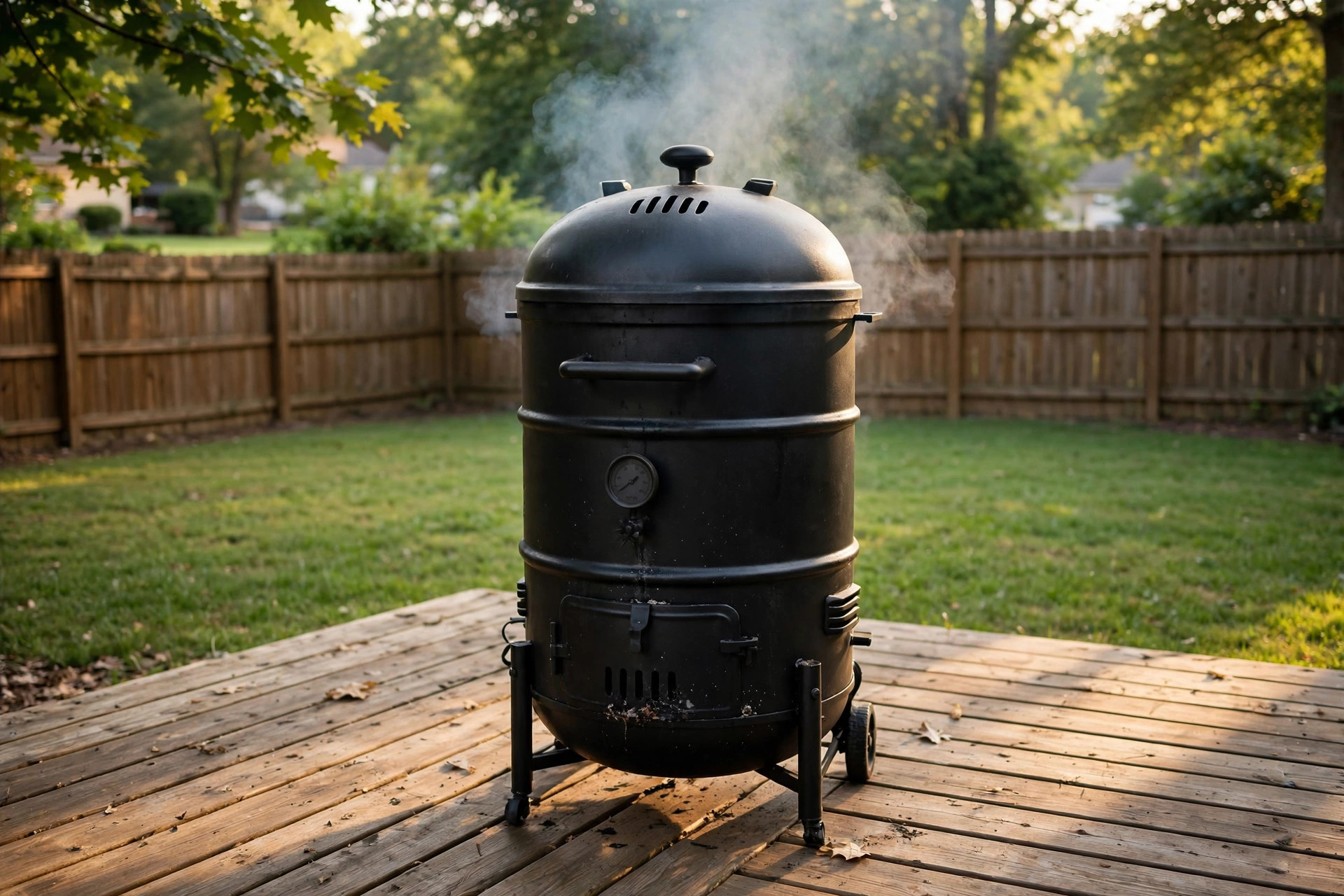
A bullet smoker looks like a metal drum. It has three parts: a fire bowl at the bottom, a water pan in the middle, and racks on top. Heat rises through the pan. The pan keeps the air moist. These are simple and cheap. Many cost well under 300 dollars. They teach fire control. A Weber kettle-style unit or a bullet design is a common first pick.
Vertical Cabinet Smokers
These look like a small fridge. They stand tall. They hold many racks. Some burn charcoal. Some are electric. Some are propane. The vertical shape saves floor space. Char-Broil sells vertical models that many beginners like.
Kamado-Style Cookers
A kamado is an egg-shaped cooker made of ceramic. It can grill hot or smoke low. It holds heat very well. Entry models near the 300 mark exist. Big Green Egg is the famous name in this style. Ceramic holds heat for hours on little fuel.
Offset Smokers at This Price
An offset smoker has a firebox on the side and a long cook chamber. Heat flows across the meat. Good ones cost more than 300. Cheap ones leak heat and need work. Beginners should skip cheap offsets. A bullet or vertical smoker is a better first buy.
Electric Box Smokers
These are simple boxes with a heating element. You add wood chips through a side door. You set the temperature and close the door. They are the easiest to learn on. Reviews at The Spruce Eats compare electric models for home cooks.
What to Look for Before You Buy
Read the build quality first. Thick steel beats thin tin. Heavy lids seal better. Welded joints beat folded tabs. Shake the display model in the store if you can. A rattling door is a bad sign.
Check the vent system. Good smokers have vents top and bottom. Bottom vents feed the fire. Top vents let smoke out. You need both to control heat. One vent is not enough.
Look at the grease path. Fat drips during a long cook. A drip pan or sloped tray catches it. Without one, fat hits the fire and flares. Grease fires ruin meat and scare beginners.
Check where the thermometer sits. Lid thermometers read hotter air near the top. A probe at rack level is truer. Plan to buy a two-probe digital thermometer. One probe tracks the cooker. One tracks the meat. It is the best twenty dollars a beginner can spend.
Think about assembly. Some smokers take an hour to put together. Some take three. Read the manual before you buy if you can. Napoleon and other makers post manuals online. A clear manual is a good sign of a careful maker.
Stores like The Home Depot stock many of these models, so you can see the build in person. Seeing the door seal and the metal thickness with your own eyes beats any photo. For an outdoor kitchen setup, our piece on the best outdoor sink for fish cleaning may also interest anglers who smoke their catch.
Cost and Price
A beginner smoker under 300 breaks down into three costs. The cooker itself. The fuel. The small extras.
The cooker: bullet smokers run 100 to 250 dollars. Vertical charcoal or electric boxes run 150 to 300. Entry kamados sit at the top of the range. Sale prices in spring drop many models by 20 percent.
The fuel: a bag of charcoal costs 15 to 25 dollars. Wood chunks cost 8 to 12 a bag. Pellets cost 15 to 20 a bag. A long brisket cook may burn through 15 dollars of fuel. Short cooks cost less.
The extras: a digital thermometer, 20 to 40 dollars. A cover, 25 to 40 dollars. Tongs and gloves, 15 to 25. A chimney starter for charcoal, 15 dollars. Plan on 75 to 100 dollars in extras. Even with extras, the full setup stays near the 300 mark.
Over five years, a 200-dollar smoker costs about 40 dollars a year. That is cheap for a hobby. Compare it with dining out once a month. The smoker wins.
Care and Upkeep
Clean after every cook. Let the smoker cool first. Scrape the grates with a brush. Empty the ash pan. Ash holds moisture. Moisture rusts steel.
Wash the water pan with soap and water. Grease builds up fast. Old grease smells bad on the next cook. Dry every part before you put the smoker away.
Oil the grates now and then. A light coat of cooking oil stops rust. Do this while the grates are warm. Wipe off the extra.
Cover the smoker when it sits outside. Sun and rain age metal fast. A fitted cover lasts longer than a tarp. A tarp flaps and traps water.
Check the door seal each spring. Gaskets wear out. A ten-dollar gasket kit fixes most leaks. Tight bolts too. Heat loosens them over time.
Store fuel dry. Charcoal soaks up water from damp air. Wet charcoal smokes badly and lights hard. Keep bags in a shed or a sealed bin.
Safety
Fire safety comes first. Put the smoker on a flat, non-wood surface. Keep it ten feet from the house. Keep it away from low branches and dry leaves. Never use a smoker in a garage or under a roof. Smoke and carbon monoxide can kill.
Watch grease. A grease fire starts fast. Keep a lid or a sheet pan near the smoker. Do not throw water on a grease fire. Close the vents to starve the flame.
Handle hot parts with care. Lids, handles, and racks burn skin. Use long gloves made for heat. Keep children and pets away from the smoker during a cook. The outside of a cheap smoker gets very hot.
Food safety matters too. Keep raw meat cold until it goes on the smoker. Do not let meat sit out for more than two hours. Cook poultry to 165 degrees inside. Cook pork to at least 145, though most smokers take it higher for tenderness. Use your probe thermometer. Do not guess.
Let ash cool a full day before you dump it. Hot ash starts fires in trash cans. Put cold ash in a metal can with a lid.
FAQ
How long does it take to smoke ribs? Spare ribs take about five to six hours at 225 degrees. Baby back ribs take four to five. Time changes with the meat and the weather. Trust the feel and the temperature, not the clock.
Can a beginner smoker under 300 cook a whole brisket? Yes, if the cooking chamber is big enough. A full packer brisket needs a wide rack. Many bullet and vertical smokers fit one. It takes 10 to 14 hours. Start early in the morning.
Do I need to soak wood chips? Soaking is optional. Wet chips steam before they smoke. Dry chunks give cleaner smoke. Most seasoned cooks use dry wood. Save the soaking for a rainy day myth.
What wood is best for a beginner? Start with hickory or oak. They suit most meats. Apple and cherry are mild and sweet. They suit chicken and pork. Avoid pine and softwoods. They make bitter, sooty smoke.
Is an electric smoker real smoking? Yes. It makes real smoke from real wood. The flavor is milder than charcoal. For a beginner, mild is fine. You can learn fire control later on a second cooker.
How often should I open the lid? As little as possible. Every open lid dumps heat. It adds 15 minutes to the cook. Look through the vent or trust the thermometer. If you are looking, you are not cooking.
A Short Final Word
The best smoker for beginners under 300 is the one you will use. A simple bullet smoker, a vertical box, or an electric unit can all make fine barbecue. Pick the fuel you are willing to tend. Buy the size your family needs. Keep the heat steady and be patient. Good smoke takes time. Your first rack of ribs will teach you more than any guide. Light the fire and begin.
References
AmazingRibs.com. (n.d.). Barbecue and grilling science. https://www.amazingribs.com Big Green Egg. (n.d.). Kamado grills and outdoor cooking. https://www.biggreenegg.com Broil King. (n.d.). Gas and charcoal grills. https://www.broilkingbbq.com Char-Broil. (n.d.). Gas and charcoal grills. https://www.charbroil.com Consumer Reports. (n.d.). Product reviews and ratings. https://www.consumerreports.org Napoleon. (n.d.). Fireplaces, grills, and heating products. https://www.napoleon.com The Home Depot. (n.d.). Home improvement products. https://www.homedepot.com The Spruce Eats. (n.d.). Recipes and cooking guides. https://www.thespruceeats.com Traeger. (n.d.). Wood pellet grills. https://www.traeger.com Weber. (n.d.). Grills and outdoor cooking. https://www.weber.com
Was this guide helpful?

About Emily Rodriguez
The My Garden US editorial team writes practical, in-depth home and garden guides for American homeowners — tested advice, no fluff.
You May Also Like
How to Clean Grease From Gas Grill: A Complete Step-by-Step Guide
June 2, 2026 0 views
The Best BBQ Injector for Brisket Reviews: What Real Cooks Look For
February 18, 2026 0 views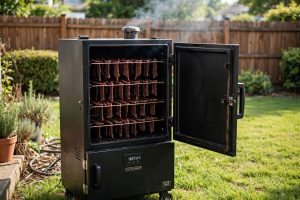
Best Smoker for Jerky Making Reviews: A Plain Buying Guide
September 25, 2026 0 views