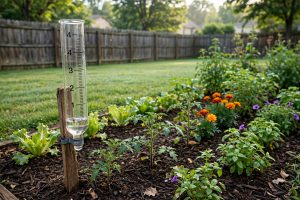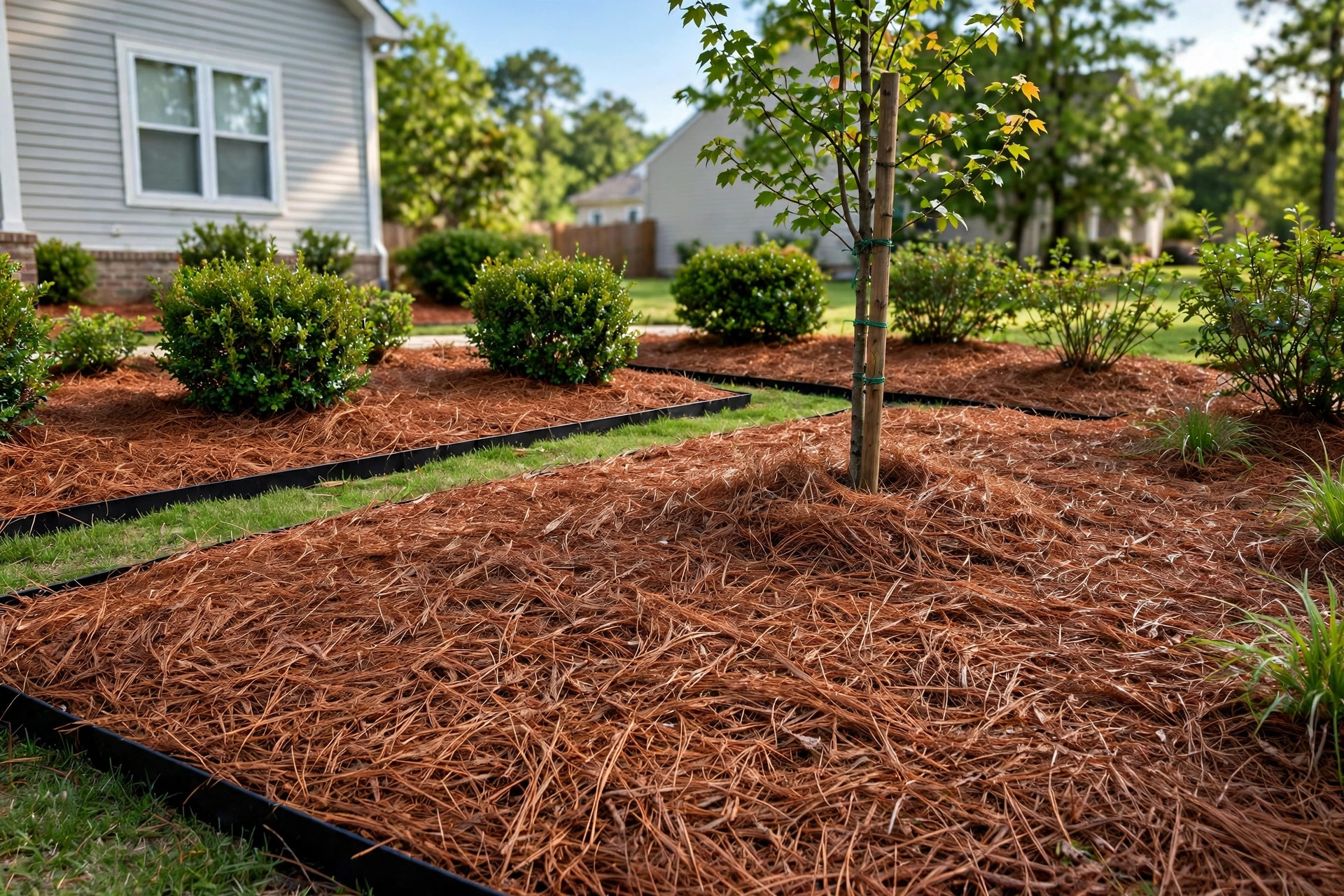

Every spring, the same chore waits. The flower beds look bare. Weeds start to rise. The soil dries out under the hot sun. A fresh layer of pine straw mulch fixes all three problems in one day. And when you find cheap pine straw mulch delivery near me, the whole job gets even easier. The bales come to your driveway. You spread them in an afternoon. The yard looks new again.
This guide explains how pine straw delivery works. It covers the types of pine straw, the prices you can expect, and how to pick a good supplier. It also gives tips on how much to order, how to spread it, and how to keep it looking fresh all year.
Why It Matters
Pine straw is one of the simplest mulches a homeowner can use. It comes from the fallen needles of pine trees. In the South and across much of the United States, pine trees shed needles every year. Workers rake them up, bale them, and sell them as mulch. Nothing is wasted.
A good layer of pine straw does four useful things. First, it holds water in the soil. The needles catch rain and slow down runoff. The soil under them stays damp longer. Second, it stops weeds. A thick layer blocks light, and most weed seeds cannot grow in the dark. Third, it feeds the soil. As the needles break down, they add organic matter. The soil grows richer year after year. Fourth, it keeps the yard neat. Fresh pine straw has a warm, rusty color that makes plants and flowers stand out.
There is another reason many homeowners pick pine straw. It is cheap. Compared to hardwood bark or bagged mulch, pine straw often costs less per square foot. When you add delivery, the savings stay real. A truck of bales covers a large bed for a modest price. That is why the search for cheap pine straw mulch delivery near me has grown so popular.
What to Look for When Ordering: Cheap Pine Straw Mulch Delivery near Me
Not all pine straw is the same. Some bales are clean and long. Others are full of sticks, cones, and trash. The clean bales spread faster and look better. Here is what to check before you buy.
Needle Length
Longleaf pine needles are the longest. They can reach ten inches or more. They knit together well and stay in place on slopes. Slash pine needles are shorter, around six inches. Loblolly needles are the shortest. Long needles usually cost a bit more, but they cover better and last longer.
Cleanliness
Good bales have few sticks and cones. Poor bales have many. Sticks make spreading slow. They also look rough in the bed. When you call a supplier, ask how they clean their straw. Some run it through a tumbler. Others bale it straight from the ground. The tumbled bales are worth a small extra fee.
Moisture
Fresh pine straw should feel dry. Wet bales weigh more and can grow mold. If bales sit out in the rain at the yard, ask for bales from under cover. Dry bales spread easier and smell fresh.
Bale Size
A standard pine straw bale weighs about twenty-five to thirty pounds. It covers roughly sixty to eighty square feet at a three-inch depth. Some suppliers sell jumbo bales. A jumbo bale can weigh fifty pounds and cover twice the area. Always ask how many square feet a bale covers. That number lets you compare prices fairly.
Types of Pine Straw and Options
Pine straw comes in a few main types. Each has its own look and price.
Longleaf pine straw is the favorite of most landscapers. The needles are long and thick. They lay flat and stay put. The color is a deep rust red. Longleaf bales cost the most, but they give the best finish.
Slash pine straw is common in Florida and Georgia. The needles are medium length. The color is a bright golden brown. The price sits in the middle.
Loblolly pine straw is the cheapest. The needles are short and fine. They break down faster than longleaf. For a budget job, loblolly works well.
If you are still choosing the right material for your beds, read our guide to the best mulch for flower beds bulk delivery for a wider look at bark, straw, and other options. A landscape mulch calculator can also help you work out how much material your beds need before you call.
Cost and Price
Price is the main reason most people search for cheap pine straw mulch delivery near me. Here are the numbers you can expect in most parts of the country.
A single bale at a garden center often costs between five and eight dollars. Delivered in bulk, the price drops. Many suppliers sell bales for four to six dollars each when you order fifty or more. A truckload of one hundred bales may run four hundred to five hundred dollars, delivery included.
Delivery fees vary by distance. A local supplier may deliver free with a minimum order of twenty-five bales. Others charge a flat fee of twenty-five to seventy-five dollars. The fee rises for long trips. Always ask the full delivered price per bale. That is the number that matters.
Watch for hidden costs. Some sellers charge extra for unloading. Others stack the bales for you at no charge. Ask whether the price includes tax. Ask whether the bales are dry. A wet bale costs you money twice: once in the price, once in the extra weight you haul.
The season affects price too. Pine straw is cheapest in late fall and winter, when fresh needles fall and supply is high. It is dearest in late spring, when every homeowner wants it.
For homeowners who want the whole job done, some firms spread the straw for you. Spreading labor adds about one to two dollars per bale. An affordable mulch installation service near you can be worth the fee if you have many beds or a steep slope.
Retailers such as Home Depot list pine straw by the bale for pickup, which gives a useful price check against local yards. Sites like The Spruce publish mulching guides that explain standard bed depths and coverage math.
How to Order Delivery
Ordering is simple. Most suppliers take orders by phone or through a simple website. Here is a smooth way to do it.
First, measure your beds. Walk the yard with a tape measure. Multiply length by width for each bed. Add the numbers together. This gives your total square feet.
Second, decide on depth. Three inches is the standard for pine straw. Two inches is too thin. Weeds will push through.
Third, do the math. Divide your total square feet by seventy. That is roughly how many standard bales you need for a three-inch layer.
Fourth, call three suppliers. Ask the same questions each time: the price per bale delivered, the pine type, whether bales are clean, and the delivery day. Write the answers down. Pick the best value, not just the lowest price.
Fifth, clear the beds before delivery. Pull the big weeds. Edge the beds with a spade or an edger. A clean edge makes the finished job look sharp.
Sixth, be home for the delivery if you can. Check the bales. They should feel light and dry. They should smell like fresh pine. If a bale looks full of sticks, set it aside and tell the driver.
Companies that specialize in local yard work, such as LawnStarter, can connect you with crews who deliver and spread straw in one visit.
Spreading the Straw
Spreading pine straw is easy work. It goes faster than most people expect. Wear gloves. The needles can prick your hands. A leaf blower from a brand like RYOBI can clear loose leaves off fresh straw in seconds.
Start by shaking each bale open. Pull the strings or wire. Lift the bale and shake it over the bed. The straw will fall in a thick pile. Use a rake or your hands to pull it out to an even depth. Tuck the edges under along the bed border. This gives a crisp line that holds the straw in place.
Work in small sections. Finish one bed before you start the next. Step back often and look at the bed from a distance. Thin spots show up best from far away. Add straw where you see soil.
Around trees, keep the straw a few inches from the trunk. Straw piled against bark holds water and can rot the trunk. A small ring of bare soil around the trunk is the right practice.
On slopes, lay the straw a bit thicker. Gravity pulls loose needles downhill. A four-inch layer on a slope will settle to three inches soon enough.
Water the beds lightly after spreading. This settles the straw and locks it in place.
Longer-lasting equipment choices matter for yard upkeep too. Brands like Scotts and Pennington sell seed and lawn care products that pair well with a mulched bed program.
Care and Upkeep
Pine straw breaks down over time. That is natural. It feeds the soil as it rots. Most beds need a fresh top-up once or twice a year. Here is how to keep them looking good.
Rake the beds lightly every few weeks. Leaves and twigs fall on top of the straw. A leaf rake pulls them off without moving the straw.
Add new straw when you can see soil. In hot climates, the top layer fades to gray within a few months. A thin top-up of fresh straw brings back the color. Many homeowners do one heavy spread in spring and one light top-up in fall.
Watch the depth near plants. As straw settles, it can pack down around stems. Fluff it up with your hands. Air around the stems keeps plants healthy.
Keep gutters and downspouts clear. Heavy rain running off the roof can wash straw out of beds. A splash block or a short extension on the downspout directs water away.
For bigger yard machines that help with fall cleanup, Greenworks and John Deere both sell battery and gas tools that make bed edges and leaf work quicker.
Safety
Pine straw is safe for most yards. A few points are worth care.
Pine straw burns. Like any dry mulch, it can catch fire from a dropped cigarette or a stray ember. Keep it away from grills, fire pits, and outdoor heaters. Do not smoke near fresh beds.
Pine straw can make soil more acidic over time. This is good for azaleas, gardenias, and blueberries. It is less good for plants that like sweet soil. If your plants look pale, test the soil. A garden center can test a sample for a small fee.
Snakes and insects like the cover of straw. Keep the layer at three inches, not six. Thick piles give pests a hiding place. Keep the straw away from the house foundation to avoid termites.
Wear a dust mask if you are sensitive. Old straw can raise dust when you shake it. Gloves and long sleeves stop most skin pricks.
Independent testing groups like Consumer Reports review yard products and publish safety notes that are worth a read before buying new equipment.
FAQ
How many bales do I need for my yard?
Measure each bed in square feet and add the totals. Divide by seventy for standard bales. That gives the number of bales for a three-inch layer. Add ten percent extra for waste. A small front yard often needs thirty to fifty bales. A large yard may need one hundred or more.
Is pine straw better than bark mulch?
It depends on your goal. Pine straw is lighter, cheaper, and faster to spread. It breaks down in about a year and feeds the soil. Bark mulch lasts longer and stays in place better on slopes. Many homeowners in the South pick pine straw because it is the local, low-cost choice.
How long does pine straw last?
A fresh layer looks its best for about six months. After a year, much of it has broken down into the soil. Plan on one full spread each spring and a light top-up in the fall. Longleaf needles last the longest. Loblolly needles break down the fastest.
Can I spread pine straw myself?
Yes. It is one of the easiest yard jobs. A healthy adult can spread fifty bales in a few hours. Wear gloves and work bed by bed.
Does pine straw attract termites?
Pine straw is less tasty to termites than wood mulch. Termites eat wood, not pine needles. Still, keep any mulch a few inches away from the house foundation. This rule applies to all mulches.
When is the best time to buy?
Late fall and early winter bring the lowest prices. Fresh straw falls from the trees then, and supply is high. Spring is the busiest season, and prices rise. Buy early if you have a dry place to store the bales.
A Short Final Word
Cheap pine straw mulch delivery near me is more than a search term. It is a smart way to care for your yard. The straw holds water, stops weeds, and feeds the soil. The delivery saves your back. The price stays low when you order in bulk and compare suppliers.
Measure your beds. Call three yards. Ask about the pine type and the cleanliness of the bales. Then spend a Saturday spreading. By evening, the beds will look neat and the yard will feel new. That is a good day of work, done at a fair price.
References
Deere & Company. (n.d.). Lawn and garden equipment. https://www.deere.com Greenworks Tools. (n.d.). Battery-powered outdoor power equipment. https://www.greenworkstools.com LawnStarter. (n.d.). Lawn care and landscaping services. https://www.lawnstarter.com Pennington. (n.d.). Seed, fertilizer, and lawn care products. https://www.pennington.com RYOBI. (n.d.). Power tools and outdoor equipment. https://www.ryobitools.com Scotts. (n.d.). Lawn care products and grass seed. https://www.scotts.com The Spruce. (n.d.). Home and garden guides. https://www.thespruce.com Consumer Reports. (n.d.). Product reviews and ratings. https://www.consumerreports.org The Home Depot. (n.d.). Home improvement and garden supplies. https://www.homedepot.com
Was this guide helpful?

About David Wilson
The My Garden US editorial team writes practical, in-depth home and garden guides for American homeowners — tested advice, no fluff.
You May Also Like
Best Handheld Spreader for Small Lawns: A Practical Buying Guide
April 1, 2026 0 views
How to Winterize a Lawn Mower for Storage
January 17, 2026 0 views
Crabgrass Killer for Lawns Reviews: A Homeowner’s Guide
January 30, 2026 0 views