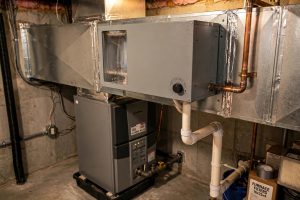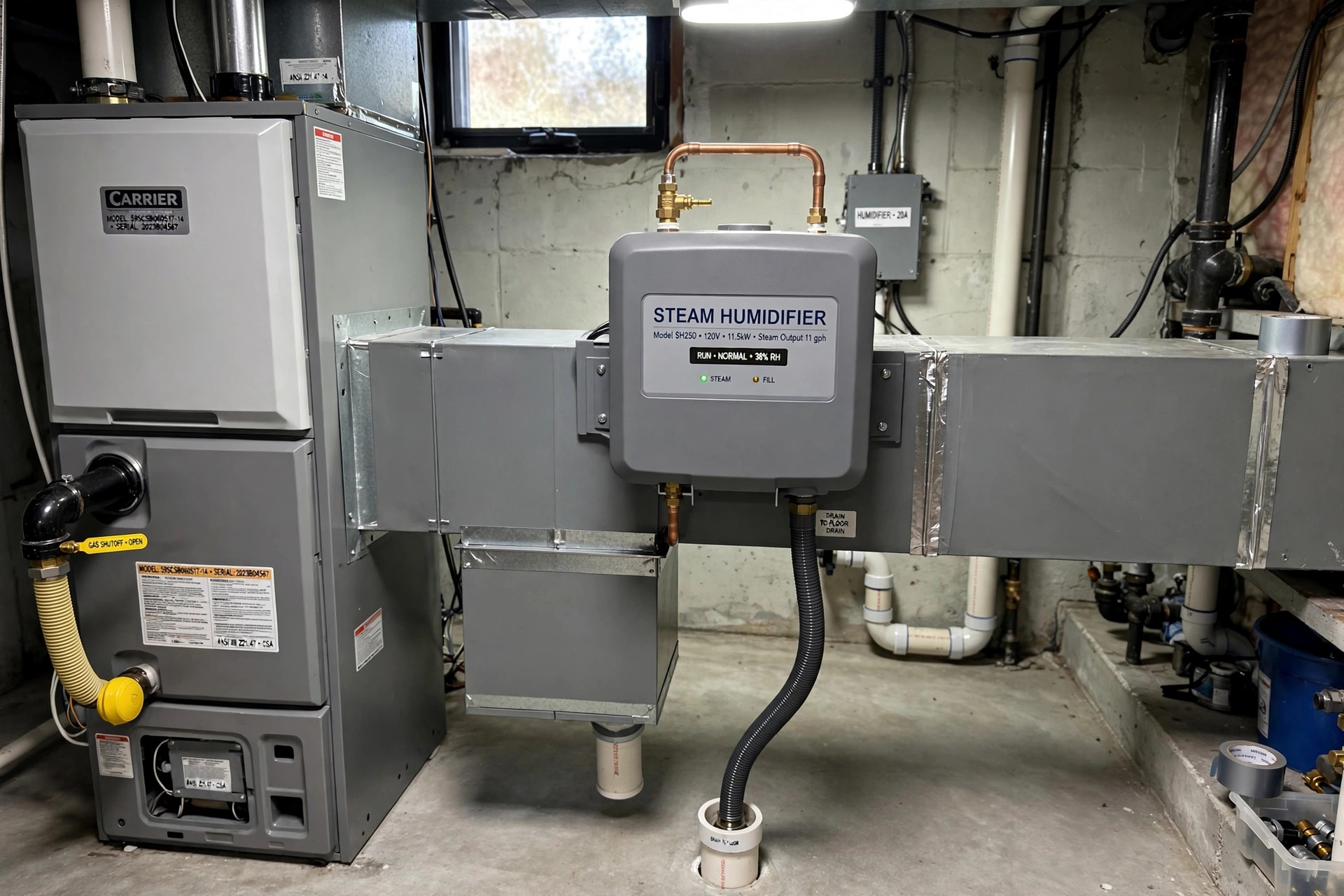

Dry indoor air is a quiet problem in American homes. Each winter, heating systems warm the air and strip out its moisture. Noses dry out. Throats grow sore. Wood floors shrink and crack. Static shocks greet every doorknob. A steam humidifier for whole house use promises to fix all of this from one central unit. It connects to the furnace, boils water into steam, and sends that steam through the ductwork into every room. This guide collects the main points from steam humidifier for whole house reviews usa shoppers read before they buy. It covers why humidity matters, how to choose a unit, the main types, costs, upkeep, and safety.
Why It Matters
Indoor air in winter often falls to 15 or 25 percent relative humidity. Experts say homes should sit near 30 to 50 percent. When air is too dry, people notice it fast. Skin itches. Lips crack. Sinuses feel raw. Viruses also spread more easily in very dry air. Furniture and hardwood floors suffer as well. Wood gives up its moisture and pulls apart at the joints. A whole house steam humidifier keeps the whole home in a healthier range, not just one room.
Portable humidifiers fill one small room at a time. They need daily refills and constant cleaning. A steam unit plumbed into the furnace has no tank to fill. It works with the existing ductwork. It can raise humidity fast, even on the coldest days. Reviews from homeowners often point to this as the main reason they switched from portable units to a central steam system. They also like that there is no water sitting still in a tank, which lowers the risk of mold.
Another point that shows up in reviews is comfort. Humid air feels warmer than dry air at the same temperature. Many homeowners find they can turn the thermostat down a degree or two and feel the same comfort. That small change can cut heating bills over a full winter. Makers of heating equipment note this in their guides, and sites such as Trane and Carrier publish advice on balancing humidity with heating for better comfort.
What to Look for When You Choose: Steam Humidifier for Whole House Reviews Usa
Output Rating
Steam humidifiers are rated by how many gallons of water they turn into steam per day. Common sizes run from about 6 to 23 gallons per day. Small homes under 2,000 square feet often do well with 6 to 12 gallons. Larger homes of 3,000 square feet or more may need 16 gallons or higher. Reviewers advise buyers to size for the coldest month, not the mild one. A unit that is too small will run all day and still fall short.
Water Quality
Steam units boil water to make steam, so mineral content matters. Hard water leaves scale on the heating element or electrodes. Some models need a water filter or softener to work well. Others have a self-cleaning or flush cycle that drains mineral-rich water on a schedule. Reviews often warn that hard-water areas need extra care. Check the manual for what the maker allows. The U.S. Department of Energy also notes that water quality affects the life and cost of water-using home equipment.
Wiring and Controls
Most steam humidifiers wire into the furnace control board. Some need a dedicated 240-volt circuit for higher-output models. All good units have a humidistat, a small control that reads indoor humidity and tells the unit when to run. Digital humidistats are easier to read and set than older dial types. Reviews favor models where the control shows the current reading clearly. Look for a unit that works with the fan control so steam spreads even when heat is not running.
Types and Options
Electrode Steam Humidifiers
Electrode models use electric current through the water itself to make steam. Two electrodes sit in a canister of water. When current flows, the water boils. These are the most common type in home reviews. They are simple in design and the canister is easy to replace. The canister wears out over time because minerals build up inside it. Many owners replace the canister once a year. This is the most popular type in reviews.
Heating Element Steam Humidifiers
These models use a heating coil like an electric kettle. The coil heats the water to a boil and steam rises into the duct. They handle hard water a bit better than electrode types in some cases, but the element still scales up and needs cleaning. They often cost more up front. Reviews say they run very quietly and give steady output.
Integrated Fan-Pack Models
Some steam humidifiers include their own fan and nozzle. These work in homes without full ductwork or where the duct layout is poor. The fan pack mounts on a wall or on the furnace and blows steam directly into the supply air. Reviews note they are handy for additions, finished basements, and homes with boiler heat instead of forced air.
How Steam Compares to Other Whole House Types
Reviews often compare steam units to bypass and fan-powered evaporative humidifiers. Evaporative types pass warm air through a wet pad. They are cheaper and use less power, but they add moisture slowly and stop working well when the house is very cold. Steam units make their own heat, so they add moisture fast and on demand. For readers comparing options, guides to whole house humidifier installation cost usa lay out what each type costs to put in. Many reviews also weigh steam against high-output options for cold climates, and shoppers doing broad research sometimes pair these reviews with related reading such as best electric wall heater reviews 2026 usa when they plan whole-room winter comfort.
Cost and Price
A steam humidifier for the whole house is not a cheap buy. The unit itself often runs from 500 to 1,200 dollars, depending on size and brand. Installation by a licensed contractor usually adds 500 to 1,000 dollars more. Electric wiring, a water line, and a drain line all take time and skill. Total installed cost for many homes lands between 1,000 and 2,000 dollars.
Running costs come from water and electricity. A steam unit uses more power than an evaporative model because it boils water. Expect a modest rise in the electric bill during the months it runs hard. Reviews from real owners often say the rise is small compared with the comfort gained. Canister or element replacement costs about 60 to 150 dollars per year. A whole house unit may also let a homeowner lower the thermostat, which can offset some of the power used by the humidifier. Efficiency guides from ENERGY STAR explain how small changes in thermostat settings and equipment choice add up over a season.
Some homeowners try to save money with a do-it-yourself install. Reviews strongly advise against this unless the installer has real experience with 240-volt wiring and plumbing. A bad install can leak water into the furnace or the ductwork. Most makers void the warranty if the unit is not installed by a licensed professional.
Care and Upkeep
Steam humidifiers need regular care to run well. The main job is dealing with minerals. In hard-water areas, the canister or heating chamber must be cleaned or replaced each season. Most units have a drain cycle that flushes mineral water out on a timer. Check that the drain line is clear at the start of each heating season.
Once a year, a service tech should inspect the unit. The tech checks the electrodes or element, the water valve, the drain, and the duct connection for leaks or scale. The humidistat should be tested against a separate gauge to make sure its reading is true. Homeowners can do simple checks too. Look at the sight glass or the control lights to confirm the unit is making steam. Listen for odd buzzing or gurgling sounds that may mean scale buildup.
At the end of winter, some owners shut the water valve and let the unit sit idle through summer. Others leave it powered so it can run with the fan on mild days. Either way, the unit should be cleaned before the next heating season starts. Project guides from Family Handyman and This Old House describe the basic steps of seasonal furnace and humidifier care in plain terms.
A steam humidifier often goes in as part of a larger heating project. Homeowners planning duct or system work can find context in articles such as ground source heat pump installation cost usa, which show how central systems are priced and planned. Makers including Lennox, Rheem, and Goodman Manufacturing also publish seasonal maintenance checklists for the heating side of the system.
Safety
Steam humidifiers use boiling water and high voltage, so safety matters. Only a licensed contractor should install one. The unit must have a proper drain so no hot water spills into the ductwork or onto electrical parts. All wiring must meet local code. A disconnect switch near the unit lets a tech cut power fast.
Too much humidity is also a risk. If indoor humidity rises above 50 percent in winter, moisture can form on cold windows and inside walls. That moisture feeds mold and can rot wood framing. Set the humidistat to 35 to 45 percent as a safe range. Many digital controls have an outdoor temperature sensor that lowers the target humidity when it gets very cold outside. This feature, called outdoor reset, is worth the extra cost in northern states.
Never open the steam chamber while the unit is running. Let it cool before any service. Keep the area around the unit dry and clear. If you smell burning or see water leaking, shut off power and water and call a tech.
Frequently Asked Questions
How long does a whole house steam humidifier last?
Most units last 10 to 15 years with proper care. The canister or heating element is a wear part and gets replaced every year or two. The main housing, valve, and controls last much longer. Annual service is the best way to reach the high end of that range.
Does a steam humidifier help with allergies?
It can help with dry-air symptoms like itchy eyes and sore throats. It does not remove dust, pollen, or pet dander from the air. For those, a good furnace filter or air cleaner is the right tool. Keep humidity in the 30 to 50 percent range. Levels above 50 percent can feed dust mites and mold, which make allergies worse.
How much water does it use?
Use depends on house size, outdoor cold, and the target humidity. A mid-size home may use 3 to 8 gallons per day in deep winter. Steam units use more water than evaporative types because they flush mineral water on a cycle. This is normal and keeps the unit clean.
Can I install it myself?
Most makers require a licensed installer to keep the warranty valid. The job needs plumbing, a drain line, and often 240-volt wiring. Reviewers who tried it themselves often say it took far longer than they planned. Hiring a pro also ensures the unit is sized and wired right the first time.
Is steam better than evaporative for a big house?
For large or leaky houses, many reviews favor steam. It adds moisture fast and keeps up on the coldest nights when evaporative models fall behind. The trade-off is higher power use and a higher price. For tight, well-built homes, an evaporative unit may be enough and costs less to run.
Will it raise my electric bill?
Yes, by a modest amount during the heating season. A typical unit draws 1.5 to 3 kilowatts while it runs, though it cycles on and off. Many owners report a small bill increase that they accept for the comfort. Lowering the thermostat one or two degrees can offset part of the cost.
A Final Word
Steam humidifier for whole house reviews usa homeowners trust keep coming back to the same points. Size the unit for the coldest month. Expect a real install cost, and hire a pro. Keep up with canister changes and yearly service. Set the humidistat with care and let the outdoor reset do its job. A steam unit is the strong, fast way to humidify a whole home. With the right size and the right care, it gives steady comfort all winter long.
References
Carrier. (n.d.). Heating and cooling systems. https://www.carrier.com ENERGY STAR. (n.d.). Energy efficient products. https://www.energystar.gov Family Handyman. (n.d.). DIY home repair and maintenance. https://www.familyhandyman.com Goodman. (n.d.). Heating and cooling equipment. https://www.goodmanmfg.com Lennox. (n.d.). Heating and cooling systems. https://www.lennox.com Rheem. (n.d.). Heating, cooling, and water heating. https://www.rheem.com This Old House. (n.d.). Home renovation guidance. https://www.thisoldhouse.com Trane. (n.d.). Heating and air conditioning. https://www.trane.com U.S. Department of Energy. (n.d.). Energy efficiency and renewable energy. https://www.energy.gov
Was this guide helpful?

About Lisa Anderson
The My Garden US editorial team writes practical, in-depth home and garden guides for American homeowners — tested advice, no fluff.
You May Also Like

Cool Roof Shingles Cost vs Regular Shingles in the USA
October 4, 2026 0 views
Electric Baseboard Heat Cost Per Month in the USA
July 30, 2026 0 views
Swamp Cooler vs AC for Dry Climates USA: Which Cools Your Home Best?
March 16, 2026 0 views