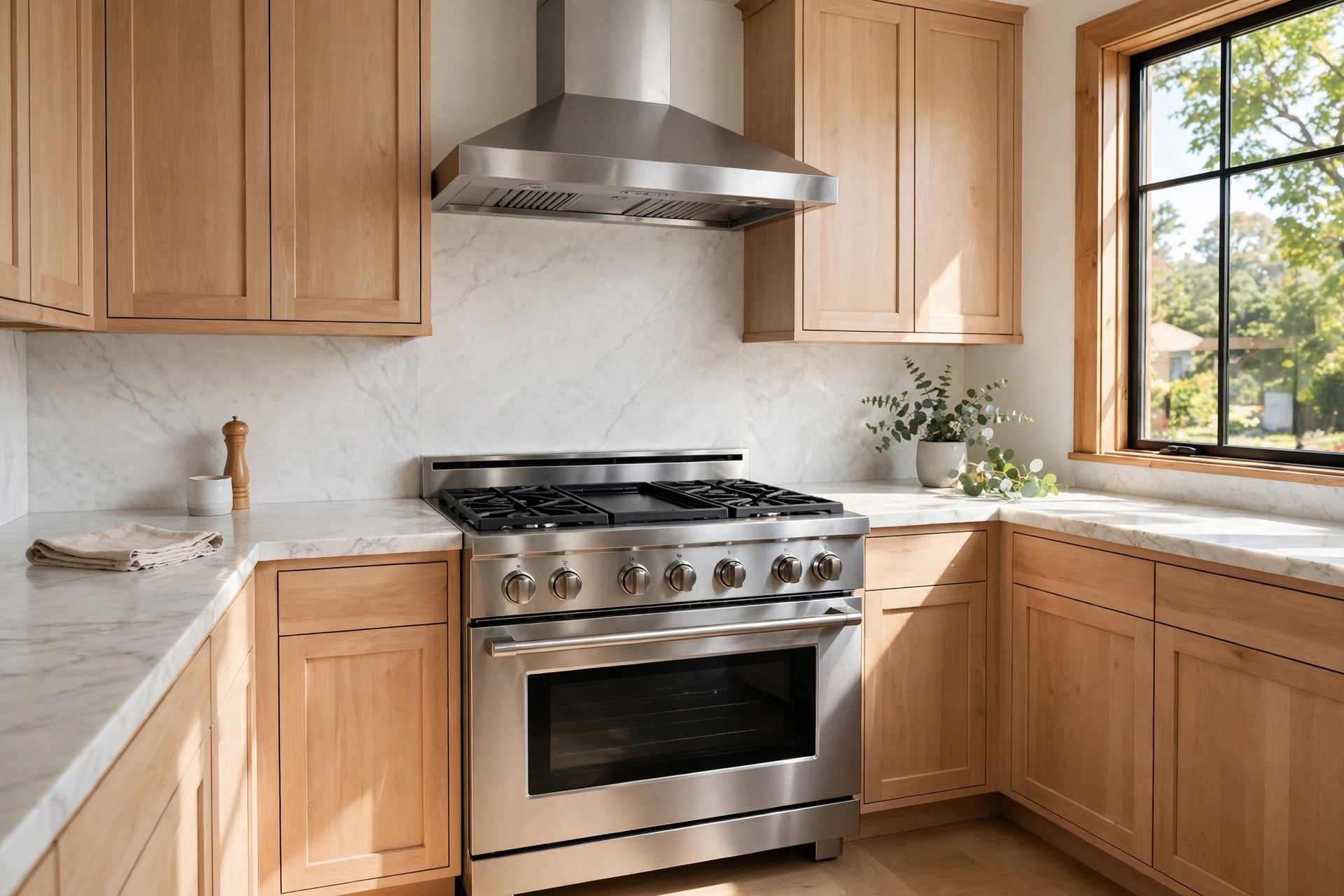

Shoppers who search for gas kitchen ranges for sale usa want one thing: a stove that cooks well, lasts long, and fits the kitchen. Gas ranges have cooked American meals for more than a century. Cooks like the open flame. The heat is fast. The control is exact. Turn the knob down and the flame shrinks at once. Turn it up and the pan gets hot in seconds.
But buying one takes care. Ranges come in many sizes, styles, and price levels. A wrong choice can mean a stove that will not fit the cutout, an oven that cooks unevenly, or a bill that shocks the buyer. This guide walks through the basics in plain words. It covers why gas ranges matter, how to pick one, the main types on sale, what they cost, how to care for them, and how to use them with safety.
Why a Gas Range Matters in the Kitchen
The range is the heart of most kitchens. Families gather around it. Meals are made on it. A good one makes daily cooking easier and more pleasant. A poor one makes every meal a chore.
Gas ranges offer heat that electric coils and smooth tops cannot copy. The flame touches the pan with direct heat. It answers the cook at once. Chefs praise this control. They can drop the flame from a hard boil to a soft simmer in one move. That speed matters for sauces, for frying, and for any dish that needs care.
Gas ovens bring their own gifts. They add a small amount of moisture to the heat. Breads and roasts often come out with a better crust and a moister center. Many bakers keep a gas oven for this reason.
Cost is another point. In many parts of the country, natural gas costs less than electricity for the same amount of cooking heat. A family that cooks often may see smaller utility bills over time. The savings add up year after year.
There is also the question of power loss. When the lights go out, many gas cooktops still work. The burners can be lit with a match. That means hot food even during a storm. Electric ranges cannot offer this. For homes in areas with rough weather, that fact alone can tip the choice.
How to Choose the Right Gas Range: Gas Kitchen Ranges for Sale Usa
A careful buyer looks at the kitchen first, then at the stove. The tips below follow that order. For a deeper walk-through of the steps, a gas kitchen ranges buying guide covers the same ground in more detail.
Measure the Space
Most American kitchens are built around a 30-inch range. This is the common size. Some kitchens use 24-inch units for tight spots. Larger kitchens may hold 36-inch or even 48-inch professional models. Measure the width of the opening. Measure the depth from the wall to the front of the cabinets. Check the height under any range hood.
Leave room at the back for the gas line. Leave room on the sides for the cabinet doors to open. Write the numbers down and carry them to the store. A tape measure is the cheapest tool a buyer owns.
Check Burner Power and Layout
Burners are measured in BTUs, or British Thermal Units. A small burner may give 5,000 BTU. That suits a low simmer. A strong burner may give 15,000 to 20,000 BTU. That suits boiling a big pot of water or searing meat.
Most ranges hold four or five burners. Five-burner models often place a large central burner for big pots. Look at how the grates are laid out. Sealed burners are easier to clean. Continuous grates let a cook slide heavy pots from one burner to the next without lifting.
Think about how the family cooks. A home that makes pasta and stews each week needs strong burners. A home that warms leftovers may not. Buy for the cooking that truly happens.
Pick the Oven Style
Gas ranges come with one oven or two. A single oven is simple and roomy. A double oven gives two smaller spaces at different heats. That helps when a cook bakes bread in one and roasts meat in the other at the same time.
Look at the oven features. A convection fan moves hot air around the food. It can cook faster and more evenly. A broiler sits at the top of many ovens and browns the tops of dishes. Self-cleaning ovens lock the door and heat to a very high level to burn off spills. They save scrubbing, though they use a lot of power and need the kitchen aired out.
Check the oven size in cubic feet. Most hold between 4.5 and 6.0 cubic feet. Large pans and holiday turkeys need the upper end of that range.
Confirm the Gas Hookup
A gas range needs a gas supply. Most homes use natural gas from a city line. Homes in the country may use propane from a tank. Many ranges can burn either fuel, but the burner jets must be changed for the switch. A set of propane conversion jets often ships with the stove.
The gas line should have a shutoff valve near the range. If the home has no gas line at all, a plumber must run one. That job can cost several hundred dollars. Buyers should count it in the budget before they fall in love with a model.
Types of Gas Ranges on the Market
Shoppers will meet four main types in American stores. Each suits a different kitchen and a different cook.
Freestanding Ranges
The freestanding range is the most common. It has finished sides and a back panel with the controls. It stands alone or slides between cabinets. It is the easiest type to install. Prices start low. Choices are wide. For most buyers, this is the natural pick.
Slide-In Ranges
A slide-in range has no back panel. The controls sit on the front edge or the cooktop. It drops into a space between cabinets and looks built in. The cooktop lines up with the countertop for a clean line. These models cost more than freestanding ones. They appeal to buyers who want a tailored look without a full remodel.
Professional-Style Ranges
Professional-style ranges copy the look of restaurant stoves. They are wide, often 36 inches or more. They have big burners, heavy grates, and a bold metal body. Many come in bright colors. They please serious cooks. They also need a strong range hood above them and a kitchen wide enough to hold them. Prices run high.
Dual Fuel Ranges
A dual fuel range burns gas on top and uses electricity in the oven. It gives the cook the best of both worlds: instant flame control above and dry, even electric heat below. Bakers love them. They need both a gas line and a 240-volt outlet, so the hookup costs more. A dual fuel ranges buying guide can help buyers weigh this choice.
Cost and Price Ranges
Prices for gas kitchen ranges spread wide. A basic 30-inch freestanding model may sell for around 500 to 800 dollars. It will have four burners, one oven, and simple controls. It will cook daily meals without fuss.
Mid-range models run from about 900 to 2,000 dollars. This is where most buyers shop. The range gets five burners, a convection oven, continuous grates, and a nicer finish. The build feels sturdier. The oven holds heat better.
High-end and professional-style models start near 2,500 dollars and can pass 8,000 dollars or more. They bring wide frames, high-BTU burners, double ovens, and smart features. Some link to a phone app. Some have guided cooking modes.
Delivery and setup add to the price. Many stores charge for haul-away of the old range. Gas line work, if needed, is billed apart. A smart buyer asks for the full total before signing. Prices change with sales events. Holiday weekends and store clearances can cut hundreds of dollars off the tag.
Care and Upkeep
A gas range lasts longer when it is kept clean. Spills should be wiped up once the stove cools. Dried food clogs burner holes and weakens the flame. A damp cloth and mild soap handle most daily messes. Strong cleaners are seldom needed.
Remove the grates and burner caps once a week for a real wash. Soak them in warm soapy water. Scrub with a soft brush. Rinse and dry them fully before putting them back. Wet parts can rust or spark poorly.
The oven needs less frequent care. Wipe spills soon so they do not bake on. If the oven has a self-clean mode, use it only as the manual directs. Run the kitchen fan and open a window during the cycle. Remove the racks first, since the high heat can dull them.
Once a year, look at the flame. A healthy gas flame burns mostly blue with small yellow tips. A flame that is tall, yellow, or uneven may signal a clogged burner or a gas flow problem. Clean the burner first. If the flame still looks wrong, call a repair service.
The igniter also deserves a check. Most ranges use an electric spark to light the burners. If a burner clicks but will not light, the igniter may be dirty or worn. Food and grease are the usual cause. A gentle cleaning often fixes it.
Safety Comes First
Gas is safe when treated with respect. A few rules protect the home.
Always vent the kitchen when cooking with gas. A range hood that sends air outside is best. It pulls away heat, steam, and the small amount of combustion gas that a flame makes. When shopping for a matching hood, buyers can look at stainless range hoods sold for American kitchens. If there is no hood, open a window and run a fan while the burners are on.
Know the smell of a gas leak. Gas companies add a rotten-egg odor so leaks can be found. If that smell fills the kitchen, do not light a match. Do not flip a switch. Leave the house and call the gas company from outside. Every family member should know this rule.
Keep handles, towels, and paper away from the flame. Turn pot handles inward so they do not catch on sleeves. Never leave a hot burner without watch. Teach children to keep clear of the stove and the oven door.
A carbon monoxide alarm is a wise buy for any home with gas appliances. Put one near the kitchen and one near the bedrooms. Test it each month. It gives an early warning that no nose can provide.
Frequently Asked Questions
Do I need a gas line to buy a gas range?
Yes. The range must connect to natural gas or propane. If the home has no line, a licensed plumber can add one, but the cost should be part of the budget. Renters should get the landlord’s written approval first.
Are gas ranges more costly to run than electric ones?
It depends on local rates. In much of the country, natural gas costs less than electricity for cooking. A family that cooks daily often pays less per year with gas. Check the local utility prices before deciding.
Can I switch a range from natural gas to propane?
Many models allow it. The burner jets must be swapped for the right size, and the oven must be adjusted. Use the conversion kit that came with the range. The manual gives the steps. When in doubt, let a professional do the job.
What size range fits a standard kitchen?
Most American kitchens are built for a 30-inch range. Measure the opening before shopping. Small galley kitchens may use a 24-inch unit. Large kitchens can hold 36-inch or 48-inch professional models.
How long does a gas range last?
A well-kept range often serves 15 to 20 years. The cooktop parts wear first. Igniters and knobs can be replaced. The oven may lose evenness late in life. Regular cleaning adds years to the stove.
Is a double oven worth the extra money?
For cooks who bake and roast at the same time, yes. Holiday cooks love the extra space. For a small household that bakes rarely, a single large oven is enough and costs less.
A Final Word
The market for gas kitchen ranges for sale usa is full of good choices. Prices run from a few hundred dollars to many thousands. The right pick fits the kitchen, the cooking habits, and the budget. Measure first. Compare burners and ovens. Count the hookup cost. Keep the stove clean and treat gas with respect. A careful buyer ends up with a range that serves the family well for many years.
For more background, see The Home Depot, Lowe’s, and GE Appliances. For more background, see Bosch, This Old House, and Bob Vila. Buying guides are also published by Consumer Reports and The Spruce.
References
Bob Vila. (n.d.). Home improvement advice. https://www.bobvila.com Bosch. (n.d.). Home appliances. https://www.bosch-home.com Consumer Reports. (n.d.). Product reviews and ratings. https://www.consumerreports.org GE Appliances. (n.d.). Kitchen and home appliances. https://www.geappliances.com Lowe’s. (n.d.). Home improvement products. https://www.lowes.com The Home Depot. (n.d.). Home improvement products. https://www.homedepot.com The Spruce. (n.d.). Home and garden advice. https://www.thespruce.com This Old House. (n.d.). Home renovation guidance. https://www.thisoldhouse.com
Was this guide helpful?

About Lisa Anderson
The My Garden US editorial team writes practical, in-depth home and garden guides for American homeowners — tested advice, no fluff.
You May Also Like

Kitchen Pantry Cabinets: A Guide for American Homes
February 19, 2026 0 views
Garbage Disposal Installation for Sale USA: A Plain Guide for Homeowners
September 15, 2026 0 views
Under Sink Filters USA Online Deals: A Complete Buying Guide
February 19, 2026 0 views