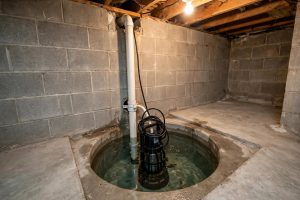

A wet basement is one of the most common problems an American homeowner can face. Water finds its way through small cracks. It seeps through the joint where the wall meets the floor. It can ruin carpet, warp wood, and grow mold in a matter of weeks. When you ask a contractor for a price, the answer often comes as a basement waterproofing cost per linear foot. This article explains what that number means, what the normal price range is, and what makes it go up or down.
Why Basement Waterproofing Matters
Most basements sit below the ground. The soil around the house holds water after every rain. That water pushes against the walls. Over time, small cracks open in the concrete. Water moves in through those cracks and through the cove joint, the line where the floor slab meets the wall.
A little dampness may seem harmless. It is not. Damp air feeds mold. Mold can harm the health of the people who live in the home. Wet wood can rot. Rugs and stored goods can be ruined. In cold states, water in cracks can freeze and make the cracks wider.
Waterproofing stops this damage. The work usually means a drainage system that collects water and carries it to a sump pump. The pump then pushes the water away from the house. The price is often quoted by the foot, because the system runs around the edge of the basement. That is why the basement waterproofing cost per linear foot is the figure most contractors give.
How the Cost Per Linear Foot Is Priced: Basement Waterproofing Cost Per Linear Foot
Contractors price this work by the foot of wall treated or by the foot of drain tile laid. If your basement is 25 feet by 40 feet, the edge runs 130 feet. A contractor who charges 50 dollars per foot would quote 6,500 dollars for the full edge.
This method is fair. It ties the price to the amount of work. A small basement costs less than a large one. But not all work fits this model. Sealant paint, crack injections, and sump pumps are often priced as flat items. A good quote will show the per-foot work and the flat items on separate lines.
Average Basement Waterproofing Cost Per Linear Foot
The basement waterproofing cost per linear foot in the United States usually falls between 45 and 85 dollars. Interior drain tile work most often lands between 45 and 65 dollars per foot. Exterior waterproofing runs higher, often 80 to 120 dollars per foot or more, because the soil must be dug away from the wall.
The exact number depends on where you live. Labor rates in the Northeast and on the West Coast run higher than in the Midwest. The soil type matters. Clay holds water and pushes hard on walls. Sand lets water drain fast. The depth of the basement matters too. A deep foundation needs more digging and more labor.
The figure in the national data sets, around 4 to 18 dollars of cost per linear foot, covers thin sealant products and simple do-it-yourself coating. It does not cover a full drainage system put in by a contractor. When you see a low number, check what work it includes.
Interior vs. Exterior Waterproofing
There are two main ways to waterproof a basement. Each has its own cost per linear foot.
Interior drain tile
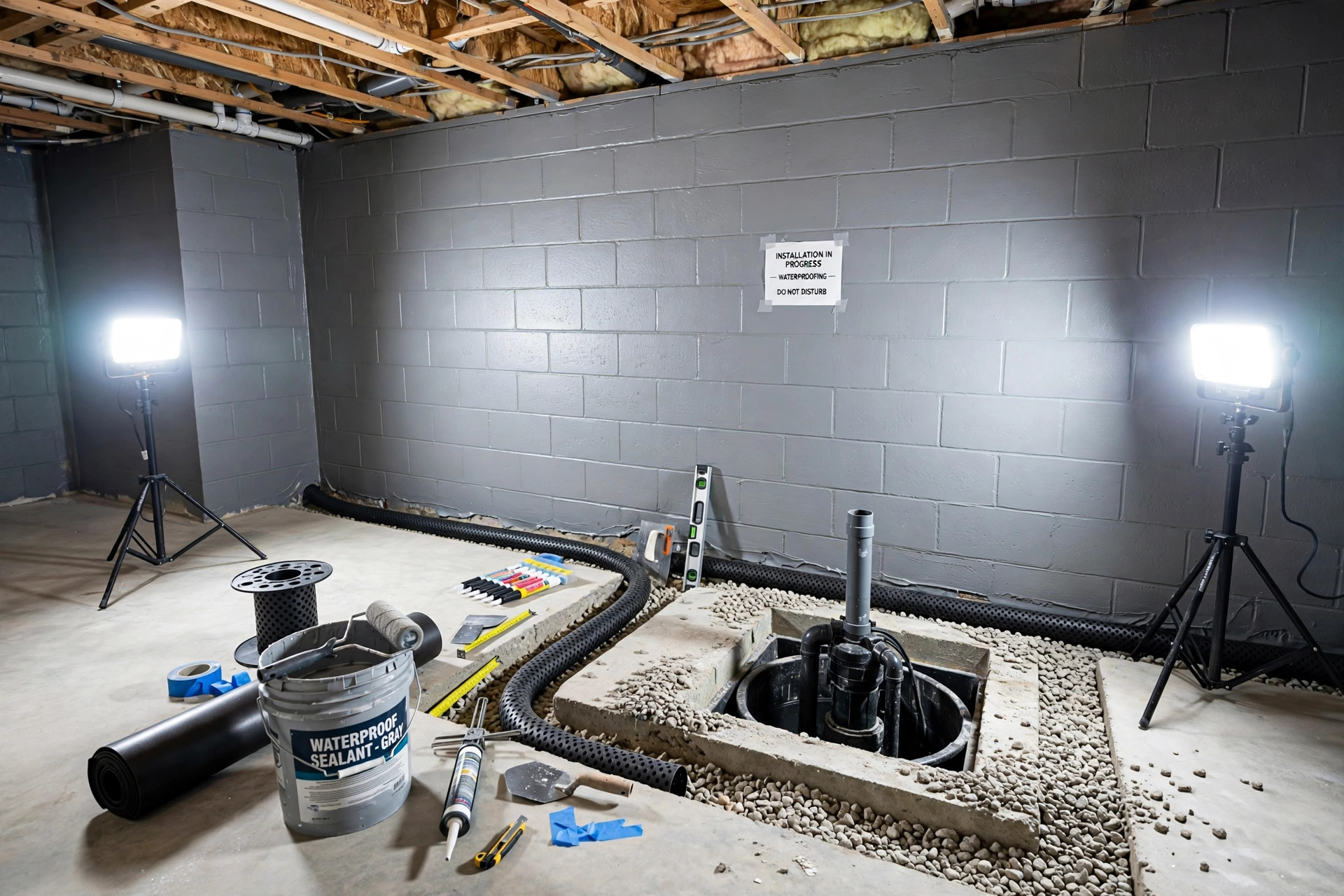
This is the most common job. The contractor breaks a strip of the basement floor near the wall. A perforated pipe is laid in the strip, in a bed of gravel. The floor is then patched with concrete. Water that enters through the wall or the floor joint drops into the pipe. The pipe runs to a sump pit. A sump pump lifts the water out of the house.
Interior work is less costly because no digging is done outside. It can be finished in a few days. The basement stays open and usable during the work. For most homes with water that seeps in along the edge, this method is enough.
Exterior waterproofing
Exterior work is the heavy option. The contractor digs down to the footings all the way around the house. The wall is cleaned and coated with a waterproof membrane. A drain pipe is laid at the foot of the wall. Then the soil is put back.
This method is more thorough. It stops water before it reaches the wall. It is also much more costly and disruptive. Landscaping, decks, and driveways may be torn up. It is the right choice when walls are cracked badly or the foundation has moved.
Many contractors discuss these options in their home repair guides. You can read general guidance on waterproofing and drainage projects at This Old House, which covers the same interior and exterior methods described here.
Types of Basement Waterproofing Methods
Not every leak needs a full drain tile system. Here are the main methods, with their rough per-foot or per-job costs.
Sealant coatings
Waterproof paint and hydraulic cement can seal small cracks and damp walls. A five-gallon pail of waterproofing paint covers about 100 square feet. This is the cheapest option. It is priced by the gallon or the square foot, not by the linear foot. It will not stop water that pushes hard against the wall.
Crack injections
A contractor can inject epoxy or polyurethane foam into a cracked wall. Each crack is priced on its own, often 300 to 700 dollars per crack. Injection seals the crack from the inside. It is a good fix for a single dry crack. It does not help if the whole wall leaks.
Interior drain tile with sump pump
This is the standard per-foot job. The pipe, gravel, labor, and floor patching are priced together. Expect 45 to 65 dollars per foot. A sump pump and pit add 600 to 1,500 dollars as a flat item.
Exterior membrane and footing drains
The wall is coated from the outside and a drain is laid at the footings. Expect 80 to 120 dollars per foot or more. If the house has a deck or porch in the way, the cost climbs.
Window wells and grading
Sometimes the fix is simple. Window well drains and proper grading of the soil away from the house can stop surface water from pooling. Grading work is priced by the cubic yard of soil moved or by the day. Well drains cost a few hundred dollars each.
What Makes the Price Go Up or Down
Several facts change the basement waterproofing cost per linear foot for your home.
Length of wall. A larger basement needs more feet of pipe. The per-foot rate may drop a little on a long run, since the crew is already set up.
Depth and soil. Deep foundations and clay soil mean more digging and more labor.
Obstacles. Furnaces, water heaters, finished walls, and storage must be moved or worked around. Finished basements cost more to open up and restore.
Sump pump type. A basic pump costs less than a cast-iron pump with battery backup. In areas with frequent power outages, a backup is wise. For price guidance on pumps and pits, see the guide on sump pump installation cost near me.
Permits. Many towns require a permit for foundation work. Fees range from 50 to 500 dollars.
Warranty. A long warranty from a national firm costs more than a handshake from a small crew. Get the warranty in writing.
Getting Quotes and Comparing Contractors
Never take the first number you hear. Call at least three contractors. Ask each one to quote the same scope of work. Ask how many feet of wall they will treat. Ask what is included in the per-foot price and what is priced separately.
A clear quote shows the basement waterproofing cost per linear foot, the total feet, the flat items, and the warranty terms. If a quote is much lower than the others, ask what is missing. If it is much higher, ask what extra work is planned.
Check that the contractor is licensed and insured. Ask for the names of past customers. Call them. Ask if the basement stayed dry after the first heavy rain.
Price guides from large home improvement retailers can help you check the parts cost before you call a contractor. The Home Depot and Lowe’s websites list sump pumps, sealants, and drainage pipe with current prices, which is a useful check on any quote.
Care and Upkeep After the Work
A waterproofing system needs care to keep working. Test the sump pump twice a year. Pour a bucket of water into the pit and make sure the pump starts and the water leaves. Keep the discharge pipe clear of leaves and ice. Make sure the pipe ends at least ten feet from the foundation.
Check the basement after heavy rain. Look for damp spots along the wall. If a spot returns, call the contractor while the warranty is still in force. Clean the gutters once or twice a year. Clogged gutters dump water right at the foundation, and that water will test your new system.
Safety Considerations
Digging around a foundation is serious work. Underground gas lines, electric cables, and water pipes can be buried near the house. Call 811 before any digging begins. The service will mark buried lines for free.
Basement work can stir up dust and radon. If your state has high radon levels, ask about radon testing before the floor is opened. A sump pit can also be a fall hazard for small children. A locked or screwed-down pit cover solves this.
Water and electricity do not mix. Make sure the sump pump outlet is on a ground-fault circuit. Do not run extension cords through standing water. If the basement is flooded, turn off the power to the area before you walk in.
The Environmental Protection Agency publishes guidance on moisture control in homes and on mold cleanup, which is worth reading before you start any waterproofing project.
Related Home and Plumbing Projects
Basement waterproofing is part of a larger picture. Many homeowners pair it with other drainage work. A french drain installation cost per foot usa is often similar to an interior tile price, and a french drain in the yard can keep water away from the walls. For leaks along the full wall-to-floor joint, an interior french drain system cost basement guide shows what the same style of system runs inside the home.
Frequently Asked Questions
What is the average basement waterproofing cost per linear foot?
Most homeowners pay between 45 and 85 dollars per linear foot for a full system put in by a contractor. Interior drain tile runs 45 to 65 dollars per foot. Exterior waterproofing runs 80 to 120 dollars per foot or more. Sealant-only products cost much less per foot but do far less work.
How many linear feet does a typical basement need?
Measure the edge of the basement where the floor meets the wall. A 25 by 40 foot basement has a 130-foot edge. Most contractors treat the full edge, or at least the walls where leaks appear.
Is interior or exterior waterproofing cheaper?
Interior work is cheaper. Exterior work can cost twice as much or more because of the digging. Interior drain tile is enough for most homes with seepage along the edge.
Can I waterproof my basement myself?
You can paint sealant on the walls yourself. You cannot easily install a drain tile system yourself. The work needs a concrete saw, a lot of gravel, and skill with the floor patch. Most homeowners hire a contractor for the drain tile and the sump pump.
How long does basement waterproofing last?
A well-built interior system can last 30 to 50 years. The sump pump will need to be replaced every 7 to 10 years. Exterior membranes last a similar span if the soil is put back with care.
Does homeowners insurance cover basement waterproofing?
Insurance usually covers sudden damage, like a burst pipe. It usually does not cover seepage or the cost of waterproofing itself. Read your policy and call your agent before you assume you are covered.
A Short Final Word
The basement waterproofing cost per linear foot is the number that ties the price to the work. Know the normal range for your area. Know what the per-foot price includes. Get three quotes and read the warranty. With a little care in choosing the contractor, a dry basement is a sound and lasting investment.
For more reading on home repairs, plumbing fixtures, and water systems, these trusted sources are useful starting points: Moen, Delta Faucet, Kohler, Aquasana, Bob Vila, The Spruce, and the Family Handyman.
References
Aquasana. (n.d.). Water filtration systems. https://www.aquasana.com Bob Vila. (n.d.). Home improvement advice. https://www.bobvila.com Delta Faucet. (n.d.). Kitchen and bathroom faucets. https://www.deltafaucet.com Family Handyman. (n.d.). DIY home repair and maintenance. https://www.familyhandyman.com Kohler. (n.d.). Bathroom and kitchen fixtures. https://www.kohler.com Lowe’s. (n.d.). Home improvement products. https://www.lowes.com Moen. (n.d.). Faucets and plumbing fixtures. https://www.moen.com The Home Depot. (n.d.). Home improvement products. https://www.homedepot.com The Spruce. (n.d.). Home and garden advice. https://www.thespruce.com This Old House. (n.d.). Home renovation guidance. https://www.thisoldhouse.com U.S. Environmental Protection Agency. (n.d.). Protecting human health and the environment. https://www.epa.gov
Was this guide helpful?

About Emily Rodriguez
The My Garden US editorial team writes practical, in-depth home and garden guides for American homeowners — tested advice, no fluff.
You May Also Like
Best Anode Rod for Water Heater Reviews USA: A Simple Buying Guide
June 12, 2026 0 views
Best Water Leak Sensors for Basement USA
September 12, 2026 0 views
What Does a Septic Inspection Cost When Buying a Home in the USA?
February 18, 2026 0 views