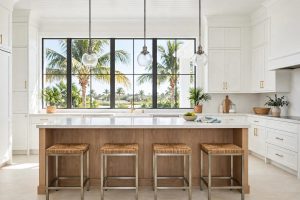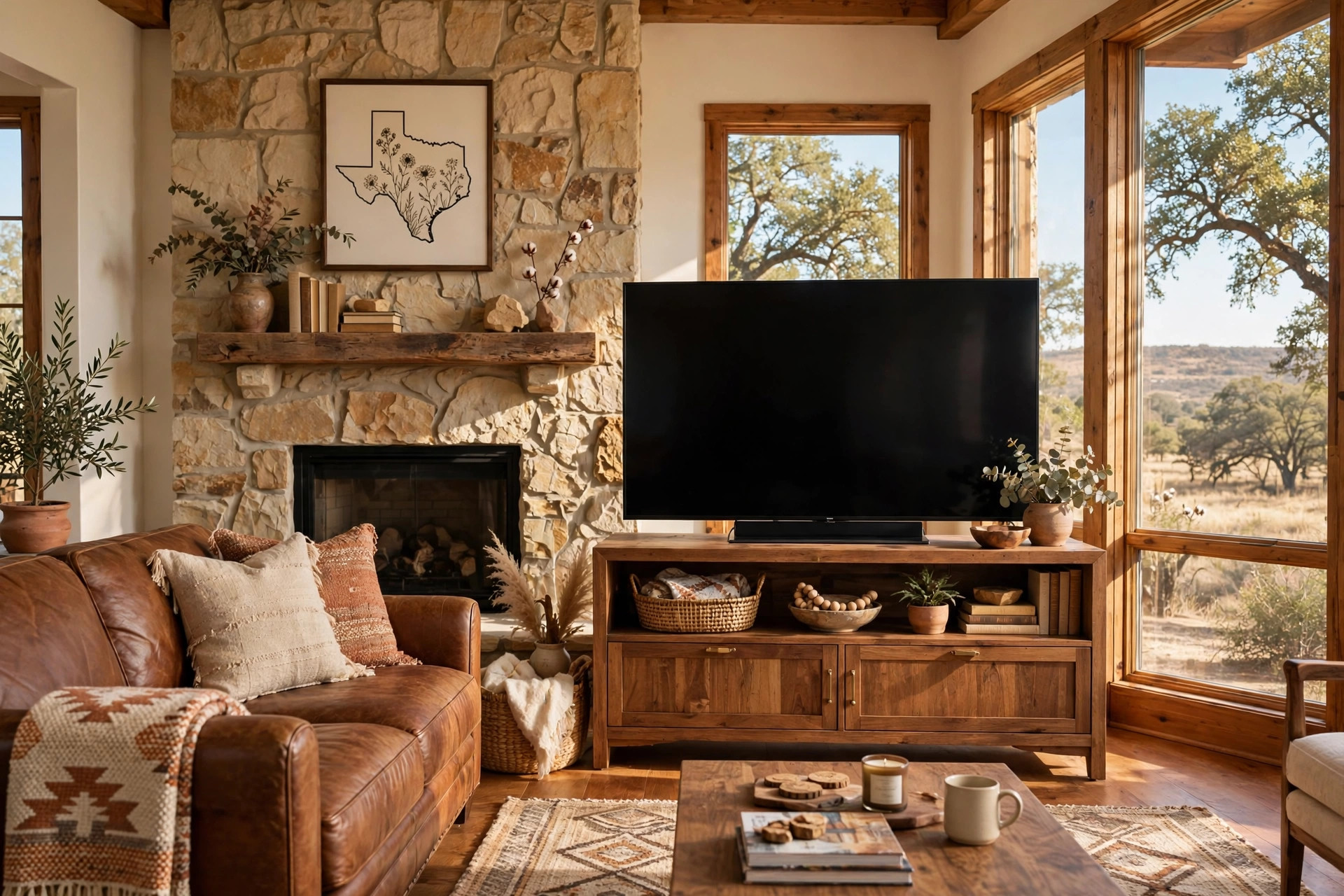

The living room is the heart of most Texas homes. It is where the family gathers after work. It is where friends sit on game day. And at the center of the room, more often than not, stands the television. The right piece of furniture under that screen matters more than most buyers expect. When shoppers search for living room tv stands texas homes usa, they are looking for more than a shelf. They want a stand that fits the room, holds the set safely, hides the wires, and suits the look of the house. This guide walks through every step of that choice, from measuring the wall to polishing the wood.
Why the Right TV Stand Matters
A television is heavy and costly. It needs a firm base. A good stand keeps the set at the right height for viewing. That height spares the neck and the eyes. A stand that is too low forces viewers to look down. A stand that is too tall forces them to look up. Both cause strain over time.
The stand also sets the tone of the room. In Texas, living rooms run large. Many homes in Houston, Dallas, Austin, and San Antonio have open floor plans. The living room flows into the kitchen and the dining area. A well chosen stand anchors the space. It gives the eye a resting place. It ties the seating together. Shoppers who browse Wayfair will see how many styles are made for this kind of open plan.
Storage is a third reason. Modern living rooms hold more than a TV. They hold cable boxes, game consoles, sound bars, and remote controls. A stand with cabinets and shelves hides this clutter. A stand without storage leaves wires and boxes in plain view. The room looks messier. The final choice should serve all three needs: support, style, and storage.
What to Look For: Living Room Tv Stands Texas Homes Usa
Before buying, measure twice. Then look at material, build, and details. The sections below break the task into simple parts.
Size and Fit
Start with the television. Measure the width of the set, not the diagonal screen size. The stand should be at least as wide as the TV. Most experts say the stand should be a few inches wider on each side. This gives a balanced look. It also gives room for a sound bar or a small lamp.
Next, measure the wall. Note the outlets and cable jacks. Many Texas homes built in the last twenty years place the cable outlet near the center of the main living room wall. Plan the stand around that point. Leave at least two inches behind the stand for air flow. Electronics need air. A tight fit traps heat.
Height matters too. Sit on the sofa and look at the wall. The center of the screen should sit near eye level. For most sofas, that means a stand between twenty and twenty six inches tall. Taller stands suit rooms with high ceilings. Texas homes often have ceilings of ten feet or more. A taller stand can fill the wall better in these rooms. Ideas for proportion appear in many room tours on Apartment Therapy.
Material and Build Quality
Wood stands lead the market. Solid hardwood, such as oak, pine, or walnut, lasts for decades. It resists dents. It holds screws well. It can be sanded and refinished. Engineered wood costs less. It looks fine from a distance. It does not bear heavy loads as well. For a large set, choose solid wood or a steel frame.
Metal and glass stands suit modern rooms. They are slim and light. They fit small apartments and condos in cities like Austin. But glass shows dust. It needs frequent wiping. It can chip at the edges.
Check the back panel. A thin back panel of pressed board is common on cheap stands. It bends over time. It offers little support. Look for a back panel that is at least a quarter inch thick. Check the joints. Dovetail or dowel joints are strong. Simple staples are weak. Open the doors in the store. They should swing smooth and close flush.
Storage and Cable Management
Count the devices the household owns. Each needs a shelf or a cubby. Measure the tallest device. Many game consoles are tall when stood upright. The shelf must clear them with room for air.
Look for holes in the back panel. These let cables pass from one shelf to the next. A stand with one large open back suits homes with many devices. A stand with small holes suits a simple set up with a cable box only. Some stands include built in cable trays. These keep cords off the floor. They are worth the extra cost for pet owners. Chewing puppies find loose cords fast.
Adjustable shelves add value. They let the owner change the layout later. A home theater that grows over time needs this freedom.
Types and Options
TV stands come in many shapes. The right shape depends on the room and the taste of the owner.
Console stands are the most common type. They are long and low. They sit against a wall. They offer two or four cabinet doors and open shelves in the middle. Most Texas homes use this style. It works with sectionals and large sofas.
Corner stands fit into a corner. They save space in small rooms. They turn an unused corner into the media center. The viewing angle is fixed, so plan the seating around it.
Entertainment centers are tall units with side towers. They frame the television. They hold books, games, and decor on the upper shelves. They suit large walls in ranch style homes. They can overwhelm a small room, so measure with care.
Floating stands mount to the wall. The floor stays clear below them. This makes cleaning easy. It gives a modern look. The wall must be strong enough to hold the load. Studs are a must. Renters should check the lease before drilling.
Rustic farmhouse stands are popular across Texas. They use rough wood and iron hardware. They fit the Texas style well. A home with leather chairs and a stone fireplace pairs well with this look. Designers on HGTV often show this pairing in Texas remodels.
Mid century modern stands use tapered legs and clean lines. They suit retro tastes. They lift the cabinet off the floor. That lift makes the room feel larger.
Pair the stand with the rest of the room. A new stand can inspire a wider update. Homeowners planning a bigger change can look at dining room sets for american homes for a matched look in open plans.
Cost and Price in Texas
Prices vary by size, material, and brand. A simple engineered wood console runs from one hundred to two hundred fifty dollars. These are sold at big box stores across the state. They last a few years with light use.
A solid wood console of good build runs from four hundred to nine hundred dollars. This is the sweet spot for most families. The stand lasts a decade or more. It can move to a new home without damage.
Designer stands from brands like Article, CB2, and West Elm run from eight hundred to two thousand dollars. They use better wood and finer finish. They suit homes where design matters most.
Custom built stands start at one thousand five hundred dollars. A local woodworker can match the exact wood of the room. This suits large homes with odd sized walls. Many craftsmen in Texas work in oak and mesquite. Mesquite is a local hardwood. It is hard, dense, and rich in color. It costs more but lasts a lifetime.
Do not forget delivery. A long console may not fit in a car. Delivery fees in Texas range from fifty to one hundred fifty dollars. Some stores include it in the price. White glove delivery, where the crew carries the stand inside and removes the box, costs more. It is worth it for heavy pieces.
Care and Upkeep
Dust the stand once a week. Use a soft dry cloth. A damp cloth works for wood with a sealed finish. Never soak the surface. Water seeps into joints and swells the wood.
Polish wood twice a year. Use a plain furniture polish without silicone. Silicone builds up. It leaves a dull film over time. Work with the grain. Buff dry with a clean cloth.
Keep the stand out of direct sun. Texas sun is strong. Direct light fades stain and dries wood. If the stand must sit near a window, hang curtains. A guide to window curtain panels reviews buying guide usa can help pick shades that block glare on the screen too.
Check the hardware once a year. Tighten loose screws. Oil hinges with a drop of light oil. Replace worn felt pads under the feet. These small acts add years to the life of the stand.
Texas dust storms bring fine grit. Wipe glass tops often in West Texas homes. Grit scratches glass when dragged across it. Lift objects instead of sliding them.
Safety
A TV stand must be stable. Test it in the store. Press down on the front edge. It should not tip. A top heavy set on a light stand is a risk. Homes with small children need extra care. Children climb. A climbing child can pull a stand forward.
Anchor tall stands to the wall. Use the straps or brackets that come in the box. If the box has none, buy them. They cost a few dollars. They attach to a wall stud. This simple step prevents tip over injuries. Safety guides from The Spruce stress this point for all tall furniture.
Keep cords out of reach. Tuck them behind the stand. Use cord covers where they cross the floor. A toddler who pulls a cord can bring the set down.
Place the set back from the edge. Leave at least three inches of stand surface in front of the TV base. This margin stops the set from sliding forward during a bump.
For homes near the coast, watch for humidity. High damp can swell cheap board stands. Choose solid wood or sealed units in Houston and Corpus Christi.
Frequently Asked Questions
How wide should a TV stand be for a 65 inch TV? A 65 inch TV is about fifty seven inches wide. Choose a stand that is at least sixty inches wide. A sixty five to seventy inch stand looks best. It leaves room on each side for balance and for small decor.
What is the best material for a TV stand in Texas? Solid hardwood is the best choice for most Texas homes. It stands up to heat and dry air. Oak and pine are common and priced fair. Engineered wood works for a tight budget but warps faster in humid coastal areas.
Can I use a dresser as a TV stand? Yes, if it is wide and strong enough. Many buyers use a low dresser as a stand. It adds drawer storage. Check the weight limit. A TV that is too heavy for the top will bow the wood over time. Drill cable holes in the back if needed.
How do I hide cables behind the TV stand? Use the back panel holes first. Run each cable through the nearest hole. Bundle the slack with ties. Add a cable tray under the stand if the box did not include one. A cord cover hides the run from the stand to the wall outlet.
Should the TV stand match the other furniture? It should blend, not match exactly. Pick a wood tone within the same family as the other pieces. Match the style mood instead of the exact finish. A modern room needs a modern stand. A farmhouse room needs a farmhouse stand. For seating that pairs well, many Texas buyers also view velvet living sofas florida homes usa for color and texture ideas.
Where can I see stands styled in real rooms? Photo galleries help more than store shots. Browse room tours on Houzz to see how stands look in real Texas living rooms. Note the heights, the spacing, and the way cables are hidden.
A Short Final Word
A TV stand is a quiet workhorse. It holds the most used screen in the house. It stores the boxes and wires. It shapes the look of the living room. Texas homes, with their large rooms and high ceilings, reward a stand chosen with care. Measure the set. Measure the wall. Pick solid build. Anchor it for safety. Dust it and polish it, and it will serve the household for many years. The search for living room tv stands texas homes usa ends well when the buyer takes time at each step.
References
Apartment Therapy. (n.d.). Home design ideas and inspiration. https://www.apartmenttherapy.com Article. (n.d.). Modern furniture. https://www.article.com CB2. (n.d.). Modern furniture and decor. https://www.cb2.com HGTV. (n.d.). Home and garden ideas. https://www.hgtv.com Houzz. (n.d.). Home design and remodeling. https://www.houzz.com The Spruce. (n.d.). Home and garden advice. https://www.thespruce.com Wayfair. (n.d.). Furniture and home goods. https://www.wayfair.com West Elm. (n.d.). Modern furniture and home decor. https://www.westelm.com
Was this guide helpful?

About Sarah Mitchell
The My Garden US editorial team writes practical, in-depth home and garden guides for American homeowners — tested advice, no fluff.
You May Also Like
Bedroom Dressers Mirror Buying Guide USA
June 10, 2026 0 views
Living Room TV Stands: Where to Buy in the USA
July 17, 2026 0 views
Sofa Console Tables in California Homes: A Plain Guide to Choice and Care
January 16, 2026 0 views