---
Table of Contents
Table of Contents
Kids outgrow clothes fast. One season's perfect fit is the next season's flood pants. Add in hand-me-downs from cousins, gifts in the wrong size, and the winter coat buried behind summer shorts, and most kids' closets become a place where outfits go to hide. Here is how to organize kids clothes by size and season without fuss.
Learning how to organize kids clothes by size and season turns that chaos into a system that practically runs itself. Sort once, label everything, rotate with the weather, and mornings get dramatically easier. Here is the whole method, step by step.
Organize Kids Clothes by Size and Season: Start With the Great Sort-Out
When it comes to organize kids clothes by size and season, getting the details right makes all the difference.
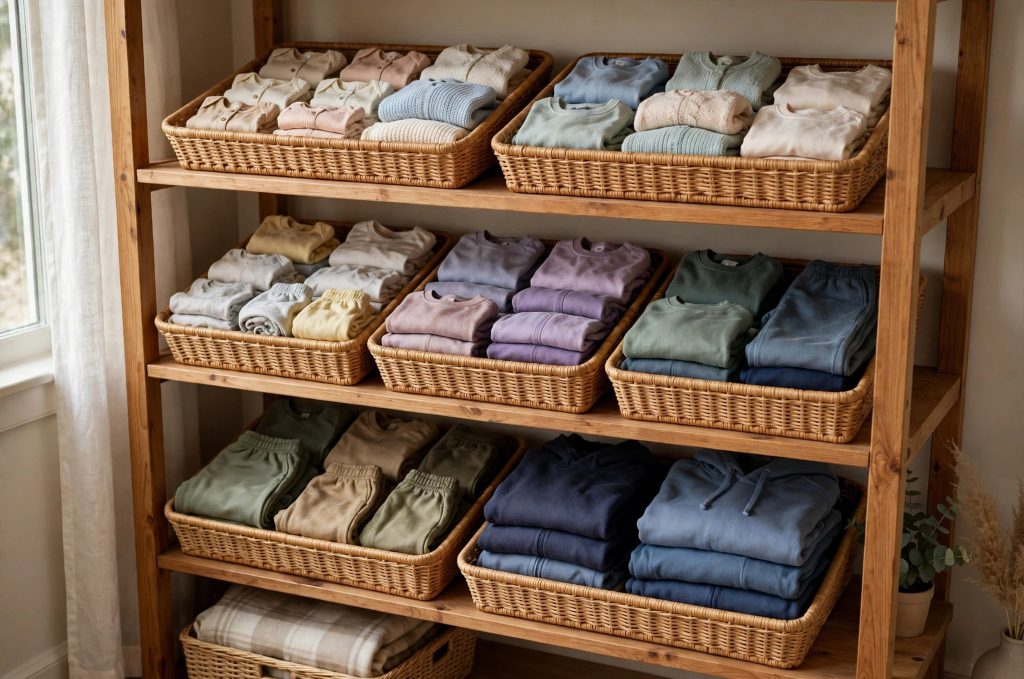
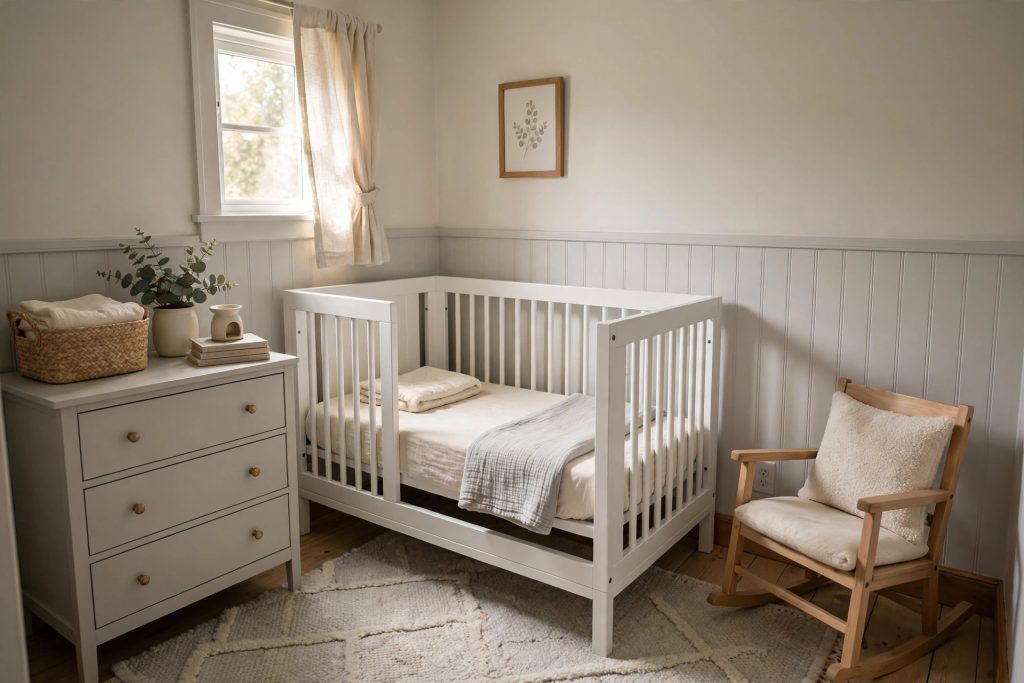
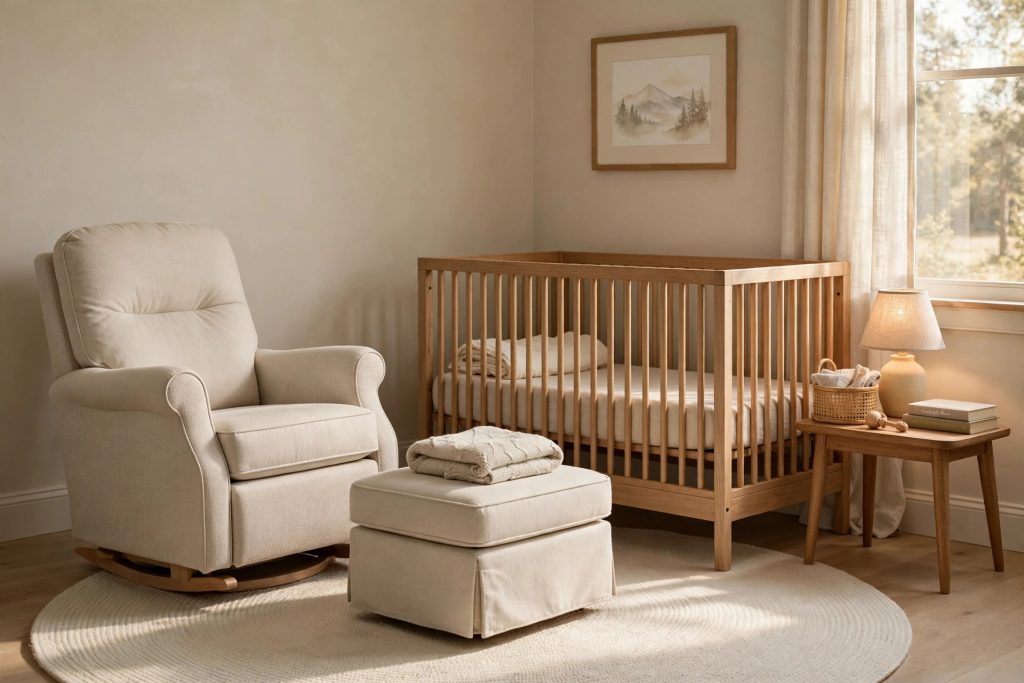
Many homeowners find that organize kids clothes by size and season is easier than they expected once they know the basics.
You cannot organize what you have not inventoried. Pull every piece of your child's clothing out of drawers, closets, and laundry baskets. Every sock, every shirt, every jacket. Pile it on the bed and prepare for the truth about how much is in there.
Sort into sizes first. Baby clothes organization guides recommend separate bins for each size range, from newborn upward. Make a pile for the current size, a pile for the next size up, a pile for outgrown, and a pile for the far future. Be honest about the current size. If it is tight across the shoulders or the pants show ankle, it goes in outgrown, no matter what the tag says. Kids grow in spurts, and keeping almost-too-small clothes in the daily rotation just creates frustration.
Then sort each size pile by season. Within the current size, separate warm-weather clothes from cold-weather ones. Do the same for the next size up. You will likely find surprises. The shorts in the perfect size for next summer. The winter boots still in the box. The three identical rain jackets from three different grandparents.
Deal with the outgrown pile immediately. Bag up donations, list sellable pieces, and hand down what the younger sibling will actually wear. Do not let the outgrown pile sit in a corner for months. It has a way of migrating back into the closet and undoing all your work.
Build the Bin System
Many homeowners find that organize kids clothes by size and season is easier than they expected once they know the basics.
The key to organize kids clothes by size and season is choosing the right approach for your space and budget.
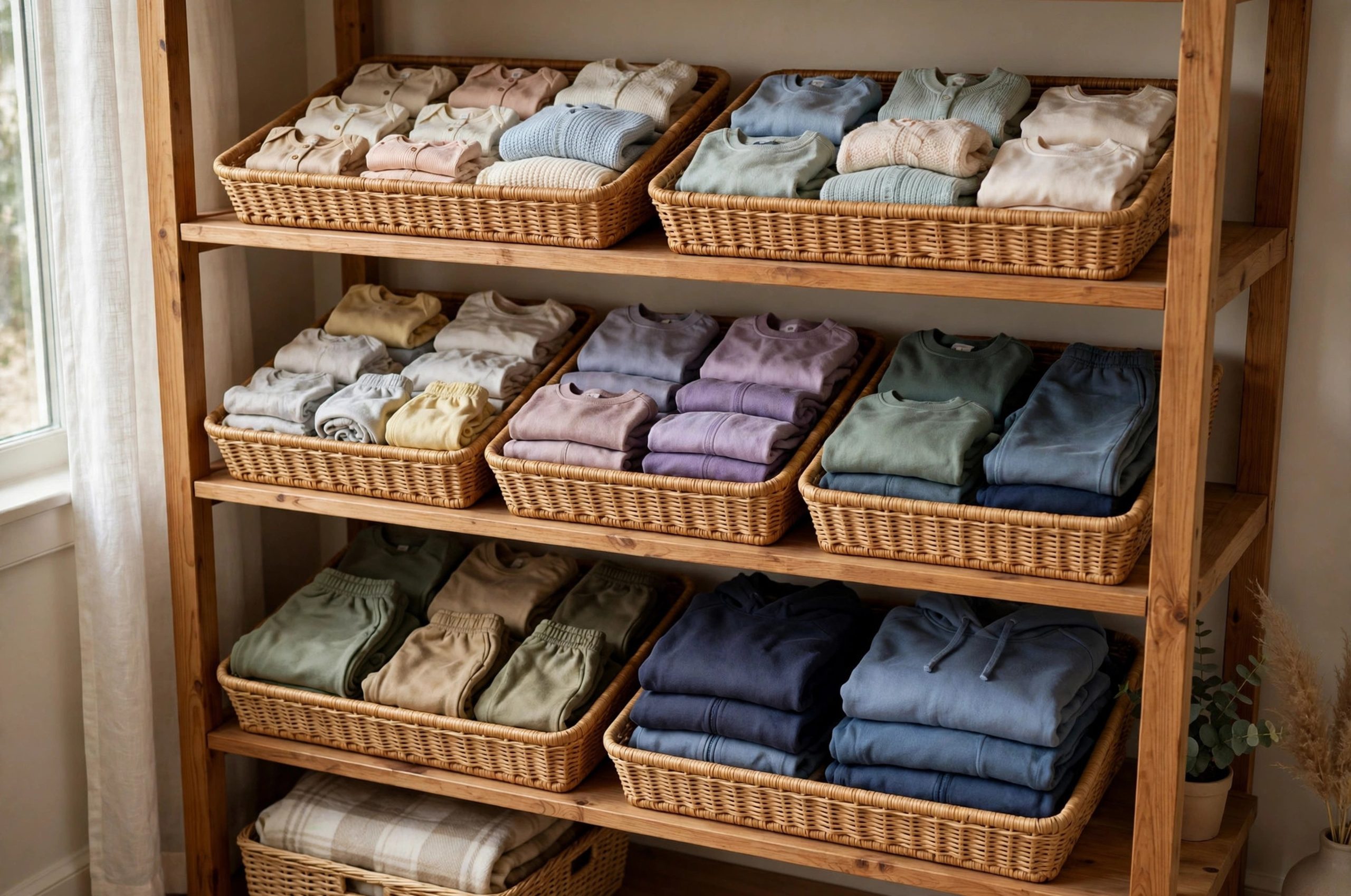
Bins are the backbone of the whole system. Clear plastic bins with lids are ideal because you can see what is inside without opening them. Kids' clothes organization guides stress clear, detailed labels with the size, the season, and a summary of contents. Choose a consistent size so they stack neatly on closet shelves or under beds.
Label every bin with three pieces of information: the size, the season, and a quick summary of contents. A label that reads "3T Winter: Sweaters and Pants" tells future-you everything at a glance. Put the label on at least two sides of the bin so you can read it no matter how the bins are stacked. Painter's tape and a marker work fine and peel off clean when the system changes.
Set up one bin per size-and-season combo you actually have. Most families need four to six bins: current size for the coming season, next size up for the coming season, current size for the opposite season in storage, and next size up for the opposite season. Hand-me-downs waiting for a younger child get their own bins, sorted the same way.
Store the bins somewhere climate-controlled. A bedroom closet shelf, under the bed, or in a hallway closet all work. Avoid attics, garages, and damp basements. Heat, cold swings, and moisture damage fabric and can set stains permanently. Clothes stored well come out fresh. Clothes stored badly come out musty.
Set Up the Daily Closet
The key to organize kids clothes by size and season is choosing the right approach for your space and budget.
With a little planning, organize kids clothes by size and season can fit even a busy schedule.
The bins handle storage. The closet and dresser handle daily life. Only the current size and current season belong in the daily rotation. Everything else lives in bins.
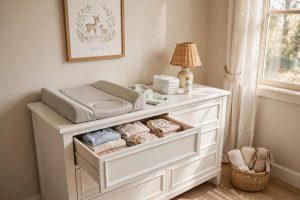
Organize the dresser by category. One drawer for tops, one for bottoms, one for pajamas, one for underwear and socks. Within each drawer, file clothes upright like files in a drawer rather than stacking them. Folded clothes stored vertically let you see every item at once. No more digging through a stack to find the one shirt at the bottom.
Use drawer dividers or small boxes to keep categories from mixing. Closet organization tips recommend labeling every drawer and bin with sizes or categories so kids can find things and put them back. Socks and underwear especially benefit from their own compartments. For small kids, picture labels on each drawer show what goes where. A photo of folded shirts on the shirt drawer teaches even a three-year-old the system.
In the closet, hang what wrinkles or what your child picks out the night before. Dresses, button-down shirts, and jackets do better on hangers. Use slim hangers to fit more in a small closet. Arrange hanging clothes by type, then by color if you are feeling ambitious. The real win is simply that everything visible gets worn and everything hidden gets forgotten.
Keep the daily closet lean. A child needs far fewer clothes in rotation than most closets hold. Ten to fourteen everyday outfits per season is plenty for most kids. When the closet holds only what fits and suits the weather, getting dressed takes minutes instead of meltdowns.
Master the Seasonal Rotation
With a little planning, organize kids clothes by size and season can fit even a busy schedule.
Before you start, it helps to understand how organize kids clothes by size and season works in real homes.
Twice a year, when the weather truly turns, do the swap. Seasonal rotation systems walk through the whole closet-switch process step by step. Take everything out of the daily drawers and closet. Pull out the bins for the coming season and size.
Try on the questionable pieces. Kids grow unpredictably, and the size you stored six months ago may not fit now. Anything too small goes straight to the donate or hand-down bag. Anything that still fits goes into the daily rotation. This try-on session takes an hour and prevents months of morning struggles with almost-fitting clothes.
Wash everything before it goes into storage. Stains set over time, and body oils attract pests. Make sure every stored item is completely dry before binning it. Even slight dampness breeds mildew in a sealed bin. Add a lavender sachet or a dryer sheet if you like, but skip mothballs around children's clothes.
Update the labels every rotation. Cross out the old size and write the new one. A bin labeled "2T Summer" becomes "3T Summer" or moves to the hand-down shelf. Five minutes with a marker keeps the system truthful. A mislabeled bin is worse than no bin, because it sends you hunting in the wrong place.
Time the swap for real weather, not the calendar. When you find yourself reaching past the sweaters for t-shirts three days running, it is time. Doing the rotation in one focused session beats a slow drift where both seasons clog the drawers for weeks.
Handle Hand-Me-Downs Like a Pro
Before you start, it helps to understand how organize kids clothes by size and season works in real homes.
A good plan for organize kids clothes by size and season saves time, money, and frustration.
Hand-me-downs save serious money, but only if they are organized. A garbage bag of unsorted cousin clothes helps nobody.
Sort hand-me-downs the day they arrive. Wash everything, then sort by size and season into your bin system. Storage guides for kids' clothes advise grouping stored clothes by size and season, not just dumping them in. Toss anything stained, torn, or worn out. Hand-me-downs have already lived one life. Only the sturdy pieces deserve a second.
Be selective about what you keep. You do not need forty onesies in one size. Keep the best dozen and pass the rest along. Quality over quantity applies doubly to secondhand clothes. A smaller collection of good pieces is easier to store and more likely to actually get worn.
Label hand-me-down bins clearly with the intended child's name if you have more than one kid. "For Maya, 4T Winter" prevents the wrong clothes from entering the wrong closet. When the younger child grows into a bin, it slides into the rotation just like a bin you packed yourself.
Get the Kids Involved
A good plan for organize kids clothes by size and season saves time, money, and frustration.
For most people, organize kids clothes by size and season comes down to a few smart choices.
A system only works if the people using it cooperate. Kids as young as three can learn the basics.
Teach one rule at a time. Start with "dirty clothes go in the hamper." Tips for busy parents suggest beginning with a pre-organization purge, then building one habit at a time. Once that sticks, add "folded clothes go back in their drawer." Picture labels make the drawers self-explanatory. Praise the effort, not the perfection. A drawer with lumpy folds is still a win if the child put things in the right place.
Let older kids manage their own seasonal try-on. It teaches them to notice how clothes fit and to make decisions about what to keep. Mark their height on a kids wall decal growth chart during each try-on so they can see the growth that drove the whole swap. Give them veto power over style within reason. A child who chose their own wardrobe takes better care of it.
Make donation a family habit. When the outgrown bag fills up, let your child help choose where it goes. Dropping it at a charity together teaches generosity and closes the loop. Kids who see their old clothes helping another child feel good about letting go.
For teens, hand over more control. Let them organize their own closet within the size-and-season framework. They may arrange by color, by outfit, or by pure chaos that somehow works for them. As long as the out-of-season and outgrown pieces stay in bins, the system holds.
Small Spaces, Big Systems
For most people, organize kids clothes by size and season comes down to a few smart choices.
If you are new to organize kids clothes by size and season, start with the simplest option and build from there.
Not every family has a walk-in closet and a storage room. The system adapts to tight quarters.
Under-bed bins are the small-space hero. Low, flat bins slide under any bed and hold a full season of folded clothes. Label the ends so you can read them without pulling each bin out.
Use the closet door. An over-the-door shoe organizer holds rolled socks, underwear, accessories, and small folded items. It adds a whole dresser's worth of storage to six inches of door.
Go vertical in the closet. A hanging shelf organizer with cubbies creates folded-clothes storage where only a hanging rod existed. Double the hanging space with a second rod mounted lower for small children's clothes. Kids' clothes are short, so two tiers of hanging fit easily in a standard closet.
Vacuum bags compress bulky winter coats and sweaters to a fraction of their size. IKEA-style organization wisdom favors smart, compact storage for small spaces. They are perfect for the off-season bin when space is tight. Just remember to let puffy items air out and fluff up for a day when you unpack them.
A nursery storage baskets for diapers and wipes style approach works for older kids too. Open baskets on a low shelf hold this week's outfits, sports gear, or school uniforms where small hands can reach them.
Keep It Running All Year
If you are new to organize kids clothes by size and season, start with the simplest option and build from there.
When it comes to organize kids clothes by size and season, getting the details right makes all the difference.
The system needs light maintenance between rotations. Once a month, do a five-minute drawer check. Pull out anything that has gotten too small, toss worn-out socks and stained undershirts, and refold the chaos. Small, frequent touch-ups beat another giant sort-out.
Keep a donation bag in the closet permanently. When you spot an outgrown shirt during laundry, it goes straight in the bag. When the bag is full, it leaves the house. No pile, no delay, no second-guessing.
Watch for the growth spurt warning signs. Pants that suddenly show ankle, shirts that ride up, shoes that pinch. Space-maximizing baby clothes guides suggest reviewing the wardrobe every few weeks and rotating the next size in early. When you see them, check the next-size bin before you shop. Half the time, the next size is already sitting labeled on the shelf, bought on sale months ago by past-you.
Involve the seasons beyond clothes. When you rotate the wardrobe, rotate the shoe shelf too. Sandals go in the bin, boots come out. Check rain gear, swim gear, and outerwear at the same time. A seasonal check that covers everything means no frantic morning search for the one missing mitten.
A nursery diaper caddy organizer portable can moonlight as a seasonal accessory caddy for older kids. Hats, gloves, and sunscreen live in one portable spot by the door, swapping contents with the weather.
The payoff for all this structure is calm. Mornings run smoother when every drawer holds clothes that fit the child and the weather. Shopping gets cheaper when you know exactly what sizes you have stored. And the closet stays a place you can open without flinching, which might be the biggest win of all. Once you try it, you can organize kids clothes by size and season with ease.
References
When it comes to organize kids clothes by size and season, getting the details right makes all the difference.
Many homeowners find that organize kids clothes by size and season is easier than they expected once they know the basics.
Yarafly. (n.d.). How to organize kids clothes easily and avoid chaos. https://yarafly.com/blogs/news/how-to-organize-kids-clothes
Parent Lightly. (n.d.). The best way to organize kids clothes for the season. https://parentlightly.com/seasonal-clothes-rotation-system/
Nori. (n.d.). How to organize kid's clothes: Tips for busy moms. https://nori.co/a/blog/how-to-organize-kids-clothes-tips-for-busy-moms
Gioinauan. (n.d.). Best way to store kids clothes: Organize and maintain neatness effortlessly. https://www.gioinauan.com/news/38080/best-way-to-store-kids-clothes
Fashion Kids Magazine. (n.d.). How to organize baby clothes. https://www.fashion-kids-magazine.com/blog/how-to-organize-baby-clothes
Acol. (n.d.). Tips for organizing your child's closet: Maximizing space and functionality. https://acol.co.il/en/blog/shopping/tips-for-organizing-your-child-s-closet-maximizing-space-and-functionality-4157
Jordan News. (n.d.). Smart ways to organize baby clothes and maximize space. https://www.jordannews.jo/Section-120/All/Smart-Ways-to-Organize-Baby-Clothes-and-Maximize-Space-54759
IKEA. (n.d.). A children's bedroom for two creative siblings. https://www.ikea.com/pt/en/rooms/childrens-room/gallery/how-to-decorate-a-shared-childrens-room-pubdd94c450/
Many homeowners find that organize kids clothes by size and season is easier than they expected once they know the basics.
The key to organize kids clothes by size and season is choosing the right approach for your space and budget.
With a little planning, organize kids clothes by size and season can fit even a busy schedule.
Before you start, it helps to understand how organize kids clothes by size and season works in real homes.
Was this guide helpful?

About My Garden US
The My Garden US editorial team writes practical, in-depth home and garden guides for American homeowners — tested advice, no fluff.