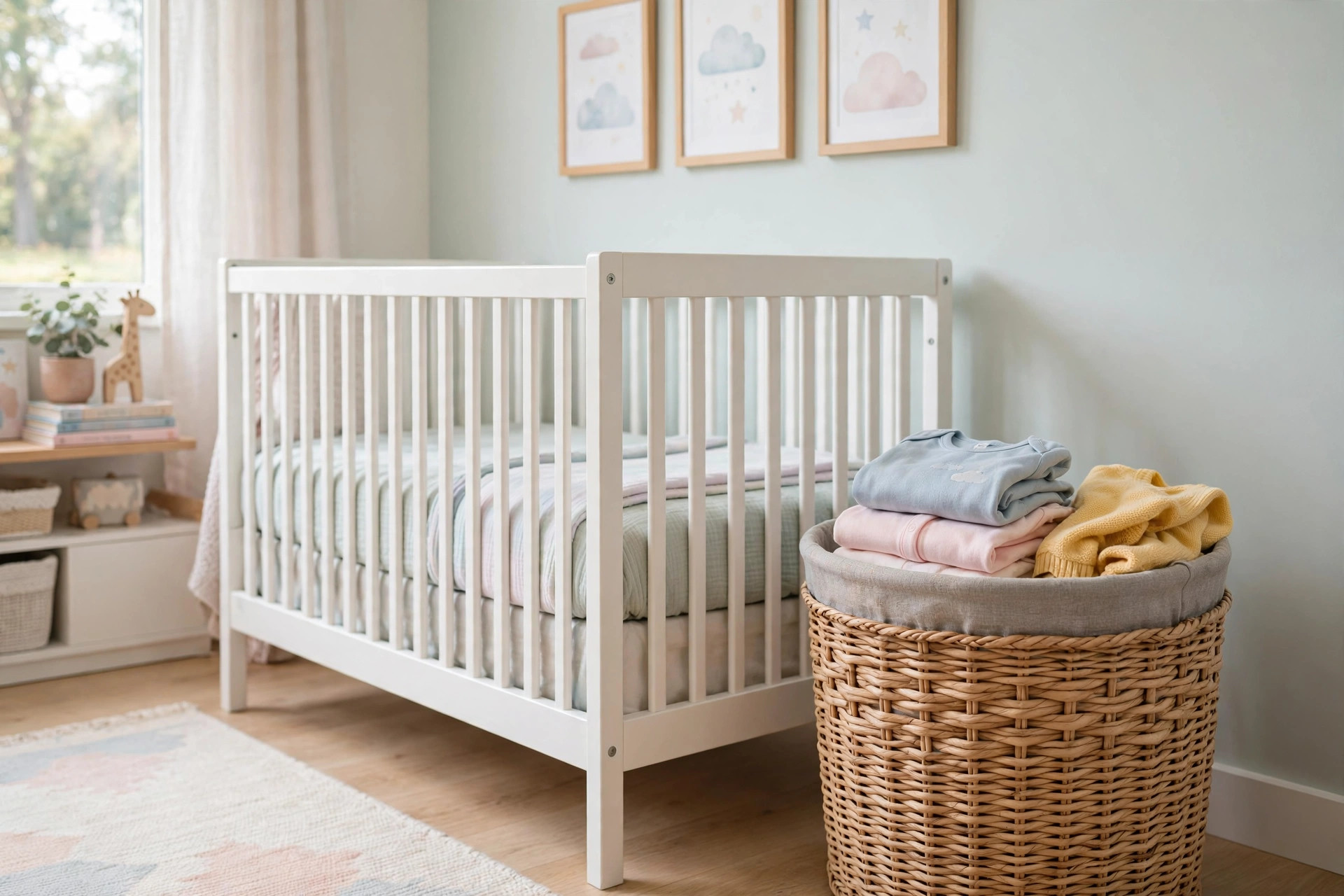

A nursery hamper for dirty baby clothes is one of the first items new parents buy. Babies go through many outfits each day. Spit-up, diaper leaks, and spilled milk fill the laundry fast. A good hamper keeps those soiled clothes in one place. It keeps the nursery neat and makes wash day easier.
This guide explains why a nursery hamper matters. It covers what to look for, the main types, typical costs, care tips, and safety rules. Read on to choose the right one for your home.
Why a Nursery Hamper for Dirty Baby Clothes Matters
Babies create more laundry than most parents expect. A newborn may use six to ten outfits a day. Onesies, sleepers, bibs, and burp cloths pile up quickly. Without a set place for them, dirty clothes end up on the floor, the chair, or the changing table.
A nursery hamper for dirty baby clothes solves this problem. It gives every soiled item a home. This keeps the nursery calm and clean. A tidy room helps tired parents think clearly in the middle of the night.
Sorting becomes simpler too. Many parents like to wash baby clothes apart from adult clothes. Baby skin is soft and new. Gentle detergent works best for little garments. A separate hamper makes this habit easy. You lift one liner and carry it to the washer.
Odor control is another gain. Wet and soiled baby clothes can smell. A hamper with a lid holds smells inside. The nursery stays fresh for the baby and for you.
There is also a habit of order. When each item has a place, the nursery looks cared for. Visitors notice. More important, you notice. A clean room can lift the mood on hard days.
What to Look For When You Choose: Nursery Hamper for Dirty Baby Clothes
Picking a hamper is simple when you know the key points. Focus on size, material, shape, and ease of use.
Size
Measure the space first. A hamper should fit near the changing table. That is where most dirty clothes land. If the room is small, choose a slim model. If you wash clothes twice a week, pick a larger one. A hamper that is too small will overflow. One that is too big may block the path in a small room.
Material
Common materials are fabric, wicker, plastic, and mesh. Fabric hampers are light and soft. They often have a removable liner. Wicker or rattan hampers look warm and natural. They suit many nursery styles. Plastic hampers are easy to wipe clean. Mesh hampers let air flow through the clothes. Air flow helps reduce odor and mildew.
Lid or No Lid
A lid keeps smells in and the room tidy. It also keeps pets out. A cat may enjoy a pile of warm clothes. A lid stops that habit. Open hampers are easier to toss clothes into during a busy change. Some parents prefer an open top for speed. Others want the neat look of a closed lid.
Liner
A removable liner is very useful. You pull the liner out and carry the whole load to the washer. No extra sorting step. Look for a liner you can wash in the machine. Two liners are better than one. Use one while the other is in the wash.
Handles and Portability
Handles matter. You will carry the hamper to the laundry room often. Strong handles make this easy. Some hampers have wheels. Wheels help in homes where the washer is far from the nursery.
Cleaning
Baby messes are strong. The hamper should be easy to clean. Fabric liners should go in the wash. Hard bodies should wipe down with a damp cloth. Avoid models with tight corners that trap grime.
For ideas on matching nursery storage with the room design, browse nursery storage ideas at Wayfair and nursery furniture guides at IKEA.
Types of Nursery Hampers
Hampers come in several styles. Each has strengths. The list below covers the most common kinds.
Fabric Laundry Hamper
A fabric hamper is the most popular choice. It is soft, light, and often folds flat for storage. Many come with a drawstring or zipper liner. Colors and prints match nursery themes. The soft walls are safe if a toddler bumps into them. The main drawback is that fabric can hold stains. A washable liner fixes most of this worry.
Wicker and Rattan Hamper
Wicker hampers bring a classic look. They feel warm and homey. They are sturdy and stand up on their own. Liners keep clothes from snagging on the weave. The downside is weight. A full wicker hamper is heavy to carry. Dust can also settle into the weave, so wipe it now and then.
Plastic Hamper
Plastic hampers are low cost and tough. They resist water and stains. A quick wipe keeps them clean. They come in many colors. Some parents find plastic less pretty than fabric or wicker. Still, for pure function, plastic works well.
Mesh Hamper
Mesh hampers are light and let air move. This helps wet clothes dry a little and cuts down on musty smells. Many fold into a small ring for travel. They are a fine second hamper for a grandparent’s house or for trips.
Double and Divided Hamper
A divided hamper has two or three sections. Parents use one side for baby clothes and the other for cloth diapers, bibs, or burp cloths. This saves sorting time later. Divided hampers need more floor space. Measure before you buy.
Hamper with a Changing Table Combo
Some changing tables include a hamper shelf or bag below. This puts dirty clothes right where changes happen. It saves steps during night changes. Check that the bag is easy to remove and wash.
When you plan the whole room, a toddler step up stool for sink reaching can help older siblings use the bathroom on their own, which keeps the nursery routine smooth.
Cost and Price
Prices vary by material and brand. A simple fabric hamper often costs between ten and twenty-five dollars. Plastic models sit in the same range. Wicker and rattan hampers usually cost more, often thirty to sixty dollars. Designer or boutique brands can charge more.
Divided hampers and combo units cost the most. Expect forty to eighty dollars for a good divided model. A changing table with a built-in hamper costs as much as the table itself, often over one hundred dollars.
Think about value, not just price. A washable liner saves money over time. A sturdy frame lasts through more than one child. Cheap hampers that tear in six months cost more in the end.
Watch for sales at large retailers. Stores such as Target and Amazon often discount nursery goods. Registry completion discounts can cut the price further.
Care and Upkeep
A hamper touches dirty clothes every day. Clean it on a set schedule. Wash the liner once a week, or more often if it smells. Use warm water and a mild detergent. Skip heavy scents, since the hamper sits in the baby’s room.
Wipe hard hamper bodies with a damp cloth and mild soap. Let the hamper dry fully before you put the liner back. Trapped dampness can grow mildew. If the room is humid, a mesh hamper or one with air vents helps.
Check seams and handles each month. Straps can wear. A torn liner drops clothes onto the floor. Replace worn parts early. Keep a spare liner on hand so laundry day never stalls.
Teach older children the habit. Show them where dirty clothes go. A small, clear rule keeps the system working. Praise helps the habit stick.
For general guidance on keeping baby items clean and safe, see the baby care resources at What to Expect and HealthyChildren.org.
Safety
Safety comes first in any nursery item. Follow these rules for your hamper.
Keep the hamper out of the crib. Never place it where a baby could climb on it and fall. Put it on the floor, not on a shelf or table where it could tip.
Check for small parts. Some hampers have buttons, zippers, or loose trim. A curious baby could pull these off. Choose simple designs with few extras.
Avoid sharp edges. Wicker ends should be smooth. Wire frames should be fully covered by fabric. Run your hand along the inside before the first use.
Mind the lid. A heavy lid could pinch small fingers. Light lids or open tops are safer around toddlers. If the hamper has a spring lid, test the closing force.
Ventilation matters for lidded hampers. Soiled clothes give off moisture. A lid with small vents lets air move and slows mildew. Never let a child play inside a hamper. Treat it as a laundry tool, not a toy.
The U.S. Consumer Product Safety Commission publishes nursery safety guidance that every parent should read before setting up the room.
Where to Place It
Place the hamper near the changing table. This is the point of use. Most dirty clothes come off during a change. A short walk means fewer drops on the floor.
Keep a clear path to it. Do not block the door or the crib side. In a shared room, pick a corner that belongs to the nursery zone. If the washer is on another floor, a second small hamper near the laundry area can help on wash day.
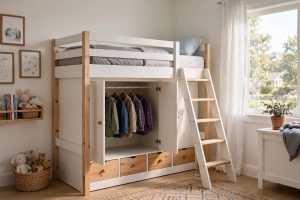
Think about the room as a whole. Good placement of each item saves steps. A well planned nursery also has room for later needs, such as a kids loft bed with wardrobe for small room when the child grows, and proper air flow, where a kids bedroom fan with light for ceiling can keep the space cool and bright.
Frequently Asked Questions
How big should a nursery hamper be?
A medium hamper suits most nurseries. It should hold three to four days of baby clothes. If you wash often, a small one works. If you wash twice a week, go larger. Measure your floor space first.
Should baby clothes be washed apart from adult clothes?
Many parents wash them apart. Baby clothes need gentle detergent. Adult clothes may carry strong scents or rough fabrics. A separate hamper makes this split natural. Do what fits your routine.
What is the best material for a nursery hamper?
Fabric with a washable liner is the most popular pick. It is soft, light, and easy to clean. Wicker looks classic but is heavier. Plastic is cheap and wipes clean fast. Mesh gives the best air flow. Pick the one that fits your room and budget.
How do I keep the hamper from smelling?
Wash the liner each week. Do not let wet clothes sit for many days. A lid with vents helps. Baking soda sprinkled in the liner can cut odor. Wash soiled items promptly when you can.
Can I use a regular laundry hamper instead?
Yes. A regular hamper works fine. Nursery hampers are often just smaller or styled to match the room. The key features are the same: a washable liner, easy carrying, and a safe design.
When should I replace the hamper?
Replace it when the liner tears, the frame bends, or smells stay after washing. A good hamper lasts through one or two children. Check it each season for wear.
For registry checklists and product comparisons, Babylist offers helpful nursery guides, and Pottery Barn Kids shows many nursery storage styles. Home design ideas can be found at The Spruce.
A Short Final Word
A nursery hamper for dirty baby clothes is a small item with a big job. It keeps soiled clothes in one place. It cuts odor. It makes wash day simple. Choose a size that fits your room. Pick a material you can clean with ease. Favor a washable liner and safe design. Place it near the changing table. Care for it with a weekly wash. With these steps, your nursery stays neat, and laundry becomes one less worry in busy days of early parenthood.
References
Amazon. (n.d.). Online shopping. https://www.amazon.com American Academy of Pediatrics. (n.d.). HealthyChildren.org. https://www.healthychildren.org Babylist. (n.d.). Baby registry and gear guides. https://www.babylist.com IKEA. (n.d.). Home furnishings. https://www.ikea.com Pottery Barn Kids. (n.d.). Kids furniture and decor. https://www.potterybarnkids.com Target. (n.d.). Retail store. https://www.target.com The Spruce. (n.d.). Home and garden advice. https://www.thespruce.com U.S. Consumer Product Safety Commission. (n.d.). Product safety information. https://www.cpsc.gov Wayfair. (n.d.). Furniture and home goods. https://www.wayfair.com What to Expect. (n.d.). Pregnancy and parenting guidance. https://www.whattoexpect.com
Was this guide helpful?

About Robert Taylor
The My Garden US editorial team writes practical, in-depth home and garden guides for American homeowners — tested advice, no fluff.
You May Also Like

Nursery Wall Mount for Baby Monitor Camera: A Simple Guide for New Parents
August 4, 2026 0 views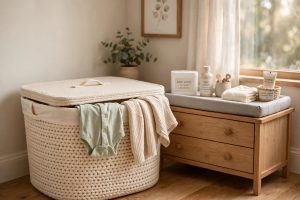
Nursery Hamper With Lid for Odor Control: What Parents Need to Know
June 16, 2026 0 views
Nursery Theme Wall Decals for Baby Shower Parties
September 18, 2026 0 views