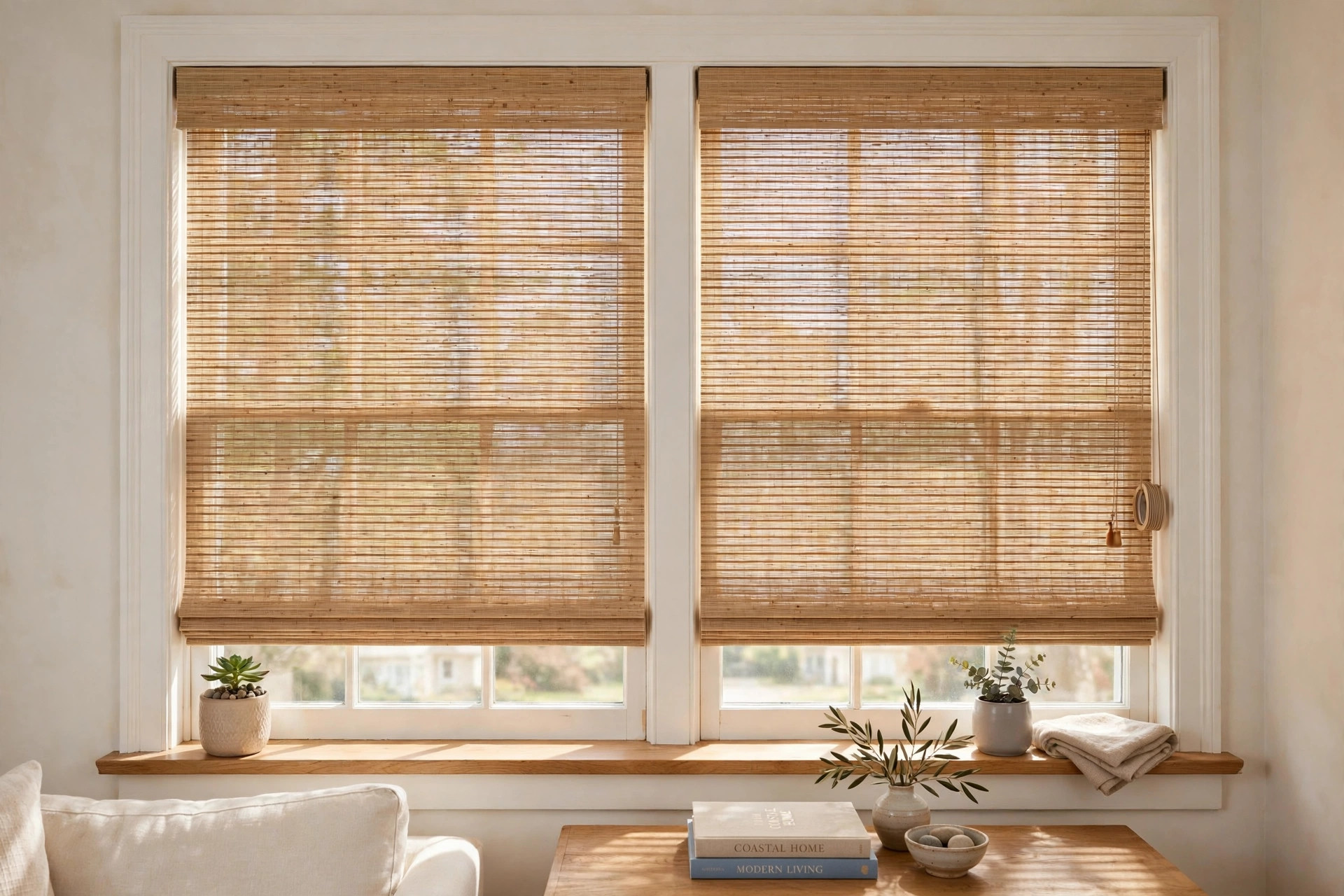

Window blinds that fit well make a room feel calm and finished. Poor fitting blinds leave gaps, let in too much light, and look untidy. This made to measure blinds reviews and buying guide will help you pick blinds made for your exact windows. We will cover the main types, what to look for when you shop, how much you can expect to pay, how to measure your windows, how to care for your blinds, and how to keep them safe for children and pets. Take your time and read each part, and you will be ready to order with confidence.
Why Made to Measure Matters
Windows come in many sizes. Older homes in America often have windows that are not quite square or not a standard size at all. A ready made blind from a shelf may be too wide, too narrow, or too short. Gaps at the sides let in stripes of bright light at dawn. They also let people see in from the street. A blind made to measure is built to your exact width and drop. It covers the glass fully and sits flat.
Fit matters for more than looks. A well fitting blind controls light better. If you work nights and sleep in the day, even a thin gap can wake you. A custom fit also helps with heat. A blind that sits close to the frame can cut draughts and keep a room warmer in winter. Sites such as The Spruce explain how close fitting window coverings can cut energy loss at the glass.
Another point is value. Made to measure blinds used to cost a great deal and were sold only by showroom shops. Today you can order them online for a fair price. The makers cut the slats or fabric to your measurements in a factory and post the blind to you. You save the showroom fee and still get a custom product. This is why so many shoppers now search for made to measure blinds reviews and buying guide pages before they buy. They want to know which makers to trust.
How to Choose the Right Blind: Made to Measure Blinds Reviews and Buying Guide
Start with the room. Kitchens and bathrooms have steam and splashes, so they need a material that can stand damp air. Faux wood or aluminium works well there. Bedrooms need darkness, so a blackout fabric or a well fitting roller blind is a good pick. Living rooms and studies can take softer looks like roman blinds or vertical blinds for wide doors.
Next, think about light. Do you want full dark, soft shade, or full view when the blind is up? Roller blinds with a blackout lining give full dark. Venetian blinds with tilting slats let you set the light just as you like. Decide this before you look at prices, or you may buy the wrong blind.
Think about how the blind will be used each day. A blind over a sink that gets raised and lowered ten times a day needs a strong spring or chain. A blind in a spare room that is rarely touched can be a lighter make. Motorised blinds suit high windows that are hard to reach.
Look at the maker’s promise. A good seller will give clear measuring steps, a free sample service for fabrics, and a warranty of at least one year. Many makers send small fabric samples by post at no charge or for a small fee. Always order samples before you buy. A colour that looks soft grey on a screen can be bright blue in your room. Read the returns policy too. Some made to measure sellers will not take a blind back unless it is faulty, because it was cut to your size.
If you are not sure you want to fit the blind yourself, look at local help. A search for best blinds installation companies near me can show firms that will measure and fit for you. This removes the worry of a wrong measurement.
Types of Made to Measure Blinds
Roller Blinds
Roller blinds are the simplest type. A single sheet of fabric rolls around a tube at the top. They pull down with a chain, a spring, or a motor. They suit most rooms and come in plain, patterned, blackout, and light filtering fabrics. They are easy to clean and usually the cheapest made to measure option.
Venetian Blinds
Venetian blinds have horizontal slats that tilt. You can lift the whole blind or tilt the slats to set the light. Aluminium venetians are light, cheap, and good for bathrooms. Wooden and faux wood venetians look warm and suit living rooms. Faux wood is better for damp rooms than real wood, which can warp. Venetians give fine light control but they gather dust and need wiping.
Roman Blinds
Roman blinds are made of soft fabric that folds into neat pleats when raised. They look like curtains when down and like a valance when up. They give a soft, home-like feel and suit bedrooms and sitting rooms.
Vertical Blinds
Vertical blinds have long slats that hang down and turn to one side. They are the classic pick for patio doors and wide windows. Each slat can be swapped if one is stained or broken. Modern vertical blinds come in fabric, faux wood, and patterned finishes.
Pleated and Cellular Blinds
Pleated blinds fold like a fan. Cellular, or honeycomb, blinds have two layers that form a hollow pocket. The pocket traps air and gives extra insulation. This is why readers who study a top rated cordless cellular shades for american homes guide often end up here too. Cordless versions are neat and safe for homes with children.
Perfect Fit and Motorised Blinds
Perfect fit blinds clip into a frame with no drilling and no screws. They are made for modern tilt and turn windows. Motorised blinds open and close at the press of a button or on a timer. They cost the most, but they suit hard to reach windows. Retailers such as IKEA and Wayfair now sell affordable motorised options alongside standard blinds.
Cost and Price
Price depends on size, material, and brand. A small made to measure roller blind for a narrow bathroom window can cost under forty dollars. A large blackout roller blind for a wide bedroom window may cost between eighty and one hundred and fifty dollars. Wooden venetian blinds run higher, often one hundred to two hundred and fifty dollars per window. Motorised blinds start near one hundred and fifty dollars and can rise past four hundred for large sizes.
Keep in mind that delivery and extras add up. Some makers charge for express making. Valance covers, side channels for blackout, and child safe cleats may cost extra. If you hire a fitter, add fifty to one hundred dollars per window in most areas. Always ask for a full quote with every extra named.
To keep costs down, order during sale periods. Many blind makers run sales in January and in the late summer. Ordering samples first stops you from paying for a blind in a fabric you will not like. And measure twice before you order, because a blind cut wrong is money lost.
How to Measure Your Windows
Good measuring is the heart of this made to measure blinds reviews and buying guide. Use a steel tape, not a cloth one. Write down every number in inches. Measure each window separately, even if two windows look the same. Old frames often differ by a quarter inch or more.
First decide inside or outside mount. An inside mount fits the blind within the frame recess. It looks neat and shows off the trim. An outside mount fixes the blind to the wall above the frame. It covers more glass, hides an ugly frame, and gives better darkness because light cannot slip past the sides.
For an inside mount, measure the width at the top, middle, and bottom of the recess. Write down the smallest of the three. Then measure the drop on the left, middle, and right. Write down the largest. Give the maker the exact recess numbers unless their guide says otherwise.
For an outside mount, measure the full width you want covered, usually the frame plus three to four inches on each side. Measure the drop from two inches above the frame to the sill or to where you want the blind to end. Guides from Blinds.com, Home Depot, and Lowe’s show clear diagrams for both methods.
If your windows are out of square or you feel unsure, ask a pro. A wrong cut cannot be fixed. Many local firms will measure and quote for free.
Care and Upkeep
Made to measure blinds last longer when they are cared for. Dust venetian slats once a month with a soft cloth or a duster. A slightly damp cloth lifts grime, but dry the slats after. Roller blinds can be wiped with a damp sponge and mild soap. Do not soak fabric blinds. Roman blinds can be vacuumed with a brush head.
Check cords and chains each year. Look for fraying and loose cleats. A worn cord can snap, and a loose chain can loop into a danger for small children. Replace worn parts at once. Spare parts are cheap and most makers sell them by post.
In damp rooms, leave the window open for a time each day if you can. This stops mould on fabric blinds. Faux wood and aluminium blinds stand damp air best. Real wood blinds should be kept out of steam. If a blind gets bent or a slat breaks, single slats on vertical and venetian blinds can often be swapped without buying a whole new blind. Advice columns on Bob Vila give the same advice: regular gentle cleaning is what keeps blinds working for a decade.
Safety
Safety is not a side note with blinds. Loop cords and chains can strangle small children and pets. The U.S. Consumer Product Safety Commission, at CPSC, has long warned about corded window coverings and now backs cordless standards. If your home has children under eight or pets, pick cordless blinds. Cordless roller, cellular, and pleated blinds are now easy to find and cost only a little more.
If you already own corded blinds, fit a cord cleat high on the frame and wrap the cord tight so no loop hangs down. Keep cots, beds, and play areas away from windows with cords. Cut loop cords and add tassels only as a last step, because a proper cordless blind is safer. When you shop, look for makers that list child safe by design on their product pages.
A cordless or motorised blind suits homes where an older person cannot reach a chain. The extra cost buys peace of mind.
Frequently Asked Questions
How long do made to measure blinds take to arrive?
Most makers need five to ten working days to cut and build your blind. Plain roller blinds are often fastest. Wooden venetians and motorised blinds can take two to three weeks. Express services can cut the wait for a fee. Always check the stated lead time before you order.
Are made to measure blinds worth the extra cost?
For odd sized or old windows, yes. A cheap ready made blind that leaves gaps wastes the money you spent on it. For a plain modern window of standard size, a ready made blind can be fine and much cheaper. Made to measure wins when the fit, the fabric, or the colour must be exact. Many buyers say the neat look alone was worth it.
Can I fit made to measure blinds myself?
Most people can. The blind comes with brackets, screws, and a guide. You need a drill, a level, a pencil, and a steady hand. Inside mounts take about twenty minutes per window. If your walls are plaster over brick or the window is very wide and heavy, a hired fitter is a smart move.
What is the best blind for a bedroom?
A blackout roller blind in an outside mount gives the darkest room. Side channels add a frame that blocks the last slivers of light. Blackout roman blinds look softer but cost more. Whatever type you pick, a close fit matters more than the brand name. A blackout roller shades price comparison usa page can help you set a budget before you order.
How do I clean fabric blinds without ruining them?
Dust first with a dry cloth or vacuum brush. For spots, dab with a cloth dampened in mild soapy water. Never rub hard and never soak the fabric. Let the blind dry fully before rolling it up. For heavy stains or smoke damage, a pro cleaning service is safer than home scrubbing. Decor advice from HGTV echoes the same gentle approach for fabric window treatments.
Do made to measure blinds come with a warranty?
Most do. One to two years is standard, and some makers offer five years on the mechanism. The warranty usually covers faults in making and parts, not wrong measurements by the buyer. Keep your order papers and the measurement sheet. If a blind arrives cut to the wrong size, report it within the maker’s claim window, usually thirty days.
A Final Word
This made to measure blinds reviews and buying guide comes down to three steps. Measure with care, pick the right type for the room, and buy from a maker with clear samples, honest prices, and a real warranty. Order fabric samples first. Check the safety rules if children or pets share the home. A well chosen blind will serve you for ten years or more. Sites like Consumer Reports remind shoppers that the best buy is rarely the cheapest or the priciest, but the one that fits the job.
References
Blinds.com. (n.d.). Window blinds, shades, and shutters. https://www.blinds.com Bob Vila. (n.d.). Home improvement advice. https://www.bobvila.com Consumer Reports. (n.d.). Product reviews and ratings. https://www.consumerreports.org HGTV. (n.d.). Home and garden ideas. https://www.hgtv.com IKEA. (n.d.). Home furnishings. https://www.ikea.com Lowe’s. (n.d.). Home improvement products. https://www.lowes.com The Home Depot. (n.d.). Home improvement products. https://www.homedepot.com The Spruce. (n.d.). Home and garden advice. https://www.thespruce.com U.S. Consumer Product Safety Commission. (n.d.). Product safety information. https://www.cpsc.gov Wayfair. (n.d.). Furniture and home goods. https://www.wayfair.com
Was this guide helpful?

About James Carter
The My Garden US editorial team writes practical, in-depth home and garden guides for American homeowners — tested advice, no fluff.
You May Also Like

How to Buy Custom Made Curtains Online Online in Colorado
March 9, 2026 0 views
Top Rated Sheer Linen Curtains for Texas Homes
June 15, 2026 0 views
Affordable Faux Wood Blinds for Sale: A Guide for American Homes
September 21, 2026 0 views