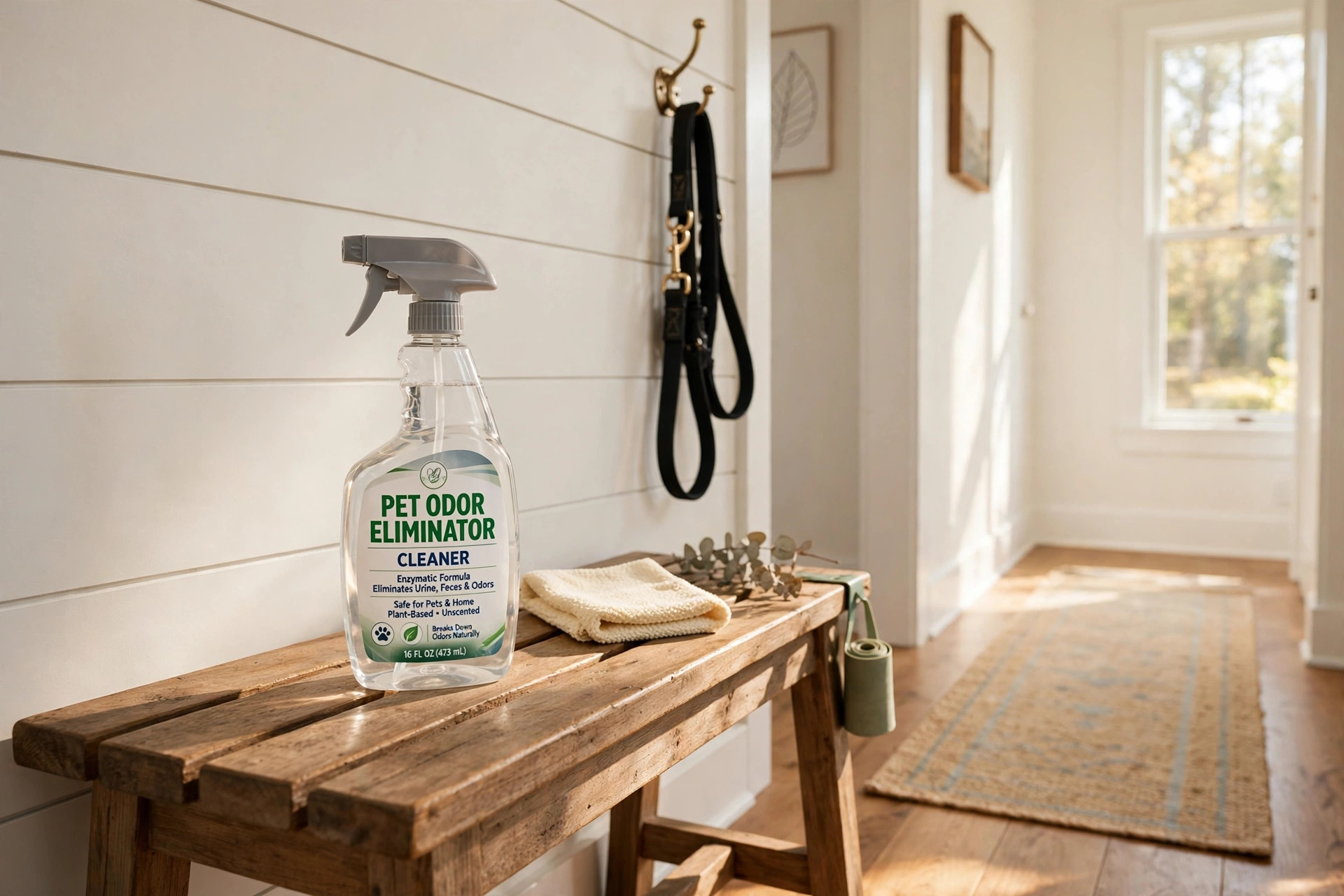

Every pet owner knows the smell. It lives in the carpet by the back door. It hides in the couch cushions. It greets guests before the host can say hello. Reliable pet odor eliminator sprays with free shipping promise an answer that arrives at the front door. These sprays do more than cover a smell with perfume. The best ones break down the source of the odor and leave the room truly fresh. This guide explains how they work, what to look for when buying, and how to get them shipped to the house without paying extra for delivery.
Why Pet Odor Is So Hard to Remove
A pet leaves more than fur behind. Dogs and cats shed skin oils, carry bacteria on their paws, and sometimes mark the same spot more than once. Urine sinks deep into carpet pad and subfloor. Saliva dries into fabric fibers. Over time these bits of matter feed bacteria, and bacteria make the smell worse as days pass.
Regular cleaners often fail here. Soap lifts dirt but leaves the odor molecules in place. Scented sprays cover the smell for an hour, then fade, and the odor returns stronger than before. A true pet odor eliminator attacks the molecule itself. That is why pet owners keep searching for products that actually work instead of products that only smell nice for a little while.
The size of the problem matters too. One accident on a tile floor is easy. Months of cat traffic on wall to wall carpet is a project. Knowing what kind of odor is present helps in picking the right spray and using it the right way.
How Pet Odor Eliminator Sprays Work: Reliable Pet Odor Eliminator Sprays with Free Shipping
Most reliable sprays use one of three methods. The first is enzymes. Enzyme cleaners contain live bacteria or protein chains that feed on the organic matter in urine, drool, and waste. They keep working for hours after the spray dries. For old, deep stains, enzyme sprays are the gold standard. The American Society for the Prevention of Cruelty to Animals reminds owners that thorough cleaning of soiled spots helps prevent pets from returning to mark the same place again.
The second method is oxidation. These sprays use mild oxidizing agents that change the shape of odor molecules so the nose can no longer detect them. They work fast on surfaces and fabrics. They are often sold for laundry and upholstery.
The third method is odor bonding. Special molecules trap odor molecules and hold them so they cannot reach the air. Many modern sprays mix two methods, such as enzymes plus odor bonders, to handle both fresh and old smells in one bottle.
What to Look for When You Choose a Spray
A good spray starts with the right formula for the job. Read the label before the bottle goes into the cart. The following points separate a reliable product from a poor one.
Enzyme or bio-based formula. For urine, feces, and vomit, enzymes do the deepest work. A product that only lists fragrance will not solve the problem.
Surface safety. Check that the spray is safe for the surfaces at hand. Carpet, hardwood, tile, and fabric each react in a different way. Some enzyme sprays warn against use on untreated wood or wool.
Pet and child safety. A spray used around animals should be free of harsh chemicals once dry. Many makers state that their product is safe for pets and children when used as directed. The Environmental Protection Agency publishes guidance on safe product choices for the home, and it is worth a visit before buying any cleaning chemical.
Scent level. Some sprays have a strong perfume. Others are nearly scent-free. In homes with allergy-prone family members, a low-scent or unscented formula is the wiser pick.
Bottle size and sprayer quality. A fine, even mist covers more area with less product. A stream setting helps reach into carpet fibers. For whole-house use, a gallon jug with a refillable sprayer often costs less per ounce.
Shoppers who want depth on this point can read a dedicated pet odor eliminator sprays reviews and buying guide before they compare brands side by side.
Types of Pet Odor Eliminator Sprays
The shelf holds more choices than a buyer might expect. Each type fits a different need.
Enzyme sprays. The workhorse of pet odor control. They need time to work, often eight hours or more, and they need the area to stay damp while they work. Lay a damp towel over the treated spot to keep it moist. Enzyme sprays shine on old stains that other cleaners missed.
Oxidizing sprays. Fast acting and good for fabrics, crates, and hard surfaces. They often pair well with a regular wash cycle. They are less suited to very old urine soaked deep into carpet pad.
Foam sprays. Foam sits on top of the surface and holds the active agents in place. This type works well on vertical spots such as the side of a couch or a door frame where a liquid would run off.
Concentrates. A concentrate mixes with water at home. It costs less per use and cuts down on packaging waste. It fits owners who treat large areas often, such as multi-dog homes or rental units between tenants.
Outdoor sprays. Some makers sell sprays for kennels, patios, and lawn spots. These often attach to a garden hose and cover wide areas. Indoor enzyme sprays should not be used outside, and outdoor sprays should not be used inside, since the formulas differ.
Regional needs can shape the choice too. Homes in warm states face faster bacterial growth, so a guide to best pet odor eliminator sprays for Florida homes can help buyers in humid climates pick formulas that hold up in the heat.
Cost and Price: What to Expect
Pet odor eliminator sprays range widely in price. A standard 24 to 32 ounce bottle of a well-known brand costs between 8 and 18 dollars at most stores. Concentrates cost more up front, often 20 to 35 dollars, but make several gallons of finished spray and drop the cost per ounce far below ready-to-use bottles.
Free shipping changes the math. Many online sellers offer free shipping on orders over a set amount, often 35 dollars, while some ship every order free. When comparing prices, add the delivery cost before deciding which deal is best. A 12 dollar bottle with 8 dollars of shipping costs more than a 16 dollar bottle that ships free.
Buying in bundles saves money too. Some sellers sell two or three packs with free shipping included. For homes that use a full bottle every month, a subscription plan with a discount and free delivery can be the cheapest path of all. Watch for holiday sales, when prices often fall by a fifth or more.
How Free Shipping Works for These Sprays
Free shipping is common for household products today. Large retailers ship many items free once the order crosses a threshold. Smaller specialty shops sometimes ship every order free to win customers away from the big stores.
There are a few things to watch. First, check the delivery time. Free shipping may take a week while paid shipping arrives in two days. Second, check the fine print on returns. Some sellers charge a restocking fee on returned items even when shipping was free. Third, compare the total price, not just the shipping line. A seller that charges more for the bottle can still beat a cheaper seller once shipping is added.
Review sites that test home products, such as Consumer Reports, often note which retailers pair fair prices with solid shipping terms. Their buying guides help shoppers see the full picture before they order.
How to Use the Spray for Best Results
Even the best spray fails when used in the wrong way. The steps below give the product the best chance to work.
1. Blot first. For a fresh accident, press paper towels or an old cloth into the spot. Stand on the towel to push moisture out of the pad. Do not rub, since rubbing spreads the stain wider.
2. Apply generously. Soak the spot well beyond the visible edge. Urine spreads wider under the surface than it shows on top. A light mist will not reach the pad.
3. Keep it damp. For enzyme sprays, cover the spot with a damp towel or plastic wrap for several hours. The enzymes need moisture to stay alive and working.
4. Let it dry fully. Rushing to the next step stops the work early. Give the spot a full day to dry before judging the result.
5. Repeat if needed. Old, deep odors sometimes need two or three treatments. Each pass removes another layer of the odor source.
6. Vacuum or wipe last. Once dry, vacuum the carpet or wipe the hard surface to lift any residue and restore the texture of the fabric.
Family handyman guides on home projects, including the cleaning library at Family Handyman, show the same pattern again and again: patience and full coverage beat a quick spray every time.
Care and Upkeep of a Fresh-Smelling Home
A spray handles the symptom. Habits keep the smell from coming back. A few simple routines make a large difference.
Wash pet bedding every week in hot water. Bedding holds more odor than almost any other item in the house. Vacuum carpets and rugs twice a week with a vacuum that has a HEPA filter, which traps the fine dust and dander that carry odor. Mop hard floors weekly, since dried drool and tracked-in dirt build up in corners.
Groom the pet on a schedule. Regular baths, brushed coats, and cleaned ears cut the odor at its source. Pet health writers at PetMD note that a sudden change in a pet’s smell can signal a skin or ear issue worth a vet visit.
Rotate and air out soft items. Cushion covers, throws, and rugs benefit from a day outside in fresh air when weather allows. Sunlight also helps: ultraviolet light kills many odor-causing bacteria on its own.
For homes with wall to wall carpet, pair the odor spray with a reliable carpet stain remover kits with free shipping routine. Stain kits handle the visible mark while the odor spray handles what the nose finds, and the two together give the carpet a fair chance.
Safety Notes for Pets, Kids, and Surfaces
Safety comes first whenever chemicals meet a home with animals and children. Keep these rules in mind.
Test in a hidden spot. Spray a small area on the back of the couch or in a closet corner. Wait a full day. If the color holds and the texture feels right, treat the rest.
Keep pets off wet spots. Most sprays are safe once dry, but wet product can irritate paws and skin. Block the area with a chair or a baby gate until it dries.
Ventilate the room. Open a window or run a fan while the spray works. Fresh air moves the treatment along and keeps the room comfortable.
Store bottles up high. Curious dogs chew bottles. Cats knock them off shelves. A locked cabinet or a high shelf keeps everyone safe.
Read the whole label. Warnings differ by product. Some sprays cannot be used on leather, silk, or unfinished wood. The label is the final word.
The older home guides at This Old House have long advised testing any cleaner on a hidden spot first, and that advice has not aged a day.
Mistakes That Keep the Smell Alive
A few common errors undo good work. Knowing them saves time and money.
The first error is using steam or heat on a urine spot. Heat sets the protein in urine into the fiber and makes the smell nearly permanent. Always treat odor with a cool or room-temperature product.
The second error is mixing products. Pouring bleach or ammonia-based cleaners over an enzyme spray can kill the enzymes and stop them from working. Worse, ammonia smells like urine to a cat and may draw the animal back to the same spot.
The third error is treating only the surface. A stain that reaches the carpet pad needs enough spray to soak the pad too. Skimping on product is the most common reason a treatment fails.
The fourth error is judging too soon. An enzyme spray that is still damp has not finished its work. Give it the full drying time before deciding it failed.
Home cleaning experts at The Spruce and Good Housekeeping repeat the same core lesson across their guides: match the cleaner to the stain, use enough of it, and let it finish the job.
Where to Shop and What Reviews Say
Big home stores carry the major brands, and their shelves let buyers read labels in person. Online shops offer wider choice and often the free shipping this guide focuses on. Pet specialty stores sometimes stock formulas the big stores skip.
Product testing sites give the most balanced view. Bob Vila publishes tested reviews of cleaning products for the home, and their test notes often reveal which sprays handle old stains and which ones only manage fresh ones. Pair those reviews with buyer comments on retail sites, but read the critical reviews first. They show the real limits of a product.
Frequently Asked Questions
Do pet odor eliminator sprays really work, or do they just cover the smell? The reliable ones really work. Enzyme and oxidizing sprays break down or change the odor molecules themselves instead of hiding them. Cheap sprays that list only fragrance will only cover the smell for a short time.
How long does an enzyme spray take to work? Most need eight to twelve hours, and the spot must stay damp during that time. Cover the treated area with a damp towel. Deep or old stains may need a second treatment.
Are these sprays safe to use around dogs and cats? Most are safe once the treated area is fully dry. Keep pets away from wet spots, and store bottles where animals cannot reach them. Read the label for the exact safety directions of each product.
Can I use a pet odor spray on hardwood floors? Some formulas are safe for sealed hardwood, and some are not. Check the label, and test on a hidden corner first. Never soak unsealed wood, since moisture can warp it.
Will free shipping make the product arrive late? Sometimes. Free shipping often takes longer than paid express shipping. If the odor is urgent, compare the delivery dates before choosing the free option.
How often should I treat a problem spot? Treat once, let it dry fully, then judge. One full treatment with the right product often does the job. Repeat only if the smell remains after a full drying cycle.
A Final Word
A fresh-smelling home with pets is not luck. It is the result of the right product, used the right way, on a steady schedule. Reliable pet odor eliminator sprays with free shipping put that result within reach of any budget, since the delivery cost no longer stands in the way. Pick an enzyme-based formula for deep odors, read the label, treat generously, and give the spray time to work. The house will thank the effort, and so will every guest who walks through the door.
References
ASPCA. (n.d.). Pet care and animal welfare resources. https://www.aspca.org Bob Vila. (n.d.). Home improvement advice. https://www.bobvila.com Consumer Reports. (n.d.). Product reviews and ratings. https://www.consumerreports.org Family Handyman. (n.d.). DIY home repair and maintenance. https://www.familyhandyman.com Good Housekeeping. (n.d.). Product reviews and home advice. https://www.goodhousekeeping.com PetMD. (n.d.). Pet health information. https://www.petmd.com The Spruce. (n.d.). Home and garden advice. https://www.thespruce.com This Old House. (n.d.). Home renovation guidance. https://www.thisoldhouse.com U.S. Environmental Protection Agency. (n.d.). Protecting human health and the environment. https://www.epa.gov
Was this guide helpful?

About Robert Taylor
The My Garden US editorial team writes practical, in-depth home and garden guides for American homeowners — tested advice, no fluff.
You May Also Like
Top Rated Dryer Vent Cleaning Services Near Me: A Practical Guide for Homeowners
February 13, 2026 0 views
Reliable Fireplace Ash Vacuums With Free Shipping
May 27, 2026 0 views
Buy Pet Hair Removal Tools Online in California: A Simple Guide
September 21, 2026 0 views