Why So Many Shoppers Search for EPA Certified Reclaimed Wood Mantels for Sale
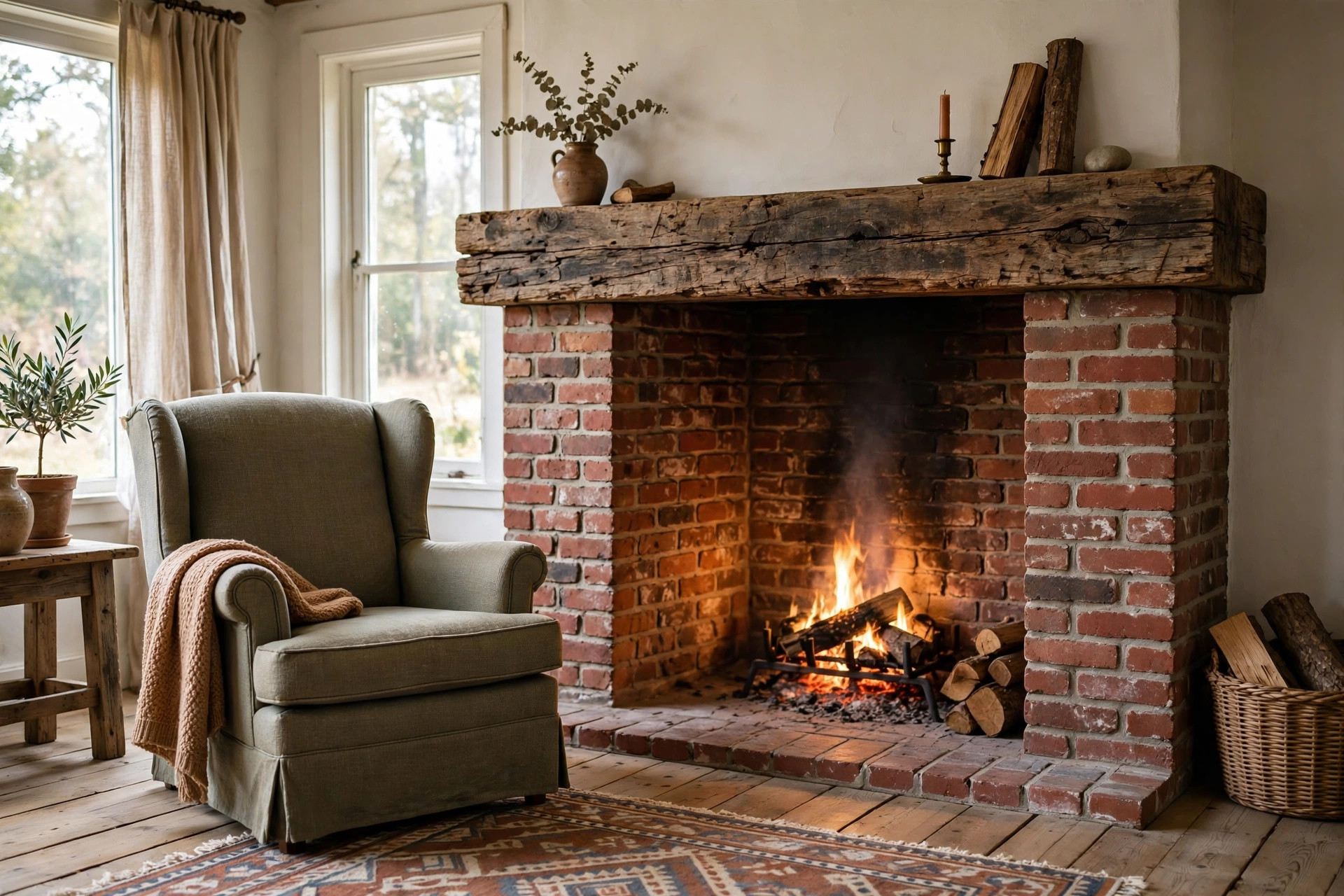
A reclaimed wood mantel brings warmth and history into a home. Old beams carry the marks of the barns, factories, and warehouses they once served. When families shop for epa certified reclaimed wood mantels for sale, they often want two things at once: the rustic charm of aged timber and the clean, safe operation of a modern heating system.
It helps to understand what the phrase actually means. The Environmental Protection Agency certifies wood stoves, pellet stoves, and fireplace inserts for clean-burning performance. It does not certify mantel beams. A mantel is a wooden shelf above the firebox. The appliance below it — the stove or insert — is the part that carries an EPA certification label.
So when a seller advertises an “EPA certified reclaimed wood mantel,” the shopper should ask one simple question: is the stove or fireplace insert beneath the mantel EPA certified? The answer matters for safety, for local code compliance, and for resale value of the home. The mantel itself is judged by different standards: wood quality, dryness, treatment, and installation.
What to Know Before You Buy: Epa Certified Reclaimed Wood Mantels for Sale
Reclaimed wood mantels are cut from timbers that are often 80 to 150 years old. American chestnut, oak, pine, and barn beams from the Midwest and East are common. The wood is dense and stable, and it has a character that new lumber cannot copy. But age does not guarantee quality. A beam that sat in a damp barn floor for decades may hold hidden rot.
Before buying, check these points:
Moisture content. Wood above a heat source must be dry. Ask the seller for a moisture meter reading. Levels under 12 percent are ideal. Wet wood can warp, crack, and split as it dries.
Treatment. Old beams sometimes carry lead paint, pesticides, or creosote. Reputable sellers clean and treat their beams. Ask what the wood was treated with and whether it is safe for indoor use.
Dimensions and weight. Reclaimed beams are heavy. A 72-inch beam can weigh over 100 pounds. Measure your fireplace opening and confirm your wall can hold the load. Masonry walls need different anchors than wood-frame walls.
Finish. Some mantels arrive raw and unfinished. Others come sealed with oil or polyurethane. Raw beams look authentic but collect dust. Sealed beams are easier to clean but look less natural. Choose the finish that suits your home. When in doubt, ask for a small sample block. A sample lets you test stains, oils, and cleaners on the actual wood before you commit to the full beam.
The EPA runs programs that help shoppers understand clean heating. The agency’s burn wise guidance explains how certified appliances cut smoke and protect health. A clean stove below a beautiful mantel is the true goal of the search.
Types of Reclaimed Wood Mantels
Box Beams
Box beams are hollow. They are built from boards cut off old timbers and joined into a hollow shell. They look like solid beams but weigh far less. They are a good choice for mounting on standard framing. The downside is that the hollow sound can give them away if someone knocks on them.
Solid Hewn Beams
Solid beams are cut from a single timber. They are heavy, genuine, and the most prized. They work best on masonry fireplaces that can carry the weight. Expect to pay more, both for the beam and for the labor to mount it.
Live-Edge Slabs
Live-edge mantels keep the natural edge of the tree. They suit modern rustic interiors. The irregular edge becomes a focal point. They need careful sealing because the natural edge collects dust.
Rough-Sawn Planks
Some sellers offer thick rough-sawn planks instead of full beams. These give a mantel look at a lower price and weight. They suit shallow hearths and apartment fireplaces.
Shoppers comparing styles can also look at related guides on top rated electric fireplace mantels for american homes for low-heat options that pair well with reclaimed wood.
What EPA Certification Really Covers
EPA certification applies to the heating appliance, not the mantel. Since 2015, the agency has set strict standards for new wood stoves and fireplace inserts. Certified units burn wood far more completely than old models. They use less fuel and release much less smoke.
Why does this matter when buying a mantel? Three reasons:
1. Code compliance. Many states and counties require EPA certified appliances when a fireplace or stove is installed or replaced. A new mantel project often triggers an inspection. 2. Insurance. Home insurance companies may ask about the heating appliance. A certified stove with a proper label is easier to insure. 3. Safety. Certified stoves run cooler on their outer surfaces and vent more cleanly. A wood mantel above a hot, smoky old stove is a fire risk. A wood mantel above a certified stove with proper clearance is safe.
Always check the clearance rules. The National Fire Protection Association sets minimum distances between combustible mantels and firebox openings. As a rule, a wood mantel must sit at least 6 inches above the fireplace opening, and the distance increases as the mantel projects farther out. Your local inspector or chimney sweep can confirm the exact numbers for your unit.
When the appliance beneath the mantel is a modern certified model from a known maker, the whole installation is safer. Makers such as Napoleon and Heatilator sell fireplaces and inserts built to current standards.
Cost and Price Ranges
Prices for reclaimed wood mantels vary widely by size, wood species, and finish.
– Small box beams (48 to 60 inches): $150 to $400. – Large solid hewn beams (60 to 96 inches): $400 to $1,500. – Rare species (American chestnut, hand-hewn oak): $1,000 to $2,500 or more. – Professional installation: $200 to $600, depending on wall type and beam weight.
Buying online is common. Major retailers like Lowe’s and Home Depot carry mantel shelves and beams, though truly reclaimed pieces often come from specialty salvage shops and small mills. Shipping a heavy beam costs more than shoppers expect — freight charges of $100 to $300 are normal for solid beams.
For lighter options and honest reviews, see guides on affordable floating fireplace mantels for usa homes.
How to Choose the Right Mantel
Start with the fireplace, not the wood. Confirm the appliance is EPA certified if you burn wood. Check the label on the stove or insert. Then measure the opening. The mantel should extend at least 3 inches beyond each side of the opening for a balanced look.
Match the wood to the room. Dark walnut-stained beams suit formal rooms. Raw pine beams suit farmhouse styles. Gray weathered beams suit coastal and modern homes. Bring a paint swatch or floor sample when shopping in person.
Ask the seller direct questions:
– Where did this wood come from? – How was it cleaned and treated? – What is the moisture content? – Is the beam solid or hollow? – What mounting hardware is included?
A seller who answers clearly is a seller you can trust. A seller who avoids these questions is not.
Helpful project guides at This Old House and Family Handyman cover mantel installation and fireplace upgrades in detail. For style ideas and maintenance tips, The Spruce publishes practical home guides.
Care and Upkeep
Reclaimed wood is low maintenance, but it is not no maintenance.
Dust regularly. Use a soft brush or a vacuum with a brush head. Dust settles into the grain and cracks of old beams.
Re-oil once a year. If your mantel has an oil finish, wipe on a fresh coat of hardwax oil or furniture oil each year. This keeps the wood rich and prevents drying.
Watch for pests. Old wood can hide powder-post beetles. Tiny holes and fine sawdust are warning signs. Heat-treated beams from reputable sellers are safe, but inspect new purchases before bringing them indoors.
Mind the heat. Even above a certified stove, check the mantel face with your hand during the first fires of the season. If it is too hot to touch comfortably, the clearance may be wrong. Call a chimney professional.
Avoid water. Never soak a wood mantel during cleaning. A damp cloth is enough. Standing water stains old beams and raises the grain.
Safety Above All
A mantel is a combustible material near a heat source. Respect that fact.
– Follow the manufacturer’s clearance distances exactly. – Never mount a wood mantel above an open, uncertified firebox without a professional review. – Keep a working smoke detector and carbon monoxide detector in the room. – Have the chimney swept and inspected once a year. – Do not store firewood, kindling, or decorations on or against the mantel during the burning season.
If your fireplace is decorative only — an electric insert or a sealed gas unit — a wood mantel is a simple and safe choice. Many buyers pair reclaimed beams with electric fireboxes precisely because the heat is gentle and controlled. Reviews of fireplace mantel shelves show this is a popular and safe combination.
Design inspiration and room planning help is easy to find at Houzz, where thousands of fireplace projects show reclaimed mantels in real homes. For product testing and honest buying advice, Bob Vila covers tools and materials used in fireplace projects.
Frequently Asked Questions
Are reclaimed wood mantels actually EPA certified? No. The EPA certifies wood-burning stoves, pellet stoves, and fireplace inserts — not mantel beams. When a listing says “EPA certified,” it should refer to the heating appliance installed with the mantel. Ask the seller to clarify.
Is reclaimed wood safe above a fireplace? Yes, when clearances are correct and the appliance is properly vented. Wood mantels have been used for centuries. Modern code sets minimum distances based on how far the mantel projects from the wall. A certified stove with correct clearance makes the setup safe.
How can I tell real reclaimed wood from fake? Real reclaimed beams show saw marks, nail holes, checking (cracks along the grain), and uneven color. Faux beams look too perfect. Ask for the wood’s origin story. Honest sellers name the barn, region, or mill.
What is the best wood species for a mantel? Oak and chestnut are the most durable. Pine is lighter and cheaper. All work well when dry and properly mounted. The choice is mostly about looks and budget.
Can I install a reclaimed mantel myself? A light box beam on a wood-frame wall is a fair DIY project with a French cleat or lag bolts into studs. A heavy solid beam on masonry is a job for a professional. If the beam falls, it can injure people and damage the fireplace.
Where is the best place to buy? Specialty reclaimed lumber dealers offer the most authentic pieces. Large retailers offer convenience and easy returns. Online marketplaces offer variety but require careful reading of listings. Wherever you buy, ask about treatment, moisture, and mounting hardware before paying.
A Final Word
The search for epa certified reclaimed wood mantels for sale is really a search for two good decisions made together: a clean, certified heating appliance and a beautiful piece of history above it. Understand what the certification covers, buy the beam from a seller who answers hard questions, and install it to code. The result is a fireplace that is safe to use and a pleasure to look at — for decades to come.
References
Bob Vila. (n.d.). Home improvement advice. https://www.bobvila.com Family Handyman. (n.d.). DIY home repair and maintenance. https://www.familyhandyman.com Heatilator. (n.d.). Fireplaces and fireplace products. https://www.heatilator.com Houzz. (n.d.). Home design and remodeling. https://www.houzz.com Lowe’s. (n.d.). Home improvement products. https://www.lowes.com Napoleon. (n.d.). Fireplaces, grills, and heating products. https://www.napoleon.com The Home Depot. (n.d.). Home improvement products. https://www.homedepot.com The Spruce. (n.d.). Home and garden advice. https://www.thespruce.com This Old House. (n.d.). Home renovation guidance. https://www.thisoldhouse.com U.S. Environmental Protection Agency. (n.d.). Protecting human health and the environment. https://www.epa.gov
Was this guide helpful?

About Sarah Mitchell
The My Garden US editorial team writes practical, in-depth home and garden guides for American homeowners — tested advice, no fluff.