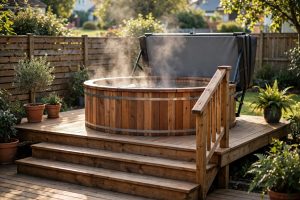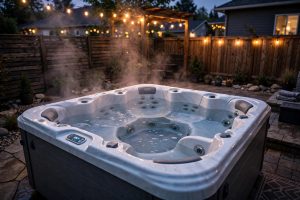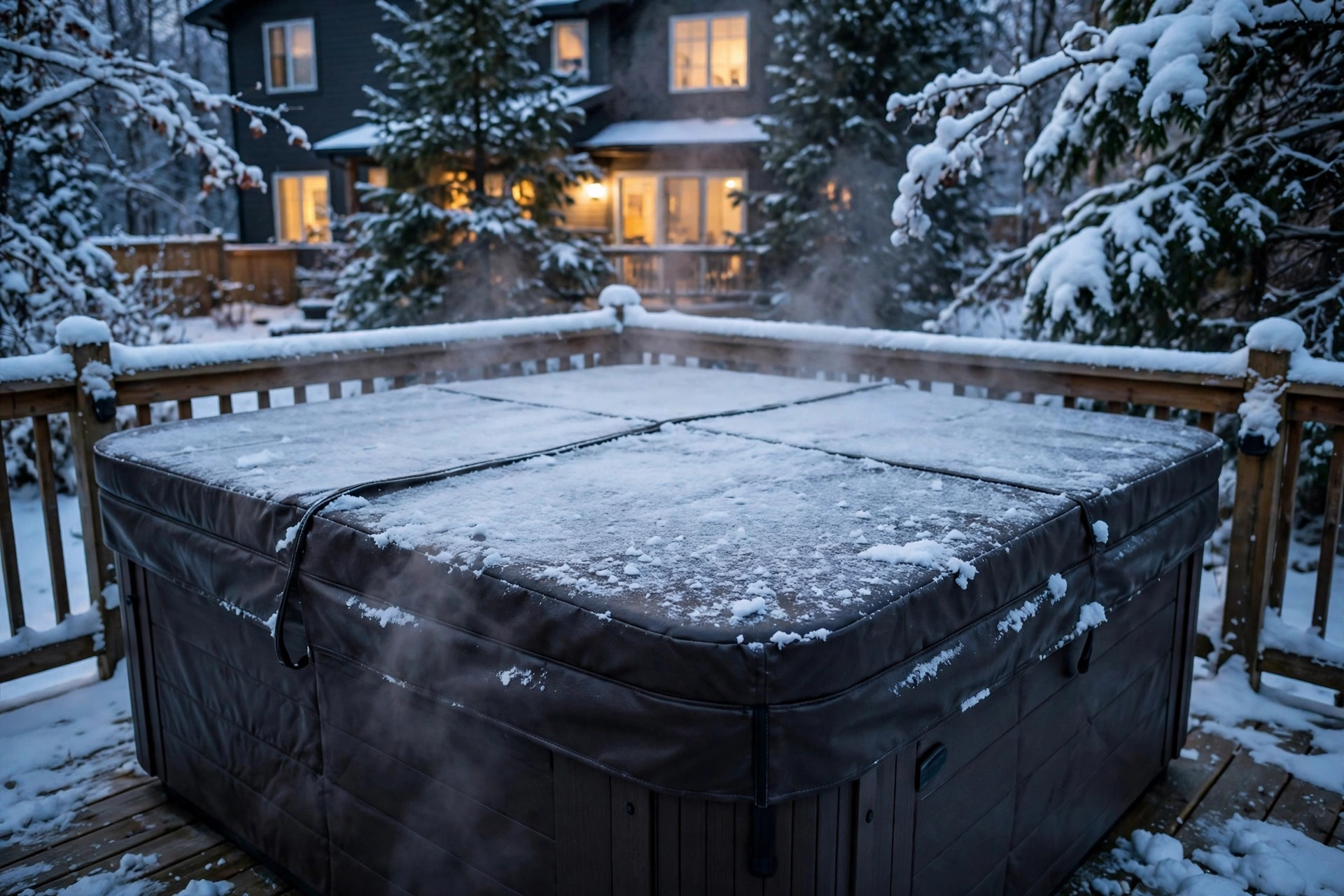
A hot tub is a fine thing on a cold night. Steam rises off the water. The air is sharp and cold. The water stays warm and still. But the best hot tub insulation for winter is what makes this possible. Without good insulation, heat leaves the spa fast. The heater must work all night to keep up. Power bills grow large. The water may never reach the right heat.
Many owners learn this the hard way in the first cold season. They turn the heater up. The water stays lukewarm. The motor runs without rest. The fix is not a bigger heater. The fix is better insulation. Good insulation holds heat where it belongs. It lowers cost. It protects the pump and pipes from freeze damage.
Why Hot Tub Insulation Matters in Winter
Heat always moves from warm to cold. This is a basic rule of nature. In winter, the air around a hot tub is much colder than the water. Heat flows out through the shell, the cover, and the cabinet walls. It leaves from the bottom too, where the tub meets the ground.
In a mild climate, this heat loss is small. In a cold climate, it is large. A spa in Maine or Montana may lose ten degrees or more overnight without insulation. The heater must replace that heat each day. That takes power. It also takes time. If the heater cannot keep up, the water stays cool. The spa becomes useless for the whole season.
Insulation slows this loss. It traps warm air inside the cabinet. It keeps the pipes and pump warm. It lets the heater rest between cycles. A well-insulated spa can use far less power than a bare one. The savings pay for the insulation in one or two winters.
There is also the matter of damage. When power fails in a storm, a poorly insulated tub cools fast. Pipes can freeze and crack. A pump can seize. Repair of freeze damage costs far more than insulation. For this reason, insulation is not a luxury. It is protection.
How Hot Tub Insulation Works: Best Hot Tub Insulation for Winter
Hot tub insulation works by trapping still air. Still air is a poor conductor of heat. Foam, fiberglass, and plastic foils all work the same way. They hold small pockets of air. These pockets block heat from moving out.
The spa cover does the most work. Heat rises. Most heat loss leaves through the top of the water. A thick, tight cover stops most of this loss. The foam inside the cabinet walls keeps the pipes warm. The base of the tub stops heat from sinking into the ground.
Moisture is the enemy of insulation. Wet foam loses much of its power. A cover that soaks up water becomes heavy and cold. Good insulation stays dry. It keeps its shape for years.
Main Types of Hot Tub Insulation
There is more than one way to insulate a spa. Each type has strengths and limits. The best hot tub insulation for winter often mixes two or three types. Here are the main options.
Full Foam Insulation
Full foam fills the whole cabinet with spray foam. The foam surrounds the pipes, the pump, and the shell. This was common in older spas. It works well against heat loss. The pipes stay very warm.
The drawback is repair. If a pipe leaks, a repairman must dig through the foam. This adds labor cost. Some new spas use full foam still. It is a solid choice for cold areas.
Partial Foam Insulation
Partial foam puts foam only on the shell. The cabinet stays open. Warm air from the pump and motor heats the cabinet space. This design allows easy repair. The pipes are open and simple to reach.
Many modern spas use this method. It gives good insulation with easy service. In very cold places, it may need help from a good cover and a cabinet blanket.
Thermal Blanket Insulation
A thermal blanket is a layer of reflective foil over the tub. It sits under the cover or inside the cabinet. It reflects heat back toward the water. It is light and cheap. Owners can add it to an old spa with ease.
Blankets work best as an add-on. They do not replace foam or a thick cover. But they add a real boost in deep cold. For more detail on picking a spa built for cold weather, see our guide on the best hot tub for cold climates.
Insulated Cabinet Walls
Some spas have thick walls with foam panels built in. The panels sit inside the cabinet sides. They keep warm air in and cold air out. This design is clean and dry. It also allows easy repair, since the panels can be lifted out.
This is common in mid-range and high-end spas. It pairs well with a strong cover. When shopping, ask how thick the wall panels are. Thicker is better.
Insulated Covers
The cover is the single most important part. A good winter cover is four to six inches thick at the center. It tapers to two or three inches at the edge. It seals tight against the tub rim. It has a vapor barrier to keep water out.
Cheap covers flatten in a year or two. Water soaks in. They grow heavy. A heavy cover is a sign of lost insulation. Replace it before winter. Pair your cover plan with a read of our best pool cover for winter reviews for help choosing winter covers of all kinds.
Base and Ground Insulation
Heat leaves through the bottom of the tub. A concrete pad draws heat out of the spa. A layer of foam board under the tub stops this. Closed-cell foam board, two inches thick, works well. It also levels the base and keeps moisture away.
If your tub sits on a deck, add foam board under it too. Cold air moves under decks. It pulls heat from the base. A skirt or wind block around the base helps as well.
How to Choose the Best Hot Tub Insulation for Winter
Start with your climate. In the deep South, a good cover may be enough. In the Upper Midwest or New England, you need full protection. Plan for the worst week of winter, not the average.
Next, look at your spa. A new spa with wall panels and a thick cover needs little extra. An old spa with thin walls needs help. Check the cabinet. If it feels cold inside on a winter day, add insulation.
Age matters too. Foam breaks down over time. Covers wear out. A ten-year-old spa may have lost half its insulating power. Fresh insulation can bring it back to life.
Think about use. If you soak every night, steady heat matters more. If you use the tub on weekends only, a strong cover and a floating blanket may be enough. The goal is to match insulation to real need, not to buy more than you must.
Ease of repair is a real factor. If your spa needs service often, avoid full foam. Choose panels or blankets that can be moved aside. Talk to your service man before you fill a cabinet with spray foam.
Look for dry materials. Wet insulation is dead insulation. Choose closed-cell foam over open-cell foam. Choose covers with a sealed vapor barrier.
For brand and model research, the big makers publish full specs on their sites. Hot Spring lists insulation details for each model line. Bullfrog Spas does the same. Retail guides at The Home Depot and Lowe’s compare models side by side.
Cost and Price Guide
Insulation costs vary by type. Here is what most owners pay in the United States.
A quality winter spa cover costs between 300 and 600 dollars. Custom covers cost more. A cover should last three to five years. Plan to replace it on that cycle.
A floating thermal blanket costs between 30 and 80 dollars. It is the cheapest upgrade. Cut it to fit your tub shape. Replace it each year or two as it wears.
Reflective cabinet blankets cost between 50 and 150 dollars. They line the inside of the cabinet walls. They are easy to install with tape or clips.
Foam board for the base costs between 40 and 100 dollars. Two-inch closed-cell board is the standard. You need enough to cover the full footprint of the tub.
Spray foam kits cost between 100 and 300 dollars. They fill gaps in an old cabinet. Use them with care. Do not spray foam near the pump motor vents. The motor needs air to cool.
Energy savings add up fast. A well-insulated spa can cut winter power use by a third or more. In a cold state, that may save 30 to 60 dollars a month. The insulation pays for itself in one or two seasons. The U.S. Department of Energy offers home energy tips that apply to spas as well. Price research sites can help you compare: Consumer Reports tests spa energy use and rates models, This Old House publishes cost guides for spa projects, and Leslie’s Pool Supplies lists cover and blanket prices with reviews.
Adding Insulation to an Older Hot Tub
Many owners keep an old spa and want to make it winter-ready. This is a fair weekend project. Work in dry weather. Turn off power at the breaker first.
Start with the cover. If it is heavy or sagging, replace it. A new cover gives the largest gain for the money. Measure your tub before you order. A poor fit leaks heat.
Next, check the cabinet. Open the service panel. If you see bare wood or thin panels, add reflective blanket material. Cut panels to fit. Tape them in place with foil tape. Leave the pump area open for air flow.
Add foam board under the tub if you can lift it. Do it during a drain and refill. Slide two-inch foam board under the base. Trim it to the tub shape.
Seal gaps. Cold air enters through gaps in the cabinet. Use foam strips or caulk on joints. Check where pipes pass through the wall.
Drain and clean before the deep freeze. Dirty filters make the heater work harder. For full pool and spa shutdown steps, our article on how to winterize inground pool properly covers the process in detail, and much of it applies to spas as well.
Care and Upkeep Through the Season
Insulation needs care to keep working. Check the cover each month. Lift it and feel its weight. A cover that grows heavy is soaking up water. Replace it before it fails.
Keep the cover clean. Brush off snow after each storm. Do not let snow pile deep. Heavy snow can crack a cover. A soft broom works best. Never use a shovel.
Check the cabinet in midwinter. Open the service panel on a cold day. Feel for cold drafts. Look for wet spots. Wet spots mean a leak or a failed vapor barrier. Fix them soon.
Keep the water level right. Low water lets air into the heater. Top up the water each week.
Clean the filter each month. A dirty filter slows water flow. Slow flow makes the heater run longer. Rinse the filter with a hose. Soak it in filter cleaner twice a season.
Safety Notes for Winter Hot Tub Use
Safety comes first with any hot tub. Cold weather adds new risks.
Keep the water at or below 104 degrees Fahrenheit. This is the safe limit set by health groups. Hotter water can cause fainting. It is more risky for children, older adults, and pregnant women. The Consumer Product Safety Commission publishes spa safety rules worth reading.
Limit soak time in winter. The cold air on your head and the hot water on your body stress the heart. Keep soaks to 15 or 20 minutes. Get out if you feel dizzy.
Frequently Asked Questions
What is the best hot tub insulation for winter in very cold states?
The best setup mixes several types. Use a thick tapered cover, wall panel insulation, and a floating thermal blanket. Add foam board under the base. This stack handles sub-zero nights. No single product does it all.
How thick should a winter hot tub cover be?
Four to six inches at the center is the standard for winter. The edge can taper to two or three inches. Thicker covers hold more heat. A cover lifter helps with daily use.
Can I add insulation to a hot tub myself?
Yes, most add-ons are simple. Covers, blankets, and foam board need no special skill. Spray foam needs care around motors and vents. If you are unsure, hire a spa tech for the foam work.
Does insulation really lower the power bill?
Yes. Heat loss is the main driver of winter power use. Good insulation can cut that loss by a third or more. Owners in cold states often save 30 to 60 dollars a month. The payback time is short.
How long does hot tub insulation last?
Covers last three to five years. Blankets last one to three years. Foam panels and spray foam can last ten years or more if they stay dry. Moisture shortens every type. Inspect each fall.
Should I drain my hot tub for the winter instead?
Draining is an option if you will not use the tub. But a drained tub can still suffer freeze damage from trapped water in pipes. You must blow out every line with care. For most owners, it is simpler to keep the tub full, heated, and well insulated.
A Final Word
The best hot tub insulation for winter is not one product. It is a system. A thick cover. Sound walls. A warm base. Dry materials. Each part does its share. Together they keep the water hot and the bills low.
Start before the cold sets in. Check your cover now. Feel inside the cabinet. Add what is missing. When the first snow falls, your tub will be ready.
For more background on spa care and pool supplies, Swim University offers clear how-to guides, Pool Warehouse stocks covers and parts, and The Spruce covers seasonal home care in plain terms.
References
Bullfrog Spas. (n.d.). Hot tubs and spas. https://www.bullfrogspas.com Consumer Reports. (n.d.). Product reviews and ratings. https://www.consumerreports.org Hot Spring Spas. (n.d.). Hot tubs and spas. https://www.hotspring.com Leslie’s Pool Supplies. (n.d.). Pool supplies and equipment. https://www.lesliespool.com Lowe’s. (n.d.). Home improvement products. https://www.lowes.com Pool Warehouse. (n.d.). Pool equipment and supplies. https://www.poolwarehouse.com Swim University. (n.d.). Pool and hot tub care guides. https://www.swimuniversity.com The Home Depot. (n.d.). Home improvement products. https://www.homedepot.com The Spruce. (n.d.). Home and garden advice. https://www.thespruce.com This Old House. (n.d.). Home renovation guidance. https://www.thisoldhouse.com U.S. Consumer Product Safety Commission. (n.d.). Product safety information. https://www.cpsc.gov U.S. Department of Energy. (n.d.). Energy efficiency and renewable energy. https://www.energy.gov
Was this guide helpful?

About Emily Rodriguez
The My Garden US editorial team writes practical, in-depth home and garden guides for American homeowners — tested advice, no fluff.