
Introduction
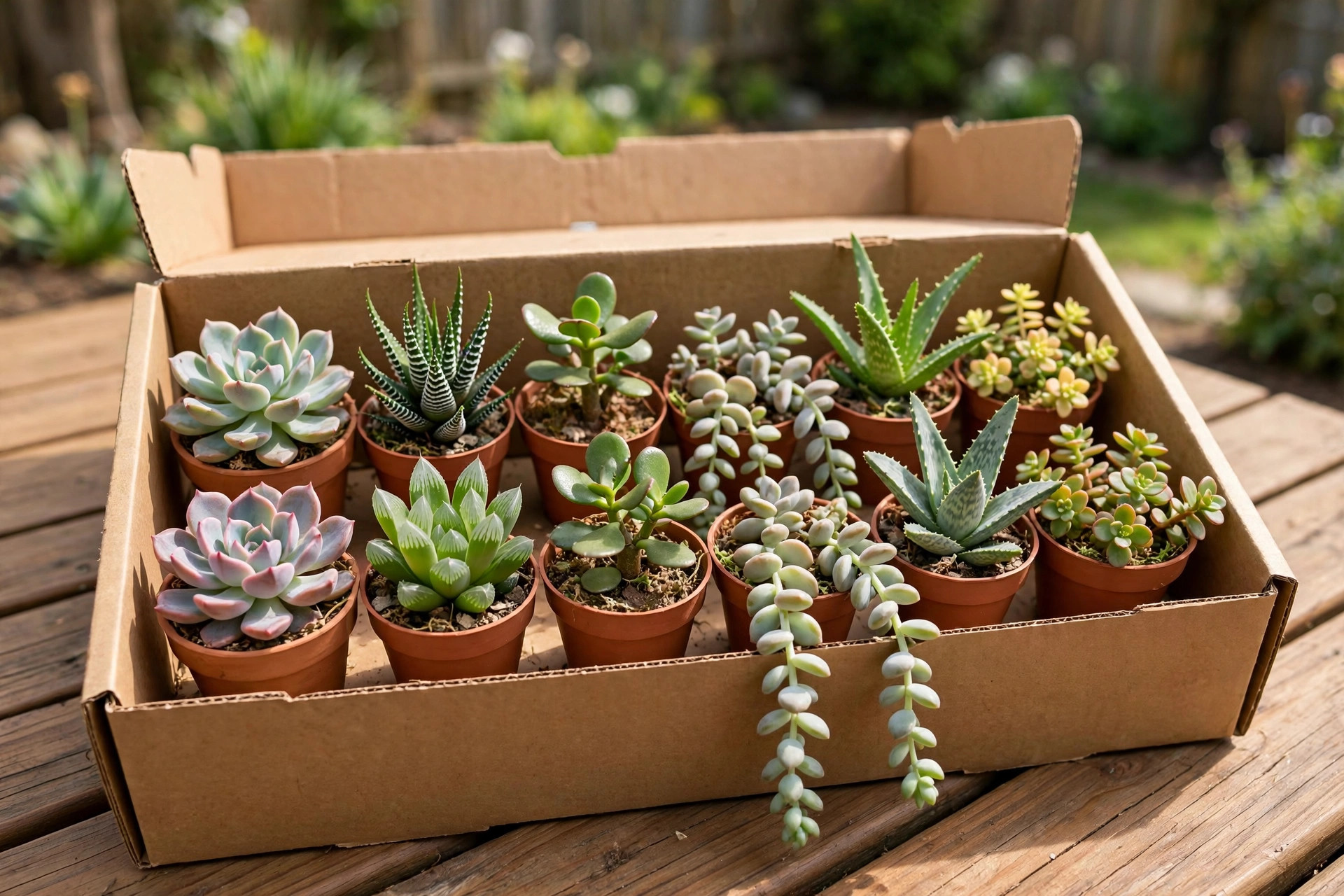
There are many succulent variety packs for sale in the USA today. A variety pack gives you several kinds of succulents in one order. It is an easy way to start a collection. You do not have to buy each plant one by one.
Succulents are plants with thick leaves and stems. They store water in those thick parts. This is why they need less water than most house plants. Many people in the USA keep them on window sills and desks. Some plant them in dry garden beds.
This guide explains what to look for when you shop. It covers types, prices, care, and safety. It also answers common questions from new buyers. If you buy with care, your pack will grow well for years.
Why a Variety Pack Is a Good Start: Succulent Variety Packs for Sale Usa
A variety pack saves time. One box can hold six, twelve, or even twenty plants. Each plant is different. You get a full display in one purchase.
It also saves money. Single succulents at a garden shop can cost five to ten dollars each. A pack of twelve often costs less than four single plants. The price per plant drops as the pack grows.
A variety pack teaches you about many kinds at once. You can see which types like your light and your watering style. The ones that do well tell you what to buy next. The ones that fail teach you what to avoid.
Beginners often find this helpful. You do not need to know the name of every plant before you order. The pack brings the names to you. Many sellers include a small tag with each plant.
Gift buyers like these packs too. A box of small succulents makes a neat present. It fits many events, from birthdays to housewarmings.
What to Look for When You Buy
Healthy Leaves and Firm Roots
Look at the photos before you order. Leaves should be plump and firm. They should have even color. Soft or see-through leaves are a bad sign. They point to rot.
Roots matter most. Healthy roots are white or light tan. Dark, mushy roots mean the plant sat in wet soil too long. Reputable sellers ship plants bare root or in dry soil. This keeps rot away.
Check seller reviews. Buyers often post photos of what arrived. Look for reports of broken leaves or crushed plants. A few broken leaves are normal in shipping. A whole box of damage is not.
True Variety, Not Look-Alikes
Some packs list ten varieties but ship ten plants that look the same. Read the plant list in the listing. Good sellers name each kind. Echeveria, haworthia, sedum, and crassula are common names you may see.
If the seller cannot name the plants, be careful. Ask for the list before you buy. A grower who knows the stock will answer fast.
Size also matters. A two-inch pot is the common size for these packs. Four-inch pots hold older plants. Match the size to your plan. Two-inch plants fit wedding favors and small pots. Four-inch plants suit a gift that must look full at once.
Shipping and Packing
Plants are alive. They do not like heat or cold in a truck. Check how the seller packs them. Good packing uses paper wraps and a firm box. Each plant should sit snug so it cannot slide.
Winter shipping needs care. Some sellers add heat packs in cold months. Others pause shipping when frost hits your state. Ask about the shipping day. Plants should not sit in a warehouse over a weekend.
Live arrival guarantees are worth reading. Many sellers replace plants that arrive dead. Note the time limit. Some give 48 hours to report damage.
Types of Succulents Commonly Found in These Packs
Rosette Types
Echeveria and sempervivum form rose shapes. Their leaves sit in neat rings. They come in green, blue, and red tones. They like bright light and dry soil.
Sempervivum, often called hens and chicks, can take more cold than most succulents. Some kinds live through winter in many states. Echeveria prefers warmth and must come inside before frost.
Jade and Crassula Types
Jade plants have thick oval leaves on woody stems. They grow slowly into small shrubs. A jade plant can live for decades with simple care.
Crassula relatives add fun shapes. Some have stacked leaves. Some have red edges in strong sun. They are forgiving plants for new growers.
Haworthia and Aloe Types
Haworthia stays small and has bold leaf patterns. It likes less direct sun than echeveria. It does well on a desk a few feet from a bright window.
Small aloe kinds also show up in packs. They have pointed leaves with soft teeth. They are tough and easy to water right.
Trailing and Filler Types
Burro’s tail and sedum trail over pot edges. They suit hanging baskets. String of pearls has round beads on long stems. These types add motion to an arrangement.
Filler sedums spread fast and cover soil. They are useful in mixed bowls. They root from small pieces, so one plant can make many.
Plant care guides from trusted garden sites can help you tell these types apart and learn their needs. The Gardening Know How site has plant profiles with photos. The Almanac site has planting calendars by region. The Spruce site has care sheets for common house plants.
Cost and Price
Price depends on pack size and plant size. A six-pack of two-inch succulents often costs twelve to twenty dollars. A twelve-pack runs twenty to forty dollars. Larger twenty-packs can cost forty to seventy dollars.
Four-inch plants cost more. A four-pack of four-inch succulents may cost twenty-five to forty dollars. Rare or grafted kinds raise the price.
Shipping adds to the total. Live plant shipping often costs eight to fifteen dollars. Some sellers offer free shipping over a set amount. Watch for holiday sales. Spring is the peak season, and prices can rise then.
Compare the cost per plant. A twelve-pack at thirty dollars is two dollars and fifty cents per plant. That is often less than half the shop price. But a cheap pack with dead plants is no bargain. Value means healthy plants that live, not the lowest sticker price.
If you plan a wedding or event, ask about bulk pricing. Some growers cut the price for orders of fifty or more plants.
Care and Upkeep
Light
Most succulents want bright light. A south or west window works well in the USA. If you lack strong windows, use a simple grow light. Six to eight hours of bright light keeps the growth tight.
Too little light makes plants stretch. The stems grow long and pale. Move stretched plants closer to light. You cannot fix the stretched part, but new growth will come in right.
Too much hot sun can burn leaves. Afternoon sun behind glass can be harsh. Move plants back a foot if you see brown scars.
Water
Water only when the soil is fully dry. For a two-inch pot, this may be every ten to fourteen days. In winter, water even less. The plants grow slowly then.
Soak the soil until water runs from the drain hole. Then let it drain fully. Never let the pot sit in a saucer of water. That is the main cause of rot.
The “soak and dry” rule works for most kinds in these packs. When in doubt, wait one more day. Succulents forgive dry soil. They do not forgive wet roots.
Soil and Pots
Use soil made for cactus and succulents. It drains fast. You can also mix regular potting soil with perlite or coarse sand. Half soil and half grit is a safe mix.
Every pot needs a drain hole. This is not optional. Pots without holes trap water and kill roots.
Repot soon after arrival. Nursery soil in these packs is often heavy. Move the plants to your own gritty mix. Wait two or three days before the first watering. This lets any root wounds heal.
For more on plant care basics, the National Institute of Food and Agriculture site has research on home gardening. Growers like Monrovia and Proven Winners publish care notes for their plants.
Temperature
Most succulents like room temperature. They do best between sixty and eighty degrees. Keep them away from cold drafts in winter.
Know your frost dates. Tropical kinds must come inside before the first frost. Hardy sempervivum can stay out in many zones. Check your zone before you plant outside.
Buying Tips for Specific Needs
If you want plants for a wedding, order early. Order four to six weeks ahead. This gives time to replace any that arrive weak. Ask the seller to ship on a Monday. Plants then travel during the week and do not sit over the weekend.
If you want plants for a classroom, pick tough kinds. Haworthia and jade take neglect well. Avoid tiny trailing types. They break when handled often.
If you want rare kinds, read the variety list with care. Standard packs hold common plants. Specialty sellers offer packs of rare echeveria or variegated types. These cost more but suit collectors.
Nursery catalogs can show you what is in season. Gurney’s and Park Seed list seasonal stock. White Flower Farm has gift collections with packing notes.
You can also widen your indoor plant skills. A guide to snake plants for indoor growing pairs well with succulent care, since both like bright light and dry spells. A fiddle leaf fig buying guide helps when you are ready for larger statement plants. And a pothos buying guide covers trailing plants that fill the same shelves.
Safety
Most succulents in these packs are safe to touch. The main risk is overwatering, not poison. But a few kinds need care.
Euphorbia types have milky sap that can burn skin and eyes. If your pack includes a euphorbia, wear gloves when you repot. Wash your hands after.
Keep small plants away from pets that chew. Some succulents upset a dog or cat stomach. Put plants on high shelves if your pet is curious. Ask your vet if you worry about a certain kind.
Use clean tools. Dirty scissors can spread rot from plant to plant. Wipe blades with rubbing alcohol between cuts.
Frequently Asked Questions
How many plants come in a succulent variety pack?
Packs range from four to fifty plants. The most common sizes are six and twelve. Event packs often hold twenty or more. The listing should state the count and the pot size.
How long does shipping take, and will the plants live?
Most orders arrive in three to seven days. Plants can live a week in a dark box if the packing is good. Check the tracking and open the box at once. Let the plants rest in bright, indirect light for a day before you water.
What if some plants arrive damaged?
Take photos right away. Contact the seller within the guarantee window. Many sellers send replacements or give credit. Keep the packing until the claim is settled.
Can I plant these succulents outside?
It depends on your zone. Hardy kinds like sempervivum can live outside in many states. Tender kinds like echeveria must stay in pots and come inside before frost. Check each plant type against your zone.
How do I arrange a mixed pack in one pot?
Pick plants with the same water needs. Put the tallest in the back or center. Set trailers at the edge. Leave small gaps for growth. Do not crowd the leaves. Crowded leaves trap moisture and invite rot.
Do these packs come with care instructions?
Many do. Look for listings that mention a care card or plant tags. If none come with your order, the care section of this guide will get you started.
A Final Word
Succulent variety packs for sale in the USA make plant buying simple. One order brings home many kinds. Choose a seller with clear plant lists and honest reviews. Pick pack sizes that fit your space and your plans. Give the plants bright light, dry soil, and time to settle. In return, you get a living display that asks for little and gives much. Start small, learn what thrives in your home, and grow your collection from there.
References
Gardening Know How. (n.d.). Gardening guides and plant care. https://www.gardeningknowhow.com Gurney’s Seed & Nursery Co. (n.d.). Seeds, plants, and garden supplies. https://www.gurneys.com Monrovia. (n.d.). Plants for home gardens. https://www.monrovia.com National Institute of Food and Agriculture. (n.d.). Agricultural research and extension. https://www.nifa.usda.gov Park Seed. (n.d.). Seeds, plants, and gardening supplies. https://www.parkseed.com Proven Winners. (n.d.). Plants and gardening inspiration. https://www.provenwinners.com The Old Farmer’s Almanac. (n.d.). Gardening calendars and advice. https://www.almanac.com The Spruce. (n.d.). Home and garden advice. https://www.thespruce.com White Flower Farm. (n.d.). Plants, bulbs, and garden supplies. https://www.whiteflowerfarm.com
Was this guide helpful?

About David Wilson
The My Garden US editorial team writes practical, in-depth home and garden guides for American homeowners — tested advice, no fluff.
You May Also Like

Wildflower Seed Mixes Texas Homes USA: How to Plant a Prairie at Home
June 10, 2026 0 views
Dahlia Bulbs in Bulk for Texas Homes
April 7, 2026 0 views
Organic Herb Seeds USA Online Deals: How to Grow Your Own Kitchen Garden
April 26, 2026 0 views