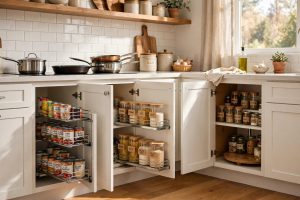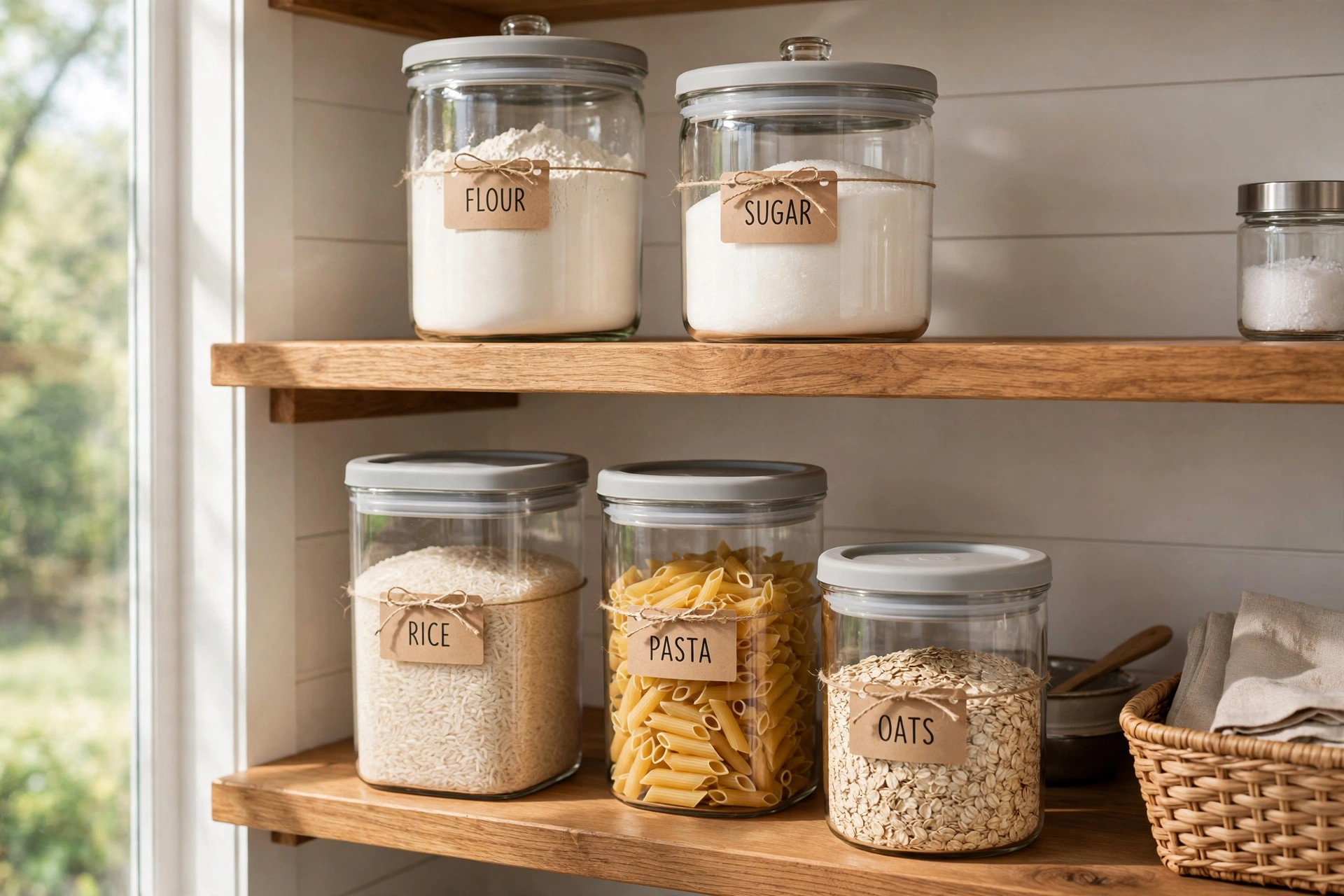

This premium pantry food storage containers buying guide is written for the home cook who wants a neat pantry. Open bags of flour go stale. Half-used boxes of cereal lose their crunch. Rice and sugar clump. Good containers solve these problems. They keep food fresh. They make shelves look tidy. This guide will help you buy them with care.
Why Quality Storage Matters for Your Pantry
A pantry is only as good as its weakest bag. Thin paper bags tear. Cardboard boxes absorb damp. Once the factory seal is broken, dry goods start to fade. Air is the main enemy. It steals crunch from crackers and aroma from coffee. Moisture is the second enemy. It turns sugar into rock and flour into lumps. Pests are the third. Moths and beetles find their way into loose packages.
Premium containers fight all three. A tight seal locks out air and damp. Thick walls stand up to drops and knocks. Clear sides let you see what is left. You stop buying duplicates. You waste less food. A 1989 survey of home food waste, often quoted in kitchen journals, found that stale dry goods were one of the top reasons food was thrown out. The remedy has not changed. Seal food well. Label it. Store it right.
There is also a simple joy in order. Open shelves with matched jars look calm. You cook more when you can find things. That is reason enough.
What to Look For When You Shop: Premium Pantry Food Storage Containers Buying Guide
Shopping for containers is simple once you know the rules. Focus on the seal first, then the material, then the size.
Airtight Seals
The seal is the most important part of any container. Look for silicone gaskets. These are soft rings that sit under the lid. They press flat and close the gap. Snap lids with side clasps close with force and hold well. Flip-top lids with silicone rings work for daily use. Screw-top lids are fine for items you open less often.
Test the seal if you can. Put a little water inside, close the lid, and turn the jar over. No drip means a good seal. If the lid feels loose or wobbly, skip it. A seal that fails is worse than no container at all. It gives a false sense of safety.
Materials: Glass, Plastic, Stainless Steel, and Ceramic
Glass is the classic choice. It does not stain or hold smells. It is safe for hot and cold food. You can see the level at a glance. Borosilicate glass stands up to heat and cold shifts. The drawback is weight. Large glass jars are heavy when full. Glass can also break if dropped on tile.
Plastic is light and tough. High-quality food-grade plastic is BPA-free. It will not crack on a hard floor. It is the best pick for homes with children. The drawback is that some plastics hold stains from tomato or turmeric. Dishwasher-safe labels matter. Cheap plastic warps in heat. Premium brands use thicker walls that resist warp.
Stainless steel is the tough workhorse. It does not break. It blocks light, which protects flour and oils from fading. The drawback is that you cannot see inside. Some lids have steel bodies with plastic or silicone seals. These work well for bulk goods like oats and beans.
Ceramic looks handsome on open shelves. It blocks light. It keeps a steady temperature. The drawback is weight and chip risk. Ceramic suits flour, sugar, and coffee that sit in one place.
Sizes and Shapes
Buy for the food, not for the shelf. Flour and sugar do best in tall jars of 64 to 128 ounces. Cereal and oats fit wide mouth jars of 32 to 64 ounces. Spices and baking soda need small jars of 8 to 16 ounces. Snacks and nuts work in medium jars.
Square and rectangular jars use shelf space better than round ones. They sit flush side by side. Round jars pour better and clean more easily. Measure your shelf height before you buy. A tall jar that does not fit the shelf is money lost. Standard pantry shelves run about 12 to 16 inches apart.
Stackable lids save space. Flat lids let you stack jars two high. Look for locking lids that keep the stack steady.
Types of Premium Containers
Several types earn the word premium. Each suits a different need.
Modular sets are the most popular. Brands such as OXO design jars that stack and nest. Their pop-top lids open with one press. OXO has built a whole line around this idea. Modular sets come in many sizes. You buy one size, then add more. The jars share lids, so storage is simple.
Vacuum-seal canisters pump air out of the jar. They suit coffee beans, nuts, and dried fruit. The vacuum slows staleness. They cost more and need the pump step each time you close them.
Bulk dry-goods dispensers sit on the counter. They pour flour or cereal with a twist. They are handy for daily use. They do not seal as tightly as canisters, so they suit food you use up fast.
Specialty jars include oil dispensers with spouts, sugar pourers, and grain crocks. Buy these only if the daily task calls for them. Most pantries do fine with a core set of canisters.
For ideas on matching your containers to your space, home guides at IKEA show pantry layouts that use uniform jars on open shelving. Storage specialists at The Container Store list sets by size and material, which helps you plan before you buy.
How Much Do They Cost?
Prices run wide. A single premium glass canister of one quart can cost 12 to 20 dollars. A five-piece set of matched glass jars runs 40 to 80 dollars. Large sets of ten or more pieces run 80 to 150 dollars. Plastic sets cost less for the same piece count. Stainless steel runs near glass prices or above.
Bulk-buying sets lower the price per jar. But only buy what you will use. Five jars you use daily beat fifteen jars that sit empty. Watch for holiday sales. Big-box stores such as Home Depot and Lowes run kitchen sales in January and late summer. Superstores such as Target carry mid-range sets that test well for the price.
The keyword price band on this topic runs from one to six dollars per click in ads, which tells you brands compete hard here. That is good for buyers. Read the fine print on sets. Some count each lid as a piece. A “ten-piece set” may be five jars and five lids.
Cost per year of use is the fair measure. A 15-dollar jar that lasts ten years costs less than a 6-dollar jar you replace twice. Premium jars pay for themselves in saved food. Toss fewer stale boxes and the jars earn their keep.
Care and Upkeep
Good containers need little care. Wash new jars in warm soapy water before first use. Rinse well. Dry them fully before you fill them. Trapped drops cause clumps.
Glass and ceramic go in the dishwasher. Check the lid first. Silicone gaskets wash fine, but wooden lids do not. Plastic lids with valves may need hand washing. Air-dry upside down so water leaves the seal track.
Replace worn gaskets. Silicone rings last years but not forever. If a lid no longer seals, buy a new ring from the maker rather than a whole new jar. Keep spare rings if you use vacuum canisters.
Refill, do not restock in bags. Pour the bag into the jar right after shopping. Label the jar with the food name and date. Painter’s tape and a marker work well. Chalk labels look neat on dark jars. This one habit cuts waste more than any other.
Deep-clean the pantry twice a year. Empty the shelves. Wipe them down. Check dates. Wipe jars with a damp cloth. Guides from The Spruce and Apartment Therapy carry pantry-cleaning checklists that pair well with a fresh set of containers.
Rotate stock as you refill. Place new flour behind the old. Use the oldest rice first. This habit matters more with bulk goods. A marker line on the jar shows the fill date at a glance. Small effort, long payoff.
Safety Tips
Food safety rules are plain. Cool hot food before you seal it in a jar. Trapped steam causes damp and can crack glass. Do not store food past its date. A jar cannot save old flour. Keep nuts and oils away from heat. Light and warmth make oils turn rancid.
Mind heavy jars. Do not place full glass jars on high shelves you reach over your head. Store heavy items at waist height. Keep glass off the floor where feet or pets can knock it. If a jar chips, retire it. Chips harbor germs and weaken the glass.
Consumer testing labs at Consumer Reports test storage containers for seal strength and durability. Their method is simple and fair: fill, seal, stress, repeat. Independent reviews help you trust a premium price tag.
For full-home storage planning beyond the pantry, see our guide to /best-overhead-garage-storage-systems-for-usa-homes/ and our /basement-shelving-units-reviews-and-buying-guide/. Pantry jars pair well with wall storage too; compare /floating-shelves-for-living-rooms-price-comparison-usa/ before you drill.
Frequently Asked Questions
How many containers does a family pantry need?
Start with ten to twelve jars. Five large jars for flour, sugar, rice, oats, and pasta. Five medium jars for cereal, coffee, nuts, beans, and snacks. Two small jars for baking soda and salt. Add more as gaps show up. Buying small and adding on beats buying a huge set you never fill.
Are glass or plastic containers better for the pantry?
Glass wins for looks and stain resistance. Plastic wins for weight and safety around children. Both keep food fresh if the seal is good. Many cooks mix them. Glass for flour, sugar, and coffee on display. Plastic for snacks and lunch-packing items that travel.
Do airtight containers really keep food fresh longer?
Yes. Tests by home kitchen labs show that sealed jars keep cereal crisp and flour dry weeks longer than open bags. The gain is largest with porous foods like crackers, cereal, and coffee. Seal them the day you open the bag.
How do I keep pantry moths out of my food?
Freeze new bags of flour, grains, and pasta for four days before you pour them into jars. The cold kills eggs that may hide in the food. Then seal the jars tight. Clean shelf corners where crumbs gather. If moths appear, empty the pantry and wash every jar and shelf.
Can I put hot food in storage containers?
Let hot food cool first. Hot food in a sealed jar makes steam. Steam turns to water. Water makes food soggy and can crack glass. Wait until food is room warm, then seal and store.
Where should I buy premium pantry containers?
Kitchen stores, big-box home stores, and online shops all carry good sets. Compare seal types and read reviews before you buy. Project guides from Family Handyman often cover pantry builds where container choice matters, and their cost notes are honest.
A Final Word
A premium pantry is not about spending big. It is about buying once and buying right. Choose jars with true seals. Pick sizes that fit your shelves. Label what you store. Wash and dry before you fill. Do this and your pantry will stay fresh, calm, and easy to cook from for years.
References
Apartment Therapy. (n.d.). Home design ideas and inspiration. https://www.apartmenttherapy.com Consumer Reports. (n.d.). Product reviews and ratings. https://www.consumerreports.org Family Handyman. (n.d.). DIY home repair and maintenance. https://www.familyhandyman.com IKEA. (n.d.). Home furnishings. https://www.ikea.com Lowe’s. (n.d.). Home improvement products. https://www.lowes.com OXO. (n.d.). Kitchen tools and storage. https://www.oxo.com Target. (n.d.). Retail store. https://www.target.com The Container Store. (n.d.). Storage and organization products. https://www.containerstore.com The Home Depot. (n.d.). Home improvement products. https://www.homedepot.com The Spruce. (n.d.). Home and garden advice. https://www.thespruce.com
Was this guide helpful?

About Michael Thompson
The My Garden US editorial team writes practical, in-depth home and garden guides for American homeowners — tested advice, no fluff.
You May Also Like
Lockable Sports Equipment Organizers for Sale: A Practical Buying Guide
April 1, 2026 0 views
Bike Storage Racks Price Comparison USA: A Practical Buyer’s Guide
April 15, 2026 0 views
Patio Cushion Storage Bags Reviews and Buying Guide
January 25, 2026 0 views