Dandelions are the most stubborn weeds in the American lawn. One bright yellow flower can turn into a white seed head in a matter of days. A light wind then carries the seeds across the yard, and new plants appear within a week. Many homeowners pull dandelions by hand. The work is slow, and the long taproot often snaps off below the soil. When the root breaks, the plant simply grows back. That is why so many people search for the best dandelion killer that wont kill grass. The right product kills the weed from the root down and leaves the grass unharmed. This guide explains how these products work. It shows what to look for on the label, how to apply the product the right way, and how to keep dandelions from coming back. It also covers cost, safety for pets and children, and simple lawn care steps that keep the grass thick enough to crowd out new weeds year after year.
Why a Selective Killer Matters
A dandelion is harder to kill than it looks. The plant grows a deep taproot that can reach ten inches or more into the soil. This root stores food and water. Even if the leaves are cut off, the root sends up new growth. The plant also makes hundreds of seeds on each fluffy head. Those seeds can rest in the soil for years and sprout when the soil is bare.
A general weed killer is not the answer. Products that kill all green plants will leave brown dead spots across the lawn. The grass dies along with the weed. The bare soil then invites new weed seeds to sprout. The problem gets worse, not better.
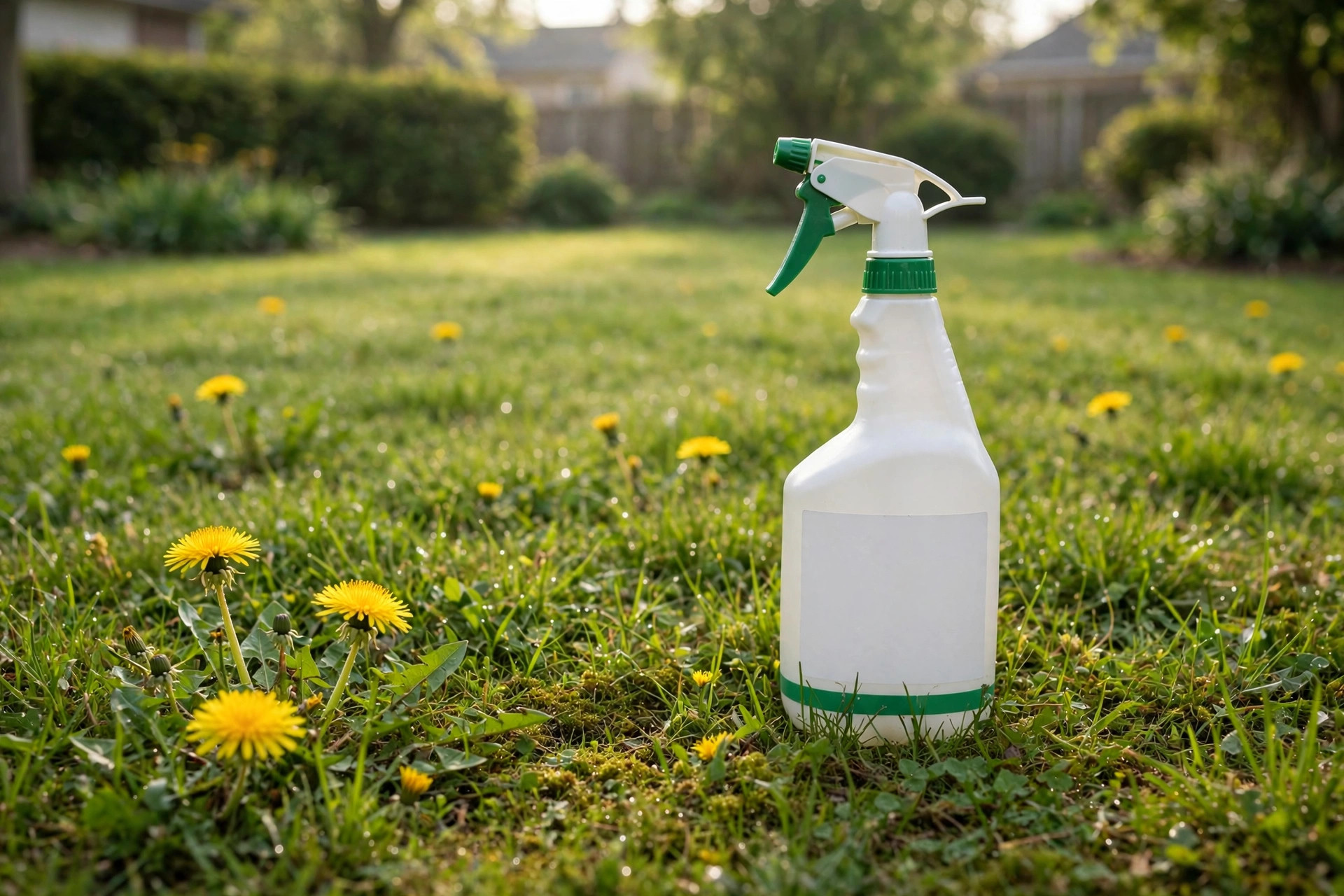
A selective killer works in a different way. It targets broadleaf plants like dandelions and leaves most lawn grasses alone. The weed absorbs the product through its leaves. The product travels down into the taproot and stops the plant from growing. The dandelion curls, turns brown, and dies. The grass around it stays green and fills in the empty space. This is the only approach that removes the weed without harming the lawn.
What to Look For When You Choose: Best Dandelion Killer That Wont Kill Grass
Selective on the Label
Start with the front label. Look for clear words such as “kills weeds, not lawns” or “for use on lawns.” The label should list the grass types it is safe for. Common lawn grasses include Kentucky bluegrass, fescue, perennial ryegrass, bermuda, and zoysia. If your grass type is not listed, do not use the product. A product made for northern cool-season grass may harm a southern warm-season lawn. The label is the law. Read it before you buy and read it again before you spray.
The Active Ingredients
The active ingredient is the chemical that kills the weed. The most common one for dandelions is 2,4-D. It has been used in lawn care for more than seventy years. It works by acting like a plant growth hormone. Broadleaf weeds grow in a wild and twisted way after they absorb it, and then they die. Grasses react to it in a milder way and recover.
Many products mix two or three active ingredients. Common partners are dicamba, MCPP (also called mecoprop), and triclopyr. Each one works on slightly different weeds. A mix gives broader control in one pass. Products with one ingredient can still work well on dandelions alone. More ingredients do not always mean a better product. They mean broader coverage.
Liquid or Granular
Liquid products work faster. The weed leaves absorb the spray within hours. Liquids are the best choice for spot treatment of single plants. Granular products come as small pellets. You spread them with a broadcast spreader. They often mix weed killer with fertilizer in one bag. The pellets must be watered into the soil. They work more slowly but treat the whole lawn at once. For dandelions that are already up and growing, liquid sprays give quicker results.
Your Grass Type
Cool-season grasses grow in the northern half of the country. Warm-season grasses grow in the south. Some weed killers are safe on one group but not the other. St. Augustine grass and centipede grass are sensitive to many products. The label will warn you if the product should not be used on these grasses. When in doubt, call the maker or test the product on a small hidden patch first. Wait two weeks and check for damage before you treat the whole lawn.
Types of Dandelion Killers
Ready-to-Use Trigger Spray
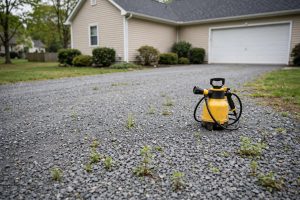
This is a small bottle with a hand trigger. You spray it straight onto each weed. There is no mixing and no hose. It is the best choice for a lawn with only a few dandelions. The cost is low, often under fifteen dollars. The limit is coverage. You cannot treat a whole yard this way without tired hands.
Ready-to-Spray Hose-End Bottle
This bottle screws onto the end of a garden hose. Water mixes with the product as you spray. It covers large areas fast. One bottle often treats five thousand to sixteen thousand square feet. The price usually runs from twelve to twenty-five dollars. It is a good middle choice for an average suburban lawn with scattered weeds.
Liquid Concentrate
A concentrate is a strong liquid that you mix with water in a pump sprayer. It is the cheapest choice per square foot. A thirty-dollar bottle can cover a large lawn for several seasons. It takes more work. You must measure, mix, and clean the sprayer. It is the best value for big yards and heavy weed problems.
Granular Weed and Feed
These bags mix weed killer with lawn fertilizer. You push a spreader across the lawn to apply them. The grass gets fed while the weeds get treated. They cost more, often twenty-five to sixty dollars a bag. They work best when the grass is damp so the pellets stick to the weed leaves, followed by watering. They are simple to use but slower than liquid sprays.
Natural and Low-Chemical Options
Iron-based products use a form of iron to kill weeds. The weed leaves turn black and die within hours. They are gentler on the lawn and break down fast. They may need repeat use on deep-rooted dandelions. Corn gluten meal is sold as a natural pre-emergent. It can stop new seeds from sprouting but does little for weeds that are already growing. Hand tools that pull the full taproot still have a place for single plants. Independent testers such as Consumer Reports review lawn products each year, and their buying guides can help you compare chemical and natural choices.
How to Apply It Step by Step
Good results depend on good timing and good method. Follow these steps.
1. Read the full label. Note the safe grass types, the mixing rate, and the waiting times. 2. Mow the lawn two days before you spray. This opens the weed leaves to the spray. 3. Pick a calm day. Wind carries spray onto flowers, shrubs, and garden beds. 4. Spray when the air is between sixty and eighty-five degrees. Heat above ninety can stress the grass. 5. Spray in the morning or evening. The product works best when the leaves stay wet for a few hours. 6. Make sure no rain is forecast for twenty-four to forty-eight hours. Rain washes the product off the leaves. 7. Keep people and pets off the lawn until the spray dries, usually two to four hours. 8. Do not mow for two days after spraying. The weed needs its leaves to carry the product to the root. 9. Check the weeds after two weeks. Spot-treat any survivors with a second pass.
Fall is the best season for dandelion control. The plants pull food down into their roots in autumn. The weed killer rides along and kills the root. Spring spraying also works on weeds you can see. Avoid spraying in the heat of summer, when the grass is already stressed.
Cost and Price
Dandelion killers are cheap compared with most lawn care. A ready-to-use bottle costs eight to fifteen dollars. A hose-end bottle costs twelve to twenty-five dollars and covers thousands of square feet. A concentrate costs twenty to forty dollars but lasts for many treatments. Granular weed and feed bags cost twenty-five to sixty dollars depending on the size of the bag and the brand.
Store brands often cost less than name brands and use the same active ingredients. Check the ingredient list, not the brand name. The cost of one full treatment for an average lawn is usually only a few dollars. Compare that with the cost of sod or seed to repair a damaged lawn, and the product pays for itself many times over.
Care and Upkeep After Treatment
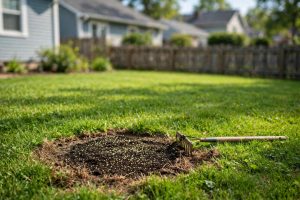
Killing the weeds is only half the job. A thin lawn will grow new dandelions next season. Thick grass is the best weed killer of all. After treatment, feed the lawn on a regular schedule. Overseed any bare patches in the fall so weed seeds have no open soil. Water deeply once a week instead of a little each day. Deep watering grows deep grass roots.
Mow high. Set the blade to three or four inches. Tall grass shades the soil and blocks weed seeds from sprouting. Keep the blade sharp so it cuts cleanly. Mower makers such as Toro and Deere publish mowing guides that explain how height and blade care affect lawn health. Small-engine makers like Briggs & Stratton offer upkeep tips that keep mowers cutting evenly, and even cuts help grass stay strong against weeds.
In early spring, a pre-emergent treatment can stop new weed seeds before they sprout. Our pre-emergent weed killer application timing guide explains when to put it down in your region. Used together, a fall dandelion treatment and a spring pre-emergent keep the lawn clean all year.
Safety for Kids, Pets, and Wildlife
Lawn weed killers are safe when used as directed, but they demand respect. Wear gloves and long sleeves when you mix and spray. Wear eye cover when using a pump sprayer on a windy day. Keep children and pets off the treated lawn until the spray has dried. Most labels give a drying time of two to four hours.
Store all lawn chemicals in a locked shed or cabinet, out of reach of children. Keep them in their first containers with the labels on. Do not spray near vegetable gardens, fruit trees, or ponds. Rinse the sprayer three times after use and pour the rinse water on the lawn, not down a drain. For homes with dogs and cats, gentler formulas exist. Our guide to pet-safe lawn weed killer reviews compares products made with families and animals in mind.
Frequently Asked Questions
Will dandelion killer hurt my grass?
A selective dandelion killer will not hurt your grass when you follow the label. These products are made to kill broadleaf weeds and spare lawn grasses. Damage happens when people use too much, spray in extreme heat, or use a product not meant for their grass type. Always match the product to your grass and measure with care.
How long does it take to work?
You will see the weed leaves curl within one to two days. The plant turns yellow, then brown, over one to two weeks. Deep taproots die last. Do not pull the weed during this time. The dying leaves are still carrying the product down to the root.
Can I plant grass seed after spraying?
Most products ask you to wait three to four weeks before seeding. The weed killer can stop new grass seed from sprouting. Check the label for the exact waiting time. Plan your fall seeding around this window.
Is it safe for dogs and other pets?
Once the spray has dried, most labels say the lawn is safe for pets. The common rule is to wait until the grass is fully dry, usually two to four hours. If you want extra peace of mind, choose a product made for pet-owning homes and read our pet-safe reviews linked above.
Why do my dandelions keep coming back?
New seeds blow in from nearby yards and fields. Old seeds in your soil can sprout for years. Pieces of taproot left in the ground regrow. One spraying kills the weeds you have, but it cannot stop new seeds. A thick lawn, fall treatment, and spring pre-emergent together break the cycle. Clover often moves in with dandelions, so read how to kill clover without killing grass for a matching plan against the next most common lawn weed.
Should I pull dandelions or spray them?
Pulling works for one or two plants if you get the whole taproot. Use a long weeding tool after rain when the soil is soft. Spraying works better for many plants spread across the lawn. It kills the root without digging holes. Many homeowners pull the odd plant and spray the rest.
A Final Word
The best dandelion killer that wont kill grass is a selective herbicide matched to your lawn and used with care. Choose a product with a proven active ingredient, read the label, and spray in calm weather. Give the product time to reach the root. Then feed, water, and mow the lawn so it grows thick. A thick lawn needs less chemical help each year. Start with one careful treatment this season, and your grass will thank you with a deep green color that lasts.
References
Briggs & Stratton. (n.d.). Outdoor power equipment and engine care. https://www.briggsandstratton.com Consumer Reports. (n.d.). Lawn and garden product reviews. https://www.consumerreports.org Deere. (n.d.). Lawn care equipment and guides. https://www.deere.com Toro. (n.d.). Lawn care products and guides. https://www.toro.com
Was this guide helpful?

About Sarah Mitchell
The My Garden US editorial team writes practical, in-depth home and garden guides for American homeowners — tested advice, no fluff.