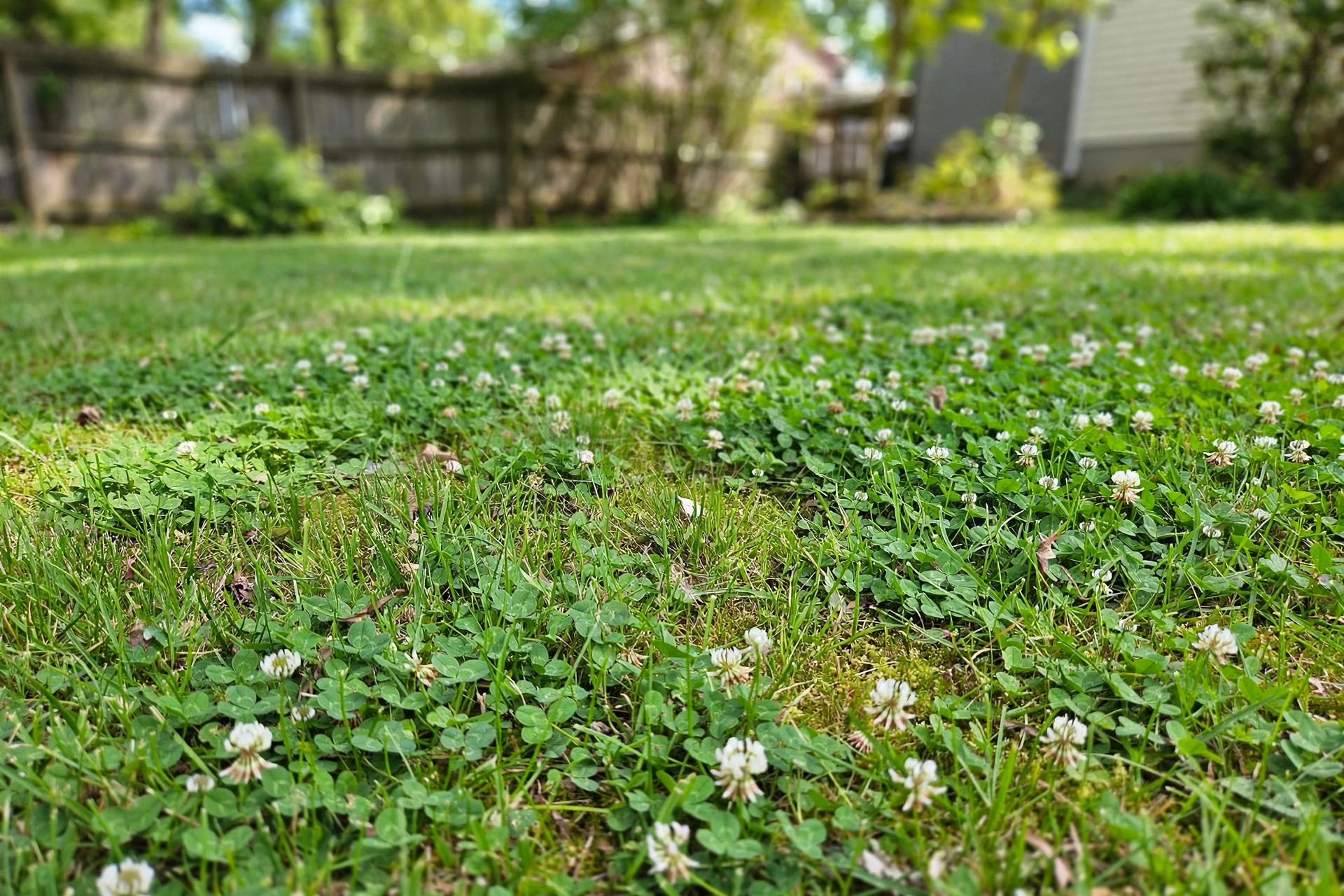

Clover shows up in many American lawns. It grows in round patches. It has small three-leaf plants. It spreads fast in spring and summer. Many people want to learn how to kill clover without killing grass. It is a fair wish. A clean green lawn looks good. It feels good to walk on.
The good news is that this job can be done. Clover is a broadleaf weed. Grass is a narrow leaf plant. Many products kill broadleaf weeds and leave grass alone. This guide will show you both ways: products and natural methods. It will cover why clover grows, what to look for in a product, how to treat it, what it costs, and how to keep it from coming back.
Why Clover Grows in Your Lawn
Clover does not grow by accident. It grows where grass is weak. It fills bare spots. It fills thin spots. It likes soil that is low in nitrogen. Grass needs nitrogen to stay green and thick. When nitrogen is low, grass thins out. Clover moves in. Clover can make its own nitrogen from the air. That is why it does well in poor soil.
Clover also likes soil that is packed down hard. It likes lawns that are cut too short. It likes lawns that are not watered well. It grows in sun and in part shade. If your lawn has clover, it is a sign. The sign says the grass needs help.
You should still treat the clover. But you should also fix the cause. Feed the lawn. Water it right. Cut it at the right height. A thick lawn is the best weed killer. Once the grass is thick, clover has no room to grow.
How to Kill Clover Without Killing Grass: The Main Methods
There are two main ways to learn how to kill clover without killing grass. One way uses weed killer products made for lawns. The other way uses natural and manual methods. Both work. Many people use both together.
Weed Killer Products for Lawns
The safest products are called selective herbicides. They kill broadleaf weeds like clover. They do not kill lawn grass. They come as liquids you spray. They also come as dry granules you spread.
Look for products that list clover on the label. If clover is on the label, the product is made to kill it. If clover is not on the label, do not buy it. Common active parts in these products work on the weed through its leaves. The weed takes the product in. The weed dies in one to three weeks. The grass stays safe.
Read the label before you buy. Check that your grass type is listed as safe. Most products are safe for common grasses like Kentucky bluegrass, fescue, ryegrass, and zoysia. Some products are not safe for St. Augustine grass or centipede grass. If you are not sure of your grass type, ask at a garden center. Take a small sample of grass with you. They can tell you what it is.
Timing matters. Treat clover in spring or fall. Treat it when it is young and growing. Do not treat it in very hot weather. Heat can stress the grass. It can make the product harm the lawn. Morning is a good time to spray. The air is calm. The leaves are dry. Do not mow for two days before you treat. Do not mow for two days after. The leaves need to be there to take the product in.
One treatment may not kill all the clover. Wait two to three weeks. Check the lawn. If new clover is growing, treat again. Follow the label for how many times you can treat in one year. Do not use more than the label says. More is not better. More can hurt the grass.
Natural and Manual Methods
Some people want to avoid chemicals. That is a fair choice. There are natural ways to fight clover.
The first way is to pull it by hand. This works for small patches. Water the lawn first. Wet soil lets the roots come out whole. Pull the whole plant, root and all. Clover spreads by stems that run along the ground. If you leave part of a stem, it can grow back. After you pull, fill the bare spot with grass seed. Water the seed. Keep it moist until it grows.
The second way is to feed the lawn with nitrogen. Clover hates rich soil. Grass loves it. Use a lawn fertilizer high in nitrogen. Apply it in spring and fall. The grass will grow thick and crowd the clover out. But it fixes the real cause.
The third way is to use corn gluten meal. This is a natural product made from corn. It stops weed seeds from growing roots. It does not kill clover that is already grown. It stops new clover seeds. It also adds nitrogen to the soil. Apply it in early spring before weeds sprout. It works best as part of a long plan.
The fourth way is to smother small patches. Lay dark plastic or thick cardboard over the patch. Leave it for two to three weeks. The clover dies from lack of light. This will also kill the grass under it. So this is only for small spots. After you remove the cover, plant new grass seed in the bare spot.
What to Look For When You Choose a Product
Store shelves hold many weed killers. Not all are the same. Here is what to check.
First, check the weed list. Make sure clover is named. Some products kill dandelions but not clover. Clover is tougher than many weeds. It needs a product made for it.
Second, check the grass list. Make sure your grass type is safe. If your grass is not listed, the product may kill it. When in doubt, test a small hidden spot first. Wait a week. If the grass looks fine, treat the whole lawn.
Third, check if it is safe for pets and kids. Many products say to keep pets and children off the lawn until the spray dries. That is usually a few hours. If you want a gentler option, read our guide on pet safe lawn weed killer reviews before you buy.
Fourth, think about liquid or granule. Liquid sprays work faster. You see results in days. Granules are easier to spread with a spreader. They take longer to work. Both are fine. Pick what is easier for you.
Fifth, check the weather rules on the label. Most products need no rain for 24 hours after use. Rain washes the product off the leaves. Then it does not work. Plan your treatment for a dry day.
Types of Clover and Why It Matters
Most lawn clover is white clover. It has small white flowers in late spring. It grows low to the ground. It spreads by creeping stems. It is the most common type in lawns.
There is also red clover. It is taller. It has pink-red flowers. It is less common in lawns.
Both types die to the same treatments. White clover is the one you will fight most. Its waxy leaves can resist spray. That is why some products add a spreader sticker. A spreader sticker helps the spray stick to the waxy leaf. If your first treatment fails, this may be why. A second treatment often works.
Cost and Price
Killing clover does not cost much. A bottle of liquid weed killer for lawns costs about 10 to 25 dollars. One bottle treats several thousand square feet. A bag of granules costs about 15 to 35 dollars. Prices change by brand and store.
A pump sprayer costs about 15 to 30 dollars if you do not own one. A spreader costs about 40 to 80 dollars.
If you hire a lawn care company, expect to pay 50 to 100 dollars per visit for a small to medium yard. Most companies treat the lawn four to six times per year. Ask if clover control is part of the plan.
Natural methods cost less per use but take more time. A bag of corn gluten meal costs about 20 to 40 dollars. Grass seed costs about 15 to 30 dollars per bag. Fertilizer costs about 20 to 40 dollars per bag. Feeding the lawn twice a year is good for the grass anyway. So the cost serves two goals at once.
Care and Upkeep After Treatment
Killing the clover is only half the job. You must keep it from coming back. These steps help.
Mow high. Set your mower to 3 to 4 inches. Tall grass shades the soil. Weed seeds need light to grow. Tall grass also grows deep roots. Deep roots make a strong lawn. Never cut more than one third of the blade at once. Cutting too short shocks the grass.
Water deep and less often. Give the lawn about one inch of water per week. Water in the morning. Deep watering grows deep roots. Light daily watering grows shallow roots. Shallow roots make weak grass. Weak grass lets clover in.
Feed the lawn. Apply fertilizer in spring and fall. Follow the bag rate. Do not overfeed. Too much fertilizer can burn the grass. A soil test tells you what your soil needs. Many county offices offer low cost soil tests.
Overseed thin spots. In fall, spread grass seed over thin areas. This is called overseeding. New grass fills the gaps. Gaps are where clover starts.
Aerate packed soil. Once a year, poke small holes in the lawn. This lets air, water, and food reach the roots. Loose soil helps grass win over clover.
Use a pre-emergent in early spring. A pre-emergent stops weed seeds from sprouting. It does not kill weeds that are already up. Used each spring, it cuts down new clover. Our pre emergent weed killer application timing guide explains when to put it down.
Safety
Weed killers are safe when used right. They are unsafe when used wrong. Follow these rules.
Read the whole label. The label tells you how much to use. It tells you when to use it. It tells you what to wear. Wear gloves. Wear long sleeves. Wear closed shoes. Wash your hands after.
Keep children and pets off the lawn until the product dries. The label will give a time. Store products in a locked shed or high shelf. Keep them away from food.
Do not spray on windy days. Wind blows spray onto flower beds. It can kill garden plants. It can drift to a neighbor’s yard. Spray when the air is calm.
Do not spray near wells, ponds, or streams. Keep the product out of water. Rinse the sprayer away from drains. Follow local rules for getting rid of leftover product. Many towns have drop off days for garden chemicals.
If you use a best dandelion killer that wont kill grass or any broadleaf product, the same safety rules apply. The label is always your guide.
Frequently Asked Questions
Will weed killer hurt my grass?
A selective weed killer made for lawns will not hurt your grass if you use it right. Check the label for your grass type. Use the right amount. Do not treat in extreme heat. When the label is followed, the grass stays safe and the clover dies.
How long does it take to kill clover?
You will see the clover start to twist and yellow in three to seven days. It dies fully in two to three weeks. Thick old patches may need a second treatment. Wait at least two weeks between treatments.
Can I kill clover without any chemicals?
Yes. Pull small patches by hand. Feed the lawn with nitrogen so the grass crowds the clover out. Mow high and water deep. Use corn gluten meal in spring to stop new seeds. These methods work. They take longer than chemicals. Most people see full results in one growing season.
Why does clover keep coming back?
Clover comes back when the cause is not fixed. Low nitrogen, packed soil, short mowing, and thin grass all invite it. Treat the weed and fix the lawn at the same time. Feed, aerate, overseed, and mow high. Then it stays away.
Is clover bad for my lawn?
Clover is not poison. It does not kill grass. Some people keep it on purpose. It stays green in dry spells. It feeds bees with its flowers. But it looks patchy. It does not match a pure grass lawn. If you want a pure grass look, remove it.
When is the best time to treat clover?
Spring and fall are best. Treat when the clover is young and growing fast. Avoid the heat of summer. In summer the grass is stressed. Treatment then can harm the lawn. Early fall is one of the best times of all.
A Short Final Word
Learning how to kill clover without killing grass is a skill any homeowner can learn. Pick a product made for clover. Check that it is safe for your grass. Treat in spring or fall. Then build a thick lawn with good mowing, watering, and feeding. A thick lawn is your best guard. The clover will fade. The grass will take its place. Your yard will look the way you want it to look.
For more lawn care know-how, the mower makers at Toro and John Deere share guides on mowing height and lawn health. For engine-driven lawn gear, Briggs & Stratton offers upkeep tips that keep your tools running well.
References
Toro. (n.d.). Lawn mowers and lawn care. https://www.toro.com Deere & Company. (n.d.). Lawn care equipment. https://www.deere.com Briggs & Stratton. (n.d.). Outdoor power equipment engines. https://www.briggsandstratton.com
Was this guide helpful?

About Sarah Mitchell
The My Garden US editorial team writes practical, in-depth home and garden guides for American homeowners — tested advice, no fluff.
You May Also Like
Best Organic Lawn Care Products in the USA
January 27, 2026 0 views
Where to Buy Lawn Mower Blades Near Me: A Plain Guide
June 2, 2026 5 views
Lawn Care Service for Rental Properties: What Every Landlord Should Know
January 27, 2026 0 views