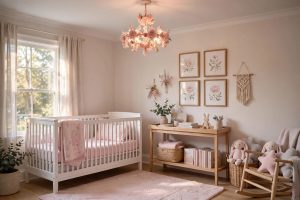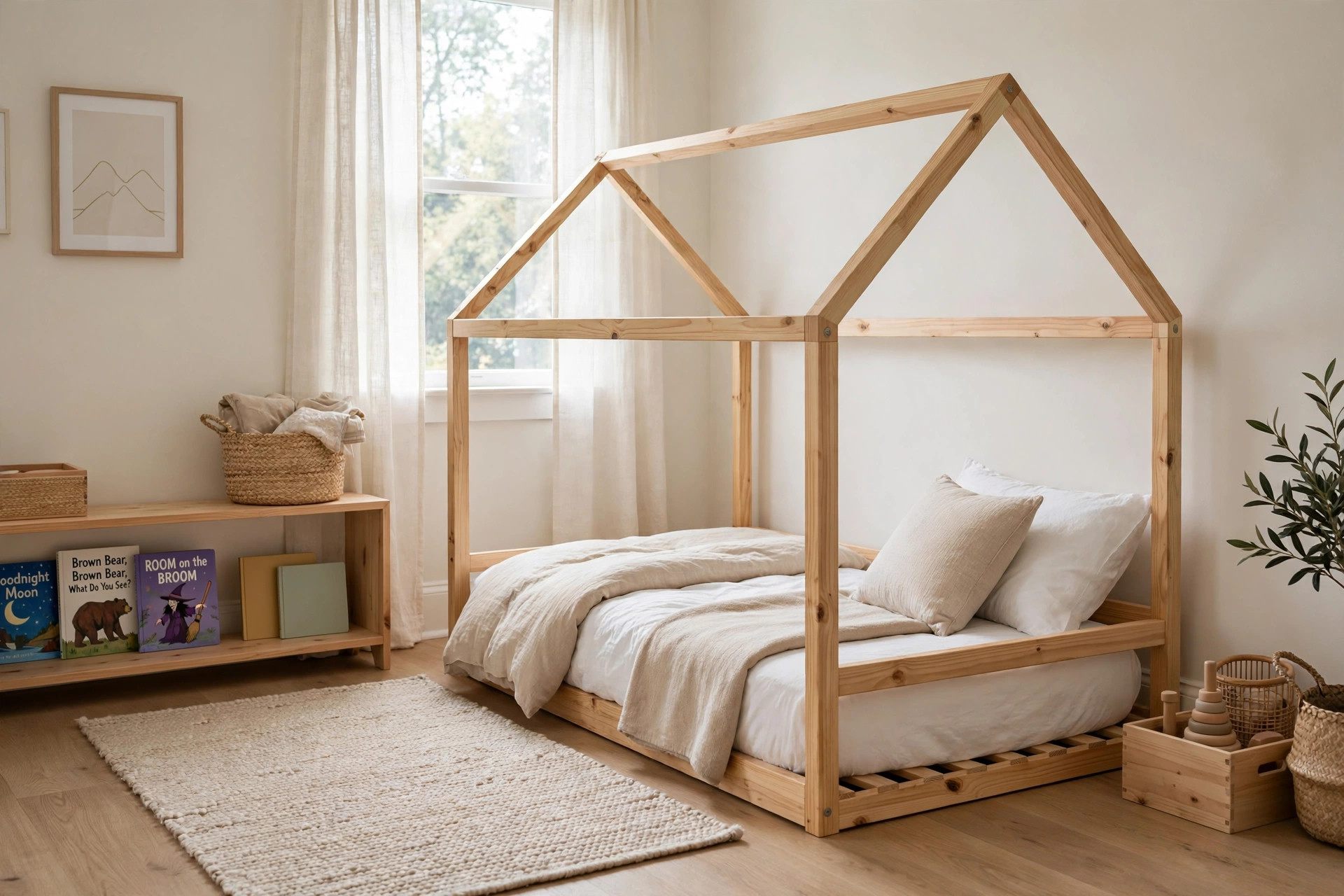

A toddler floor bed montessori style low is a simple bed frame that sits only a few inches above the floor. It follows the ideas of Dr. Maria Montessori. The bed gives a small child freedom to get in and out on their own. Many parents pick this style when the crib years end. The low height removes the fear of a long fall. The open design makes the room feel calm and welcoming. If you are moving your child out of a crib for the first time, this guide will help you choose, set up, and care for the right bed.
Why a Floor Bed Matters for Toddlers
The Montessori method treats the child as a capable person. The bedroom becomes the child’s own space. A low floor bed is the heart of that idea. The child can climb in when tired and climb out when rested. There are no bars to block the view. There is no high edge to fear.
This freedom builds independence. A toddler learns to read her own body. She lies down when she feels sleepy. She gets up and plays with a toy when she wakes early. The parent does not have to lift her in and out all day. Many families say bedtime fights drop after the switch.
The design also respects the child’s size. A standard bed towers over a two-year-old. A floor bed meets her at her own level. The mattress sits low enough that she can sit on the edge with her feet flat on the floor. That small detail gives a strong sense of control.
Child development experts often note that a child’s room shapes her habits. A calm, orderly room supports calm sleep. Guides from HealthyChildren.org stress that safe, consistent sleep spaces help young children rest well through the night. A floor bed fits that picture. It is simple, steady, and free of distractions.
How to Choose the Right Bed: Toddler Floor Bed Montessori Style Low
Shopping for a toddler floor bed can feel overwhelming at first. Many styles look alike in photos. The details matter more than the shape. Keep these points in mind.
Height Off the Floor
The whole point of the style is low height. Look for a bed where the top of the mattress sits no more than ten inches from the floor. Most true Montessori models hold the mattress four to eight inches up. Lower is safer for early walkers. If the bed uses slats, measure with the mattress in place, not the bare frame.
Wood and Materials
Solid wood is the best choice for most families. Pine is light and affordable. Birch and beech cost more but last longer. Make sure the finish is non-toxic and water-based. Young children chew on rails and headboards. Check that the paint or stain is certified safe for children’s furniture. Many retailers, from IKEA to Wayfair, list the materials and finishes in the product details. Read that section before you buy.
Avoid particle board with exposed edges. It can chip and crumble over time. It also off-gasses more than solid wood. Metal frames can work, but they feel cold in a child’s room and often have sharp corners.
Rails, Edges, and Corners
Some floor beds come with a low guard rail on one or two sides. A short rail can comfort a child who moves in sleep. Make sure any rail locks firmly in place. Rounded corners are safer than square ones. Run your hand along every edge before your child sleeps in the bed. If you feel a rough spot, sand it smooth and seal it.
If your child is coming straight from a crib, you may want to compare with a toddler bed with guard rails for first bed to see which style suits her better.
Types and Options
Floor beds come in several forms. Each has strengths. Pick the one that fits your room and your child.
The Classic House Frame Bed
This is the style most people picture. A low platform sits on the floor, and a simple house-shaped frame rises over it. The frame can hold a canopy or fairy lights. It turns the bed into a cozy den. Children love the hut feeling. The frame itself is not load-bearing, so it adds no safety risk. It does take more floor space, so measure your room first.
The Simple Platform Bed
A plain low platform is the purest Montessori choice. It is a flat rectangle of wood on short legs, or even directly on the floor. There are no extras to distract the child. It costs less than framed styles. It fits in small rooms and under low windows. Cleaning under it is easy, since there is little gap for dust to collect.
The Crib Conversion Bed
Some parents skip the crib entirely. Others convert an existing crib into a floor-level bed. A best convertible toddler bed with safety rail can serve as a middle step. It uses the familiar crib mattress and parts. The change feels smaller to the child. If you go this route, remove the high rails and lower the mattress support as far as it will go.
Mattress-Only Setups
A mattress placed straight on the floor is the simplest option of all. It costs nothing extra. Air can struggle to move under a flat mattress, though. In damp climates, mold can form underneath. If you choose this route, stand the mattress up each morning to let it breathe. A set of simple slats under the mattress solves the same problem for little money.
Cost and Price
Floor beds cost less than most cribs. A basic solid pine platform bed runs from about forty to one hundred twenty dollars. House frame styles run from about ninety to two hundred fifty dollars. Hardwood models from specialty children’s stores like Pottery Barn Kids can reach three hundred dollars or more.
The mattress is a separate cost. A standard crib mattress fits most toddler floor beds. If you already own one, reuse it. New crib mattresses cost from fifty to two hundred dollars. A waterproof cover costs fifteen to thirty dollars and is worth every cent.
Total setup for most families lands between one hundred and three hundred dollars. That includes the frame, mattress, and bedding. It is one of the cheapest nursery upgrades you can make. Many budget guides on The Spruce list floor beds among the best value buys for a toddler room.
Setting Up and Daily Care
Place the bed in a corner of the room. Two walls act as natural guards. Leave the open side facing the center of the room. Put a soft rug beside the bed so little feet land on something warm. A best nursery rug soft for crawling babies works well here too, since toddlers still spend time playing on the floor.
Keep bedding simple. A fitted sheet and a light blanket are enough. Skip heavy quilts, pillows, and stuffed animals for children under two. Loose bedding is a safety hazard for very young sleepers. For older toddlers, one flat pillow is fine.
Clean the frame once a week with a damp cloth. Wood needs no special cleaner. Vacuum under and around the bed often. Dust gathers fast at floor level. Wash sheets twice a week. Toddlers spill, sweat, and drool. A waterproof mattress protector under the sheet saves the mattress from stains and odors.
Check the hardware once a month. Screws loosen over time as children climb and bounce. Tighten anything that wiggles. If a slat cracks, replace it before the mattress sags through the gap.
Safety Comes First
A floor bed is safe only if the whole room is safe. The child can leave the bed and wander. You must prepare for that.
Start with the walls and floor. Cover every outlet with a sliding safety plate. Anchor all dressers and bookshelves to the wall. A toddler will try to climb them. Keep cords from blinds, lamps, and monitors far out of reach. The U.S. Consumer Product Safety Commission warns that corded window coverings are a serious strangulation risk. Use cordless blinds in the child’s room.
Lock the door or use a baby gate at the doorway. The child should not roam the house alone at night. Inside the room, remove small objects she could choke on. Get down on your knees and look at the room from her height. You will spot hazards you missed standing up.
Keep the room simple. The Montessori approach favors a few toys on low shelves, not a mountain of clutter. A tidy room is a safer room. Design ideas from HGTV and Apartment Therapy show how a calm, minimal nursery can still feel warm and inviting.
Watch the temperature. Low beds sit in the coolest air of the room. In winter, dress your child warmly for sleep. A sleep sack works well for toddlers who kick off blankets. In summer, the low position can actually help, since heat rises.
One common worry is that the child will never stay in bed. Most children test the freedom for a few nights. Keep the routine steady. Dim the lights. Read the same book. Say goodnight the same way. Most toddlers settle within a week. Parenting guides at What to Expect note that consistency matters more than any single piece of furniture.
When to Make the Switch
Most children move to a floor bed between eighteen months and three years. Signs of readiness include climbing out of the crib, asking for a big bed, and following simple rules. There is no rush. A child who sleeps well in a crib can stay there. Move when the crib no longer fits her, or when she can climb out and risk a fall.
Frequently Asked Questions
Will my toddler fall out of a floor bed?
She may roll off, but the fall is only a few inches. Place a folded blanket or a thin mat beside the bed for the first weeks. Most children learn the edge quickly. A short guard rail adds comfort if she is an active sleeper.
Is a floor bed really Montessori?
The low, child-sized bed comes straight from Montessori classroom ideas. Dr. Montessori designed child-sized furniture so children could act without adult help. The floor bed brings that idea into the bedroom. Many home guides on Bob Vila describe the style as the centerpiece of a Montessori nursery.
What size mattress does it use?
Most toddler floor beds use a standard crib mattress, about 52 inches long and 28 inches wide. Some larger models use a twin mattress. Check the product listing before you buy a mattress. A mattress that is too small leaves gaps where a limb can get trapped.
Can I use the bed for a newborn?
No. Newborns and young infants should sleep in a crib or bassinet that meets current safety standards. A floor bed suits toddlers who can move, climb, and understand basic boundaries. Most experts suggest waiting until at least fifteen to eighteen months.
How do I stop my child from leaving the room all night?
Use a baby gate at the door. Keep the routine the same every night. Return her to bed calmly and quietly when she gets up. Avoid long talks or play at bedtime. Consistency teaches her that night is for sleep.
Does the bed work in a small room?
Yes. The simple platform style needs little more space than the mattress itself. It slides into corners and under windows. The lack of tall rails makes the room look bigger. Many apartment families choose floor beds for this reason.
Final Word
A toddler floor bed montessori style low is a small change with a large effect. It trades bars and height for freedom and trust. Your child gains a room that fits her body and her growing independence. You gain easier bedtimes and a safer alternative to a tall toddler bed. Choose solid wood, keep the room childproof, and hold the bedtime routine steady. The rest takes care of itself.
References
American Academy of Pediatrics. (n.d.). HealthyChildren.org. https://www.healthychildren.org Apartment Therapy. (n.d.). Home design ideas and inspiration. https://www.apartmenttherapy.com Bob Vila. (n.d.). Home improvement advice. https://www.bobvila.com HGTV. (n.d.). Home and garden ideas. https://www.hgtv.com IKEA. (n.d.). Home furnishings. https://www.ikea.com Pottery Barn Kids. (n.d.). Kids furniture and decor. https://www.potterybarnkids.com The Spruce. (n.d.). Home and garden advice. https://www.thespruce.com U.S. Consumer Product Safety Commission. (n.d.). Product safety information. https://www.cpsc.gov Wayfair. (n.d.). Furniture and home goods. https://www.wayfair.com What to Expect. (n.d.). Pregnancy and parenting guidance. https://www.whattoexpect.com
Was this guide helpful?

About Emily Rodriguez
The My Garden US editorial team writes practical, in-depth home and garden guides for American homeowners — tested advice, no fluff.
You May Also Like
Nursery Glider Chair with Ottoman for Breastfeeding
May 26, 2026 0 views
Best Kids Bed Rail for Top Bunk Safety: A Parent’s Guide
February 17, 2026 0 views
A Nursery Crib With Drawer Underneath Storage: A Practical Guide for New Parents
January 7, 2026 0 views