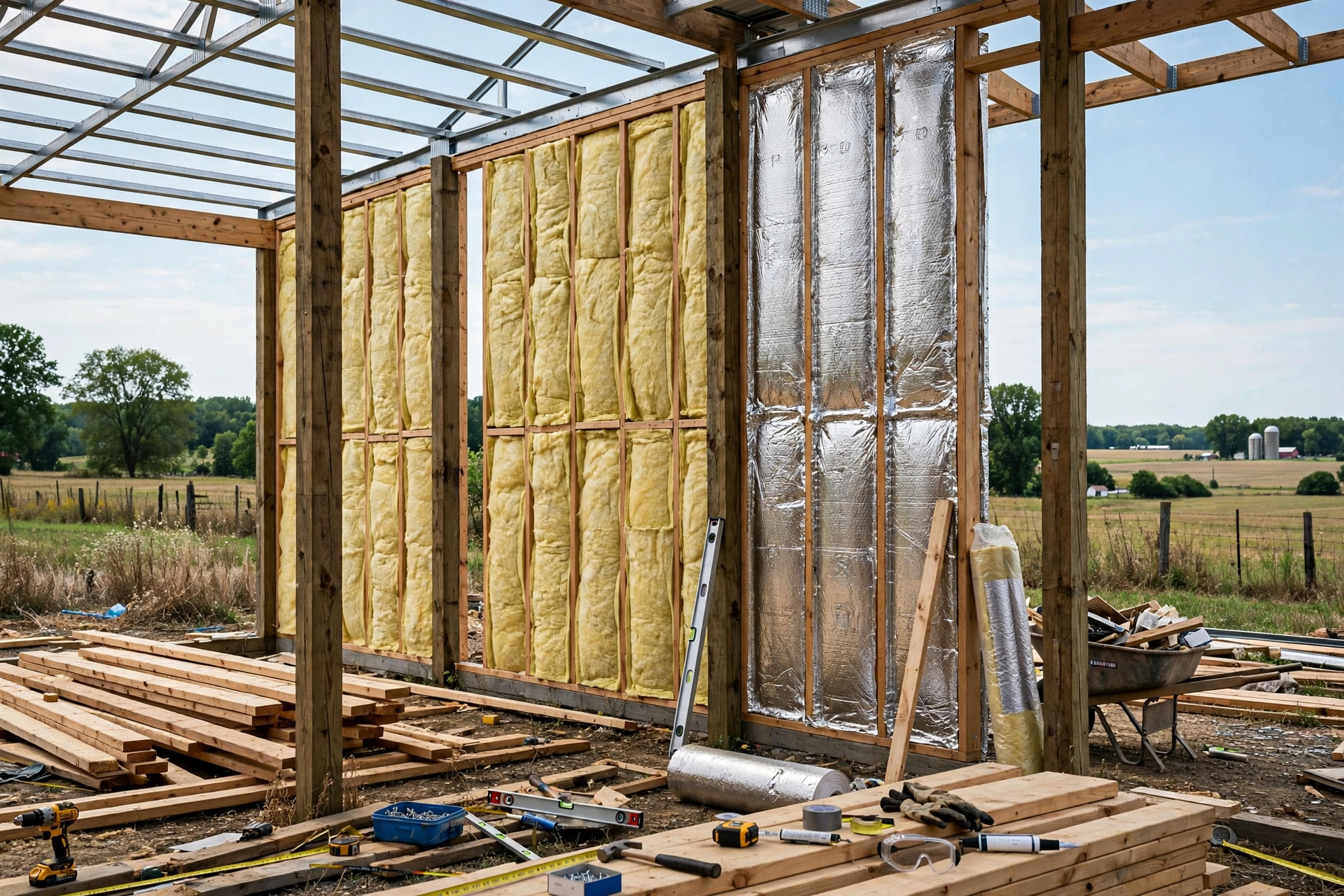
A pole barn house starts life as a simple shell. Tall posts hold up the roof. Metal siding keeps out the rain. Inside, the space is wide and open. It can become a fine home. It can also become cold in winter and hot in summer. This guide to insulation for pole barn house reviews usa covers what buyers and builders say about each option. It covers the types, the costs, the upkeep, and the safety points.
Why Insulation Matters in a Pole Barn House
A pole barn was never meant to be a home. Farmers built these structures to store hay, tools, and tractors. The walls are thin. The metal skin conducts heat. In July, the sun beats on the roof and the interior turns into an oven. In January, cold air presses through every seam. Heaters run all day and the meter spins fast. The U.S. Department of Energy states that proper insulation is one of the fastest ways to cut heating and cooling bills in a home. That advice holds double for a pole barn house.
Comfort is only part of the story. Moisture is the other. Warm indoor air meets cold metal siding and turns to water. The water runs down the walls. It rusts fasteners and feeds mold. Good insulation with a proper vapor control layer keeps the warm air away from the cold skin.
Resale value matters too. A finished pole barn house that holds its temperature through all four seasons sells faster than one that feels like a drafty shop. Those who insulated at the time of the build paid less per square foot. Those who added insulation later paid more.
What to Look for When You Read Reviews: Insulation for Pole Barn House Reviews Usa
Reviews for insulation products can mislead. One owner in Texas and one in Minnesota live in two different worlds. Here is how to read reviews with a clear eye.
R-Value and What It Means
R-value measures resistance to heat flow. A higher number means better insulation. Wall insulation in most of the country needs an R-value between R-13 and R-21. Roof and ceiling insulation often needs R-30 or more. The ENERGY STAR program publishes recommended insulation levels by climate zone. Check those maps before you buy. A product with a lower R-value is not a bad product. It may simply suit a mild climate.
Your Climate Zone
The United States stretches from hot desert to cold prairie. Reviews from Florida owners talk about heat gain through the roof. Reviews from the Upper Midwest talk about frozen pipes and ice dams. Read reviews from your region first. A radiant barrier that works well in Arizona may do little in Ohio. Closed-cell spray foam that shines in a damp Pacific Northwest winter may be more than you need in Georgia.
Install Method and Skill Level
Some products suit a do-it-yourself owner. Fiberglass batts fit between posts with basic tools. Rigid foam boards cut with a utility knife. Other products need trained crews. Spray foam needs special rigs and protective gear. Blown-in cellulose needs a blower machine. Reviews often reflect the quality of the install more than the quality of the product. A perfect product installed poorly performs badly.
Condensation and Vapor Control
This point deserves its own line. Metal buildings sweat. Many negative reviews of pole barn insulation trace back to moisture trapped behind the insulation. Look for reviews that mention vapor barriers, house wrap, and ventilation. If a review says the insulation was soaked or the walls grew mold, the install plan failed. The product itself may have been fine.
The Main Types of Insulation for Pole Barn Houses
Owners of pole barn houses in the USA review five main options. Each has strengths and weak points. The notes below reflect what American owners and builders report most often.
Fiberglass Batts and Blankets
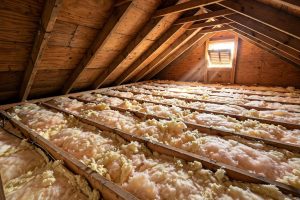
Fiberglass batts are the most reviewed option. They are cheap. They are sold in every home center in the country. They fit between the posts and girts of a pole barn. Owners praise the low price and the simple install. They can be cut around outlets and pipes. Many pole barn house builders start here.
The weak points show up in reviews. Batts sag over time and leave gaps at the edges. The R-value drops when the batts are compressed or damp. In a pole barn with tall walls, keeping batts in place takes care and strapping. For owners who want the best insulation for metal building homes usa, fiberglass usually ranks as the budget pick, not the top performer.
Closed-Cell and Open-Cell Spray Foam
Spray foam gets the most glowing reviews. Closed-cell foam sprays on as a liquid and hardens into a rigid layer. It seals every crack. It adds strength to the wall. It stops air and vapor in one step. Owners report dramatic drops in heating bills. Many say their pole barn house finally felt like a real home after foam.
The cost is the main complaint. Spray foam insulation cost per square foot runs several times the price of batts. Open-cell foam costs less than closed-cell but has a lower R-value per inch and lets vapor pass. Both need a licensed installer. Reviews also warn about smell during install. The crew must ventilate the building and keep people out until the foam cures.
Rigid Foam Boards
Rigid foam boards sit between spray foam and batts in price and performance. Polyisocyanurate and extruded polystyrene boards give a high R-value per inch. Builders cut them to fit between posts. They tape the seams to block air. Owners like that the boards stay in place and do not sag. Reviews often praise the neat finished look when boards are left exposed in shop areas.
The weak points involve labor. Cutting boards for every bay takes time, and small gaps need foam sealant. Some boards burn fast in a fire and must be covered with drywall. Check local codes before leaving foam boards exposed.
Blown-In and Loose-Fill Cellulose
Cellulose is made from recycled paper treated to resist fire and pests. Installers blow it into wall cavities and attics. It fills every corner. It costs less than spray foam. Owners of pole barn houses with cathedral ceilings like it for attics. Reviews praise the full coverage. No gaps remain.
The weak points involve settling. Cellulose can pack down over years, so installers add extra material to allow for this. In damp climates, cellulose must stay dry. A roof leak turns it into a heavy wet mass. Builders who write about barndominium insulation options and costs usa often place cellulose in the middle of the price range.
Reflective Foil and Radiant Barriers
Reflective foil barriers look like shiny blankets. They staple under the roof. They reflect radiant heat. In hot southern states, owners report cooler attics and lower cooling bills. The product is light and cheap. Install takes a day with a staple gun.
Reviews turn mixed in cold climates. A radiant barrier adds almost no R-value. It does nothing to stop heat loss through conduction. It works only when it faces an air gap. Dust on the foil cuts its power. Experts at This Old House note that radiant barriers suit hot climates best.
Cost and Price in the USA
Prices vary by region and by year. The numbers below reflect what American owners report in reviews and what builders quote. They are ranges, not promises.
Fiberglass batts cost the least. Material alone runs about fifty cents to one dollar fifty per square foot for common R-values. Labor adds more. A homeowner who installs batts can insulate a modest pole barn house shell for a few thousand dollars.
Rigid foam boards sit in the middle. Material runs about one to three dollars per square foot per inch of thickness. The labor to cut and fit boards adds real cost. Many owners hire a carpenter crew for the cutting work.
Blown-in cellulose costs about one to two dollars fifty per square foot for attic depth. Wall applications cost more. The blower rental or installer fee is part of the price.
Spray foam costs the most. Open-cell foam runs about one to two dollars per board foot installed. Closed-cell foam runs about two to four dollars per board foot installed. A full pole barn house can run into five figures. Owners who paid the price say the energy savings and comfort made it worth the cost. Others mixed the systems. They sprayed a thin layer of closed-cell foam for the air seal, then added cheaper batts over it. Reviews of this hybrid method are strong across many states.
Labor is the swing factor. Get three quotes. Ask each bidder how they will handle the vapor barrier and roof venting.
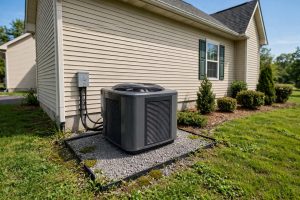
Once the shell is insulated, owners size their heating and cooling equipment to the tighter building. Makers such as Carrier, Trane, Lennox, Goodman, and Rheem publish sizing guidance that assumes a well-sealed, well-insulated home, which helps when you pick a furnace or heat pump for the finished space.
Care and Upkeep
Insulation is not a set-and-forget item. Pole barn houses need a few habits to keep the insulation working.
Walk the building twice a year. Look for stains on the ceiling. Stains mean water. Water means a roof leak or a condensation problem. Fix the water first. Then check the insulation. Wet batts must come out and be replaced. Wet cellulose must be removed and the cavity dried.
Watch for pests. Mice and squirrels chew through insulation and nest in it. Seal gaps around pipes and doors with metal flashing or steel wool and caulk.
Keep vents clear. Soffit vents and ridge vents move moist air out of the attic. Check them each fall before the heating season.
Do not compress the insulation. Boxes and stored goods press batts flat. Flat batts lose R-value. Keep storage off the insulation.
Re-caulk and re-seal penetrations every few years. Pipes, vents, and wires pass through walls. The sealant around them cracks with age. Fresh sealant keeps air and bugs out. This small job protects the larger investment, and Family Handyman project guides remind owners to compare full scopes, not just bottom-line prices, when hiring this work out.
Safety Notes
Insulation work carries real hazards. Treat them with respect.
Wear protection. Fiberglass fibers irritate skin, eyes, and lungs. Wear a respirator, goggles, gloves, and long sleeves. Wash work clothes apart from family laundry. Cellulose dust also irritates lungs, so wear a respirator during blown-in installs.
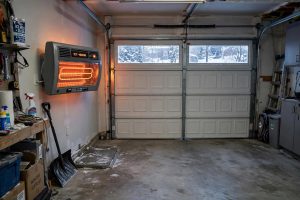
Keep foam products away from flame. Building codes require a thermal barrier such as half-inch drywall over foam in living spaces. Keep heaters and torches away from foam during install.
Ventilate during spray foam work. The chemicals in spray foam are harmful before they cure. Only trained installers with proper respirators should be in the building. Stay out until the installer says the space is safe.
Check local codes. Some counties treat pole barn houses like any home. Others have special rules for post-frame buildings. Pull permits where required. Carrier, Trane, Lennox, Goodman, and Rheem all publish guidance on matching heating and cooling equipment to well-insulated homes, which helps when you size a furnace or heat pump for the finished space.
Frequently Asked Questions
What is the best insulation for a pole barn house in a cold climate? Closed-cell spray foam gets the best reviews in cold states. It seals air leaks and stops vapor. It holds a high R-value per inch. The cost is high, but owners in the Upper Midwest and Northeast report the warmest, driest results. A hybrid of thin foam plus batts is the most common budget answer.
Can I insulate a pole barn house myself? Yes, for some products. Fiberglass batts and rigid foam boards suit skilled do-it-yourself owners. Blown-in cellulose needs a rented blower. Spray foam needs a licensed pro. Read your local code before you start. Some areas require permits and inspections for insulation work.
How much does it cost to insulate a pole barn house in the USA? A small shell with batts can cost a few thousand dollars in materials. A full spray foam job on a large pole barn house can cost ten thousand dollars or more. Most owners land between these points. The hybrid method, foam plus batts, splits the difference. Always get three written quotes.
Do I need a vapor barrier in a pole barn house? In most climates, yes. Metal siding gets cold, and warm indoor air makes water on cold metal. A vapor barrier on the warm side of the insulation stops this. Closed-cell spray foam acts as its own vapor barrier. With batts or cellulose, add a separate barrier or use faced batts.
Will insulation stop condensation on the metal roof? Insulation alone may not. The roof needs ventilation above the insulation and a proper underlayment. Reviews show that condensation problems fade when ventilation, insulation, and vapor control work together.
Does insulation raise the resale value of a pole barn house? It helps. Buyers pay for comfort and low utility bills. A well-insulated pole barn house with permits and inspections appraises better than a bare shell. Keep receipts and product data sheets. Show the next buyer what went into the walls.
A Final Word
Reviews of insulation for pole barn houses in the USA tell a steady story. The product matters. The install matters more. The plan matters most. Match the insulation to your climate. Control vapor and ventilate the roof. Get firm quotes and check the codes. A pole barn house can be warm in January and cool in July. The right insulation makes it so.
References
Carrier. (n.d.). Heating and cooling systems. https://www.carrier.com ENERGY STAR. (n.d.). Energy efficient products. https://www.energystar.gov Family Handyman. (n.d.). DIY home repair and maintenance. https://www.familyhandyman.com Goodman. (n.d.). Heating and cooling equipment. https://www.goodmanmfg.com Lennox. (n.d.). Heating and cooling systems. https://www.lennox.com Rheem. (n.d.). Heating, cooling, and water heating. https://www.rheem.com This Old House. (n.d.). Home renovation guidance. https://www.thisoldhouse.com Trane. (n.d.). Heating and air conditioning. https://www.trane.com U.S. Department of Energy. (n.d.). Energy efficiency and renewable energy. https://www.energy.gov
Was this guide helpful?

About Sarah Mitchell
The My Garden US editorial team writes practical, in-depth home and garden guides for American homeowners — tested advice, no fluff.