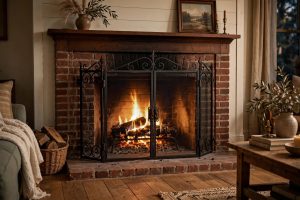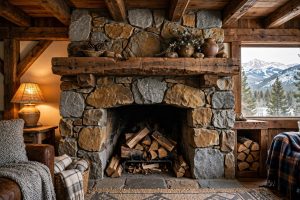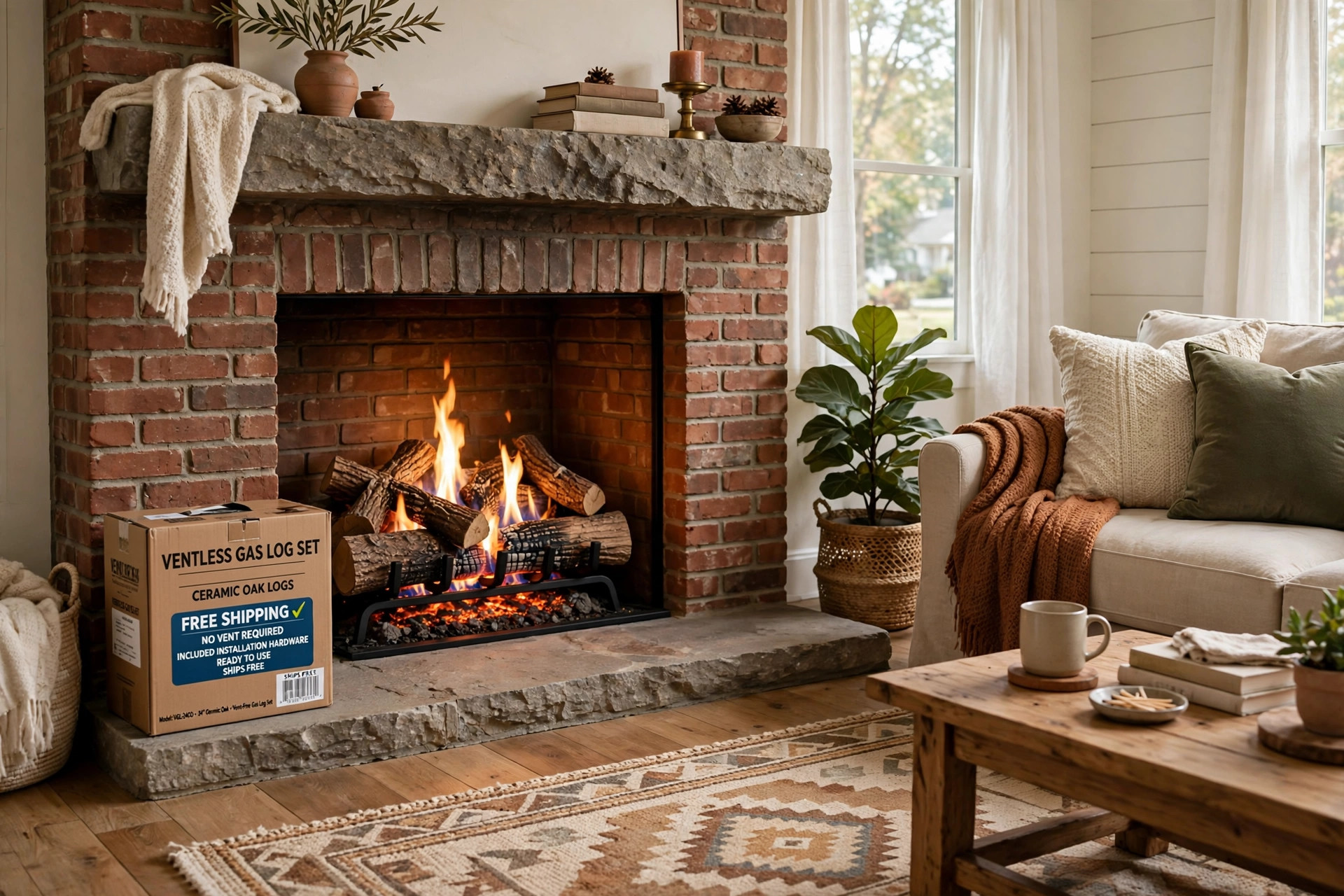
A wood fire has a warmth that people love. But chopping wood, cleaning ash, and tending flames take real work. That is why many homeowners now shop for ventless vented gas log sets with free shipping. Gas logs give the look and feel of a real fire at the turn of a switch. They burn clean. They need little care. And when a seller ships them free to your door, the price is easy to accept.
This guide walks through the two main types of gas log sets. It explains how to choose, what you should expect to pay, how to care for your set, and the safety rules you must follow. By the end, you will know exactly what to order and what to do when the box arrives.
Why Gas Log Sets Make Sense
A fireplace is the heart of many American living rooms. Families gather near it in winter. Guests drift toward it at holidays. But a wood-burning fireplace has costs that go beyond money. Wood must be cut, split, stacked, and carried. Smoke dirties the room. Embers can pop out onto the rug. The chimney needs yearly sweeping.
Gas log sets remove most of that trouble. They sit in an existing masonry fireplace or a firebox. A gas burner hidden under ceramic logs produces flames that look natural. There is no ash to haul and no wood to store. Many sets light with a remote control or a wall switch. A good set can cost between a few hundred dollars and a few thousand, depending on size and features. Add free delivery to the package, and the deal gets better. Many online sellers now include free shipping on gas logs, which used to be rare for heavy fireplace goods.
Ventless vs Vented: What the Difference Means: Ventless Vented Gas Log Sets with Free Shipping
The phrase “ventless vented gas log sets” covers two different products. Sellers group them together because shoppers often compare them side by side. Before you buy, you must know which one fits your home.
Ventless Gas Log Sets
Ventless log sets burn gas with almost no waste. They use a special burner that burns very clean. They need no chimney and no flue. All the heat stays in the room, so they are efficient heaters.
That efficiency comes with rules. Ventless sets must have an oxygen depletion sensor. This small device shuts the gas off if room oxygen drops. They also need a window cracked open in some local codes, even though the name says “ventless.” Some states and cities ban them outright. California and several Canadian provinces restrict ventless gas heating. Always check your local code before you order.
Ventless logs also produce moisture. Burning gas makes water vapor. In a small room, that can fog windows. Sizing matters. Match the burner to the room size. A set that is too big will short-cycle on its sensor and shut down.
Vented Gas Log Sets
Vented gas log sets are made to burn in an open fireplace with the flue open. They look the most like a real wood fire. The flames dance and move the way real flames do. They give off the gentle yellow glow that ventless sets cannot quite copy.
The trade is efficiency. Because the flue stays open, much of the heat goes up the chimney. A vented set is decoration first and a heater second. It will warm the room a little, but it will not heat the whole house.
Vented sets are legal everywhere a wood fire is legal. They face few local rules. They also produce less indoor moisture, because the exhaust rises up the flue. If you have a working chimney and you want the classic look, vented is the safe, simple choice.
What to Look for Before You Buy
Shopping online for ventless vented gas log sets with free shipping is easy. Choosing well takes a little care. Use the points below as a checklist.
Size and Fit
Gas log sets are sold by the log length, usually 18, 24, or 30 inches. Measure the front width of your firebox. The log set should be at least 6 inches narrower than the firebox opening. The back of the firebox should be wider than the logs too. A set that crowds the walls will not burn right and may stain the masonry.
Fuel Type and BTU Rating
Most sets burn natural gas or propane. The two are not the same. A burner made for natural gas cannot burn propane safely, and the reverse is also true. Many sellers let you pick the fuel at checkout. Know which gas line reaches your fireplace before you order.
The BTU rating tells you how much heat the set makes. Ventless sets carry a maximum BTU tied to room size. Manufacturers print a sizing chart in the manual. Follow it.
Looks and Materials
Good logs are made of refractory ceramic or ceramic fiber. They are hand-painted to copy real bark, knots, and char marks. Oak, birch, and split-oak styles are the most common.
Shoppers looking at high efficiency gas log sets for sale often care most about heat output. Decide which matters most to you before you compare prices.
Safety Features and Certifications
Look for sets certified by a testing lab such as CSA or UL. The burner should have a pilot safety system. Ventless sets must have the oxygen depletion sensor described above. Good sets also have a thermocouple that cuts the gas if the pilot flame dies. If a product page does not name its certifications, move on to one that does.
Types and Options on the Market
Gas log sets come in several forms beyond the basic ventless and vented split.
Standard burner sets. These are the classic choice. A metal burner pan sits under ceramic logs. They fit most masonry fireplaces. They are the least expensive type.
Remote-ready sets. These add a receiver box so you can light and adjust the flame with a hand remote or a wall thermostat.
Outdoor sets. Gas logs made for outdoor fire pits and fireplaces handle weather and wind. Never bring an outdoor set inside, and never put an indoor set outside.
Some shoppers also consider gas fireplace inserts as an alternative. An insert is a sealed metal box that slides into the firebox. It heats better than open logs but costs more and needs professional fitting.
Cost and Price Guide
Prices for ventless vented gas log sets with free shipping vary by size, material, and brand. Use these ranges as a guide:
– Basic vented sets (18 inch): about $200 to $400. Simple burner, molded logs, manual lighting. – Mid-range ventless sets (24 inch): about $400 to $900. Oxygen sensor, remote ready, realistic ceramic logs. – Large and premium sets (30 inch and up): about $900 to $2,000 or more. Hand-painted logs, glowing embers, deluxe burner pans.
Installation costs are separate. If a gas line already reaches the fireplace, a plumber may charge $150 to $400 to hook up the set. Running a new gas line can cost $500 to $1,500 or more, depending on distance and access. Some cities require a permit and an inspection. Budget for that too.
Free shipping changes the math. Gas log sets weigh 30 to 80 pounds. Freight fees used to add $50 to $150 to an order. When the seller ships free, that fee disappears. Compare the total price, not just the shelf price. A set at $549 with free shipping beats a set at $499 plus $80 freight.
What Free Shipping Really Means
“Free shipping” sounds simple, but the details matter. Read the seller’s shipping terms before you click buy.
First, check where free shipping applies. Some sellers ship free only to the lower 48 states. Alaska, Hawaii, and rural zones may carry a surcharge. Second, check the delivery type. Most free shipping on heavy goods is curbside delivery by freight truck. The driver will not carry the box upstairs or into the house. If you need liftgate service or inside delivery, ask what it costs.
Third, check the return policy. Gas logs are heavy. Return freight can be expensive. Good sellers offer a clear return window and pay return shipping for damaged goods. Keep the box and packing material until the set is installed and burning well.
Fourth, check the delivery time. Free shipping is often standard ground, which takes a week or more. If you need the set before the holidays, order early. Peak season stock can run low in November and December.
Care and Upkeep
Gas log sets need little care, but they are not care-free. A yearly routine keeps them safe and pretty.
Clean the logs. Once a year, remove the logs and brush them with a soft brush. Do not wash them with water. Ceramic logs absorb moisture and can crack when heated. Let any dust fall away gently.
Check the burner. Look at the burner ports. Spider webs, dust, and pet hair can block the small gas holes. Clear them with a soft brush or a blast of canned air. Never poke the ports with metal tools.
Inspect the pilot. Light the pilot and watch the flame. It should be steady and blue, touching the thermocouple. A yellow, weak, or lifting flame means the pilot needs cleaning or adjustment. Many manuals explain the simple cleaning steps.
Replace the batteries. Remote-ready sets use batteries in the remote and the receiver. Dead batteries are the most common cause of “my fireplace stopped working” calls. Replace them at the start of each heating season.
Schedule a professional check. A licensed gas technician should inspect the set every year or two. They check for gas leaks, test the safety sensors, and confirm the venting is right. This small cost buys real peace of mind.
Safety Rules You Must Follow
Gas fireplaces are safe when installed and used correctly. They are dangerous when rules are ignored. Follow these rules without exception.
1. Install by the book. Read the entire manual before you start. If the manual says professional installation is required, hire a professional. Gas connections are not a do-it-yourself project for most people. 2. Never sleep with a ventless set running. Even with an oxygen sensor, treat ventless heat as daytime heat. Turn it off when you leave the house or go to bed. 3. Keep the flue open for vented sets. A vented set with a closed flue will fill the room with combustion gases. If your flue has a damper clamp, use it. The clamp keeps the damper from closing fully. 4. Keep things away from the fire. Curtains, furniture, and paper should stay at least three feet from the fireplace opening. Small children and pets need a screen or gate. 5. Know the smell of gas. Natural gas has a rotten-egg odor added to it. If you smell gas, do not light the set. Leave the house and call your gas company from outside. 6. Watch for headaches and dizziness. These can be signs of carbon monoxide. Every home with a gas appliance should have a working carbon monoxide detector on each floor.
Apartment dwellers face extra rules. Some landlords and condo boards ban ventless gas heat. If you rent, get written permission first. Readers in apartments may also want to look at direct vent gas fireplaces made for apartments, which vent through an outside wall instead of a chimney.
FAQ
Do I need a chimney for ventless gas log sets?
No. Ventless sets are designed to burn without a chimney or flue. All the heat stays in the room. But they still need fresh air, and some local codes require a window to be cracked open. Check your city rules before you buy, because ventless gas heating is restricted or banned in some areas.
Can I install a gas log set myself?
Some vented sets are sold as do-it-yourself kits, but the gas hookup itself should be done or checked by a licensed professional. A bad gas connection can leak. Many local codes require a permit and an inspection. When in doubt, hire a plumber or gas fitter.
How long do gas log sets last?
The ceramic logs can last 10 years or more with gentle care. Burners, valves, and pilots may need parts replaced after 5 to 10 years of regular use. Annual cleaning and a professional check every year or two will stretch the life of the whole set.
Do gas log sets raise my gas bill much?
A typical 30,000 BTU set running for three hours uses about one therm of natural gas. At average prices, that costs roughly one dollar. Occasional evening use adds only a few dollars a month. Heavy daily use will show up on the bill, but it is still usually cheaper than buying cordwood.
What is the difference between vented and ventless flames?
Vented flames are tall, loose, and yellow, much like a wood fire. They are the most natural looking. Ventless flames are shorter and bluer, because the burner must burn very clean. Both look good, but vented wins on looks while ventless wins on heat.
Why do some sellers offer free shipping and others do not?
Free shipping on heavy goods is a sales strategy. The seller folds the freight cost into the price or into their volume deals with carriers. Smaller sellers may not have those deals, so they charge freight separately. Always compare the total delivered price before you decide.
A Short Final Word
A gas log set brings the fireplace back to life without the labor of wood. Choose ventless for efficient room heat where codes allow it. Choose vented for the classic look in a working chimney. Measure your firebox, match your fuel, and buy from a seller with clear shipping and return terms. Order your ventless vented gas log sets with free shipping early in the season, and have a professional check the installation. Then sit back and enjoy the fire.
For more background, see Lowe’s, The Home Depot, and Napoleon. For more background, see Heatilator, This Old House, and Family Handyman. Buying guides are also published by The Spruce and U.S. Environmental Protection Agency.
References
Family Handyman. (n.d.). DIY home repair and maintenance. https://www.familyhandyman.com Heatilator. (n.d.). Fireplaces and fireplace products. https://www.heatilator.com Lowe’s. (n.d.). Home improvement products. https://www.lowes.com Napoleon. (n.d.). Fireplaces, grills, and heating products. https://www.napoleon.com The Home Depot. (n.d.). Home improvement products. https://www.homedepot.com The Spruce. (n.d.). Home and garden advice. https://www.thespruce.com This Old House. (n.d.). Home renovation guidance. https://www.thisoldhouse.com U.S. Environmental Protection Agency. (n.d.). Protecting human health and the environment. https://www.epa.gov
Was this guide helpful?

About Jennifer Lee
The My Garden US editorial team writes practical, in-depth home and garden guides for American homeowners — tested advice, no fluff.