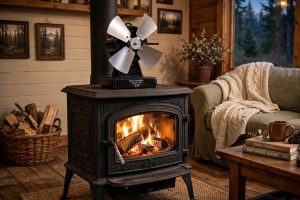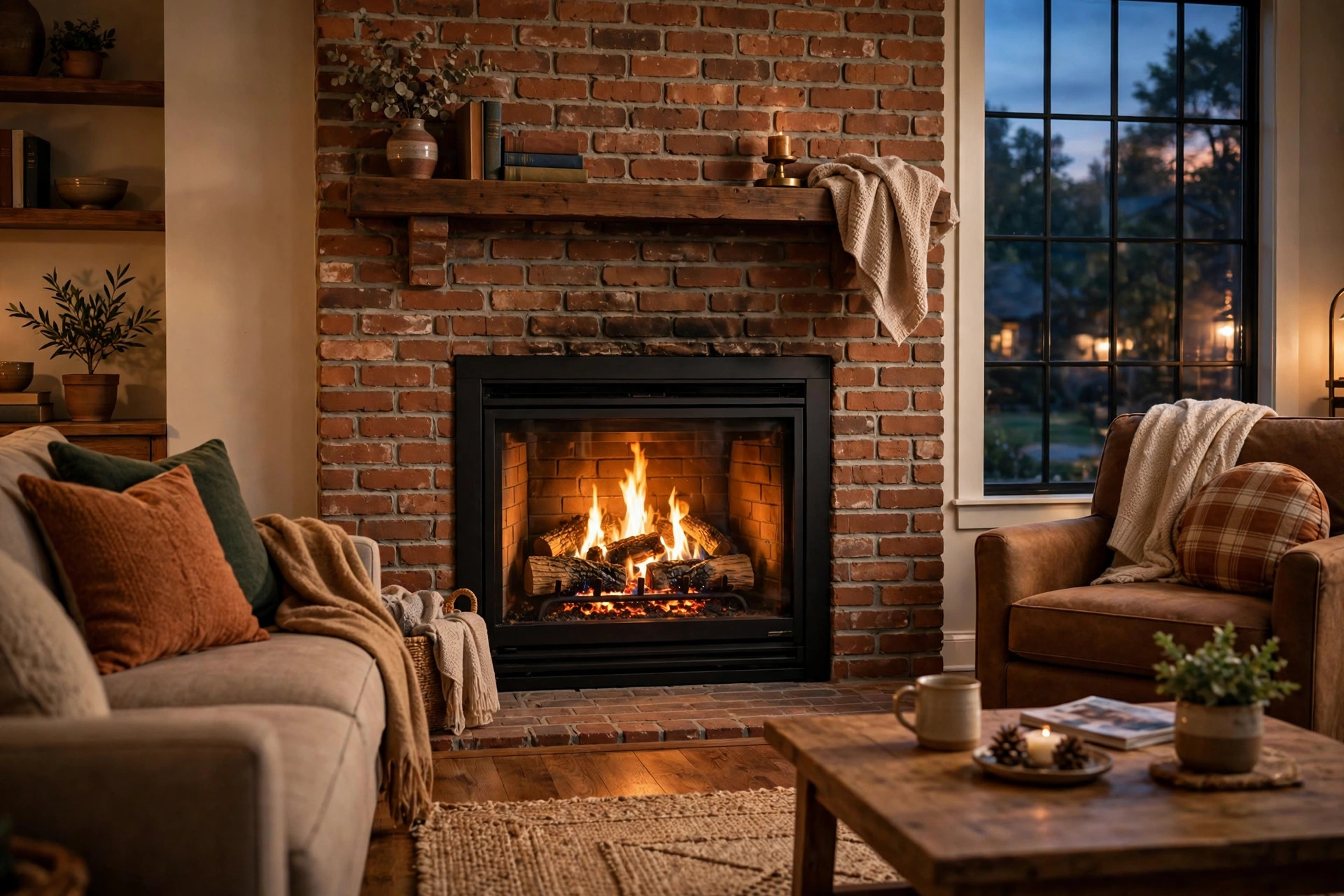

A cold hearth in an American home can feel like wasted space. Many old fireplaces burn wood badly, send most of their heat up the flue, and leave a room full of smoke smell. This is where ventless gas fireplace inserts with free shipping enter the picture. An insert slides into your present firebox and turns it into a clean gas fire that needs no chimney and no vent pipe. When the price includes free shipping, the box arrives at your door with no freight surprise at checkout.
Why a Ventless Insert Matters
Heat is the first reason. A wood fire looks fine, but most of its warmth escapes through the chimney. A gas insert keeps nearly all of its heat in the room. Many models rate close to 99 percent efficiency. That means more of the gas you pay for becomes heat you feel.
Convenience is the second reason. There is no wood to cut, carry, and stack. There is no ash to shovel. You turn a switch or press a remote, and the flame appears. When the evening ends, you switch it off. The room stays clean.
Cost control is the third reason. When shoppers search for ventless gas fireplace inserts with free shipping, they are often comparing the delivered price of one insert against the cost of fixing an old masonry chimney. Tuck pointing, relining, and new caps can run into thousands of dollars. An insert avoids all of that.
What a Ventless Insert Is and How It Works: Ventless Gas Fireplace Inserts with Free Shipping
A ventless insert is a sealed steel or cast iron firebox built to fit inside an existing fireplace. It burns natural gas or liquid propane. It has no flue to the outdoors. The flame burns so cleanly that room air is safe to use for combustion.
An oxygen depletion sensor sits at the heart of the unit. It watches the air in the room. If oxygen falls below a set level, the sensor shuts the gas off. A thermostat or remote often controls the flame height. Ceramic fiber logs sit over the burner and glow like real wood embers.
Vent-free technology is common in new inserts from well known makers. Firms such as Napoleon and Heatilator publish sizing charts and installation guides that explain how their ventless lines fit standard masonry openings.
What to Look for When You Choose
Start with the size of your firebox. Measure the front opening width, the back width, the height, and the depth. Write each number down. Compare your numbers with the spec sheet of any insert you consider. A tight fit looks best and keeps drafts out.
Next, choose your fuel. Natural gas hooks to a home gas line. Propane uses a tank. Most inserts ship set for one fuel and can be changed to the other with a conversion kit. Pick the fuel you already have.
Heat output matters too. Inserts list output in British thermal units, or BTU. A small room may need only 20,000 BTU. A large open living room may need 30,000 or more. Do not buy far more heat than the room needs. An oversized unit will cycle on and off and may trip its own safety sensors.
Look for these features while you shop:
– A millivolt system that works during a power outage. – A thermostat remote that holds room temperature steady. – Ceramic logs that glow and give a natural look. – An oxygen depletion sensor with automatic shutoff. – A manufacturer warranty of at least three years.
Remote options deserve a close look too. Basic units use a simple on and off remote. Mid range models add a thermostat that holds the room at the temperature you set. Top models add a timer and a child lock. A child lock is worth the extra money in a home with small children, since the glass front gets hot during use.
When you buy ventless gas fireplace inserts with free shipping, read the shipping terms before you click. Some sellers only ship free to the lower forty eight states. Others cap free shipping at a certain order size. Heavy inserts can weigh more than one hundred pounds, so curbside delivery is normal. Ask whether the driver will place the crate in the garage. That one question can save your back.
Types and Options
Ventless inserts fall into a few clear groups.
Log set inserts sit inside your firebox and look like a wood fire. Ceramic logs glow red at the base. They suit homes where the old hearth is still sound.
Firebox inserts include a full metal firebox with glass front options. These suit damaged fireplaces where the old brick needs covering. Some have decorative fronts in black, brass, or brushed nickel.
Zero clearance inserts fit into new construction with no masonry at all. A contractor frames a wall opening, and the insert slides in. These are common in remodels where the owner wants a fireplace in a room that never had one.
Fuel choice adds another layer. Natural gas is common in towns with gas service. Propane suits rural homes. Both burn clean in a ventless unit.
Cost and Price
The insert itself is the largest cost. Prices often run from four hundred dollars for a basic log set to over one thousand dollars for a large firebox insert with a remote. Units that ship with ventless gas fireplace inserts with free shipping deals can save fifty to one hundred fifty dollars in freight.
Installation is the second cost. A gas line must run to the firebox if none exists. A licensed gas fitter often charges two hundred to five hundred dollars for a simple line. Local codes in some areas require a permit and an inspection. Call your building office before work starts.
Running cost comes third. Natural gas is often the cheapest fuel per BTU. Propane costs more per gallon. Either way, a ventless insert costs far less to run than electric space heat for the same room.
Shop sale seasons for the best value. Late summer and early fall bring clearances as stores make room for winter stock. Large retailers such as Home Depot and Lowe’s run hearth promotions in those months.
Care and Upkeep
A ventless insert needs little care, but it is not care free.
Dust the unit once a month during the heating season. Use a soft brush on the logs and the burner ports. Never move the logs from their factory positions. The flame pattern was tested with the logs in place.
Have the unit serviced once a year. A technician cleans the pilot, checks the gas connections, and tests the oxygen depletion sensor. Yearly service keeps the warranty valid.
Keep the area around the insert clear. Curtains, papers, and furniture should stay at least three feet from the front. A screen or glass door helps, but the clear space rule still applies.
Clean the glass front, if your model has one, with a cleaner made for fireplace glass. Ordinary glass cleaner can leave a film that bakes on with heat. A light haze on the glass during the first few burns is normal. It comes from factory coatings burning off and wipes away after the break in period.
If you heat mainly with gas, you may stop burning wood altogether. Then your woodpile becomes spare. If you still burn a few wood fires in another stove, guides on outdoor firewood storage sheds reviews and buying guide can help you keep that fuel dry and ready.
Safety Rules
Vent-free gas heat is safe when used with care, but the rules are strict.
Check local law first. Some states and cities limit or ban ventless gas units. California is one well known example where rules differ by area. Your building office can say yes or no in one call.
Never use the insert as the only heat source in a very tight, small room. Bedrooms and bathrooms have special rules in many codes. A unit sized for a living room may be too large for a bedroom.
Install a carbon monoxide detector in any room with gas heat. Test it monthly. The Environmental Protection Agency publishes indoor air guidance that covers combustion appliances in homes.
Never burn anything but gas in the insert. Do not toss paper, kindling, or premium fire starters and kindling for humid climates into a gas firebox. Those belong in wood stoves only.
Step by step install and safety walkthroughs appear in do it yourself references such as Family Handyman and This Old House. Both stress that gas line work belongs to a licensed fitter, not a weekend project.
Finishing the Look
An insert changes the fire, but the surround finishes the room. Many owners pair a new insert with a fresh mantel. If you like a light, modern shelf, see affordable floating fireplace mantels for usa homes for ideas that fit common American wall types.
Paint, tile, or stone veneer around the opening can also lift the room. Keep all trim outside the clearances printed in your manual. Wood trim too close to the opening can scorch over time.
For room by room styling advice, design sites such as The Spruce show mantel decor that stays clear of heat zones.
Frequently Asked Questions
Do ventless gas fireplace inserts need a chimney?
No. A ventless insert needs no chimney and no vent pipe. It burns gas so cleanly that the room air can serve as the combustion air. The old flue should be closed or capped so warm air does not escape up it.
Are ventless inserts legal everywhere?
Not everywhere. Some states, counties, and cities limit or ban vent free gas appliances. Always check with your local building office before you buy. A quick call can save a costly return.
How long does installation take?
A simple swap into a firebox with a gas line already in place can take two to four hours. Running a new gas line adds a day. Permits and inspections can add days to the schedule, so plan ahead in the fall rush.
Can I install the insert myself?
You can set the insert into the firebox and arrange the logs yourself. Gas line work should go to a licensed fitter. Local codes in many areas require it. An inspection often follows.
What does free shipping usually cover?
Most offers cover standard ground freight to a home address in the continental United States. Liftgate service may cost extra. Rural addresses and Alaska or Hawaii often fall outside the free zone. Read the terms on the product page.
How much does it cost to run a ventless insert?
It depends on local gas prices and the BTU setting. As a rough guide, running a 30,000 BTU insert on natural gas often costs well under one dollar per hour. Propane costs more. Either way it is cheaper than heating the whole house for one warm room.
A Final Word
A dead fireplace does not have to stay dead. A ventless insert brings back the flame, the glow, and the warmth with no chimney work and no wood pile. Measure your firebox, check your local code, pick the right fuel and size, and compare the delivered price. When you find ventless gas fireplace inserts with free shipping from a seller you trust, the hard part is done. The rest is an evening in front of a warm fire.
References
Family Handyman. (n.d.). DIY home repair and maintenance. https://www.familyhandyman.com Heatilator. (n.d.). Fireplaces and fireplace products. https://www.heatilator.com Lowe’s. (n.d.). Home improvement products. https://www.lowes.com Napoleon. (n.d.). Fireplaces, grills, and heating products. https://www.napoleon.com The Home Depot. (n.d.). Home improvement products. https://www.homedepot.com The Spruce. (n.d.). Home and garden advice. https://www.thespruce.com This Old House. (n.d.). Home renovation guidance. https://www.thisoldhouse.com U.S. Environmental Protection Agency. (n.d.). Protecting human health and the environment. https://www.epa.gov
Was this guide helpful?

About Jennifer Lee
The My Garden US editorial team writes practical, in-depth home and garden guides for American homeowners — tested advice, no fluff.
You May Also Like

How to Buy Fireplace Mantel Shelves Online in California
March 22, 2026 0 views
Where to Buy Marble Fireplace Surrounds in California: A Complete Guide
August 9, 2026 0 views
Buy Fireplace Glass Doors Online in Arizona: A Simple Buying Guide
March 16, 2026 0 views