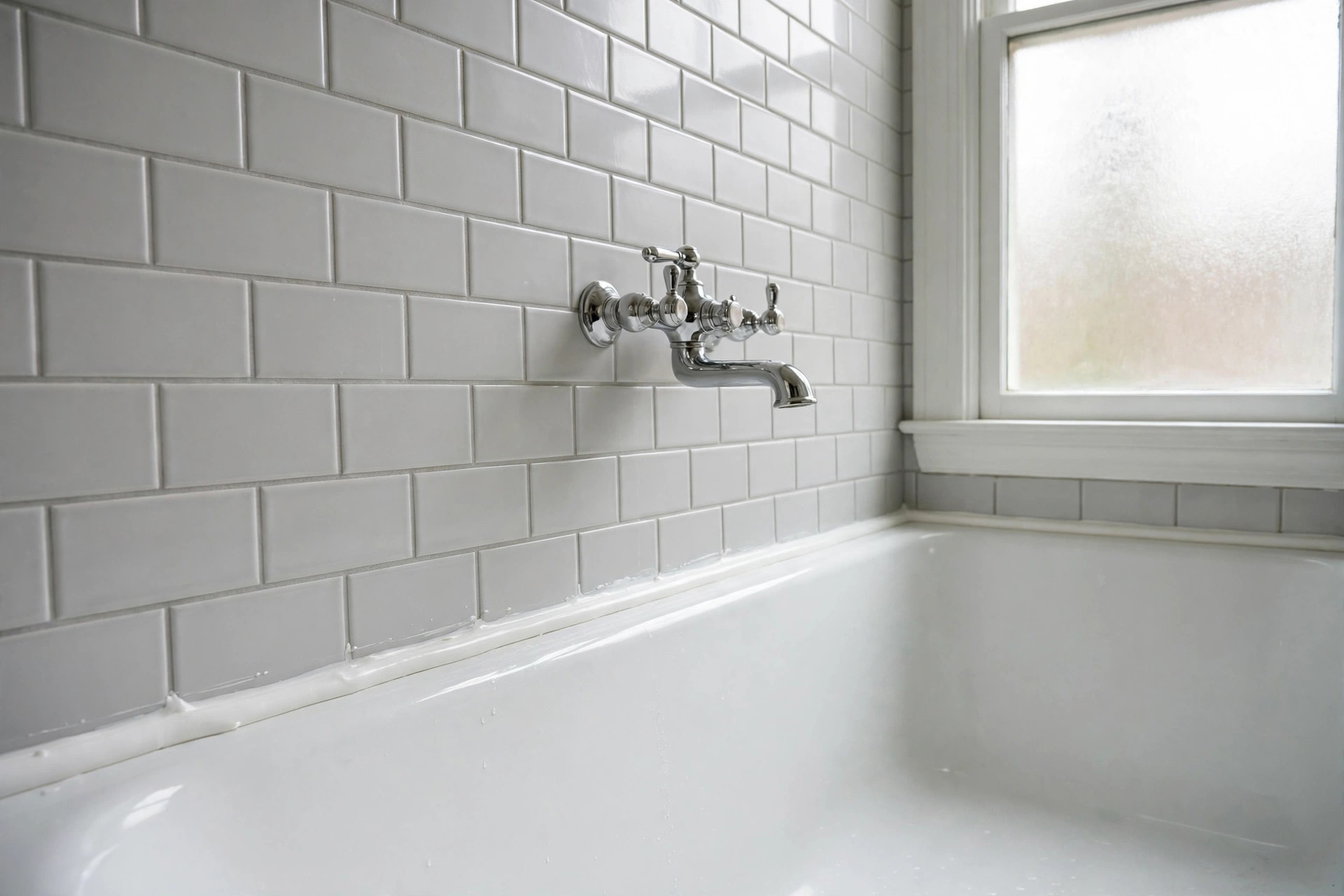
The question of recaulking bathtub cost near me comes up sooner or later in almost every American home. The caulk line around a tub does not last forever. It cracks, it stains, and it pulls away from the wall. When that happens, water finds its way behind the tub. A small gap can turn into soft drywall, mold, or a stained ceiling in the room below. This guide lays out what the work costs in 2026, what drives the price up or down, and how to choose between doing it yourself and hiring a professional.
Why Recaulking a Bathtub Matters
A bathtub sits in a bath of water many times a week. The joint where the tub meets the wall or the surround is a seam that moves. Tubs flex a little when they fill. Houses settle. Steam swells the wood behind the tile. Caulk bridges that movement. When it fails, water slips past it and soaks into materials that were never meant to stay wet.
The signs of failure are easy to read. The bead looks dark or gray even after scrubbing. There are hairline cracks along its length. It feels loose when you press it. In bad cases, you can slide a fingernail under one edge. Any of these means the seal is broken. Leaving it alone invites mildew behind the tile and rot in the wall framing. The Spruce notes in its bathroom care guides that failed caulk is one of the most common sources of hidden moisture damage in older homes.
Most pros suggest checking the tub caulk once a year. Fresh silicone caulk often lasts five to ten years. Cheaper latex caulk may fail in three. Steam from daily showers shortens that life. A bathroom with no exhaust fan will chew through caulk faster than a well-ventilated one.
How Much Does Recaulking a Bathtub Cost Near Me?: Recaulking Bathtub Cost near Me
For most homes, the recaulking bathtub cost near me falls into a narrow band. A professional recaulk of a standard tub typically runs from 100 to 300 dollars. That figure covers one tub with three walls of tile, which is the most common layout in American homes. A large jetted tub, a walk-in tub, or a tub with extensive tile work may cost 300 to 500 dollars.
City prices run higher than small-town prices. Minimum service fees also shape the final bill. Many repair firms charge a one-hour minimum of 75 to 125 dollars, and a careful recaulk takes a full hour once you count the old caulk removal.
The DIY route costs far less. A tube of quality 100 percent silicone caulk sells for 8 to 14 dollars at stores like Home Depot and Lowe’s. Add a caulk gun for 10 to 20 dollars if you do not own one, plus a caulk removal tool, tape, and cleaning supplies for another 10 to 15 dollars. The whole kit stays under 40 dollars, and the caulk gun lasts for years of future projects.
Labor is the real price difference. With a pro, you pay for the removal of old caulk, which is slow, fussy work. Scraping a hardened bead out of a long joint can take forty minutes on its own. A rushed removal leaves residue that keeps new caulk from bonding. Professional quotes bundle that labor in, which is why the price sits at 100 dollars and up.
Some homeowners compare this to regrouting shower tile cost near me, which is a different job with a different price tag. Regrouting replaces the grout between tiles, while recaulking seals the moving joints. A full regrout often costs 500 to 1,500 dollars, much more than a recaulk. The two jobs are cousins, not twins.
What Drives the Price Up or Down
Several factors move the recaulking bathtub cost near me within that 100 to 500 dollar range. Size matters first. A small alcove tub has about fifteen feet of joint to seal. A corner tub or a whirlpool can have twice that.
Condition of the old caulk comes next. One clean bead that peeled out easily is a quick job. Two or three layered generations of caulk, common in rental properties, take real time to strip. If mildew has grown under the caulk line, the pro may need to treat the joint with a mold cleaner and let it dry, which adds labor.
Access is another factor. A tub with a tight corner against the wall slows the work. Freestanding tubs need the whole perimeter sealed. Some older homes have plaster walls instead of tile, which demands extra care during removal.
Regional cost of living rounds out the list. Coastal metros and big cities in the Northeast and West carry the highest rates. The Midwest and the South tend to be more affordable. Getting two or three local quotes is the fastest way to learn your own market.
DIY or Hire a Pro
Both paths work. The choice comes down to skill, patience, and time.
The DIY job is honest work. You will remove the old caulk with a blade or a dedicated removal tool, clean the joint with rubbing alcohol, lay down painter’s tape on both sides of the joint, run a smooth bead of silicone, and tool it with a wet finger or a shaping tool. The steps are simple. The difficulty lies in the finish. A steady hand and a smooth pull make the line look professional. A shaky hand makes it look wavy.
Most first-timers can finish a tub in two to three hours, including drying time. The material cost stays under 40 dollars. The risk is that silicone is unforgiving. It sticks fast, and a bad bead is hard to redo. Tape helps a great deal. So does choosing a caulk with a ten-minute working time instead of one that skins over in three.
Hiring a pro makes sense in several cases. If the old caulk is deeply layered, a pro has the tools and the patience to strip it fully. If the joint hides damage, such as soft tile or a loose tub lip, a pro will spot it and tell you before sealing it over. If you simply do not trust your eye for a straight line, the 100 to 200 dollar premium buys a crisp finish that lasts.
This Old House has long advised homeowners that prep work decides the quality of a caulk job. This Old House guides stress dry, clean joints above all else. A pro follows the same rule. The material costs them the same 10 dollars. Their value is in the removal and the tooling.
Types of Caulk for a Bathtub
Not all caulk belongs around a tub. Choosing the right tube matters as much as the bead itself.
Silicone Caulk
One hundred percent silicone is the standard choice for wet joints. It stays flexible for years. It resists water and mildew. It bonds well to porcelain, fiberglass, and tile. A quality silicone kitchen and bath caulk, often sold with a mildew shield formula, is the right pick. Downsides are few: it smells of vinegar while it cures, and it cannot be painted. Around a tub, paintability does not matter.
Latex Caulk
Acrylic latex caulk is easier to work with and cleans up with water. It also paints well. But it breaks down faster in standing water. Many painters reach for it because it is forgiving. For a tub joint that stays wet daily, silicone lasts two to three times longer. Latex has its place on dry trim, not on tub seams.
Hybrid Caulk
Some newer tubes blend silicone and polyurethane. These hybrids promise the flexibility of silicone with easier cleanup. They work well but cost more per tube, often 12 to 18 dollars. For most tub jobs, plain silicone does the same work for less money.
Whatever you choose, pick a kitchen and bath formula. These include mildewcides that slow the gray creep along the bead. White remains the most common color. Clear silicone works too but shows dirt sooner. Almond or biscuit shades exist for colored fixtures.
How to Choose a Caulking Professional
If you decide to hire, a little care in choosing keeps the price fair. Start with a handyman, a tile repair specialist, or a small bathroom remodel firm. All three do this work weekly. Ask how they remove old caulk. A real pro will describe scraping, cleaning, and drying, not just smearing a new bead over the old one. That shortcut is common and always fails.
Ask for a written price before work begins. Ask how long they let the joint dry before sealing. A rushed job that caulks over a damp joint traps moisture. A good tech allows the joint to dry for hours, or even overnight, after cleaning.
Reviews matter. Sites like LL Flooring and Daltile maintain dealer locators that can point you to local tile shops, and those shops often know good independent repair techs. Mohawk Flooring and Shaw Floors run similar find-a-dealer tools through their retail networks.
A final tip: schedule the recaulk for a day when the tub can sit unused for twenty-four hours. Silicone needs a full day to cure before it meets water. A pro who rushes you back into the shower that evening is cutting corners.
Care and Upkeep After Recaulking
A fresh bead deserves a little care. Run the bathroom fan during every shower and leave it on for twenty minutes after. Less steam means a longer caulk life. Squeegee the tub walls after use. Standing water feeds mildew.
Clean the caulk line weekly with a mild cleaner. Bleach-based sprays work but can yellow some caulks over time. A paste of baking soda and water handles most soap scum. Avoid harsh scrubbing pads on the bead. They rough up the surface and give mildew a place to grip.
Watch the joint once a year. Press along its length. If it stays tight and smooth, leave it alone. If you find a loose spot, a small tube of matching silicone can patch a short section. A full redo is only needed when failure is widespread.
Ventilation remains the great protector. Family Handyman and Bob Vila both remind readers that an underpowered or missing bath fan is the root cause of most moisture problems, from peeling paint to failed caulk. If your fan is weak, upgrading it may do more for the caulk than any brand of sealant.
Safety Notes
The work is low-risk, but a few cautions apply. Removal blades are sharp. Cut away from your hands and keep fingers clear of the blade path. Silicone fumes irritate eyes and throats in closed rooms. Open a window or run the fan while you work. Wear gloves. Uncured silicone bonds to skin and takes real scrubbing to remove.
If you find black mold under the old caulk, treat it with a mold-killing cleaner and wear a mask. Small patches are a DIY cleanup. Large areas of rot or soft wallboard mean a bigger repair, and sealing over damage only hides it. When in doubt, stop and call a professional.
If you are comparing related bathroom projects, the cost of heated bathroom floors per square foot and reviews of the best tile for shower walls can help you plan a fuller remodel down the line.
FAQ
How long does bathtub caulk last?
A quality silicone bead usually lasts five to ten years. Latex caulk often fails in three to five years in a daily-use tub. Steam, poor ventilation, and harsh cleaners shorten the life. Annual inspection catches failure early.
Can I caulk over old caulk?
You should not. New caulk bonds poorly to old, dirty caulk. The old layer keeps moving and peeling, and it takes the new bead with it. Full removal of the old caulk is the only method that lasts. It is tedious, but it is the heart of the job.
How long before I can use the tub after recaulking?
Wait a full twenty-four hours before the tub meets water. Silicone skins over in under an hour, but it cures through in a day. Shower steam during the cure can weaken the bond. Plan the job for a day when you can use another bathroom.
What does recaulking a bathtub cost near me if I do it myself?
Under 40 dollars in most cases. One tube of silicone caulk costs 8 to 14 dollars. A caulk gun, removal tool, tape, and cleaners add 10 to 25 dollars if you own none of them. The rest is your time.
Should the tub be full of water when I caulk it?
This is an old piece of advice with a kernel of truth. Filling the tub adds weight and pulls the tub down to its lowest point. Caulking with the tub full means the seal stretches least when you later fill it. Many pros fill the tub, caulk, and drain it the next day. It is optional, but it does no harm.
Is cracked caulk around the tub an emergency?
Not usually, but do not ignore it for months. A small crack lets a little water in. Over time, that water rots the wall behind the tile. If the crack is new, a quick DIY recaulk solves it in an afternoon. If you see stains on the ceiling below, call a professional and plan a deeper repair.
A Short Final Word
The recaulking bathtub cost near me question has a simple answer: under 40 dollars of material for a careful do-it-yourselfer, or 100 to 300 dollars for a professional job. The price is small either way. The value is large. A clean, tight seal keeps water where it belongs and guards the wall behind the tub for years. Check the joint once a year, keep the fan running, and the job you do today will hold for a long time.
References
Bob Vila. (n.d.). Home improvement advice. https://www.bobvila.com Daltile. (n.d.). Ceramic and porcelain tile. https://www.daltile.com Family Handyman. (n.d.). DIY home repair and maintenance. https://www.familyhandyman.com LL Flooring. (n.d.). Hardwood, vinyl, and tile flooring. https://www.llflooring.com Lowe’s. (n.d.). Home improvement products. https://www.lowes.com Mohawk Flooring. (n.d.). Flooring products. https://www.mohawkflooring.com Shaw Floors. (n.d.). Flooring products. https://www.shawfloors.com The Home Depot. (n.d.). Home improvement products. https://www.homedepot.com The Spruce. (n.d.). Home and garden advice. https://www.thespruce.com This Old House. (n.d.). Home renovation guidance. https://www.thisoldhouse.com
Was this guide helpful?

About David Wilson
The My Garden US editorial team writes practical, in-depth home and garden guides for American homeowners — tested advice, no fluff.