Anise (Pimpinella anisum) is one of those old garden plants that keeps earning its place. It asks for little, gives back plenty, and fits neatly into a sunny corner most gardeners already have. If you want to learn how to grow anise, you are in good company: home herb gardens are full of it from coast to coast. This guide walks through the whole job, from seed to harvest, in plain steps.
Table of Contents
Table of Contents
It helps to know what you are signing up for. Anise grows in USDA zones 4 through 11, and expect harvest roughly 120 to 150 days after sowing. Keep those numbers in mind as you read: they explain the why behind the timing and spacing advice. For general background, the Old Farmer's Almanac maintains thorough growing guides worth bookmarking.

Photo: Wikimedia Commons
Choosing a Variety
When it comes to how to grow anise, getting the details right makes all the difference.
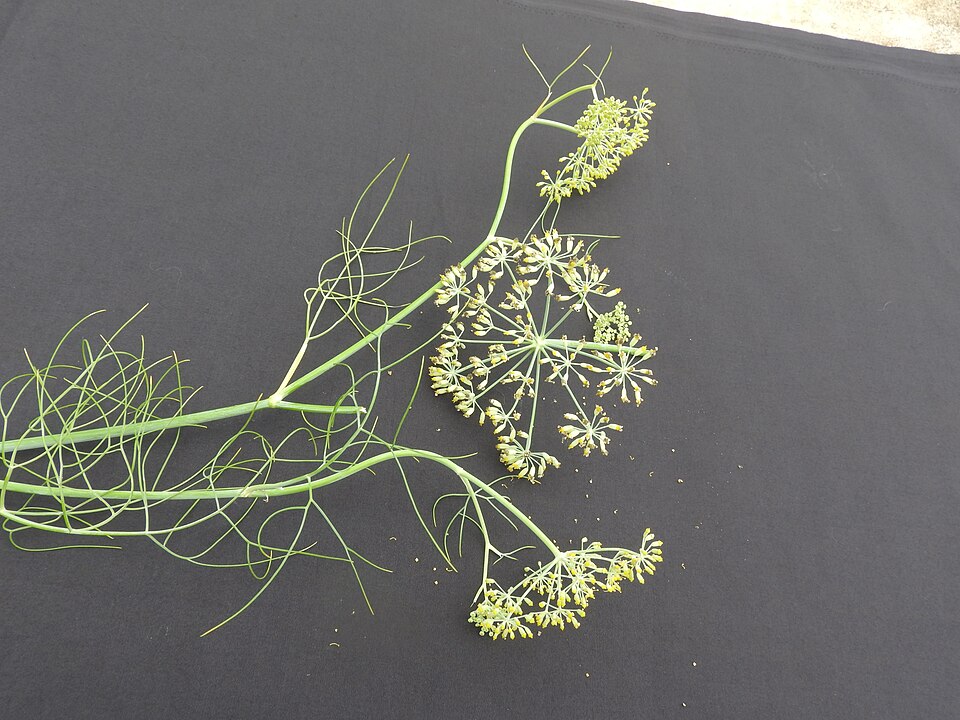

Many homeowners find that how to grow anise is easier than they expected once they know the basics.
You do not need a rare cultivar to succeed with anise. What you need is fresh seed or healthy young plants and a variety suited to your climate. Seed sown directly where it will grow, because the taproot will not tolerate transplanting. Local nurseries usually carry types proven in the area, which beats ordering blind from across the country. Seed sold for sowing should be fresh and fragrant; old seed germinates poorly. There are no meaningful garden varieties to choose between.
Whatever you buy, inspect it. Seed packets should be dated for the current season. Transplants should have white, fibrous roots, not a brown tangled mat. The Missouri Botanical Garden plant finder is a useful place to compare descriptions and confirm you are buying the right species. And if a neighbor grows anise well, ask where their stock came from: local success is the best recommendation there is.
If you already grow herbs or vegetables, you may enjoy our companion guide to growing feverfew for ideas on what to plant alongside.
When to Plant Anise
Many homeowners find that how to grow anise is easier than they expected once they know the basics.
The key to how to grow anise is choosing the right approach for your space and budget.
Mark the calendar before you touch a seed packet. For anise, the schedule that works is this: start seeds indoors about 6 weeks before your last spring frost. direct sow about 2 weeks after your last spring frost. set out transplants about 2 weeks after your last spring frost.
Those offsets are relative to your frost dates, not anyone else's, so check your USDA zone planting dates on our planting calendar and write down your last spring frost and first fall frost before you sow. The Old Farmer's Almanac planting calendar lets you look up dates by zip code, which takes the guesswork out of it. For the botanical details and native range, the USDA PLANTS database is the authoritative reference.
When in doubt, sow a small test patch first. If anise sprouts strongly within the expected window, sow the rest with confidence. This two-step habit has saved many gardeners from replanting an entire bed after a late cold spell.
Write your dates on the calendar the day you read this. A garden journal with actual frost dates beats memory every time, and anise rewards the gardener who plants on schedule.
Soil and Sun
The key to how to grow anise is choosing the right approach for your space and budget.
With a little planning, how to grow anise can fit even a busy schedule.
Get the site right and half the work is done. Anise wants Full sun and soil that is Light, well-drained. Walk your yard at different hours and watch where the sun actually falls; gardeners routinely overestimate how much direct sun a spot gets.
If your soil is heavy clay or pure sand, amend it before planting rather than after. Work in several inches of compost and let the bed settle. Guidance from University of Minnesota Extension on building garden soil applies well beyond Minnesota. Good soil structure pays off for every crop you will ever grow in that bed.
Plan the water along with the site. Anise needs medium, so a bed near a hose or rain barrel will get better care than one at the far end of the yard. Convenience matters in midsummer.
Planting Step by Step
With a little planning, how to grow anise can fit even a busy schedule.
Before you start, it helps to understand how how to grow anise works in real homes.
Anise must be direct-sown - its taproot hates transplanting. Sow seed a quarter inch deep in warm, well-drained soil in full sun, and thin seedlings to 6 to 8 inches apart. It needs a long, warm growing season, so give it the sunniest bed. The lacy umbels reach 2 to 3 feet, so shelter the spot from strong wind.
Here is the planting routine for anise, in order:
1. Prepare the bed a week or two ahead: loosen the soil, work in compost, and rake it level.
2. Sow or set each plant a quarter inch deep, then firm the soil gently over it.
3. Space plants about 8 inches apart each way, giving each one room to reach full size without crowding.
4. Water the bed thoroughly right after planting so the soil settles around the roots or seed.
5. Mulch lightly to hold moisture and discourage weeds, keeping mulch a couple of inches back from stems.
6. Label the row with the variety and date; you will thank yourself later.
Do not rush this step on a hot afternoon. Plant in the cool of the morning or evening, water well, and shade tender transplants for a day or two if a heat wave follows. A gentle start pays back all season.
Watering and Feeding
Before you start, it helps to understand how how to grow anise works in real homes.
A good plan for how to grow anise saves time, money, and frustration.
Anise needs medium. That is the headline; the details are about consistency. Even moisture matters more than volume: plants stressed by alternating drought and flood never perform their best.
Learn to read the plants. Leaves that wilt in the afternoon but recover by morning are usually fine; leaves still wilted at dawn need water now. Stick a finger two inches into the soil: dry means water, damp means wait. Simple, and it beats any fixed schedule.
Feed modestly. A side-dressing of compost mid-season suits anise better than heavy doses of synthetic fertilizer, which push soft growth at the expense of flavor and sturdiness. If a soil test showed a real deficiency, correct that specifically rather than feeding blindly.
Care Through the Season
A good plan for how to grow anise saves time, money, and frustration.
For most people, how to grow anise comes down to a few smart choices.
Mid-season care is where harvests are made or lost. Anise does not need constant fussing, but it does need steady attention to water, weeds, and pests. Walk the bed every few days; problems caught early are small problems.
The Missouri Botanical Garden keeps thorough plant profiles online, and checking your plant against theirs is a good way to confirm you are on track.
Water steadily until established, then ease off; anise tolerates dry spells. Do not overfeed - lean soil gives more concentrated flavor in the seeds. Stake plants or grow through pea netting so the tall umbels do not topple. Aphids may cluster on flower heads; wash them off with water. Weed gently around the shallow roots.
Keep up with the small jobs and the season mostly runs itself. If you grow other plants in the same category, our guide to growing culantro covers seasonal routines that transfer well.
Watch the weather, not the calendar. A stretch of hot, dry wind calls for extra water; a cool, wet spell calls for better air flow and a break from the hose. The gardener who adjusts to conditions beats the one who follows a rigid schedule.
Grower's tip: Direct sow where it will grow; its long taproot resents transplanting. Stake in windy spots since the tall seed heads get top-heavy.
Harvest
For most people, how to grow anise comes down to a few smart choices.
If you are new to how to grow anise, start with the simplest option and build from there.
Harvest is the payoff, and with anise the timing of it matters as much as the growing. Pick too early and you lose yield; pick too late and you lose quality. The notes below tell you exactly what ripe looks like.
The Old Farmer's Almanac harvest guides add useful checklists for judging ripeness and timing the pick, and they are written for home gardeners rather than commercial growers.
Harvest when the umbels turn gray-brown and the seeds smell strongly of licorice: cut whole heads, slip them into paper bags, and hang to dry. Rub out the seeds and winnow away the chaff. Store airtight away from light. Pro tip: make two sowings two weeks apart early on to hedge against a cold snap ruining a single sowing.
Harvest in the cool of the morning when plants are crisp and full of moisture. Midday-picked produce wilts faster and keeps poorly. This one habit improves keeping quality more than any storage trick.
For more harvest-timing ideas across the garden, see our guide to growing wasabi.
Troubleshooting
If you are new to how to grow anise, start with the simplest option and build from there.
When it comes to how to grow anise, getting the details right makes all the difference.
When something goes wrong with anise, resist the urge to reach for a spray first. Identify the problem, check whether the plant can outgrow it, and fix the growing conditions. Nine times out of ten, that is the whole cure.
Healthy plants resist problems best, so most troubleshooting starts with the basics: right plant, right place, right water. When pests or disease do appear, identify them before acting. Your state extension service and the Clemson Home & Garden Information Center both publish photo-rich pest guides for home gardeners.
Quick-Grow Facts
When it comes to how to grow anise, getting the details right makes all the difference.
Many homeowners find that how to grow anise is easier than they expected once they know the basics.
- Botanical name: Pimpinella anisum
- USDA zones: 4 to 11
- Sun: Full sun
- Soil: Light, well-drained
- Water: Medium
- Spacing: about 8 inches apart
- Planting depth: a quarter inch deep
- Days to maturity: 120 to 150
There is real satisfaction in a crop you grew yourself, and anise delivers it without demanding expert skills. Follow the timing, mind the water, harvest at the peak moment, and enjoy the results. Your garden, and your table, will be better for it.
References
Many homeowners find that how to grow anise is easier than they expected once they know the basics.
Old Farmer's Almanac. (n.d.). Home gardening growing guides. https://www.almanac.com/
Missouri Botanical Garden. (n.d.). Plant finder. https://www.missouribotanicalgarden.org/
Old Farmer's Almanac. (n.d.). Planting calendar by zip code. https://www.almanac.com/planting-calendar
U.S. Department of Agriculture. (n.d.). PLANTS database. https://plants.usda.gov/home
University of Minnesota Extension. (n.d.). Yard and garden growing guides. https://extension.umn.edu/
Was this guide helpful?

About My Garden US
The My Garden US editorial team writes practical, in-depth home and garden guides for American homeowners — tested advice, no fluff.