Every gardener in a hot climate knows the heartbreak of cilantro. You sow it, it sprouts, it bolts within weeks, and summer stretches ahead with no fresh cilantro in sight. Culantro is the answer. It tastes like cilantro turned up a notch, stronger and more pungent, and it thrives in the humid heat that kills cilantro overnight.
Table of Contents
Table of Contents
This guide shows how to grow culantro, the tropical biennial herb that laughs at summer. It is hardy in zones 9 through 12 and grown as a warm-season annual everywhere else. Unlike cilantro, its flavor stands up to long cooking, which makes it ideal for stews, sofrito, and beans. Give it part shade, steady moisture, and prompt flower-stalk removal, and it will outproduce cilantro all summer. cilantro rules the cool months; culantro owns the hot ones.

Photo: Wikimedia Commons
Getting Started: Seed or Transplants
When it comes to how to grow culantro, getting the details right makes all the difference.

Many homeowners find that how to grow culantro is easier than they expected once they know the basics.
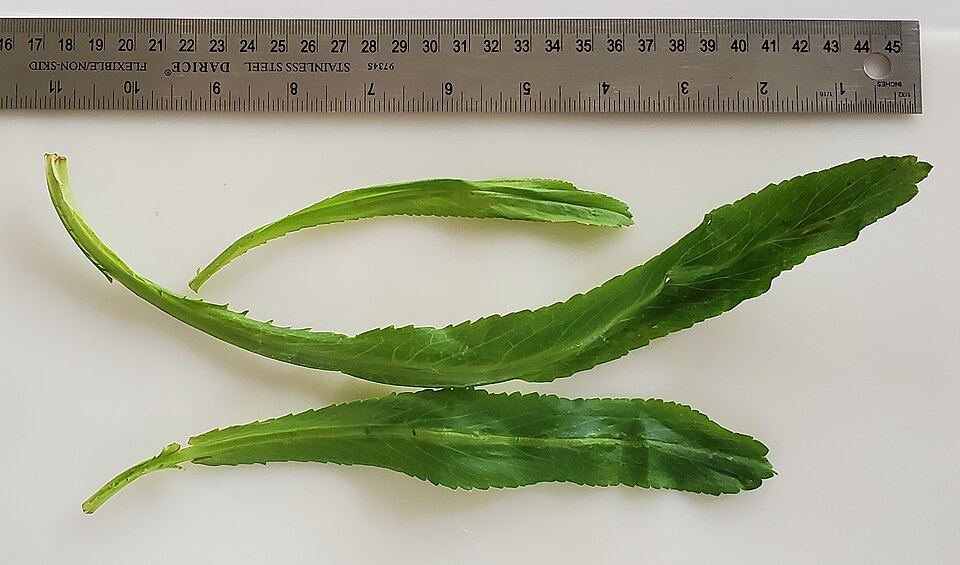
There is one culantro, Eryngium foetidum, with no named varieties in the trade. Do not confuse it with cilantro, Coriandrum sativum; the two are unrelated plants with similar flavors. Culantro forms a low rosette of long, serrated, dark green leaves that look a bit like dandelion leaves with attitude.
Buy seeds or transplants from a supplier that handles tropical herbs. Transplants skip the slow, fussy germination and are worth the extra cost for beginners. One packet of seed grows far more plants than most cooks need. The USDA PLANTS Database lists Eryngium foetidum with its tropical range.
Buy transplants if you can find them; they skip the slow, fussy germination entirely and give you harvestable plants weeks sooner. A six-pack of starts is enough for most cooks. Seeds are cheaper but test patience, so choose based on yours. The University of Minnesota Extension herb guides note transplants as the beginner-friendly option for slow germinators.
When and How to Plant
Many homeowners find that how to grow culantro is easier than they expected once they know the basics.
The key to how to grow culantro is choosing the right approach for your space and budget.
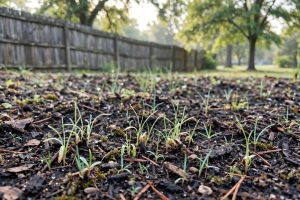
Sow culantro seeds shallowly, barely a quarter inch deep, in partial shade. Full hot sun scorches the leaves and pushes the plant to bolt; morning sun with afternoon shade is ideal. Keep the seedbed constantly moist, since germination is slow and can take weeks. A humidity dome or plastic cover speeds things along.
Start seeds indoors about six weeks before the last spring frost, or buy transplants and set them out after all danger of frost has passed. Space plants six to eight inches apart in rich, moisture-holding soil. check your USDA zone planting dates to time your transplant week. In hot regions, wait until the soil is thoroughly warm; culantro sulks in cool spring soil. The Old Farmer's Almanac herb guides note its warmth requirement.
In hot regions, wait until the soil is thoroughly warm before transplanting; culantro sulks in cool spring soil and never quite recovers. Warm soil, warm air, and shade from the start give the fastest establishment. The Clemson Cooperative Extension warm-season herb guides stress soil warmth for tropical herbs.
Soil and Sun
The key to how to grow culantro is choosing the right approach for your space and budget.
With a little planning, how to grow culantro can fit even a busy schedule.
Culantro wants part shade and rich, moist soil. This is a shade herb; treat it like lettuce, not like sun-worshipping basil. Under a tree canopy, on the north side of the house, or in the shadow of taller crops, it stays tender and productive. In full blazing sun the leaves turn tough and bitter.
The soil should be rich in organic matter and hold moisture well. Work compost generously into the bed before planting. A near-neutral pH suits it. Mulch with shredded leaves or straw to keep the soil cool and damp, which is exactly the condition culantro loves. The Missouri Botanical Garden lists it among herbs preferring moist, shady sites.
Watering and Feeding
With a little planning, how to grow culantro can fit even a busy schedule.
Before you start, it helps to understand how how to grow culantro works in real homes.
Keep the soil consistently moist; never let it dry out completely. Culantro sulks in drought, wilting fast and bolting at the first stress. In hot weather, check pots daily. Mulch is nearly mandatory for holding the moisture this plant demands.
Feed lightly with compost or a mild organic fertilizer every month or so for broad, tender leaves. Avoid heavy nitrogen, which makes soft growth that slugs love. If leaves are deep green and the rosette keeps widening, feeding is right. epazote nearby wants drier, leaner conditions, so keep their beds separate. The Clemson HGIC herb pages cover moisture needs for tropical herbs.
In containers, check moisture daily in hot weather; pots dry fast and culantro punishes drought by bolting. A saucer under the pot in summer helps, as does a thick mulch layer. Self-watering pots are ideal for this plant. The USDA National Agricultural Library container gardening references cover moisture management for thirsty herbs.
Care Through the Season
Before you start, it helps to understand how how to grow culantro works in real homes.
A good plan for how to grow culantro saves time, money, and frustration.
Snip off flower stalks the moment they appear. This is the most important culantro chore: once the plant flowers, the leaves turn tough and bitter and production stops. Check weekly in summer and cut every stalk at the base. Regular harvesting of outer leaves also delays flowering.
Watch for slugs, which love the low-growing leaves, especially after rain. Beer traps, iron phosphate bait, or evening patrols keep them in check. In cold regions, grow culantro as a warm-season annual in a shady pot; it outlasts cilantro through the worst heat. Bring a pot indoors before frost for winter harvests on a bright windowsill. The UF IFAS Gardening Solutions site covers slug control for shade gardens.
Harvest
A good plan for how to grow culantro saves time, money, and frustration.
For most people, how to grow culantro comes down to a few smart choices.
Begin harvesting outer leaves once the rosette reaches six inches across. Cut a few outer leaves at a time, always leaving the center to keep producing. A healthy plant yields steadily for months with this cut-and-come-again approach.
Use culantro like cilantro but stronger; start with half the amount you would use of cilantro and adjust. Its flavor survives long cooking, unlike cilantro, so add it early to stews, beans, and sofrito. It dries poorly, so use it fresh or freeze chopped leaves in oil or water. The Gardenia.net herb guides include Caribbean recipes built around culantro.
Troubleshooting
For most people, how to grow culantro comes down to a few smart choices.
If you are new to how to grow culantro, start with the simplest option and build from there.
Bolting in heat usually means too much sun or a dry spell. Move to deeper shade, mulch heavily, and water consistently. Once a plant has fully bolted and the leaves turn bitter, replace it; you cannot reverse flowering.
Tough, bitter leaves also come from underwatering or neglect of the flower stalks. Keep up with stalk removal and steady moisture. If seedlings damp off, the seedbed was too wet and airless; use fresh mix and a lighter hand with water. Frost kills culantro outright, so in zones colder than 9, treat it as an annual and enjoy it while the weather is warm. parsley in the same shady bed shares the slug problem, so bait for both.
Culantro vs. Cilantro in the Kitchen
If you are new to how to grow culantro, start with the simplest option and build from there.
When it comes to how to grow culantro, getting the details right makes all the difference.
Culantro tastes like cilantro with the volume turned up: stronger, more pungent, slightly bitter, with the same citrusy backbone. In cooking, start with half the amount you would use of cilantro and adjust; it is easy to overdo. The big advantage is heat tolerance in the pot as well as the garden: unlike cilantro, which turns soapy and dull with long cooking, culantro holds its flavor through hours of simmering.
This makes it the right herb for slow dishes: sofrito, stews, beans, and braises, where it is added early and cooks down into the base. For fresh finishing, cilantro's brighter, lighter flavor still wins; many Caribbean cooks use both, culantro in the pot and cilantro at the table. Dried, neither is worth much, so use both fresh or frozen. Once you cook with culantro through a whole summer, going back to bolted, bitter cilantro feels like a hardship. The Old Farmer's Almanac seasonal herb guides place culantro squarely in the warm-season kitchen.
Growing Culantro Indoors for Winter
When it comes to how to grow culantro, getting the details right makes all the difference.
Many homeowners find that how to grow culantro is easier than they expected once they know the basics.
When frost threatens, a potted culantro can move indoors and keep producing on a bright windowsill. Pot up a healthy plant before the first fall frost, trimming it back by a third to reduce transplant shock. Give it the brightest window you have; culantro tolerates indoor conditions better than cilantro, though growth slows in low light.
Water when the top inch of soil dries, and do not fertilize in winter; the plant is resting. Expect smaller, slower leaves than summer's, but still usable and still stronger than store-bought cilantro. Watch for spider mites in dry indoor air; misting the leaves occasionally discourages them. Keep snipping the flower stalks, which the plant still tries to produce.
In spring, after all danger of frost has passed, move the pot back outside gradually over a week. The plant will explode with new growth in the warmth. Alternatively, start fresh each spring from seed and compost the indoor plant; overwintering is a bonus, not a requirement. Either way, a winter windowsill of culantro means fresh sofrito flavor in the months when the garden sleeps.
Culantro solves the summer cilantro problem for good. Part shade, rich moist soil, steady water, and ruthless flower-stalk removal: follow that and you will have strong, fresh cilantro flavor straight through the hottest months. In cold regions grow it as a warm-season annual; in zones 9 through 12 it persists for years. Either way, your stews and sofrito will never lack their signature herb again.
References
Clemson Cooperative Extension. (n.d.). HGIC: Herbs. https://hgic.clemson.edu/
Missouri Botanical Garden. (n.d.). Eryngium foetidum. https://www.missouribotanicalgarden.org/
USDA PLANTS Database. (n.d.). Eryngium foetidum. https://plants.usda.gov/home
UF IFAS Gardening Solutions. (n.d.). Herb gardening. https://gardeningsolutions.ifas.ufl.edu/
Was this guide helpful?

About My Garden US
The My Garden US editorial team writes practical, in-depth home and garden guides for American homeowners — tested advice, no fluff.
You May Also Like

How to Grow Brussels Sprouts: USA Fall Guide
October 10, 2026 20 views
Air Plants Bulk for Sale USA: A Complete Buyer's Guide
February 13, 2026 17 views
Succulent Variety Packs Texas Homes USA: A Plain Guide
January 7, 2026 16 views