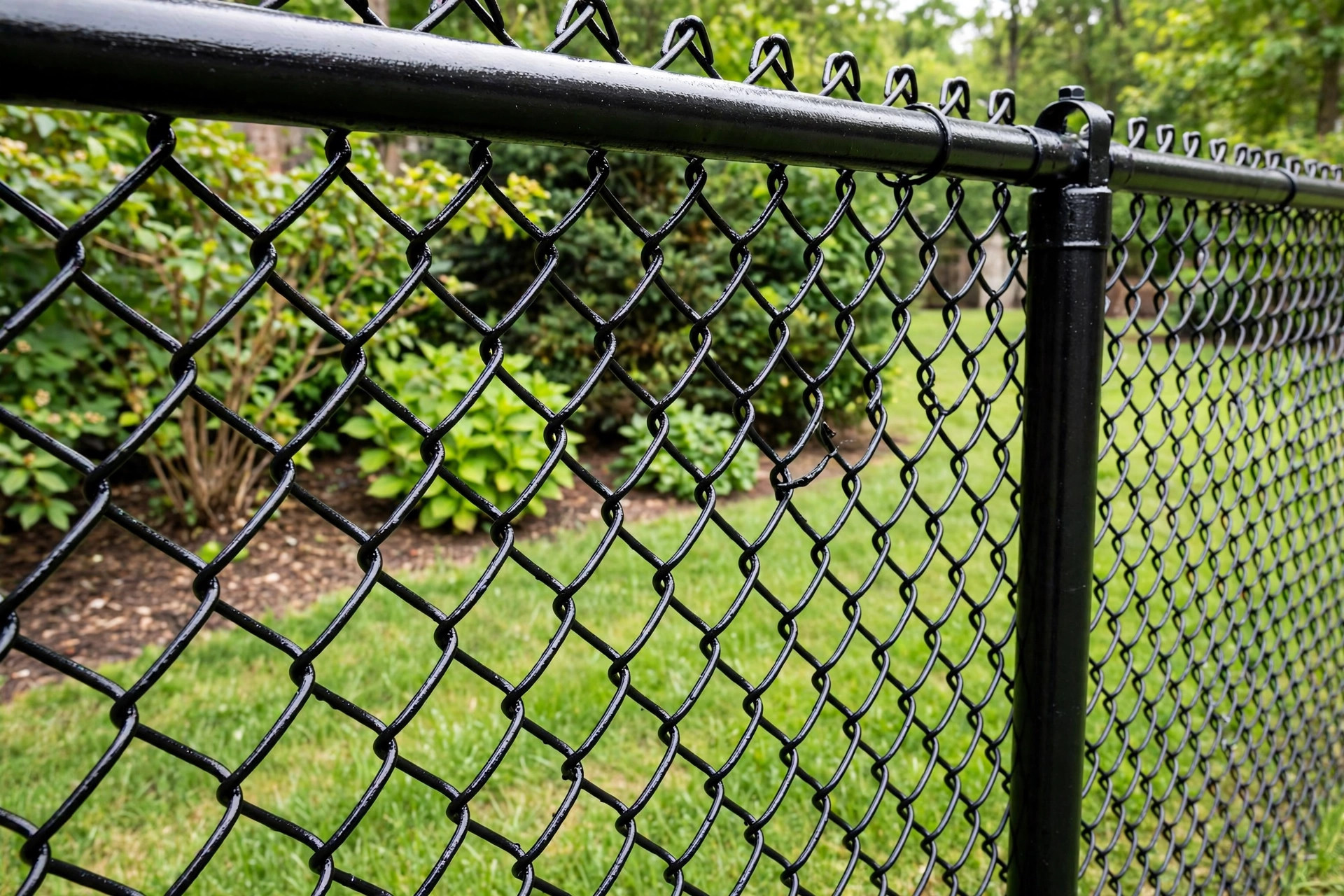

A chain link fence can last for decades. Sun, rain, and snow wear down its metal coating year after year. Finding the best paint for chain link fence usa yards can give an old fence new life. A good coat of paint stops rust, improves curb appeal, and costs far less than a new fence. This guide walks through the choices, the steps, and the costs so the job turns out right the first time.
Why Paint a Chain Link Fence?
Most chain link fences are made from steel wire coated with zinc. This coating is called galvanizing. It fights rust for many years. But no coating lasts forever. Salt air near the coast, road salt in the north, and damp soil in wet regions all eat away at the zinc. Once bare steel shows through, rust spreads fast.
Paint does more than cover rust spots. It seals the metal from air and water. It also changes the look of the fence. A standard silver fence can look plain against a garden. A black or dark green coat blends with shrubs and lawns. Many homeowners in the United States paint their fences to match their trim, their house, or their landscape.
Painting also saves money. A new chain link fence can cost thousands of dollars. A gallon or two of paint and a weekend of work costs a fraction of that. The home improvement guides at This Old House often point out that small repairs and paint extend the life of outdoor metal far beyond what most people expect.
What to Look for When You Choose Fence Paint: Best Paint for Chain Link Fence Usa
Not every paint sticks to galvanized metal. Chain link wire has a smooth, slick surface. Paint that works on wood may peel off metal in a single season. When shopping for the best paint for chain link fence usa projects, look for these traits.
First, the paint must bond to metal. Labels will say “for metal,” “direct to metal,” or “rust inhibiting.” These formulas grip steel and galvanized surfaces. Second, the paint must stand up to weather. Outdoor exposure means ultraviolet light, freeze and thaw cycles, and driving rain. Exterior-grade paint is a must. Third, it should resist rust. Many metal paints include rust blockers that slow corrosion even where the coating gets scratched.
Flexibility matters too. Chain link wire bends and moves in wind. A rigid paint may crack on the wires. Acrylic and alkyd formulas made for metal have enough flex to move with the fence. Finally, think about the finish. Flat finishes hide flaws but collect dirt. Gloss and semi-gloss finishes shed water and wipe clean. A satin or semi-gloss finish is a sound middle ground for a fence.
The product guides on Behr and Sherwin-Williams list exterior metal paints with these traits, and their technical data sheets tell which primer each paint needs.
Types of Paint That Work on Chain Link Fences
Oil-Based Alkyd Enamel
Oil-based alkyd enamel has been the classic choice for metal for generations. It flows on smooth, hardens into a tough shell, and resists chips and scratches. It also holds up well in wet weather. Many old fences in America were painted with this kind of product. The main drawback is cleanup and odor. Alkyd paint needs mineral spirits for cleanup, and it takes longer to dry. Some states limit its use on large jobs because of fume rules. Still, for a homeowner doing one fence, it remains a top option.
Acrylic Latex Metal Paint
Modern acrylic latex paint made for metal is easier to use. It cleans up with soap and water. It dries fast. It holds its color well under strong sun. High-quality versions stick to galvanized steel if the surface is cleaned and primed first. They also breathe a little, which helps in damp climates where trapped moisture can cause peeling. For a do-it-yourself project, this is often the simplest path. The paint buying guides at The Spruce and Bob Vila note that water-based metal paints have closed the quality gap with oil-based products in recent years.
Rust-Inhibiting Primer and Topcoat Systems
The strongest finish comes from a two-step system: a rust-inhibiting primer, then a topcoat. The primer bonds to the metal and locks out moisture. The topcoat gives color and weather resistance. Some primers are labeled “direct to rust,” which means they can go over light rust after loose flakes are brushed off. This system takes more time but lasts the longest. For fences with heavy rust spots, it is the safest choice.
Specialty Fence and Galvanized Metal Paints
Some makers sell paints made just for galvanized surfaces. These skip the separate primer step and bond straight to zinc-coated steel. Read the label closely. Some need the fence to weather for a year before painting. Others work on new galvanizing right away. When in doubt, a test patch on one post shows how the paint will hold.
How to Prepare the Fence Before Painting
Paint fails when the surface is dirty, chalky, or rusty. Preparation is the hard half of the job, and it decides how long the finish lasts.
Start by washing the fence. A garden hose with a spray nozzle works. A pressure washer on a low setting works faster but can bend thin wire if held too close. Use a mild detergent to cut grease and grime. Let the fence dry fully before the next step.
Next, deal with rust. Scrub rust spots with a wire brush or sandpaper. For wide areas, a wire wheel on a drill saves time. Wipe away dust with a damp rag. Where rust is deep, treat the spot with a rust converter, which turns rust into a stable black coating that paint can grip.
Then clean the galvanized surface. New or smooth galvanized wire may need an etching cleaner or a light scuff with fine sandpaper. Some painters wipe the fence with white vinegar or a commercial galvanizing cleaner. The goal is a surface the paint can bite into. The Family Handyman project pages stress that paint peels fastest on galvanized metal that was never cleaned.
If you plan to spray, mask the ground and nearby plants. A drop cloth or plastic sheet along the base catches drips. Tape over posts you do not want painted. Work on a calm day. Wind carries spray onto cars and siding.
Many homeowners find that a paint sprayer for home use makes chain link painting much faster than a brush. Spraying coats both sides of the wire in one pass. Rolling wastes paint and leaves gaps. Brushing gives control near posts but is slow on long runs.
Cost and Price of Painting a Chain Link Fence
Cost depends on fence length, paint type, and whether you hire help. A gallon of exterior metal paint in the United States usually runs from thirty to sixty dollars. A hundred feet of four-foot chain link fence needs about two to three gallons when sprayed, because spray puts paint on both sides of the wire at once. A two-hundred-foot fence may need five or six gallons.
Primer adds to the total. A gallon of rust-inhibiting metal primer costs about the same as topcoat paint. Tools add a smaller sum: wire brushes, sandpaper, drop cloths, tape, and mineral spirits or soap and water. A renter who does not own a sprayer can rent one for a day for a modest fee, though many small jobs do fine with a brush and a roller.
Doing the work yourself keeps the total for an average yard fence between one hundred and four hundred dollars. Hiring a pro changes the picture. Professional painters often charge by the foot or by the hour. For chain link, labor can run several dollars per foot, so a long fence may cost one thousand dollars or more. For comparison, many homeowners also price a fence staining service near me when they weigh wood versus metal fence upkeep. Local quotes at Lowe’s project desks or Home Depot stores can give a rough sense of material costs before you start.
Care and Upkeep After Painting
A painted fence needs light care to stay fresh. Walk the fence once or twice a year. Look for chips, scratches, and rust bubbles. Touch up small spots before rust spreads under the paint. A small brush and a can of the same paint make quick work of this.
Wash the fence once a year with a hose and mild soap. Dirt holds moisture against the paint, and moisture feeds rust. Trim grass and weeds at the base of the fence. Weed trimmer string can chip paint off the bottom wire, so leave a small gap or trim by hand near the fence.
Watch the posts and hardware. Posts, caps, and hinges rust faster than the wire because water sits on flat edges. Touch up these parts first. If a section of paint starts to peel in sheets, scrape the loose paint, spot-prime, and repaint that section rather than waiting.
Safety Rules to Follow
Fence paint work is safe when done with care. Wear gloves, safety glasses, and old clothes. Use a respirator mask rated for paint fumes when spraying or working with oil-based products. Keep children and pets away until the paint is fully dry.
Older fences may have lead paint from past decades. If the fence has thick, cracked layers of old paint, test for lead with a home test kit before sanding or scraping. Lead dust is harmful, especially to children. The national paint makers such as Benjamin Moore publish safety sheets that explain handling and cleanup for their metal coatings.
Store leftover paint with the lid tight, out of reach of children, and away from heat. Take dried-out cans and solvents to a local household waste program rather than pouring them down a drain.
Frequently Asked Questions
Can I paint a chain link fence without primer? Some paints say they can go straight onto galvanized metal. Most still last longer over a primer. If the fence has rust, primer is close to a must. A primer bonds to bare and rusted metal and gives the topcoat a firm base.
How long does paint last on a chain link fence? A well-prepared fence with quality exterior metal paint can look good for seven to ten years. Harsh sun, salt air, and heavy rain shorten that span. Quick touch-ups each year can push it longer.
What color works best for a chain link fence? Black and dark green are the most popular. They fade into landscaping and look sharp against lawns and gardens. Silver matches the original galvanized look. White shows dirt fast and is rare on chain link.
Is spraying or brushing better for chain link? Spraying is faster and coats the round wire evenly. Brushing works better around posts, gates, and tight spots. Many painters spray the wire and brush the posts.
Can I paint a rusty chain link fence? Yes, but loose rust must come off first. Scrub with a wire brush, treat stubborn spots with a rust converter, and use a rust-inhibiting primer. Painting over loose, flaking rust only hides the problem for a season.
Does painting a chain link fence add value to a home? A clean, well-kept fence improves curb appeal, which helps a home show well. The home exterior guides at Bob Vila note that neat boundaries and fresh finishes shape a buyer’s first impression. Paint alone will not raise an appraisal much, but it removes an eyesore.
A Final Word
The best paint for chain link fence usa projects is the one that fits the fence, the climate, and the budget. Clean the metal well. Prime where needed. Choose an exterior paint made for metal. Take time with preparation, and the finish will reward the effort for years. For related outdoor projects, readers also compare costs for an exterior brick painting service before taking on a full exterior refresh.
References
Behr. (n.d.). Paints, primers, and stains. https://www.behr.com Benjamin Moore. (n.d.). Paints and stains. https://www.benjaminmoore.com Bob Vila. (n.d.). Home improvement advice. https://www.bobvila.com Family Handyman. (n.d.). DIY home repair and maintenance. https://www.familyhandyman.com Lowe’s. (n.d.). Home improvement products. https://www.lowes.com Sherwin-Williams. (n.d.). Paints and coatings. https://www.sherwin-williams.com The Home Depot. (n.d.). Home improvement products. https://www.homedepot.com The Spruce. (n.d.). Home and garden advice. https://www.thespruce.com This Old House. (n.d.). Home renovation guidance. https://www.thisoldhouse.com
Was this guide helpful?

About David Wilson
The My Garden US editorial team writes practical, in-depth home and garden guides for American homeowners — tested advice, no fluff.
You May Also Like

Oversized Canvas Art Above Sofa: A USA Buyer’s Guide
January 9, 2026 0 views
Best Paint for Baby Room Walls USA: A Plain Guide for Parents
January 12, 2026 0 views
Framed Wall Art Sets for Bedroom Walls in the USA: A Complete Guide
August 4, 2026 0 views