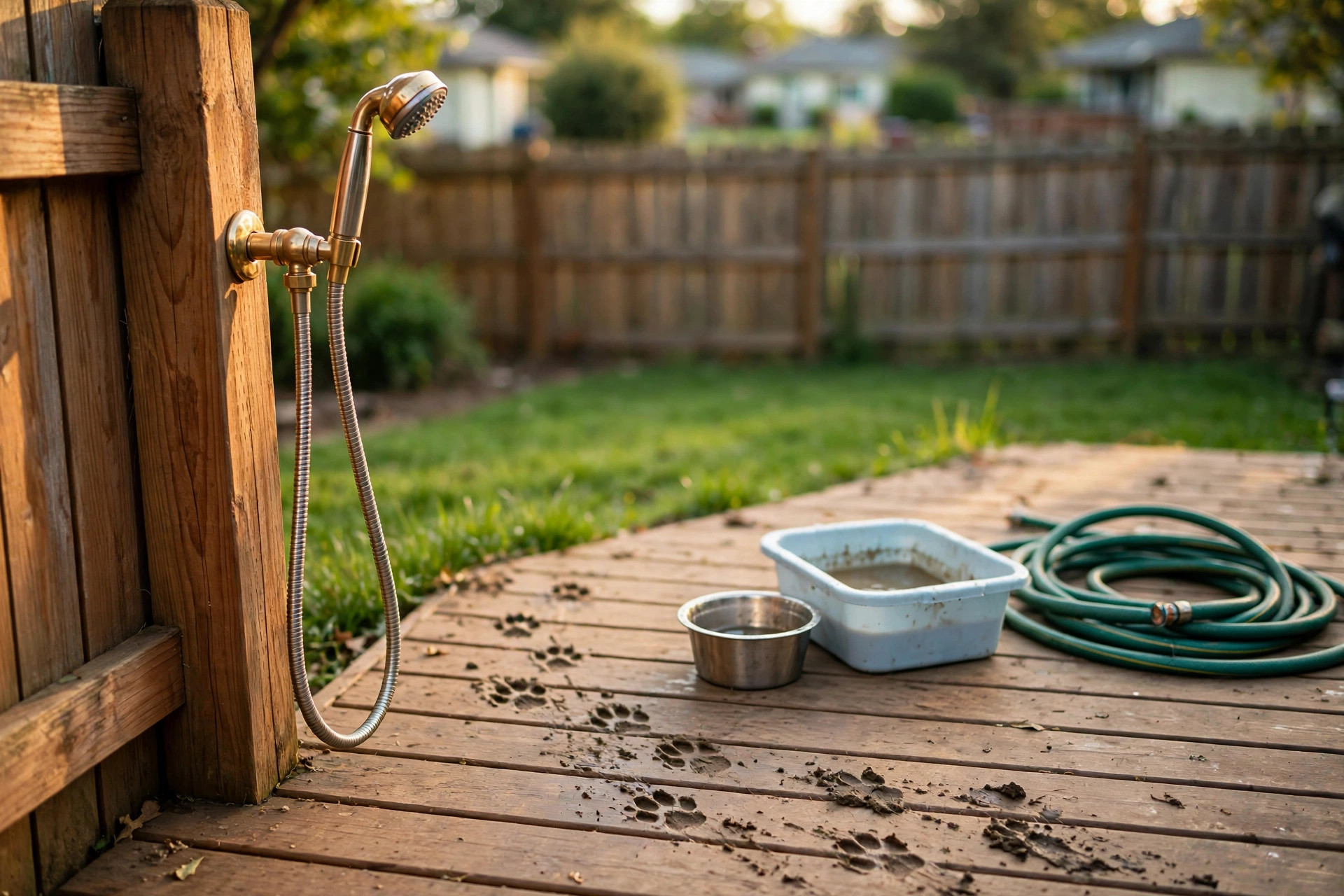

Every dog owner knows the scene. Rain falls all afternoon. The dog goes out to the yard. It comes back with paws full of mud. It runs across the clean kitchen floor before anyone can stop it. An outdoor dog shower for muddy paws cleaning stops this problem at the door. You rinse the paws outside. The mud stays outside. The floors stay clean. It sounds simple, and it is simple, but the right setup makes all the difference. A weak hose and a cold blast of water will frighten a dog. A good outdoor dog shower makes paw cleaning quick, calm, and easy for both the dog and the owner.
This guide explains why an outdoor dog shower matters, what to look for when you buy or build one, the main types on the market, typical prices, care tips, and safety rules. It also answers common questions from dog owners who are setting up their first paw washing station in the yard.
Why an Outdoor Dog Shower Matters
Mud is more than a housekeeping problem. It is a health problem for the dog too. Wet mud sits between the toes and around the paw pads. It can hide small cuts, thorns, and burrs. It can trap moisture against the skin for hours. Long exposure to damp soil can cause itching, hot spots, and infections between the toes. A quick rinse after every walk or yard visit removes mud before it causes trouble.
A regular wash routine also protects the home. Carpets, rugs, and wood floors suffer from repeated muddy traffic. Professional carpet cleaning is expensive. Refinishing wood floors costs even more. An outdoor dog shower for muddy paws cleaning costs far less than one carpet cleaning visit. It pays for itself in the first season.
There is a third benefit. Dogs that get used to paw rinsing become calmer about handling in general. Nail trims, paw checks, and vet exams go more smoothly. The dog learns that having its feet touched leads to a gentle wash and a treat, not a struggle. This is true for puppies and for adult dogs that learn the routine late.
Many owners try to solve the problem with a towel at the back door. A towel helps with light dust. It does not remove packed mud from between the toes. It does not remove the grit that scratches wood floors. Water is the only thing that truly cleans a muddy paw. That is why pet supply stores carry a growing range of outdoor washing gear, and why pet care guides now recommend a dedicated wash spot near the door the dog uses most.
What to Look for When You Choose One: Outdoor Dog Shower for Muddy Paws Cleaning
Gentle Water Pressure
Dogs dislike hard blasts of water on their feet. Paws are sensitive. Look for a shower head or wand with an adjustable spray. A soft, wide spray is best for rinsing paws. A narrow jet hurts and frightens the animal. Test the pressure on your own hand before you use it on the dog.
Water Temperature Control
Cold water straight from the hose is a shock, especially in spring and fall. A warm rinse is kinder and cleans mud faster. The simplest option is a faucet mixer that blends hot and cold water from the house. Some portable units have a small tank that warms in the sun. Never use hot water. Test the water on the inside of your wrist. It should feel lukewarm, never hot.
The Right Height and Reach
The wash point should be close to the door the dog uses. A long walk across the house defeats the purpose. The shower head should reach down to paw level without bending the hose at a sharp angle. For large dogs, a wall-mounted wand at knee height works well. For small dogs, a low basin or a paw cup is easier. Owners of big breeds often pair the wash station with ramps built for SUVs and high beds to reduce joint strain when lifting large dogs in and out of raised tubs.
Drainage and Ground Surface
Washing paws creates muddy water. It needs somewhere to go. A gravel bed, a sloped concrete pad, or a deck with gaps between boards all drain well. Standing water breeds mosquitoes and makes the area slippery. Do not set up the wash station on bare soil in a low spot. It will turn into a mud pit after a week of rain.
Build Quality
Outdoor gear lives in sun, rain, and frost. Cheap plastic fittings crack after one winter. Brass or stainless steel fittings last for years. A braided stainless hose resists kinks better than plain rubber. Check the warranty before you buy. Independent product testing groups consistently find that heavier fittings and metal connectors outlast light plastic ones in outdoor use.
Types of Outdoor Dog Showers
Wall-Mounted Wash Stations
These are the most popular choice for home yards. A bracket mounts to the house wall, a fence post, or the side of a deck. A shower wand hangs in a holster. A hose connects to an outdoor faucet or a mixed-water tap. The dog stands on a mat or a low platform. You spray each paw, dry with a towel, and let the dog inside. Wall-mounted stations keep everything in one place. They are always ready. Prices start around twenty five dollars for a basic wand and hose set. Full kits with a mixer valve and platform run from sixty to one hundred fifty dollars.
Portable Paw Washers
A portable dog shower for travel and camping holds water in a jug or tank. A hand pump or a battery pump creates pressure. You carry it to the trail, the park, or the car. It is perfect for owners who walk dogs in muddy parks and then drive home. The dog rides clean instead of sitting in a muddy crate. Most hold between two and five gallons. They cost between thirty and eighty dollars. Large pet retailers stock several models with sprayers designed for paws.
Paw Plunger Cups
These are small cups with soft bristles inside. You fill the cup with water, insert one paw at a time, and twist gently. The bristles scrub the mud away. Paw cups are cheap, usually under twenty dollars, and need no plumbing. They work well for small and medium dogs. They are slow for large dogs with very muddy feet after a long hike. Think of them as a supplement to a real wash station, not a replacement.
Raised Pet Tubs
A raised tub brings the dog up to a comfortable working height. It is useful for full-body washes and for large dogs that will not stand still on the ground. Tubs cost from one hundred to four hundred dollars. They need a firm, level base and good drainage. They take up space, so they suit larger yards better than small patios. Home improvement retailers carry folding models that store flat against a wall.
DIY Hose and Sprayer Setups
Many owners build their own station with a garden hose, a shower wand, and a Y-valve on the outdoor faucet. This is the cheapest route. It works fine if you add two things: a way to control pressure and a plan for warm water. A basic twist nozzle has no pressure control and can hurt paws. Spend a few extra dollars on a wand with an adjustable head. For warm water, a simple faucet mixer costs about thirty dollars at most pet supply stores and hardware stores.
Cost and Price
A basic setup costs very little. A paw plunger cup runs ten to twenty dollars. A garden hose wand with a gentle spray head runs fifteen to thirty dollars. A simple wall-mounted kit with a hose and bracket runs twenty five to sixty dollars. Major pet store chains list these basics at similar prices through most of the year.
A mid-range setup adds comfort. A faucet mixer for warm water adds twenty five to forty dollars. A rubber anti-slip mat adds ten to twenty dollars. A raised platform or low tub adds forty to one hundred dollars. A full mid-range station typically costs between seventy five and one hundred fifty dollars all in.
A premium setup includes a raised stainless tub, a thermostatic mixer that holds an exact temperature, and a dedicated drain line. These run from two hundred to five hundred dollars. They suit owners with several large dogs or dogs that get muddy every single day.
Running costs are small. A paw rinse uses one to three gallons of water. Even at high city water rates, each wash costs a few cents. Dog-safe shampoo, if you use it, adds a few dollars a month. Most owners rinse with plain water and save shampoo for full baths.
When you compare prices, look past the sticker. A cheap plastic wand that cracks in one season costs more than a brass one that lasts ten years. Read reviews from other dog owners before you buy. Veterinary advice sites remind owners that the cheapest tool is not always the safest for the animal.
Care and Upkeep
Rinse the equipment after each use. Mud left in a spray head will clog the nozzles. Shake out the mat and hang it to dry. Empty paw cups and basins so water does not sit and grow mold. Once a week, scrub the wash area with a stiff brush to keep the surface from getting slick.
In fall, drain the hoses before the first freeze. Water trapped in a hose will expand and split the fittings. Disconnect the wand and store it in a garage or shed for the winter if your area freezes hard. Reconnect in spring and check all washers and seals for leaks.
Replace worn parts on time. A cracked hose leaks water at the connection and sprays the owner instead of the dog. Worn bristles in a paw cup scratch instead of scrub. A faded mat loses its grip. Small repairs once a season keep the station safe and pleasant to use.
If you use shampoo, choose one made for dogs. Human shampoo and dish soap dry out a dog’s skin and strip the natural oils from the coat. A gentle oatmeal-based dog shampoo is a good choice for frequent rinses. Rinse well. Soap left between the toes causes itching. The American Veterinary Medical Association advises owners to check product labels and avoid anything with harsh fragrances for regular use.
Safety
Water temperature is the top safety rule. Always test the water before it touches the dog. Cold shock can frighten a nervous dog and make future washes harder. Hot water can burn paw pads, which are thinner than most owners think. Lukewarm is the target every time.
Watch the pressure. A strong jet can drive grit into the skin between the toes instead of washing it away. It can also hurt small dogs and puppies. Start with the softest setting. Increase only if the mud needs it, and never aim the spray at the face or ears.
Keep the wash area free of hazards. Coil the hose when you finish so the dog does not trip on it. Do not leave cleaning chemicals near the station. Store shampoo bottles where the dog cannot chew them. Make sure the ground is not slippery. A dog that slips during a wash may fear the station afterward.
Supervise every wash. Never tie a dog to the station and walk away. A tied dog that panics can injure its neck or legs. Stay with the animal, keep one hand on it if needed, and keep the session short. Most paw rinses take less than two minutes once the dog knows the routine.
Consider the weather. In very cold weather, wet paws can chill a dog fast. Dry the paws well with a towel after the rinse. In winter climates, many owners combine the wash station with a heated dog house for winter cold climates so the dog has a warm, dry place to rest afterward. The American Society for the Prevention of Cruelty to Animals recommends extra care with wet animals when temperatures drop near freezing.
Frequently Asked Questions
How often should I rinse my dog’s paws?
Rinse after every outing that leaves visible mud or dirt on the feet. For most dogs this means after rainy-day walks and yard play in wet soil. In dry weather, a quick check is enough. You do not need a full wash if the paws look clean. Over-washing with shampoo can dry the paw pads, so use plain water for routine rinses.
Can I use the garden hose by itself?
You can, but a bare hose is not ideal. Most outdoor faucets deliver water at high pressure and cold temperature. Both can upset a dog. Add an adjustable spray wand for pressure control and a mixer valve for warm water. The upgrade costs little and makes the wash far more comfortable for the animal.
What about winter? Can I still wash paws outside?
Yes, with care. Use lukewarm water, work quickly, and dry the paws well with a towel right after. Keep the wash area free of ice. On bitter days, many owners switch to warm damp towels indoors for light dirt and save the outdoor station for heavy mud. Never leave a wet dog outside in freezing wind.
Will my dog be afraid of the shower?
Some dogs are nervous at first. Introduce the station slowly. Let the dog sniff the equipment while it is off. Run the water away from the dog so it hears the sound. Spray your own hand first. Reward calm behavior with treats and praise. Most dogs accept the routine within a week. Forcing a frightened dog will only make the fear worse, so keep early sessions very short.
Do I need shampoo for muddy paws?
Plain water removes most mud. Use a small amount of dog-safe shampoo only when the paws are very dirty or smell bad. Rinse twice to remove all soap. Frequent shampoo use dries out paw pads, so plain water is the better daily choice.
Can one station serve several dogs?
Yes. A wall-mounted station with a long hose handles any number of dogs. Just allow a minute between animals to refresh the water in a basin or paw cup. Households with several pets often set up a full outdoor pet care corner, adding pet water fountains for homes with several cats nearby so every animal has fresh water in the yard too.
A Final Word
An outdoor dog shower for muddy paws cleaning is a small project with a large payoff. It keeps mud out of the house. It keeps paws healthy. It turns a daily chore into a calm two-minute routine. Start simple, choose gentle water and good drainage, and let the dog learn at its own pace. The American Kennel Club notes that steady grooming routines build trust between dogs and owners, and a paw wash station is one of the easiest routines to start. Once it is in place, you will wonder how you ever managed mud season without it.
References
American Kennel Club. (n.d.). Dog care and training resources. https://www.akc.org American Veterinary Medical Association. (n.d.). Pet care resources. https://www.avma.org ASPCA. (n.d.). Pet care and animal welfare resources. https://www.aspca.org Chewy. (n.d.). Pet supplies. https://www.chewy.com Consumer Reports. (n.d.). Product reviews and ratings. https://www.consumerreports.org Petco. (n.d.). Pet supplies and services. https://www.petco.com PetMD. (n.d.). Pet health information. https://www.petmd.com PetSmart. (n.d.). Pet supplies and services. https://www.petsmart.com The Home Depot. (n.d.). Home improvement products. https://www.homedepot.com The Spruce Pets. (n.d.). Pet care guides and product reviews. https://www.thesprucepets.com
Was this guide helpful?

About Lisa Anderson
The My Garden US editorial team writes practical, in-depth home and garden guides for American homeowners — tested advice, no fluff.
You May Also Like
Heated Pet Mat for Outdoor Shelter Warmth: A Complete Guide
March 19, 2026 0 views
Best Slow Feeder Bowl for Cats Whisker Friendly: A Complete Guide
January 13, 2026 0 views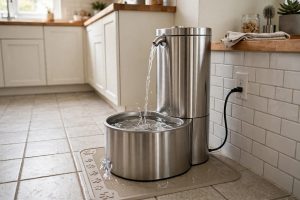
The Best Pet Water Fountain for Dogs: Large Capacity Models That Keep Water Fresh
April 27, 2026 0 views