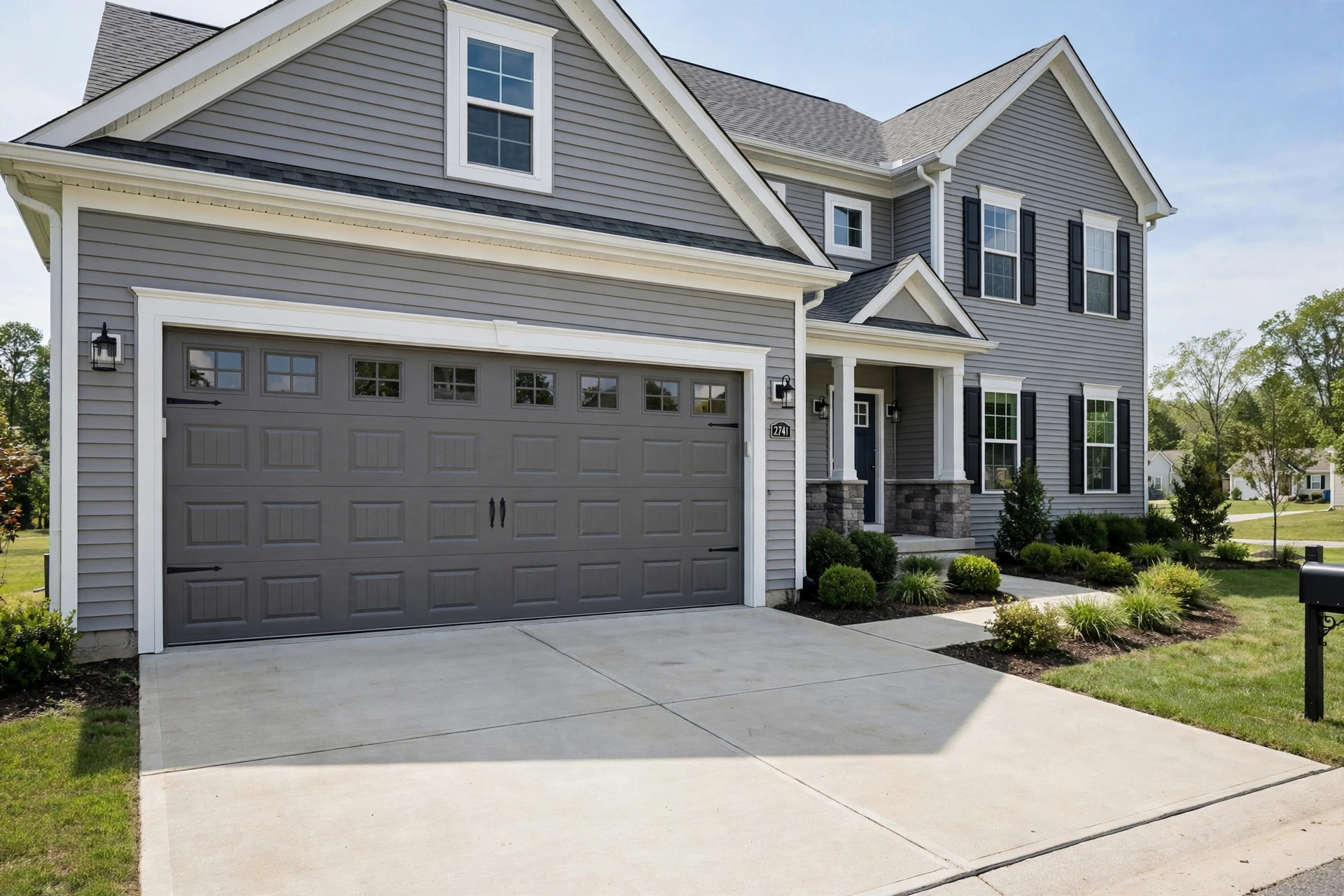

A garage door is the biggest moving part of a house. It is also the weakest wall in the building shell. Most garage doors are thin sheets of metal with air gaps around the edges. Cold air moves in. Warm air moves out. Heat escapes in winter. Heat pushes in during summer. This guide, built around the best insulated garage door reviews 2026 usa, explains what insulation can do, which numbers matter, and how to choose a door that earns its price.
Many homes keep the garage next to living space. The bedroom or family room shares a wall with the garage. When the garage door lets heat pass, the room beside it stays cold no matter how hard the furnace runs. An insulated door breaks that loss. It holds the line between outside weather and indoor comfort.
Why an Insulated Garage Door Matters
The garage is rarely heated. Yet the door that closes it faces wind, rain, snow, and sun. A plain metal door has almost no thermal resistance. Heat moves through steel in seconds. In a cold state, a bare door lets a garage sit twenty degrees colder than the house. The furnace in the room next door works harder. Bills rise.
Insulation inside the door slows that transfer. Foam panels cut between the steel layers give the door an R-value, a number that measures resistance to heat flow. The higher the number, the slower the heat moves. Reviews from Energy Star programs and home builders now treat an insulated garage door as part of whole-house efficiency, not just a comfort upgrade.
There is a comfort side too. Insulated doors are heavier and denser. They shake less in wind. They make less noise when the opener runs. Street sounds stay outside. A home office or nursery above the garage gets real quiet from one change of door.
What to Look For When You Choose: Best Insulated Garage Door Reviews 2026 Usa
Shopping for an insulated door gets easier once you know the three numbers and two details that set good doors apart from poor ones.
R-Value and U-Factor
R-value tells you how well the door resists heat flow. Most insulated garage doors fall between R-6 and R-18. A door rated R-6 is a clear step up from a bare door. A door rated R-16 or higher is serious insulation.
U-factor is the mirror number. It measures how fast heat passes through. Lower is better. Some makers print only one of the two. Ask for both. Two doors with the same R-value can seal very differently around the edges.
Watch for small print. Some brands test one layer of foam in a lab and print that number on the whole door. A fair rating covers the full door, frame to frame. Reviews from This Old House often note this gap between claimed and real ratings.
Single, Double, and Triple Layer Build
A single layer door is one sheet of steel. It bends and dents. It has no insulation unless foam is glued inside, and glued foam often falls loose after years of daily motion.
A double layer door adds a foam back layer behind the steel face. It is stiffer, quieter, and usually rated near R-6 to R-9. This is the most common mid-price choice.
A triple layer door sandwiches foam between two steel faces. It is the strongest type and holds the highest R-values, often R-12 to R-18. The inner steel face also looks clean from inside the garage. If you work in the garage or heat it in winter, triple layer is worth the extra cost.
Opener, Seals, and Windows
A heavy insulated door needs a stronger opener. A half horsepower chain drive that lifted the old thin door may strain under a triple layer door. Many installers suggest a belt drive opener for smooth, quiet lifts and less wear.
Check the seal package. Bottom rubber, side weatherstrip, and top seal decide how much air moves around the closed door. Some lower priced doors skip side seals. Cold air rushes past the frame no matter what the panel rating says.
Windows let light in, but each window cuts the insulation of that panel. Some makers use double pane insulated glass. Others use single pane. If the door faces a street with strong sun, clear single pane glass can turn the garage into a hot box by noon.
Types of Insulated Garage Doors
Steel doors lead the market. They take the widest range of R-values and finishes. Raised panel, flush panel, and carriage house styles all come in insulated versions. Steel holds paint well and resists dents better when backed by foam.
Wood doors look warm and classic. Real wood insulates a little on its own. But wood doors need care. Sun and rain age them fast. Most reviews now point buyers to steel doors with wood grain finish instead of true wood, because the finish gives the look with none of the rot.
Composite doors use wood fiber and resin. They hold shape well and take paint. Their R-values sit in the middle range. Aluminum and glass doors fit modern homes with clean lines. They look sharp but insulate poorly unless the glass is double pane and the frames carry thermal breaks. Fiberglass doors resist salt air on the coasts, though hail can crack them.
For a buyer in a cold climate, the choice is simple. A triple layer steel door with a strong seal package gives the best warmth per dollar. For a mild climate, a double layer door may be all you need.
The Best Insulated Garage Door Reviews 2026 USA: Key Points From the Field
No single door wins for every home. The best insulated garage door reviews 2026 usa point to the same pattern again and again. Buyers who are happy five years later bought for fit and seals, not for the brand name.
High R-value doors with full perimeter seals beat thin doors with bold claims. A door rated R-16 with good side seals will feel warmer than a door rated R-20 with bare edges. Installers measure the opening. They square the frame. They set the track. A crooked install wastes a good door.
Noise ratings matter more than buyers expect. Two doors can share an R-value while one runs twice as loud. Belt drive openers and nylon rollers cut the sound further. Bedrooms over garages deserve this thought.
Price tracks with build. A double layer insulated door often runs a few hundred dollars over a basic door. A triple layer door can run a thousand or more over the base. Reviews from Family Handyman guides remind readers to price the full job, not just the door. Labor, opener upgrades, haul away of the old door, and new track hardware all land in the quote.
Warranty terms tell a quiet story. A maker that stands behind the door for fifteen or twenty years builds it to last. Short warranties on insulated doors are a warning sign.
Cost and Price in 2026
Prices in 2026 run wide. A basic single layer door can cost under a thousand dollars before install. A double layer insulated door often lands between one and two thousand dollars installed. A triple layer insulated door with windows and a belt drive opener can reach three thousand dollars or more.
Labor adds several hundred dollars. Removing the old door and setting track hardware takes most of a day for a trained crew. Haul away of the old door may carry a fee. Permits are rare for a like for like swap, but some towns ask for one.
Think about payback. A home with a cold garage and an attached living room can see the door pay back in lower heating bills within a few winters. The Department of Energy notes that sealing the building shell, doors included, is one of the cheapest ways to cut wasted energy. An insulated garage door is part of that shell.
Compare quotes the same way. Ask each installer for the full R-value, the layer count, the seal package, the opener rating, and the warranty in years. A quote that hides these details is not a deal. It is a guess.
If the garage shares a wall with living space, spending more on the door is rarely a mistake. The Energy Star program lists sealing and insulation as top steps for home efficiency. A garage door is a big piece of that work.
Care and Upkeep
Insulated doors ask for little care. Wash the panels twice a year with mild soap and water. Salt and road grime eat at the bottom edge. Keep the bottom seal clean so it seats flat on the floor.
Grease the rollers, hinges, and springs once a year with a garage door lubricant. Do not use heavy oil. It gathers dust and grinds the parts. Check the springs for rust. Springs carry the full weight of the door. A rusted spring breaks without warning, and a broken spring on a heavy insulated door is a hazard.
Test the balance twice a year. Pull the red release cord and lift the door by hand to waist height. It should stay put. If it falls or flies up, the springs need service. Call a pro. Springs store enough force to hurt.
Check the weatherstrip each fall. Rubber cracks with age and sun. A ten dollar seal beats a thousand dollar heating bill. If light shows around the closed door, air is moving too.
Safety
Garage doors are heavy. A triple layer insulated door can weigh more than two hundred pounds. The springs do the real lifting. Never try to adjust or replace springs yourself. The stored energy can break bone.
Keep fingers away from panel joints while the door moves. Sectional doors pinch hard. Teach children not to play with the opener button or the remote.
Every door sold in the USA should have safety eyes near the floor. These sensors stop and reverse the door if a child or pet crosses the beam. Test them monthly. Put a box in the doorway and close the door. It should reverse on contact. Clean the sensor lenses when they fog or gather dust.
Unplug or lock the opener before you clean or paint the door. A remote in a pocket can trigger the motor at the worst moment.
How This Fits the Rest of Your Home
A garage door is one part of home comfort. The same weather sealing logic runs through the rest of the house. When a room stays cold, buyers often find other leaks too. Old windows bleed heat in the same way a thin door does. Some owners pair a new door with window insulation film kit reviews before winter, since both jobs seal the shell at low cost.
Heating load drops across the house when the garage holds its temperature. That smaller load lets heating gear run easier. An energy efficient mini split for 1500 sq ft home, for example, works best when the shell is tight. Fewer leaks mean the system cycles less and lasts longer.
Summer comfort gains too. A hot garage pushes heat into the rooms beside it. The AC runs longer. Homeowners who track AC unit for 2000 sq ft cost usa figures often find that shell fixes, doors and seals first, cut the load before they size a new unit.
Heating makers like Trane, Carrier, Lennox, and Rheem all stress the same point in their efficiency guides. Equipment works best in a tight shell. Insulate first. Then size the gear.
Frequently Asked Questions
What is a good R-value for an insulated garage door?
For most homes, R-9 to R-12 gives a clear comfort gain. In cold states, R-14 to R-18 is the better target. Below R-6, the gain over a bare door is small. Match the R-value to your climate and to whether rooms sit beside or above the garage.
Are insulated garage doors worth the extra money?
Yes, when a wall of the garage touches living space. The door slows heat loss, cuts noise, and steadies room temperatures. Payback comes through lower bills and longer furnace life. For a detached garage you never heat, the gain is smaller.
Can I insulate my current garage door myself?
Foam board kits exist for flat panel doors. They help, but they add weight the opener and springs were not set for. They also miss the seals, which do much of the real work. A door built insulated from the factory is stronger and safer.
Do insulated garage doors need a stronger opener?
Often yes. A triple layer steel door is much heavier than the thin door it replaces. Have the installer check the opener rating. A belt drive opener in the right size runs smoother and quieter under the load.
How long does an insulated garage door last?
Twenty to thirty years is common with basic care. Springs wear first and usually need service around year ten. Steel panels backed by foam resist dents far better than single layer doors. Sun and salt air shorten life on any finish.
Should the windows be insulated too?
If the door faces strong sun or cold wind, yes. Single pane glass is a weak spot in an otherwise strong door. Double pane insulated glass keeps the rating up. On a door that faces a shaded alley, plain windows matter less.
A Short Final Word
The best insulated garage door reviews 2026 usa tell one steady story. The door is part of the house, not an afterthought. Pick a build with real foam, real seals, and an honest R-value. Set it square with the right opener. Keep the seals and springs in shape. The garage stays warmer. The rooms beside it stay calmer. The bills run lower. That is the whole point.
Related guides on this site include ductless mini split installation cost per zone.
References
Carrier. (n.d.). Heating and cooling systems. https://www.carrier.com ENERGY STAR. (n.d.). Energy efficient products. https://www.energystar.gov Family Handyman. (n.d.). DIY home repair and maintenance. https://www.familyhandyman.com Lennox. (n.d.). Heating and cooling systems. https://www.lennox.com Rheem. (n.d.). Heating, cooling, and water heating. https://www.rheem.com This Old House. (n.d.). Home renovation guidance. https://www.thisoldhouse.com Trane. (n.d.). Heating and air conditioning. https://www.trane.com U.S. Department of Energy. (n.d.). Energy efficiency and renewable energy. https://www.energy.gov
Was this guide helpful?

About James Carter
The My Garden US editorial team writes practical, in-depth home and garden guides for American homeowners — tested advice, no fluff.
You May Also Like

Basement Humidity Control Tips for USA Homes
March 24, 2026 0 views
Gas Fireplace Insert Installation Cost USA: A Homeowner Guide
March 8, 2026 0 views
Best Whole House Humidifier Reviews 2026 USA: A Practical Guide for Dry Homes
April 11, 2026 0 views