
A clean home should start with clean air. Dust and dirt gather in air ducts over the years. Pet hair, pollen, and small bits of debris collect inside the vents. When the heat or air comes on, this material moves through the rooms. Many owners read top rated air duct cleaning services reviews before they hire a company. These reviews tell the real story. They show which firms do good work and which ones cut corners. This guide walks you through the reviews, the methods, the costs, and the care of your ducts. You will learn how to pick a trusted service and how to keep your air fresh.
Why Air Duct Cleaning Matters
Air ducts are the hidden roads of your house. Warm air in winter and cool air in summer travel through them. Over time, dust lines the walls of the ducts. Mold can grow where dampness collects. Pet dander sticks to every turn. A study of home air quality shows that indoor air often holds more particles than outdoor air. When ducts are dirty, the furnace fan must work harder. This raises the power bill. It may also shorten the life of the furnace. The EPA offers plain guides on home air quality for owners who want to learn more.
Some homes need duct cleaning more than others. A home with pets builds up dander fast. A home that just finished a remodel may have drywall dust in the ducts. A home near a farm road may pull in extra dust. If you see dust puff out of the vents when the fan starts, the ducts need care. If family members cough at night or sneeze each morning, dirty ducts may be the cause. Reading top rated air duct cleaning services reviews gives you a clear view of what to expect from a visit. Reviewers note whether the techs showed up on time. They tell if the crew cleaned up after the job. They report whether the air smelled fresher when the work was done.
How To Read Service Reviews: Top Rated Air Duct Cleaning Services Reviews
Not all reviews hold the same weight. Some are written by friends of the owner. Some are paid. The best reviews have real detail. A good review names the problem. It may say the ducts had not been cleaned in twelve years. It notes the price quoted and the price paid. It says how long the job took. Short notes that say “great job” tell you little. Long notes with dates, room counts, and numbers tell you much.
Look at the middle ratings too. Five-star notes show the best days. One-star notes show the worst. Three-star notes often give the fairest picture. The customer liked some things and disliked others. Check how the company answers bad reviews. A firm that replies in a calm way earns trust. Consumer Reports explains how to judge service ratings with a clear method. A firm that argues with customers raises doubt.
Watch for the same phrases in many reviews. If ten people say the tech wore boot covers and laid down drop cloths, the firm trains its staff well. If several people say the price grew on the day of the visit, the firm may use low ads to get in the door. Trust patterns over single voices.
What To Look For In A Duct Cleaning Service
A top firm follows a clear method. The crew should first test the system. They check the vents, the returns, and the furnace. They note damage such as crushed ducts or open seams. They tell you what they find before they start work. This first look is part of good service.
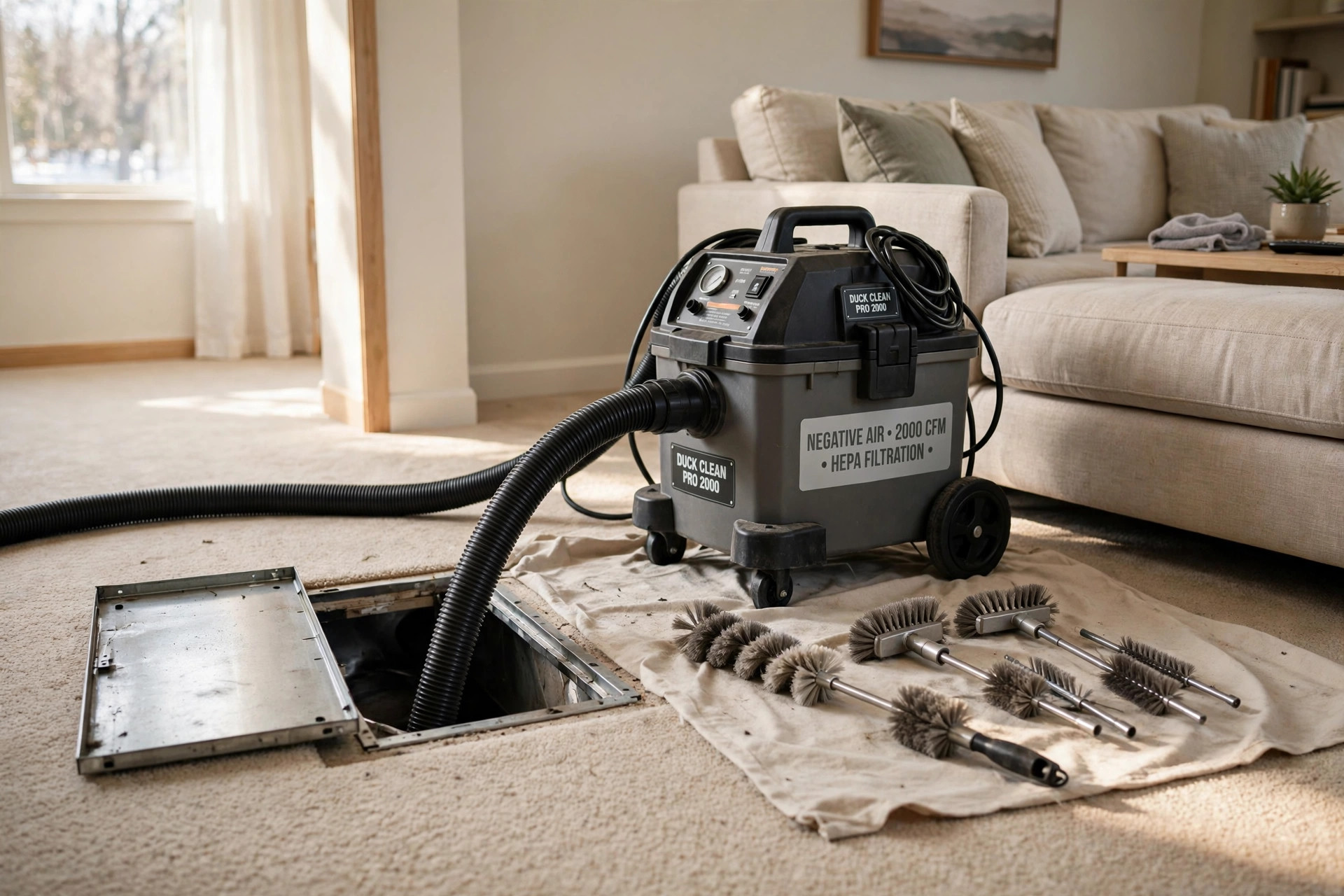
Ask about the tools. Modern crews use a large truck-mounted vacuum or a strong portable unit. Brushes spin inside the ducts to loosen dust. Compressed air pushes loose dirt toward the vacuum hose. A simple shop vacuum is not enough for a whole house. The job needs real power. Family Handyman covers home vacuum and duct tool basics in its repair guides.
Ask about the process step by step. A full cleaning covers all supply vents and all return vents. It should include the trunk lines, the branches, and the blower. The coil and the drain pan may need care too. If a firm says the job takes one hour for a full house, be wary. A proper job often takes three to five hours for an average home. Reviews of top rated air duct cleaning services often praise crews that took their time and did the work well.
Check for proof of insurance. A crew works inside your home and your furnace. If they break a duct or flood a drain pan, you want them insured. Ask for a copy before the day of the visit. Also ask how many years the firm has done this work. Firms that last have learned how to treat a home with care.
Methods Used By Professionals
Source Removal
Source removal is the main method used today. The crew cuts a small hole in the duct trunk and fits the vacuum hose. The hose pulls strong suction through the system. Techs brush each vent and use air whips to shake dust loose. All loose dirt flows to the vacuum. This method pulls the dirt out of the house instead of pushing it around. Most top rated air duct cleaning services reviews praise this method. It leaves less mess and works in less time. Bob Vila describes duct cleaning methods used by pros today.
Contact Cleaning
Contact cleaning uses a brush or pad that touches the duct walls. A rotating brush runs along the inside of each duct. It scrubs off stuck-on dirt. This step suits metal ducts with heavy build-up. It may be too rough for old flex ducts. A good tech will tell you which ducts can take a brush and which cannot.
Chemical Treatments
Some firms offer sprays for mold or smells. These are extra services. They are not always needed. A chemical spray should never replace real cleaning. If a firm pushes a spray hard, ask why. Reviews often warn about firms that push extras at the door. A sound firm explains the need and lets you choose.
Types Of Service Packages
Most firms sell three levels of service. The basic level covers the vents and the main trunk lines. It suits a home that had a cleaning in the last few years. The mid level adds the blower, the coils, and the drain pan. It suits a home that has not been cleaned in five years or more. The full level adds dryer vent cleaning, sanitizing, and mold treatment. It suits homes with pets, smokers, or mold spots.
Some firms price by the vent. Some price by the job. Price by the job is often clearer. You know the full cost before work starts. Price by the vent can grow if the crew counts each small vent alone. Ask which way the firm prices. Get the quote in writing. The Spruce publishes vent cleaning cost guides that help owners compare quotes.
Many owners pair duct cleaning with related home care. A house that needs duct work may also need a fresh look at its chimney sweep service. Homes with mold spots near vents may read about mold remediation options. After the ducts are clean, a good HEPA vacuum helps keep dust from coming back.
Cost And Price Guide
Prices vary by region and home size. A small home with ten vents may cost less than a large home with thirty vents. In most parts of the country, a full cleaning runs between three hundred and six hundred dollars. Jobs under two hundred dollars often use bait pricing. The crew may add charges once inside the home. Jobs over eight hundred dollars may include extras you do not need.
Get at least three quotes. Each quote should list what is included. Ask if the price covers the returns, the trunk, the blower, and the coil. Ask if there is a fee for mold treatment or sanitizing. A firm that gives a firm written quote earns trust. A firm that will only quote on the phone may raise the price later.
Reviews of top rated air duct cleaning services often speak of price. Good reviews say the final bill matched the quote. Bad reviews say the bill doubled. This is why written quotes matter. Keep the quote with you on the day of the visit. This Old House explains typical home project pricing for owners who want a benchmark.
Care And Upkeep After Cleaning
Clean ducts stay clean longer with simple habits. Change the furnace filter on time. A clogged filter lets dust pass into the ducts. Most homes need a new filter every two to three months. Homes with pets may need a new filter each month. Home Depot sells furnace filters in many sizes so you can match your unit.
Seal open seams in the ducts. Tape gaps with metal foil tape. This keeps dust from new work sites out of the system. It also keeps heated air inside the ducts where it belongs.
Keep the home dusted and vacuumed. A HEPA vacuum traps small particles that cheap vacuums let out. Wash bedding often. Pet beds hold dander that drifts into the air. These small steps add up. They push the next full cleaning years into the future.
Have the ducts checked every three to five years. The tech can look inside with a camera. If the ducts are still clean, you can wait. If dust has built up again, book a cleaning. Do not clean the ducts every year. Too much brushing can wear soft ducts. Too little care lets mold take hold. A steady middle path is best.
Safety During The Job
A duct cleaning crew works around your furnace and your wiring. Keep kids and pets in another room while the crew works. The vacuum hose is loud and long. It can trip a child or scare a dog. Open a window in the work area if the crew uses any sprays. Fresh air helps fumes clear.
Ask the techs about shutoff steps. They should turn the furnace off before they open the ducts. They should wear masks while they brush and vacuum. A good crew wears boot covers to protect your floors. They lay drop cloths under each vent. These steps show care for your home.
If anyone in the home has asthma, tell the firm when you book. The crew can plan to keep dust sealed during the work. They can run the vacuum before they move the brush. They can also wipe down the vents with a damp cloth at the end. Good Housekeeping offers tips for a cleaner, healthier home that fit well with this care. Small steps like these protect the air you breathe.
Common Scams And Red Flags
Some firms use low ads to win calls. An ad may promise a whole house cleaning for ninety-nine dollars. On the day, the crew finds extra vents or extra rooms. The bill grows to four hundred. This bait is common. Top rated air duct cleaning services reviews often call it out. Read the price notes in reviews before you call.
Watch for scare claims. A tech may say he found toxic mold in your ducts. He may show a photo from another job. Ask for a photo from your own ducts. A real find can be shown on the camera screen. If the firm will not show you, do not pay for the extra treatment.
Watch for rushed jobs. If the crew leaves in under two hours for a full house, the work was thin. A full cleaning takes time. Ask how long the job will take when you book. Then check the clock on the day.
Watch for firms with no fixed address. A firm that only has a phone number may vanish after the job. Look for a local address and a real website. Check how long the firm has served your town. Lowe’s home service guides remind owners to check a firm’s credentials first. Firms with roots care about their name.
How Often Should You Clean Air Ducts
There is no single rule. The need depends on the home. A new home with sealed ducts may go many years. A home with three dogs may need cleaning sooner. Use these signs as your guide.
– Dust puffs from vents when the fan starts. – Vents show dark lines of dirt around the grilles. – Family members sneeze more at home than outside. – The home smells stale when the heat runs. – It has been more than five years since the last cleaning.
If you see two or more of these signs, call for an inspection. A quick look with a camera costs little. It gives a clear answer. It keeps you from paying for a cleaning you do not need.
FAQ
How long does an air duct cleaning take?
A full cleaning of an average home takes three to five hours. A small home may take less. A large home with many vents may take a full day. If a crew says one hour, the job will be thin. Ask for the time estimate in writing.
Will duct cleaning lower my power bill?
It may help. Clean ducts let air move with less effort. The furnace fan does not work as hard. The gain is often small. If the ducts were very dirty, you may see a clear drop. If they were only lightly dusty, the change will be slight.
Do I need mold treatment in my ducts?
Only if mold is really there. A tech should show you a photo from your own ducts. Ask for lab proof if the claim is large. Do not pay for a spray just because the tech says you should. Reviews of top rated air duct cleaning services often warn about this push.
Can I clean my air ducts myself?
You can clean the vent covers and the first few feet of each duct. You can vacuum the grilles and wipe them with a damp cloth. You cannot clean the full system alone. The trunk lines and deep branches need a strong vacuum and long tools. Leave the deep work to a trained crew.
Is air duct cleaning safe for old homes?
Yes, with care. Old metal ducts clean well with brushes and suction. Old flex ducts are soft and can tear. A good tech will check the duct type first. Tell the firm the age of your home when you book. The crew can bring the right tools.
What should I do before the crew arrives?
Clear the area around each vent. Move furniture back a few feet. Keep pets in a closed room. Make the furnace easy to reach. Write down any rooms that smell stale or feel dusty. Tell the lead tech when he arrives. These steps help the crew work fast and clean.
A Short Final Word
Reading top rated air duct cleaning services reviews is a smart first step. Reviews show the firms that keep their word. They show the ones that raise prices at the door. They show the crews that take time and leave the home clean. Pick a firm with steady praise over many months. Get a written quote. Ask about the tools and the method. Watch the job and ask questions. Then keep up simple care so your ducts stay clean for years. Fresh air is worth the effort. Your home will feel better for it.
References
Bob Vila. (n.d.). Home improvement advice. https://www.bobvila.com Consumer Reports. (n.d.). Product reviews and ratings. https://www.consumerreports.org Family Handyman. (n.d.). DIY home repair and maintenance. https://www.familyhandyman.com Good Housekeeping. (n.d.). Product reviews and home advice. https://www.goodhousekeeping.com Lowe’s. (n.d.). Home improvement products. https://www.lowes.com The Home Depot. (n.d.). Home improvement products. https://www.homedepot.com The Spruce. (n.d.). Home and garden advice. https://www.thespruce.com This Old House. (n.d.). Home renovation guidance. https://www.thisoldhouse.com U.S. Environmental Protection Agency. (n.d.). Protecting human health and the environment. https://www.epa.gov
Was this guide helpful?

About Robert Taylor
The My Garden US editorial team writes practical, in-depth home and garden guides for American homeowners — tested advice, no fluff.
You May Also Like

Top Rated Move Out Cleaning Services Reviews: How to Read Them and Hire Well
May 2, 2026 0 views
Top Rated Dryer Vent Cleaning Services Near Me: A Practical Guide for Homeowners
February 13, 2026 0 views
Cordless Oven Cleaning Kits for California Apartments
April 10, 2026 0 views