
Introduction
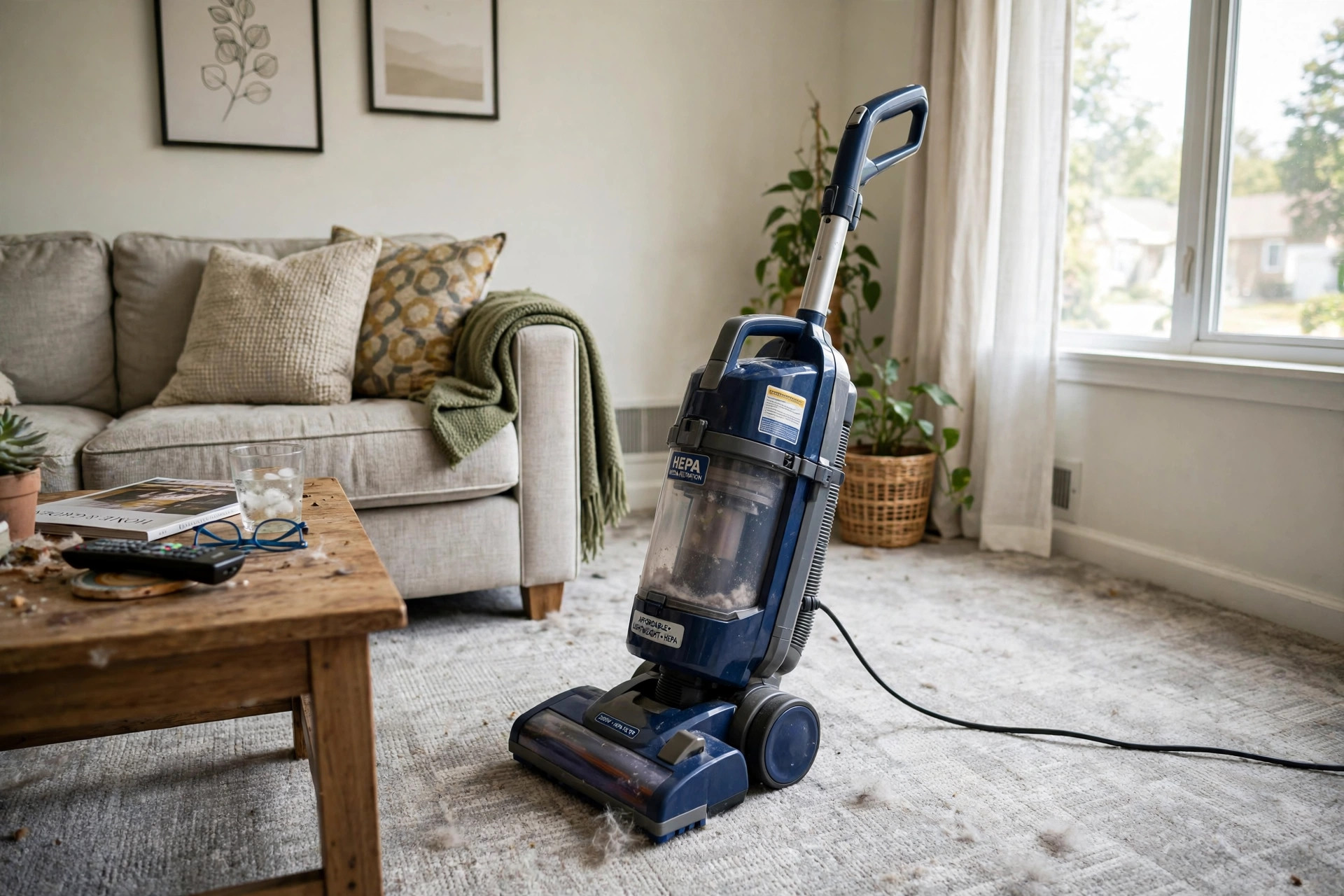
An affordable HEPA vacuum cleaners buying guide is the right place to start if you want cleaner air without a big bill. A vacuum with a true HEPA filter can trap very small bits of dust, pollen, pet dander, and other fine particles that a plain vacuum blows right back into the room. For many years these machines cost a lot of money. That is no longer true. Today many low-cost models carry real HEPA filters and clean well. The trick is knowing how to tell a true HEPA filter from a cheap look-alike, and knowing which features matter most for your home.
This guide explains what HEPA means, why it matters for health, what to look for when you shop, the main types of budget models, what you should expect to pay, and how to keep your machine running for years. It ends with answers to the questions buyers ask most.
Why a HEPA Vacuum Matters: Affordable Hepa Vacuum Cleaners Buying Guide
Most homes have more dust than the eye can see. Tiny particles settle in carpet fibers, under beds, and along baseboards. When a cheap vacuum runs over them, it can pick up the big pieces but shoot the fine dust back out through its exhaust. People then breathe that dust in.
A HEPA filter works like a fine net. It is built to catch 99.97 percent of particles that are 0.3 microns across. That is far smaller than a human hair. Dust mites, mold spores, pollen grains, and many forms of pet dander fall into this range. The United States Environmental Protection Agency notes that indoor air can hold more pollution than outdoor air, and good filtration is one of the simplest ways to cut it down (EPA indoor air guidance).
Households with allergies, asthma, or pets gain the most. Children who play on the floor also breathe the air closest to the carpet, so cleaner floors mean cleaner air for them. But even a home with no pets and no allergies feels fresher when the fine dust is gone.
What “True HEPA” Really Means
The word HEPA is used loosely in stores and ads. Some boxes say “HEPA-type” or “HEPA-like.” These words are not the same as true HEPA. A HEPA-type filter may catch far less than the true standard. If you want the full benefit, look for the words “True HEPA” or a label that states the filter meets the HEPA standard of 99.97 percent capture at 0.3 microns.
A sealed system matters just as much as the filter itself. A sealed system means that all the air pulled into the vacuum must pass through the HEPA filter before it leaves the machine. If the body has gaps or leaks, dirty air escapes around the filter and the HEPA label means little. Good budget models now advertise sealed systems. Check the product page or the manual for that exact phrase.
How to Choose: What to Look For
Shopping for a vacuum gets easier when you rank features by what you truly need.
Filtration first. True HEPA plus a sealed system is the heart of this purchase. Everything else comes second.
Suction and brush design. On bare floors, steady suction does the work. On carpet, a powered brush roll lifts dirt out of the fibers. If your home has pets, a brush that resists hair tangles will save you time.
Bin or bag. Bagless models let you see when the bin is full and cost nothing extra per use. Bagged models keep the dust locked away when you empty them, which allergy sufferers often prefer. A bagged machine with a HEPA filter and HEPA bags gives the cleanest emptying.
Corded or cordless. Corded machines run forever and usually cost less for the same suction. Cordless machines are lighter and easier to carry upstairs, but they run for a limited time on each charge. For a whole house, corded is still the practical budget choice.
Weight and noise. If you carry the vacuum up stairs, look for one under 15 pounds. Noise matters too. A machine rated near 70 decibels or below is much easier to live with. Read noise notes in independent reviews such as those from Consumer Reports.
Attachments. A crevice tool, a dusting brush, and an upholstery tool cover nearly every job in a home. Do not pay extra for a long list of tools you will never use.
Cord length and hose reach. A 25-foot cord lets you clean several rooms from one outlet. A long hose helps you reach curtains and ceiling corners.
Types of Affordable HEPA Vacuums
Upright vacuums. The classic shape. Uprights are strong on wall-to-wall carpet and often give the most suction for the money. They can be heavy, and they do not fit under low furniture.
Canister vacuums. A small body on wheels pulls behind you, with a wand in your hand. Canisters glide over bare floors and stairs, and they store in small closets. Many cost more than uprights, but budget models exist.
Stick vacuums. Light and slim, good for quick cleanups and small homes. Cordless sticks are popular now, though their run time is short. Corded sticks are rare but still sold.
Handheld vacuums. Small units for cars, stairs, and sofas. A few carry true HEPA filters, but most clean only small spots.
For a typical American home with mixed carpet and hard floors, a budget upright or a budget canister with a true HEPA filter is the best value. For a guide to heavy-duty cleanup options, see our wet dry shop vacuums reviews and buying guide. If hard floors are your main concern, our steam mops for tile floors price comparison usa may help too.
Cost and Price: What Budget Means
Affordable HEPA vacuums usually fall between 80 and 250 dollars in the United States. Under 100 dollars you can find simple uprights with true HEPA filters that clean carpet and hard floors well. They may be louder, heavier, or shorter on attachments.
From 100 to 180 dollars, you get better build quality, quieter motors, sealed systems, and more tools. This range holds most of the best values. Above 180 dollars, budget models add nicer features such as headlights, washable filters, or longer cords, but suction does not always improve.
Watch for hidden costs. Bagged models need new bags, which run a few dollars each. Washable filters cut that cost but must be dried fully before reuse. A damp filter can grow mold and harm the motor. Price trackers and buying guides at sites like The Spruce and Bob Vila often compare models side by side, which helps you spot a fair price.
Sales matter. Vacuums drop in price around major holidays. A 200-dollar model may sell for 140 dollars on a holiday weekend. If you can wait a few weeks, you often can.
Care and Upkeep
A vacuum is a simple machine, and simple care keeps it strong for years.
Empty the bin or change the bag often. A full bin chokes airflow and makes the motor work too hard. For bagless models, empty when the dirt reaches the marked line, not the top.
Clean or replace the HEPA filter on schedule. Many HEPA filters are not washable, so check the manual. Washable ones should be rinsed with water only, never soap, and left to dry for a full day. Keep a spare filter on hand so you can swap and keep cleaning.
Cut hair from the brush roll once a month. Hair wraps around the brush and slows it down. Most brush rolls pop out with a screwdriver or a coin turn.
Check the hose for clogs twice a year. A broom handle can push a blockage through, gently.
Wipe the outside with a damp cloth. Store the machine in a dry place. A vacuum kept in a damp garage can grow musty smells in its filters.
With this care, even a budget vacuum can last five to eight years. Family Handyman and This Old House both publish step-by-step maintenance guides that match what makers recommend.
Safety
Vacuums are safe machines, but a few rules keep them that way.
Never vacuum liquids with a dry-only vacuum. Water in the motor can cause a shock or ruin the machine. For wet messes, look at our quiet hardwood floor buffers for sale guide instead, or a proper wet-dry model.
Unplug the machine before you clear a clog or cut hair from the brush. Keep the cord away from the brush roll while you work.
Let the exhaust blow away from your face when you empty a bagless bin, and do this over a trash can, not in the living room. Allergy sufferers may want to wear a simple dust mask while emptying.
Check the cord for nicks or bare wire once a year. If the cord is damaged, have it replaced. Product safety recalls and advice are posted by the Consumer Product Safety Commission.
Frequently Asked Questions
Are cheap HEPA vacuums as good as expensive ones? For basic cleaning, yes, they can be. A 120-dollar vacuum with a true HEPA filter and a sealed system traps the same fine dust as a 400-dollar model. The expensive machine may be quieter, lighter, or built to last longer, but the filter does the same work. Cleaning tests at Good Housekeeping often show budget models scoring close to premium ones on dust pickup.
How often should I replace the HEPA filter? Most makers say every six to twelve months, depending on use. Homes with pets or heavy dust may need a new filter sooner. If the vacuum smells musty or suction drops after emptying, the filter is the first thing to check.
Is a bagged or bagless vacuum better for allergies? Bagged is usually better. The bag seals shut when you remove it, so you never touch the dust. Bagless bins are cheaper to run, but emptying one can release a puff of fine dust. If you choose bagless, empty it outside or into a bag.
Do HEPA vacuums help with pet hair? Yes. The brush roll picks up hair, and the HEPA filter traps the dander and fine allergens that come with pets. Look for a model with a tangle-free or easy-clean brush roll if you have a dog or cat that sheds.
Can I wash my HEPA filter? Only if the maker says you can. True HEPA filters made of paper or fiber mats fall apart when washed. Washable filters are a special design. When in doubt, replace rather than wash.
How loud should a good budget vacuum be? Around 70 decibels is typical and fine for daytime use. Under 68 is quiet enough to talk over. Models above 78 can be unpleasant in small rooms. Noise figures appear in many independent test reports, so compare before you buy.
A Short Final Word
You do not need to spend a fortune to breathe cleaner air at home. A true HEPA filter, a sealed system, and the right shape for your floors will carry you most of the way. Set your budget, check the filter label, read a few honest reviews, and pick the machine that fits your home. Clean floors and cleaner air are worth the small effort of choosing well.
Keep the manual in a kitchen drawer. When the time comes to buy a new filter or belt, the model number is right there. Small habits like this turn a good purchase into a great one, and your vacuum will repay the care every time it runs.
References
Bob Vila. (n.d.). Home improvement advice. https://www.bobvila.com Consumer Reports. (n.d.). Product reviews and ratings. https://www.consumerreports.org Family Handyman. (n.d.). DIY home repair and maintenance. https://www.familyhandyman.com Good Housekeeping. (n.d.). Product reviews and home advice. https://www.goodhousekeeping.com The Spruce. (n.d.). Home and garden advice. https://www.thespruce.com This Old House. (n.d.). Home renovation guidance. https://www.thisoldhouse.com U.S. Consumer Product Safety Commission. (n.d.). Product safety information. https://www.cpsc.gov U.S. Environmental Protection Agency. (n.d.). Protecting human health and the environment. https://www.epa.gov
Was this guide helpful?

About Jennifer Lee
The My Garden US editorial team writes practical, in-depth home and garden guides for American homeowners — tested advice, no fluff.
You May Also Like

Commercial Grade Move Out Cleaning Services for Homeowners: A Complete Guide
February 26, 2026 0 views
Dust Mite Mattress Covers Reviews and Buying Guide
March 22, 2026 0 views
How to Buy Robot Vacuum Cleaners Online in Florida
January 17, 2026 0 views