Many buyers read solar attic fan reviews for USA homes before they spend a dollar. They want to know one thing. Does the fan really cool the attic? The short answer is yes, when the attic has enough intake vents and the fan is sized right. Reviews from hot states like Texas, Florida, and Arizona paint a clear picture. A good solar attic fan can drop attic heat by twenty to forty degrees. That eases the load on the air conditioner. It can also extend the life of roof shingles. But reviews also warn buyers. This guide pulls together what real buyers say. It also explains how the fans work, what to look for, what they cost, and how to keep them running.
Why Attic Heat Matters
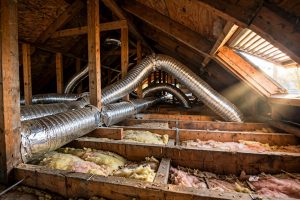
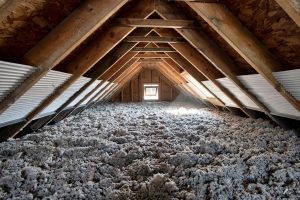
An attic in summer is like an oven. On a ninety-degree day, attic air can reach one hundred thirty to one hundred sixty degrees. That heat does not stay in the attic. It presses down through the ceiling into bedrooms and living rooms. The air conditioner must run longer to fight it. Upstairs rooms feel warm even when the thermostat reads cool.
Many reviews tell the same story. The buyer installs a solar attic fan. Within days, the upstairs feels cooler. The air conditioner cycles less. Some buyers report lower power bills. The U.S. Department of Energy notes that proper attic ventilation lowers cooling demand in hot climates (https://www.energy.gov). Less heat in the attic also protects the roof. Extreme heat bakes asphalt shingles and shortens their life. Moisture is another enemy. In winter, warm moist air from the house can condense on cold roof boards. Good airflow carries that moisture away before it feeds mold.
A solar attic fan is one tool for this job. It does not replace insulation or a working air conditioner from makers like Carrier or Trane. It simply moves hot air out and pulls cooler outside air in through the soffit vents.
How a Solar Attic Fan Works: Solar Attic Fan Reviews for Usa Homes
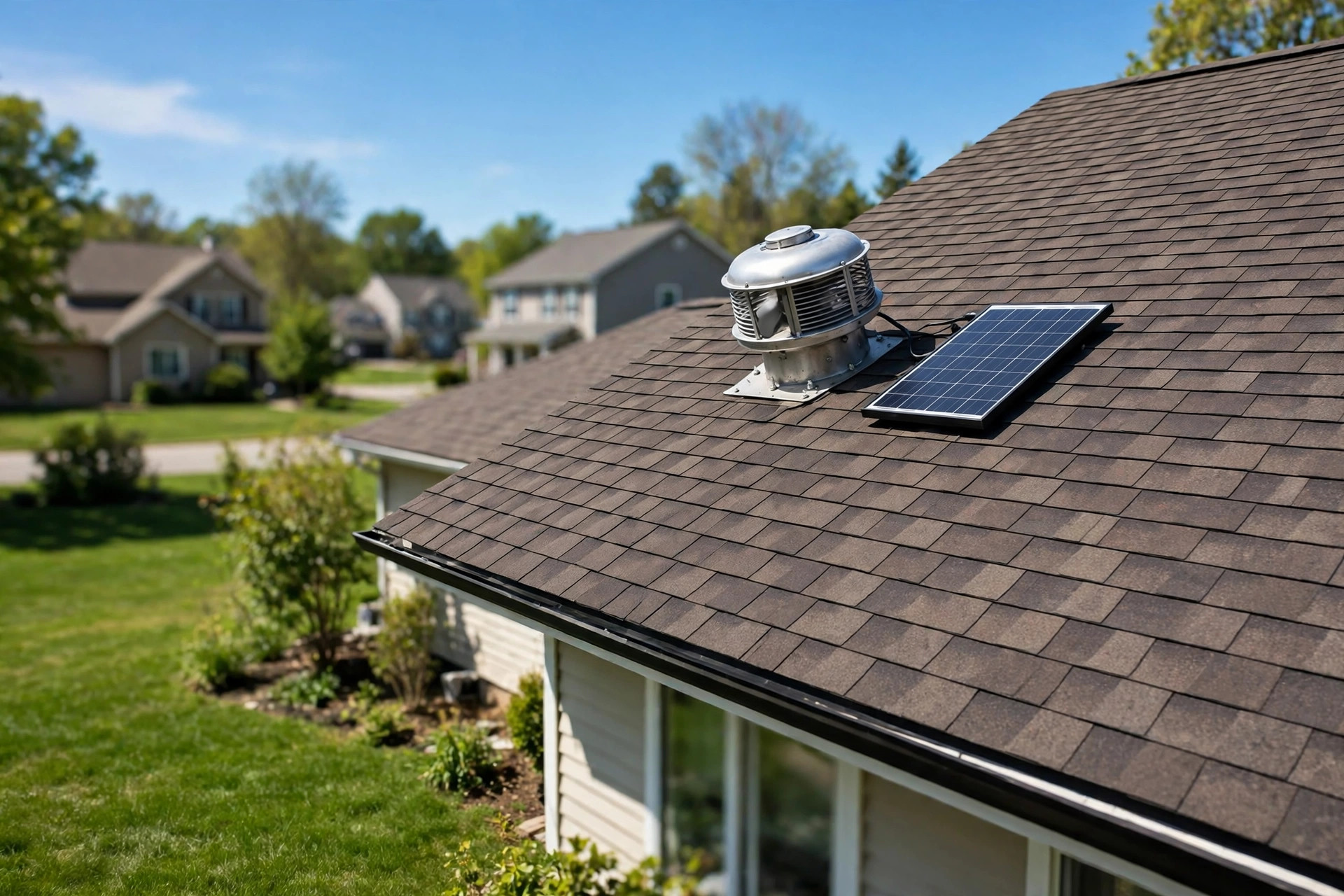
The design is simple. A small solar panel sits on or near the fan. Sunlight strikes the panel. The panel powers a direct current motor. The motor spins the fan blades. The fan pushes hot attic air out through the roof or gable. As hot air leaves, fresh air enters through intake vents under the eaves.
No house wiring is needed. That is the main draw for buyers. A standard electric attic fan needs a circuit and an electrician. A solar unit runs on daylight alone. Most models include a thermostat. The fan starts when the attic passes a set temperature, often around eighty-five degrees. It stops when the attic cools down.
Panel placement matters. Reviews stress this point again and again. A panel shaded by a tree or facing north will underperform. South-facing panels with a clear view of the sky give the best results. Some models let you mount the panel a short distance from the fan. That helps when the best roof spot for the fan is not the best spot for sun.
What Buyers Report in Reviews
Buyer reviews follow clear patterns. The praise is steady for well-built units. The complaints repeat for weak ones.
The top praise is temperature drop. Buyers in Florida and Texas often measure attic temperatures before and after. Drops of twenty to thirty degrees are common. A few report forty degrees on peak afternoons. Upstairs comfort improves. Many buyers say the air conditioner runs noticeably less in late afternoon, the hardest part of the day.
Quiet operation is the second common praise. Good solar fans hum softly. Buyers like that the motor noise stays low. The best reviews mention that you cannot hear the fan inside the house.
The top complaint is weak airflow from cheap models. A small fan with a tiny panel cannot serve a two-thousand-square-foot attic. Buyers who undersize the fan write one-star reviews. The lesson repeats: match the fan to the attic. Review sites with buying guides, such as This Old House, stress proper sizing before purchase.
The second complaint is early failure. Plastic housings crack under strong sun. Weak motors seize after two or three summers. Buyers advise paying for metal housings and sealed motors. A five-year warranty is a good sign. A one-year warranty is a warning.
What to Look for When You Choose One
Reviews point to five key features. Check each one before you buy.
Airflow Rating
Airflow is measured in cubic feet per minute, or CFM. A common rule is one CFM per square foot of attic floor. A twelve-hundred-square-foot attic needs about twelve hundred CFM. Some buyers in very hot climates size up by twenty percent. Undersizing is the number one cause of bad reviews.
Solar Panel Size and Placement
Bigger panels make more power. Look for panels of twenty watts or more for a full-size attic fan. Adjustable or remote panels are a plus. They let you aim the panel at the sun while the fan sits where it vents best. Fixed panels that point the wrong way waste potential.
Thermostat Control
A built-in thermostat saves wear on the motor. The fan runs only when the attic is hot. Many models let you set the cut-in point. Reviews favor units with an adjustable thermostat over units that run whenever the sun shines.
Build Quality
Metal housings outlast plastic in strong sun. Look for galvanized steel or aluminum. Stainless steel screws resist rust. Screens should be fine mesh to keep out insects and small animals. Sealed bearings need no oil and last longer.
Warranty and Support
Strong warranties signal strong products. Five years is good. Ten years is better. Buyers also praise brands that answer the phone when a part fails. Keep your receipt and register the product if the maker asks.
Main Types and Options
Solar attic fans come in three main styles. Each suits a different roof.
Roof-mount fans are the most common. They sit on the roof slope near the peak. A round base flashes into the shingles. They vent straight up and out. Reviews say they move the most air for the price. They work best on roofs with a clear slope facing the sun.
Gable-mount fans sit behind a gable vent on the end wall of the house. The panel mounts nearby or on the roof. They are easier to install because no roof hole is cut. But they may move less air. They suit homes that already have large gable vents.
Curb-mount fans sit on a raised box, or curb, on flat or low-slope roofs. They are common on commercial buildings and some modern homes. They keep the motor high above standing water.
Panel style is the other choice. Some fans have the panel built into the unit. They look neat and install fast. Others use a separate panel on a short cord. Separate panels aim at the sun better. Reviews from buyers with shaded roofs favor the separate panel. DIY guides from Family Handyman show both styles installed step by step.
If you are comparing powered ventilation with other options, our whole house fan vs attic fan comparison lays out the differences in cost and comfort. For passive options, see our guide to the best attic ventilation for hot climates USA.
Cost and Price
Solar attic fans cost more than basic electric fans but need no wiring. Prices in the United States follow a clear range.
A quality solar attic fan unit runs from two hundred fifty to six hundred dollars. Small gable models sit at the low end. Large roof-mount units with remote panels sit at the high end. Cheap models under two hundred dollars draw the worst reviews. They fail early and move little air.
Professional installation adds three hundred to six hundred dollars. The job takes two to four hours for a roofer or handyman. See our breakdown of attic fan installation cost near me for local price detail. Handy buyers do it themselves for the cost of sealant and flashing, often under fifty dollars.
Running costs are near zero. Sunlight is free. There is no electric bill for the fan. Some buyers note federal or state credits for solar products. ENERGY STAR lists guidance on energy-saving home upgrades that may qualify for incentives.
Payback is hard to pin down. It depends on your climate and power rates. In hot states with high electric rates, buyers report that lower air conditioning use pays for the fan in three to six years. In mild climates, the payback is longer. Comfort is the surer gain. A cooler upstairs bedroom has value beyond the bill.
Care and Upkeep
Solar attic fans need little care. A small routine each year keeps them strong.
Clean the solar panel twice a year. Dust, pollen, and bird droppings block light. Wipe the panel with a soft cloth and mild soap. Rinse with a garden hose. Do this in spring and fall.
Check the screen and housing. Look for cracked plastic, rust spots, or torn mesh. Clear leaves and nests from around the base. Tighten any loose screws.
Test the thermostat. On a hot day, the fan should start when the attic warms up. If it never starts, the thermostat or motor may have failed. Check the warranty before you pay for a repair.
Inspect the flashing. Look at the roof around the base for lifted shingles or cracked sealant. Reseal small gaps with roofing sealant. Catching a leak early saves the ceiling below.
Winter needs no special steps in most states. Snow may cover the panel for a time. The fan simply rests until the sun returns.
Safety
Solar attic fans are low risk, but a few safety points matter.
Roof work is the main danger. Falls hurt and kill. If you are not steady on a roof, hire a pro. Wear soft shoes with grip. Work on dry days. Keep the ladder on firm ground.
Keep intake vents open and clear. A powered fan needs air coming in. Blocked soffit vents starve the fan. Worse, a strong fan in a tight attic can pull air down the flue of a gas water heater or furnace. That can draw exhaust gases into the house. This is called backdrafting. Make sure combustion appliances have their own air supply. When in doubt, ask an HVAC tech from a maker network such as Lennox or Rheem for a safety check.
Do not wire anything to house power unless you are trained. Most solar fans need no wiring. If a model has a backup battery or a hybrid plug, follow the manual exactly.
Check local codes. Some towns require permits for roof penetrations. Some homeowner associations limit what sits on the roof. A quick call to the building office avoids trouble.
Frequently Asked Questions
Do solar attic fans work on cloudy days? They slow down a lot. The panel makes less power under clouds. Most fans still turn, but weakly. On dark stormy days they may stop. That is normal. Attics also cool down when the sun hides, so less airflow is needed.
How many fans does my attic need? One well-sized fan serves most attics up to about sixteen hundred square feet. Larger attics may need two. Total the CFM of all fans and match it to the attic floor area. Also make sure intake vents can feed the fans. A good rule is one square foot of net free intake area for every three hundred CFM of fan power.
Will a solar attic fan lower my electric bill? It can, in hot climates. The fan itself uses no grid power. Savings come from the air conditioner running less. Reviews from Texas, Arizona, and Florida report the clearest savings. In cool coastal climates, the savings are small. Brands like Goodman note that whole-system efficiency matters most, and attic heat control is one piece of it.
Can I install a solar attic fan myself? Many buyers do. The job needs basic tools: a saw, a drill, roofing sealant, and a ladder. The hard part is cutting the roof hole and flashing it right. If you have roofed before, it is a half-day job. If heights worry you, hire a roofer. A leak costs far more than the install fee.
Do solar attic fans work in winter? They run less, which is fine. Winter attics need some airflow to carry away moisture, but far less than summer. The thermostat keeps the fan off on cold days. Some buyers in snow country cover the fan or switch it off for winter. Check your manual first. Most units are built to sit idle through winter with no harm.
How long do solar attic fans last? Quality units last ten to fifteen years. The solar panel often outlives the motor. Cheap units may fail in two to three years. Reviews tie lifespan to build quality. Metal housings, sealed motors, and strong warranties predict long life.
A Final Word
Solar attic fan reviews for USA homes tell a steady story. Buyers who size the fan right and buy quality are glad they did. Attics run cooler. Upstairs rooms feel better. The air conditioner gets a break. Buyers who buy too small or too cheap write the unhappy reviews. The lesson is simple. Measure your attic. Give the fan plenty of intake air. Choose metal over plastic. Aim the panel at the sun. Do those four things and the fan will earn its keep for many summers.
References
Carrier. (n.d.). Heating and cooling systems. https://www.carrier.com ENERGY STAR. (n.d.). Energy efficient products. https://www.energystar.gov Family Handyman. (n.d.). DIY home repair and maintenance. https://www.familyhandyman.com Goodman. (n.d.). Heating and cooling equipment. https://www.goodmanmfg.com Lennox. (n.d.). Heating and cooling systems. https://www.lennox.com Rheem. (n.d.). Heating, cooling, and water heating. https://www.rheem.com This Old House. (n.d.). Home renovation guidance. https://www.thisoldhouse.com Trane. (n.d.). Heating and air conditioning. https://www.trane.com
Was this guide helpful?

About Michael Thompson
The My Garden US editorial team writes practical, in-depth home and garden guides for American homeowners — tested advice, no fluff.