
A good craft apron saves your clothes and keeps your tools close at hand. The best craft apron with pockets for adults does both jobs well. It shields your shirt and pants from paint, glue, clay, and dust. Its pockets hold scissors, pencils, brushes, and phones. You do not have to stop work to hunt for supplies.
Many crafters put off buying an apron. They think an old shirt will do. Then paint ruins a favorite sweater. Glue sticks to a good pair of jeans. An apron costs little and lasts for years. This guide shows you what to look for and how to choose the right one.
Why a Craft Apron With Pockets Matters
Craft work is messy. Paint splatters when you flick a brush. Sawdust clings to fabric. Clay smears across sleeves. Hot glue leaves hard spots on denim. An apron takes all of that damage instead of your clothes.
Pockets matter just as much as the fabric. Every time you set down your scissors, you risk losing them. Every time you walk to the drawer for a pencil, you lose your place in the project. Deep pockets keep tools within reach. You stay at the table. You finish the work faster.
Aprons built for adults fit grown bodies. They cover the chest and lap. The straps adjust for height. Cheap one-size aprons often fall short. They leave the thighs open. Paint lands right there. A well-made adult apron covers from the neck to below the knee.
What to Look for When You Choose: Best Craft Apron with Pockets for Adults
Fabric Strength
Fabric is the first thing to check. Cotton canvas is a strong choice. It resists tears and washes well. Denim is even tougher. It stands up to wood chips and wire ends. Polyester blends dry fast and resist wrinkles. They also shed pet hair with ease.
Thin fabric will not last. Hold the apron up to a light. If you can see through it with ease, it will not stop paint for long. Look for fabric that feels thick between your fingers. Heavy twill and duck cloth are good signs.
Pocket Layout
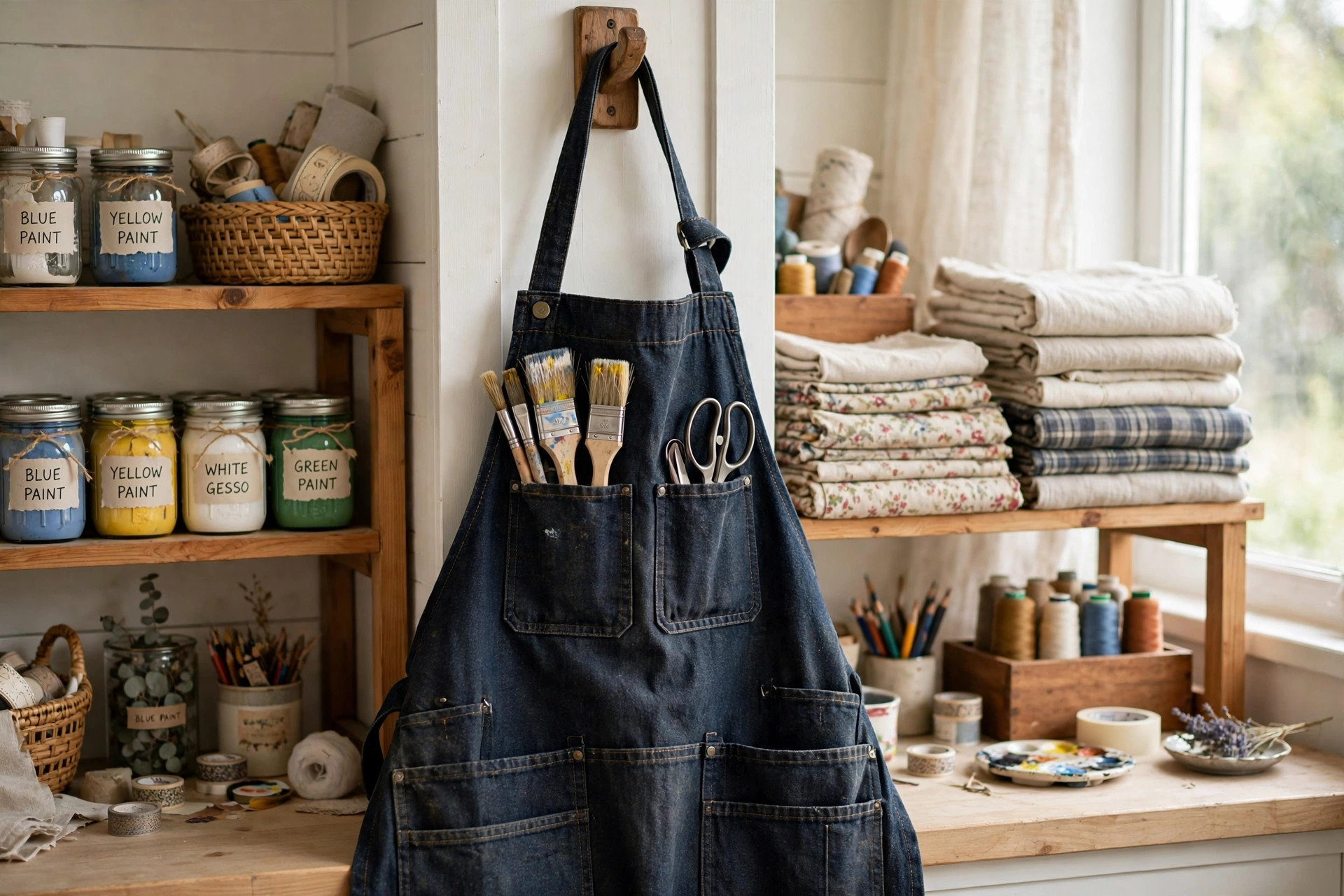
Count the pockets and study their shape. The best designs mix deep side pockets with smaller chest pockets. Large lower pockets hold phones, tape measures, and pattern books. Chest pockets hold pencils, markers, and thin brushes. Divided pockets are better than open ones. They keep tools apart so they do not tangle.
Check the depth of the main pockets. A pocket that is too shallow will drop your phone the moment you bend over. Seven inches or more is a safe depth. Reinforced stitching at the pocket corners stops rips before they start.
Straps and Fit
Comfort decides whether you will wear the apron. Cross-back straps spread weight across the shoulders. They do not dig into the neck. Neck loops are simpler but can press hard during long sessions. Look for straps that adjust. Everyone’s body is different.
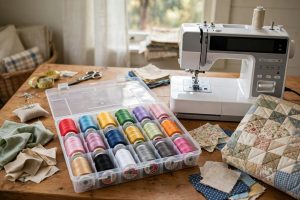
A waist tie should be long enough to wrap around and knot at the front. Short ties force you to tie at the back, which is a nuisance. Split-leg designs give extra freedom when you sit at a pottery wheel or a sewing machine. A sewing machine guide can help you set up a comfortable work station to go with your new apron.
Length and Coverage
Measure from your shoulder to your knee. The apron should cover at least that much. Bib aprons give full chest coverage. Waist aprons cover only the lap. For painting and gluing, the bib style is the safer pick. For serving food or light crafts, a waist apron may be enough.
Petite crafters should seek brands that offer short sizes. Tall crafters need long sizes. A size marked “one size fits all” often fits no one well. Check the size chart before you order.
Types of Craft Aprons for Adults
Canvas Work Aprons
Canvas aprons are the workhorses of the craft world. Heavy cotton canvas resists stains and wears in nicely. Many come with six or more pockets. Woodworkers and jewelry makers favor them. They pair well with a craft storage cart that holds the supplies the apron pockets cannot.
Denim Aprons
Denim aprons look good and work hard. The fabric is dense enough to block most paint. Dark denim hides stains. Riveted stress points add years of life. Denim suits pottery, garden crafts, and leather work. It also ages with a pleasant worn look.
Waterproof and Wipe-Clean Aprons
Some aprons use coated fabric or oilcloth. Paint and glue bead up on the surface. You wipe them off with a damp cloth. These aprons shine in messy children’s crafts and resin pouring. They can feel stiff at first but soften with use.
Split-Leg and Shop Aprons
Split-leg aprons divide below the waist. They let you move and sit with ease. Potters and glass artists favor them. Many shop aprons skip the bib and use a deep tool skirt instead. They are best when chest coverage does not matter.
Half Aprons and Waist Aprons
Half aprons tie at the waist and cover the lap. They work for card making and paper crafts. They will not protect a shirt from splashing paint. Choose this style only when the work stays below the waist.
Pockets: How Many Do You Need
Three to five pockets suit most crafters. Seven or more serve busy makers who switch tools often. More pockets are not always better. Too many pockets add weight and bulk. They snag on table edges.
Think about what you reach for most. Painters need brush slots. Sewers need a place for thread snips and measuring tape. A paint brush set stays organized when the apron has narrow brush pockets up top. Jewelry makers need small divided pockets for findings and pliers.
Phone pockets deserve care. A lined pocket keeps screens safe from dust. A pocket with a flap keeps the phone from slipping out. Never place a phone in the same pocket as scissors or pliers.
Extra Features That Add Value
Some aprons offer small touches that make a big difference over time. A hanging loop at the neck lets you store the apron on a hook in one motion. A small towel loop at the hip holds a shop rag or a kitchen towel. Painters love this feature. It keeps a wipe close at all times.
Reinforced grommets where the straps meet the bib add strength. Grommets spread the pull of the strap across more fabric. Single-stitched strap points are the first thing to fail on cheap aprons. Look for cross-stitched boxes or metal rings at these joints.
Adjustable waist buckles beat plain ties for some users. A buckle clicks shut in a second. Ties can loosen during a long session. That said, simple ties never break. Buckles can crack if stepped on. Think about how you work before you choose.
Cross-back aprons remove the neck loop entirely. The straps cross behind the shoulders like a backpack. This design suits people with neck pain. It also suits long days at the craft table. Many potters swear by the cross-back style. Try one on if you can. The comfort is hard to describe until you feel it.
Magnetic closures on pockets are a newer feature. They keep small metal tools from falling out. Pins, needles, and screws stay put. Make sure the magnets are sewn into strong fabric. Cheap magnets can tear free with heavy use.
Personalization is another option. Some makers will embroider your name or a shop logo on the bib. This adds cost but makes a nice gift. A monogrammed apron also discourages borrowing in shared studios.
Cost and Price
Craft aprons range widely in price. Basic cotton aprons cost about ten to twenty dollars. Mid-range canvas aprons with many pockets run twenty to forty dollars. Heavy-duty denim and leather-reinforced aprons can reach forty to seventy dollars.
Price follows fabric and stitching. Cheap aprons use thin fabric and single stitching. They wear out in a year of steady use. Mid-range aprons use double stitching and bar tacks at stress points. They last for years. Premium aprons add leather straps and waxed canvas. They suit people who craft every day.
Set your budget by how often you craft. Weekend painters do fine with a twenty-dollar canvas apron. Daily makers should invest more. A good apron pays for itself the first time it saves a shirt.
Watch for sales at craft retailers. Large chains often cut prices on workwear in the fall. Online marketplaces run deals around the holidays. Sign up for store mailers to catch coupons.
Care and Upkeep
Most cotton and canvas aprons can go in the washing machine. Wash them in cold water with like colors. Skip the dryer when you can. Hang drying keeps the fabric strong and the straps true.
Stains happen. Scrub paint spots with soap before they dry. Soak dried glue spots in warm water. For oil stains, rub in dish soap first. Do not use bleach on colored canvas. It weakens the fibers.
Check the stitching every few months. Restitch loose pocket corners by hand or machine. A small repair now stops a big tear later. Replace frayed ties before they snap.
Store your apron on a hook, not in a heap. Hanging keeps the straps straight and the pockets open. It also lets damp fabric dry out between sessions. A dry apron lasts longer and smells better.
Safety Tips for Craft Aprons
An apron protects, but it must be used with sense. Tie long straps before you work near spinning tools. Loose ties can catch in a drill press or a sewing machine. Tuck them in or wrap them twice.
Keep aprons away from open flame. Cotton burns fast. If you solder or weld, choose a flame-resistant apron instead. Regular craft aprons are not fire safe.
Pockets near heat sources need care too. Do not store lighters or matches in a craft apron pocket. Keep solvents in sealed containers away from the body.
When working with chemicals, wear gloves and eye protection along with your apron. The apron guards your clothes. It does not guard your hands or eyes. Read the labels on paints and stains before you start.
Frequently Asked Questions
How do I wash a canvas craft apron?
Wash it in cold water on a gentle cycle. Use mild soap and skip bleach. Hang it to dry. Most canvas aprons soften with each wash while staying strong.
Are craft aprons machine washable?
Most cotton, canvas, and denim aprons are machine washable. Waxed canvas aprons are not. Wipe waxed aprons with a damp cloth instead. Always check the care tag first.
What size apron should an adult get?
Measure from your shoulder to below your knee. That is your ideal length. Check the maker’s size chart for width. Adjustable straps help you fine-tune the fit.
Can men wear craft aprons?
Yes. Aprons are tools, not costumes. Many brands make styles with neutral colors and sturdy builds that suit any adult. Fit and function matter more than style.
How many pockets does a good craft apron need?
Three to five pockets cover most needs. Deep side pockets hold tools and phones. Chest pockets hold pencils and brushes. More than seven pockets can add unwanted bulk.
Should I choose a bib apron or a waist apron?
Choose a bib apron for painting, gluing, pottery, and woodwork. It guards the chest and lap. Choose a waist apron only for light paper crafts where splashes are rare.
A Short Final Word
The best craft apron with pockets for adults is the one you will actually wear. It should fit your body, suit your craft, and keep your tools close. Strong fabric, smart pockets, and comfortable straps make the difference. Spend a little time choosing well. Your clothes and your workflow will thank you for years.
For more background, see JOANN, Blick Art Materials, and Family Handyman. For more background, see This Old House, Bob Vila, and Michaels. See The Home Depot for more detail. See also Target for further detail.
References
Blick Art Materials. (n.d.). Art and craft supplies. https://www.dickblick.com Bob Vila. (n.d.). Home improvement advice. https://www.bobvila.com Family Handyman. (n.d.). DIY home repair and maintenance. https://www.familyhandyman.com JOANN. (n.d.). Fabric and craft supplies. https://www.joann.com Michaels. (n.d.). Arts and crafts supplies. https://www.michaels.com Target. (n.d.). Retail store. https://www.target.com The Home Depot. (n.d.). Home improvement products. https://www.homedepot.com This Old House. (n.d.). Home renovation guidance. https://www.thisoldhouse.com
Was this guide helpful?

About David Wilson
The My Garden US editorial team writes practical, in-depth home and garden guides for American homeowners — tested advice, no fluff.
You May Also Like
DIY Bath Bomb Kit for Gifts and Crafts: A Complete Guide
June 5, 2026 0 views
Wooden Spoon Carving Kit for Beginners DIY: A Complete Guide
January 20, 2026 0 views
DIY Lip Balm Making Kit for Beginners: A Complete Guide
March 12, 2026 0 views