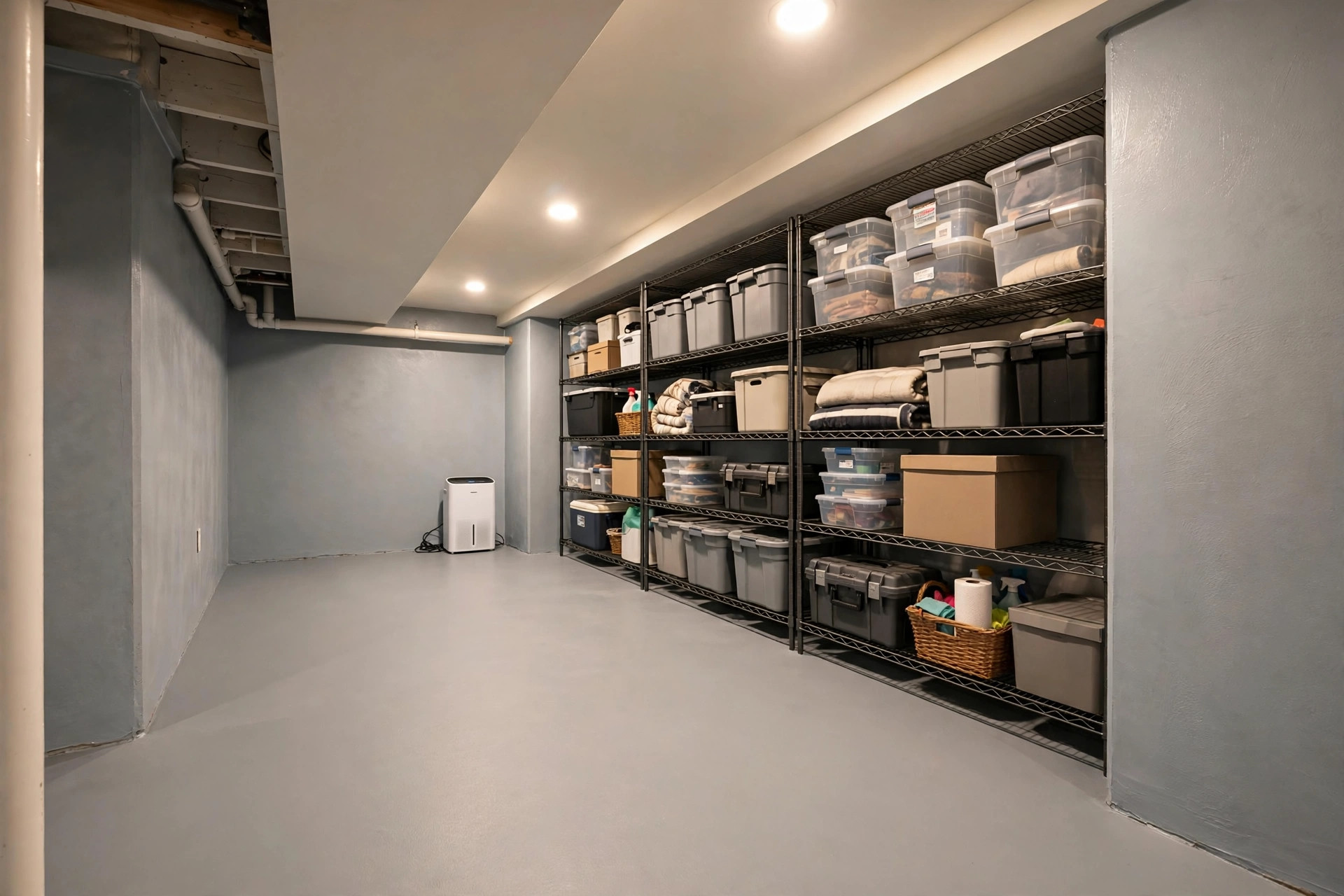

Many American homes have wet basements. Water seeps through cracks in the foundation. It comes through the floor where the floor meets the wall. It can ruin carpet, wood, and stored goods. This basement waterproofing services cost guide usa explains what the work costs, how it is done, and how to hire the right company. If you own a home with a damp lower level, this guide is for you.
Why Waterproofing Matters
Water is the number one enemy of a house. It breaks down concrete over time. It feeds mold and mildew. Mold harms the air inside the home. It can cause coughing and breathing trouble, especially in children and older people. A damp basement also invites pests. Termites and carpenter ants like moist wood.
A dry basement has real value. It gives you more living space. You can use it for a family room, a playroom, or a home office. It also protects the structure of the house. A foundation that stays dry lasts much longer than one that stays wet. When you sell the home, buyers notice a dry basement. They often pay more for it. Experts at This Old House note that keeping water away from the foundation is one of the smartest steps a homeowner can take.
How Waterproofing Services Work: Basement Waterproofing Services Cost Guide Usa
Basement waterproofing is a set of methods that stop water from entering the lower level of a home. Some methods work inside the basement. Some work outside. The right method depends on where the water comes from and how much of it there is. A good company starts with an inspection. The inspector walks the basement, checks the walls and floor, and looks at the yard outside. Then he writes a plan and gives a price.
Interior Drainage Systems
Interior drainage is the most common method. A channel is cut into the floor around the inside edge of the basement. A pipe is placed in the channel. Water that seeps through the walls flows into the pipe and runs to a sump pit. A sump pump pushes the water out and away from the house. This system handles wall seepage and floor joint leaks. It is less costly than exterior work because the crew does not dig up the yard.
Exterior Waterproofing
Exterior work is more involved. The crew digs a trench around the foundation down to the footing. They clean the wall, patch cracks, and apply a waterproof coating or membrane. A drain pipe is laid at the base of the footing. Then the trench is filled back in. This method stops water before it reaches the wall. It is the most thorough fix, but it costs the most and tears up the lawn.
Crack Repair and Sealants
Small cracks can be fixed with injections. Epoxy or polyurethane foam is pushed into the crack under pressure. The material fills the crack and bonds with the concrete. Sealant paints can be brushed or rolled onto walls. These paints slow seepage but do not stop heavy water pressure. They work best as a supplement to a drainage system.
How to Choose the Right Company
Not all waterproofing companies are equal. Choose with care. Start by getting three written bids. Never accept the first price you hear. Ask each company for proof of license and insurance. Call past customers and ask if the work held up after heavy rain. The Family Handyman site advises homeowners to check references before any large home job, and that advice fits waterproofing well.
Look for a company that offers a written warranty. A good warranty covers both labor and materials for many years. Some warranties can pass to the next owner when you sell. That adds value to the sale. Watch out for high-pressure sales. A company that demands a signed contract on the first visit is a red flag. A sound company gives you time to think. Also check how the company handles permits. Most towns require a permit for major foundation work, and the company should pull it for you.
Types of Waterproofing Options Compared
Homeowners usually face three main choices. The right one depends on the problem.
Interior systems handle water after it enters. They are the best value for most homes with minor seepage. They do not change the look of the yard. Installation takes one to three days.
Exterior systems stop water outside the wall. They suit homes with severe leaks or cracked foundations. They require digging and cost more. The yard must be restored after the job.
Crack injection fixes single cracks. It is fast and cheap. It works when the rest of the basement is dry. It fails when water pressure is high or many cracks exist.
Some homes need a mix of methods. A company may inject cracks and add an interior drain. Ask the inspector to explain why each method is in the plan.
Cost and Price Guide
Prices vary by region, home size, and the severity of the problem. The figures below are typical ranges across the United States for 2026. Use them as a starting point, not a final quote.
| Service | Typical Cost Range | |—|—| | Crack injection (per crack) | $300 to $800 | | Interior drainage system (full basement) | $3,000 to $7,000 | | Sump pump installation | $1,000 to $2,500 | | Exterior waterproofing (full perimeter) | $8,000 to $15,000 | | Basement dehumidifier (installed) | $800 to $1,500 |
Several things push the price up or down. A larger basement costs more to treat. Hard soil or a high water table adds labor. If the yard has decks, patios, or trees near the foundation, exterior digging costs more. Emergency work after a flood also costs more than planned work.
Get each bid in writing with line items. A vague quote hides extra charges. Ask whether the price covers the pump, the backup pump, and the warranty. Some companies quote a low base price and add fees later. The guides at The Home Depot and Lowe’s show how project costs break down, which can help you read a bid with a sharper eye.
Payment terms matter too. Never pay the full price up front. A fair plan is a small deposit, a payment when work starts, and the rest when the job is done and tested. Ask what happens if the system fails. A written warranty should state who pays for the repair visit.
Seasonal Price Differences
Prices move with the seasons. Spring brings rain and floods, so companies book up fast. Quotes in April and May often run higher. Late summer and fall are calmer. Many firms offer discounts to keep crews busy in October and November. Winter is the slowest season in cold states. If your basement can wait, booking off-season can save several hundred dollars. Still, do not delay when water is active. Damage grows every week, and mold spreads fast. The cost of waiting can be far greater than a seasonal discount.
Care and Upkeep After the Job
A waterproofing system needs care to keep working. Check the sump pump twice a year. Pour a bucket of water into the pit and make sure the pump turns on. Test the battery backup if you have one. Clean the pump inlet screen so debris does not block it. The EPA’s resources at epa.gov remind homeowners that controlling indoor moisture is one of the best defenses against mold growth.
Keep gutters and downspouts clear. Water from the roof must flow at least six feet from the foundation. Grade the soil so it slopes away from the house. A slope of six inches over ten feet is a good rule. Do not plant shrubs tight against the wall; roots can crack mortar and block drainage. In dry months, watch for new cracks in the walls. Small cracks found early are cheap to fix.
A dehumidifier helps in humid climates. Set it to keep the air below 50 percent humidity. Empty it on schedule or connect a drain hose so it drains on its own. This step protects paint, drywall, and stored goods from damp air.
Walk the basement once each season and look at the floor drain line. Fine silt can build up inside interior drain pipes over years. Many companies offer a flush service that clears the line with water pressure. This small job keeps the system flowing at full strength. Write the warranty end date on your calendar so you know when coverage ends.
Safety Notes
Basement work has real risks. Treat them with respect. Mold is the most common one. If you see large patches of mold, do not scrape them yourself. Hire a firm that follows EPA mold cleanup guidance. Wear a respirator, gloves, and eye protection if you enter a moldy space. Advice on The Spruce also stresses protective gear when working in damp basements.
Electrical safety matters. Water and power are a deadly mix. Do not touch a flooded basement until the power is cut at the breaker. Let a professional handle flooded outlets and wiring. If the job involves digging near the foundation, the company must call the local utility locator before work begins. Buried gas and electric lines can be fatal.
Structural safety is the last point. Never remove part of a foundation wall or footing without an engineer. Waterproofing should strengthen the house, not weaken it. If the inspector finds bowing walls or shifting, ask for a structural engineer to review the plan.
Frequently Asked Questions
How long does basement waterproofing last?
A well-built interior drainage system can last 30 years or more. Exterior membranes often last 25 to 40 years. The pump itself may need replacement every 7 to 10 years. Warranties vary, so read the fine print before you sign.
Can I waterproof my basement myself?
You can apply sealant paint and fix small cracks on your own. Full drainage systems are a job for professionals. They need special tools, knowledge of soil and water flow, and often a permit. Poor work can trap water and make the problem worse. Independent testing from Consumer Reports shows that complex home repairs done without training often cost more to fix later.
How do I know if my basement needs waterproofing?
Look for the warning signs. White chalky stains on the walls, called efflorescence, mean water is moving through the concrete. A musty smell means mold or mildew. Puddles after rain mean the drainage has failed. Peeling paint and rust on metal goods are also clues. If you see any of these, get an inspection.
Does homeowners insurance cover waterproofing?
Most policies do not cover waterproofing as maintenance. They may cover sudden water damage from a burst pipe, but not slow seepage through the foundation. Some policies offer a sump pump failure rider. Ask your agent what your policy includes.
What time of year is best for the work?
Spring and summer are the busiest seasons. Fall can be a good time because the soil is dry and crews have open schedules. Winter work is possible in mild climates but harder in frozen ground. Plan ahead and book early in wet regions.
Will waterproofing raise my home’s value?
Yes, in most cases. A dry basement is a selling point. Appraisers and buyers see it as one less risk. The return is strongest in areas with high water tables, where buyers expect the work to be done. Builders and siding makers such as CertainTeed and James Hardie publish guides showing how moisture control protects the whole home envelope.
A Short Final Word
This basement waterproofing services cost guide usa shows that the work is an investment, not just a repair. The price ranges are wide, but the goal is narrow: a dry, safe lower level. Compare three bids. Read the warranty. Keep up with simple maintenance after the crew leaves. Homeowners who also plan related exterior projects, such as repairing foundation cracks, checking waterproofing contractors in dry climates, or comparing waterproofing options near home, will find those guides helpful next. A dry basement protects your health, your home, and your money. Practical guidance from Bob Vila echoes the same rule: fix water problems at the source, and do it before the damage grows.
References
Bob Vila. (n.d.). Home improvement advice. https://www.bobvila.com CertainTeed. (n.d.). Building materials and exterior products. https://www.certainteed.com Consumer Reports. (n.d.). Product reviews and ratings. https://www.consumerreports.org Family Handyman. (n.d.). DIY home repair and maintenance. https://www.familyhandyman.com James Hardie. (n.d.). Fiber cement siding and exterior products. https://www.jameshardie.com Lowe’s. (n.d.). Home improvement products. https://www.lowes.com The Home Depot. (n.d.). Home improvement products. https://www.homedepot.com The Spruce. (n.d.). Home and garden advice. https://www.thespruce.com This Old House. (n.d.). Home renovation guidance. https://www.thisoldhouse.com U.S. Environmental Protection Agency. (n.d.). Protecting human health and the environment. https://www.epa.gov
Was this guide helpful?

About Emily Rodriguez
The My Garden US editorial team writes practical, in-depth home and garden guides for American homeowners — tested advice, no fluff.
You May Also Like

How to Buy Landscape Lighting Transformers Online in Colorado
August 13, 2026 0 views
Top Rated Retaining Wall Builders Near Me: A Homeowner Guide
August 9, 2026 0 views
Top Rated Wood Siding Replacement Reviews: A Plain Guide for Homeowners
March 24, 2026 0 views