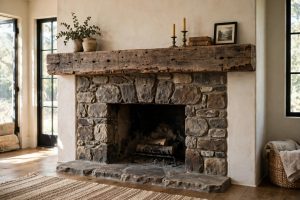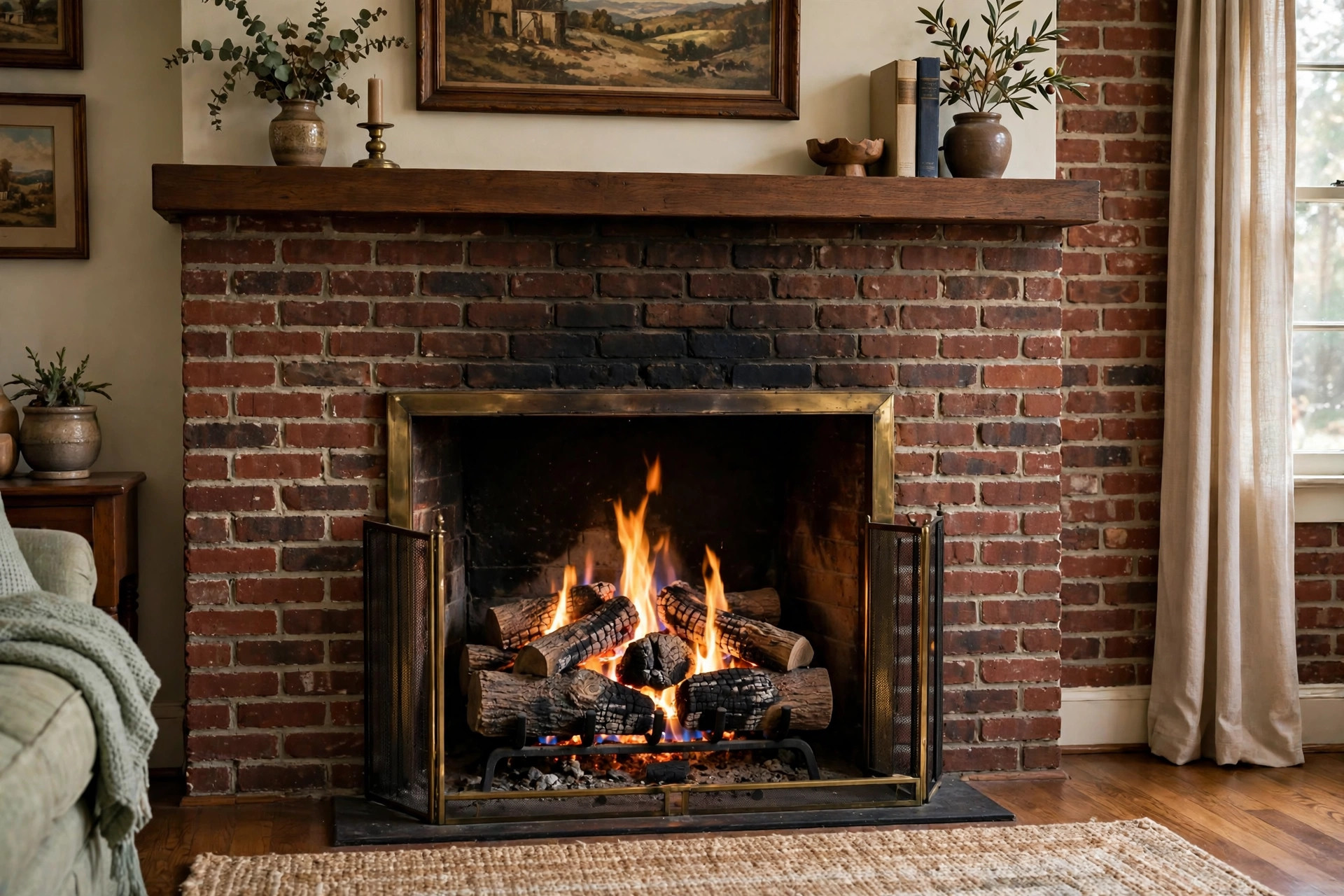

Many homes in America have a fireplace that no longer burns wood. The firebox sits dark and cold. The chimney stands unused. A set of high efficiency gas log sets for sale can bring that fireplace back to life. These sets turn an old wood firebox into a clean gas fire. They light at the turn of a knob. They give heat without the smoke, the ash, or the stack of firewood by the door.
A gas log set is a burner and a group of ceramic logs made to look like real wood. A gas line feeds the burner. A pilot light or an electronic ignition starts the flame. The logs glow. The flame moves around them. From across the room, the fire looks much like a wood fire. Up close, the comfort is the same.
Efficiency is the key word. An old open fireplace wastes most of its heat. Much of the warmth goes up the chimney. A high efficiency gas log set burns fuel with care. More of the heat stays in the room. Less of it is lost. This can lower heating bills and make the living room more comfortable in winter.
Why It Matters
Winter fuel costs have been rising for years. A family that heats with gas wants every dollar to count. A vented gas log set gives the look of a real fire but sends most heat up the flue. A ventless set keeps nearly all of its heat in the room. The difference in the monthly bill can be real money.
There is also the matter of time. Wood fires take work. A homeowner must buy wood, carry it in, and clean the ash. A gas log set needs none of that. A child can turn the key and light the fire. An older person can enjoy the flame without lifting a heavy load of oak.
Safety plays a part as well. Gas burns clean. There is no creosote in the flue. There is no flying spark on the rug. Modern sets have safety pilots that shut off the gas if the flame goes out. For a busy home, this peace of mind is worth much.
How to Choose the Right Set: High Efficiency Gas Log Sets for Sale
Start with the size of the firebox. Measure the front width, the back width, the depth, and the height. Write the numbers down. A gas log set must fit inside with room to spare. A set that is too large will look crowded. A set that is too small will look lost in a large box.
Next, look at the gas type. Some homes have natural gas. Others use propane. The burner and the logs must match the fuel in the home. A set made for natural gas will not work right on propane. The dealer or the box will state the fuel type in plain words.
Check the gas line. Many old fireplaces have no gas line at all. A plumber can run one from the house line. This is common work. Get the line run before the log set arrives. The cost of the line is separate from the cost of the set.
Think about the look. Some logs are made to look like oak. Others look like pine or birch. Some sets have a fine bark texture. Others are smooth. Choose the look that fits the room. A formal room may want a neat oak set. A cabin may want a rustic pine set.
Types and Options
Gas log sets fall into two main types. The vented type burns with a tall, lively flame. It looks the most like a real wood fire. The flue must stay open when it burns. Most of its heat goes up the chimney. It is bought for looks more than for warmth.
The ventless type is made for heat. It burns with a smaller, bluer flame. The flue can stay closed. Nearly all the heat enters the room. Some buyers prefer these sets for a cold den or a drafty family room. Before you shop, check the rules in your state. Some places limit or ban ventless sets. The safety guidance on the EPA site can help you read the codes for your area.
Burners come in styles too. A single burner makes one row of flame. A double burner makes a wider, fuller fire. A three-tier burner makes the flame dance at different heights. Wider sets often use two burners for a full look.
Ignition is another choice. A manual set uses a match or a lighter. A set with a millivolt pilot can use a wall switch or a remote. A set with electronic ignition needs power but lights itself. Remote controls let you start the fire from your chair. Many shoppers compare these choices the way they study smart thermostat controlled gas fireplaces, looking for the control that fits their habits.
Some sets come with a thermostat. The fire goes high when the room is cold and low when it is warm. This can save fuel across a long winter. It also keeps the room at a steady temperature.
Cost and Price
Prices for high efficiency gas log sets for sale range widely. A small basic set may cost a few hundred dollars. A large set with remote control and a fine hand-painted log finish can cost two thousand dollars or more. The average set for a standard firebox falls between four hundred and one thousand dollars.
Installation adds to the price. A plumber may charge several hundred dollars to run a gas line. If the home already has a gas line in the fireplace, the cost is lower. Some stores offer installation with the sale. Big home stores such as Lowe’s and Home Depot often list set prices next to installation services.
Long term, gas costs less than wood in most towns. A homeowner who burns fires each night in winter may save a few hundred dollars a year. The ventless sets save the most. When you compare models, read the efficiency ratings on the maker’s page. Companies like Napoleon and Heatilator publish heat output and efficiency numbers for their sets.
Installation
Many buyers can set the logs in place themselves. The burner sits in the center of the firebox. The logs rest on the burner in a set order. The box comes with a diagram. Follow it. The placement of the logs matters for a clean burn.
The gas hookup is a job for a licensed worker in most states. The gas line must have a shutoff valve near the fireplace. The connection must be tested for leaks. A worker with a license will do this in an hour or two. Do not try this part yourself.
After the gas is on, test the set. Light it and watch the flame for ten minutes. The flame should be steady and blue at the base with yellow tips. Soot on the logs or on the glass doors means the flame needs adjusting. Pairing your set with good fireplace glass doors can help control the draft and keep the room cleaner.
For older chimneys, have a sweep look at the flue before the first burn. A vented set needs an open, clean flue. A ventless set needs a firebox in good shape. This small step can prevent smoke or smell problems later.
Care and Upkeep
Gas log sets need little care. Once a year, brush the dust off the logs with a soft brush. Do not use water. The ceramic logs can crack if they are dropped or soaked.
Check the burner ports. They are the small holes where the gas comes out. Dust and lint can block them. A soft brush or a small vacuum nozzle clears them. Blocked ports make the flame uneven.
Look at the pilot light. It should burn steady and blue. If it flickers or goes out often, the pilot tube may be dirty. A service call can fix this in a few minutes.
Keep the area around the fireplace clean. Do not store paper, cloth, or firewood near the firebox. Keep the remote and the wall switch free of dust. Test the remote batteries at the start of each winter.
Have the set checked by a professional every few years. The worker will check the gas connection, the pilot, and the logs. The cost is small. The visit catches problems before they grow.
Safety
Gas is safe when it is treated with care. Every gas log set sold in America must meet safety standards. The box should carry the mark of a testing lab. Do not buy a set with no mark.
Install a carbon monoxide detector in the room with the fireplace. This is a must for ventless sets and wise for vented sets too. Test the detector each month. Change the batteries each year.
Never leave a ventless set burning all night while the family sleeps. Use it when people are awake and in the room. Keep a window cracked in the room when a ventless set burns for hours. Fresh air keeps the burn clean.
Keep children and pets away from the fire. The logs and the glass stay hot long after the flame is off. A screen or a gate adds a layer of safety. Articles on hearth safety from This Old House and Family Handyman give step-by-step checklists for families.
If you smell gas, turn off the set at the shutoff valve. Do not light a match. Open the windows and leave the house. Call the gas company from outside. This is rare, but every owner should know the steps.
Frequently Asked Questions
Do gas log sets really look like wood? Yes. Modern ceramic logs are cast from real wood. The bark, the grain, and the knots are copied in fine detail. The flame moves around the logs much like a wood fire. From a normal distance, most guests cannot tell the difference.
Can I put a gas log set in any fireplace? Most masonry and metal fireboxes can take a set. The box must be in good shape. The size must fit. A damaged firebox needs repair first. A chimney sweep can tell you if the box is sound.
Do I need a chimney for a ventless set? No. A ventless set can burn with the flue closed. The room still needs fresh air. Follow the maker’s rules for room size. A small closed room may be too tight for a ventless set.
How long do the logs last? Ceramic logs can last many years. Most makers say ten years or more with normal use. The burner may need a new pilot or a new valve after many seasons. These parts are sold as spares.
Will a gas log set heat my whole house? No. A gas log set heats the room it sits in and a little more. It is a zone heater, not a furnace. It can take the chill off a large living room. It cannot replace the home heating system on the coldest nights. If you want full-room heating from a gas unit, you may also want to compare direct vent gas fireplaces made for that job.
How do I pick between vented and ventless? Pick vented for the most natural look. Pick ventless for the most heat. Check local codes first. Talk to a dealer about your room size. Read the efficiency ratings on the Napoleon and Heatilator sites before you decide. The how-to guides at The Spruce walk through the same choice with photos of both types.
A Short Final Word
A fireplace should be the warm heart of a home. A wood firebox that sits cold is a waste of that promise. High efficiency gas log sets for sale give the old fireplace a new life. They bring light, warmth, and comfort at the touch of a switch. They burn clean. They save work. They save fuel.
Take your time as you shop. Measure the firebox. Check the fuel type. Compare vented and ventless. Read the ratings. Ask a dealer your questions. Then choose the set that fits your room and your budget. The first cold evening, when the logs glow and the room grows warm, you will be glad you did.
References
Family Handyman. (n.d.). DIY home repair and maintenance. https://www.familyhandyman.com Heatilator. (n.d.). Fireplaces and fireplace products. https://www.heatilator.com Lowe’s. (n.d.). Home improvement products. https://www.lowes.com Napoleon. (n.d.). Fireplaces, grills, and heating products. https://www.napoleon.com The Home Depot. (n.d.). Home improvement products. https://www.homedepot.com The Spruce. (n.d.). Home and garden advice. https://www.thespruce.com This Old House. (n.d.). Home renovation guidance. https://www.thisoldhouse.com U.S. Environmental Protection Agency. (n.d.). Protecting human health and the environment. https://www.epa.gov
Was this guide helpful?

About Michael Thompson
The My Garden US editorial team writes practical, in-depth home and garden guides for American homeowners — tested advice, no fluff.
You May Also Like
Best Fireplace Glass Doors for Sale: A Guide to Choosing the Right Set
January 28, 2026 0 views
Best Fireplace Mantel Shelves for Humid Climates
September 18, 2026 0 views
Premium Electric Patio Heaters with Free Shipping: A Complete Buyer Guide
August 15, 2026 0 views