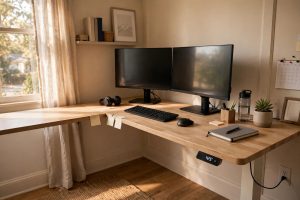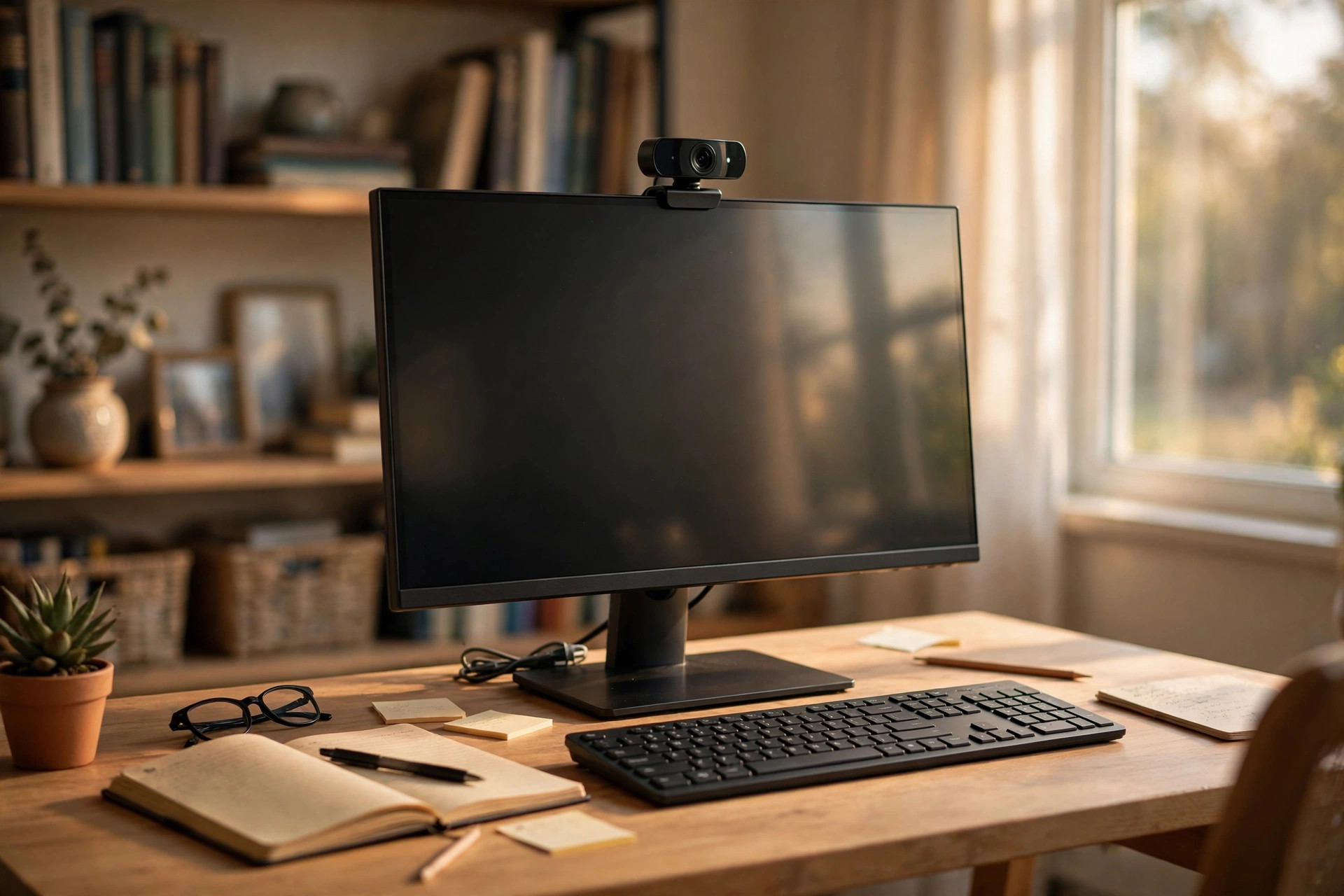

Introduction
The best web camera for home office zoom meetings is the one that shows your face clearly, picks up your voice cleanly, and works without a struggle every time you open Zoom. Most laptops come with a built-in camera, but the picture is often soft, grainy, or dark. An external web camera can change that. It sits on top of your monitor or on a small tripod, plugs into a USB port, and starts working in seconds. This guide explains what matters, what to look for, and how much you should expect to pay. It also answers common questions and gives simple care tips. By the end, you will know how to pick a web camera for video calls with confidence.
Why a Good Camera Matters for Zoom Meetings: Best Web Camera for Home Office Zoom Meetings
A video meeting is only as good as the picture and sound each person sends. When your camera is weak, other people see a blurry face and hear a thin, distant voice. That makes it hard for them to read your expression and follow your words. A good web camera fixes this problem at once.
Clear video builds trust. People pay closer attention when they can see you well. They notice when you nod or smile. In work meetings, this small detail matters. A sharp picture also helps when you share notes or point at a sketch on paper. Your coworkers can see details instead of guessing.
Sound matters just as much. Many web cameras carry a built-in microphone. The best ones cancel background noise, so a barking dog or a humming air conditioner does not ruin the call. If you work from a busy house, this feature is worth its weight in gold.
A good camera also saves time. Built-in laptop cameras often need fiddling with settings before each call. A quality external camera usually works right away. You plug it in, pick it in Zoom, and you are ready. That ease is one reason office furniture brands such as Steelcase treat video calls as a normal part of the modern workday, with rooms and desks planned around them.
There is also the matter of how you look on screen. A camera with good light correction keeps your face bright even when the room is dim. You do not need studio lights. You only need a camera that handles normal home light well.
Finally, a good camera can last for years. Zoom, Teams, and Meet all use the same standard connection. One solid camera will serve you through many jobs and many rooms. Think of it as a small investment in how the world sees you at work.
What to Look for When You Choose a Web Camera
Shopping for the best web camera for home office zoom meetings gets easier when you know which features matter. The list below covers the points that count most. Keep this page open while you shop and check each camera against the list.
Resolution and Frame Rate
Resolution tells you how sharp the picture is. Look for at least 1080p, which is called full high definition. It gives a clear, crisp picture on any normal screen. Some cameras offer 1440p or 4K. These are sharper still, but they cost more and need a faster computer and internet line. For most Zoom calls, 1080p is plenty.
Frame rate tells you how smooth the motion looks. It is measured in frames per second. A rate of 30 frames per second looks natural for talking heads. A rate of 60 frames per second looks smoother, which helps if you move around or show objects with your hands. Either one is fine for meetings.
Lens and Field of View
Field of view is how much of the room the camera sees. A narrow view shows only your face and shoulders. A wide view shows your desk and part of the room. For solo calls, a view between 65 and 90 degrees is ideal. It frames you well without showing clutter. If two people share one camera, pick a wider view of 90 degrees or more.
Microphone Quality
Most web cameras include a microphone. The best ones use two microphones to catch sound from both sides and cancel noise from behind. Check reviews for words like “clear voice” and “low background noise.” If you take many calls, a camera with a good microphone can replace a separate headset. Product reviewers at PCMag often test microphone quality, and their notes can help you compare models.
Focus and Light Correction
Auto focus keeps your face sharp when you lean in or sit back. It is a must. Light correction adjusts the picture when the room is too dark or too bright. Look for terms like “auto light correction” or “HDR.” These features help the camera adapt to a desk lamp, a window, or a dim evening room.
Mount, Cable, and Privacy Shutter
A good camera clips firmly to the top of a monitor. Some also screw onto a tripod. Check that the clip fits your screen. The USB cable should be long enough to reach your computer, at least five feet for a desktop setup. A privacy shutter is a small sliding cover over the lens. It is a simple, physical way to block the camera when you are not on a call, and it is worth having.
Types of Web Cameras for Home Office Use
Web cameras come in a few common types. Each suits a different kind of worker.
Simple USB plug-and-play cameras. These are the most common. You plug them into a USB port and Zoom finds them at once. They cost the least and work well for daily calls. If you are new to home office gear, start here.
Cameras with a built-in light. Some models carry a small ring light around the lens. It adds a soft glow to your face in dark rooms. This can be handy if your office has no good lamp. The light usually has several brightness levels.
Wide-angle cameras. These suit people who share a desk with a partner or who like to stand during calls. The wider lens catches more of the room. Some wide models let you zoom in with software to frame just yourself.
Premium 4K cameras. These give the sharpest picture money can buy. They suit people who record videos or lead large online events. For ordinary Zoom meetings, they are more than you need, but the picture is lovely. Review sites such as Wirecutter compare these high-end models in detail if you want to see the differences side by side.
Cost and Price: What You Should Expect to Pay
You can spend a little or a lot on the best web camera for home office zoom meetings. Prices fall into three rough groups.
Budget cameras cost between twenty-five and sixty dollars. Most offer 1080p video and a basic microphone. They are a big step up from a laptop camera and suit light use. If you join a few calls a week, this group is fine.
Mid-range cameras cost between sixty and one hundred fifty dollars. They add auto focus, better light correction, noise-canceling microphones, and often a privacy shutter. This is the sweet spot for most home workers. The picture and sound jump in quality, and the price stays fair.
Premium cameras cost between one hundred fifty and three hundred dollars or more. They offer 4K resolution, wide fields of view, and studio-grade microphones. They suit people who spend hours on video each day or who record content. Retailers such as Wayfair and IKEA sell home office setups at many price points, and their office sections show how a camera fits into a full desk arrangement.
Watch for hidden costs. A few cameras need a paid app to unlock all features. Most do not. Check the box or product page before you buy. Also check the return policy, so you can send the camera back if the picture does not please you.
Care and Upkeep for Your Web Camera
A web camera needs little care, but a few habits keep it working well.
Wipe the lens. Dust and fingerprints blur the picture. Wipe the lens once a week with a soft, dry cloth. Do not use paper towels or rough cloth, which can scratch the glass. A microfiber cloth, the kind used for eyeglasses, is perfect.
Keep the software current. Makers release updates that fix bugs and improve the picture. Check the maker website every few months for new firmware or driver software. Install updates when your computer is idle, not right before a meeting.
Store it safely. If you travel with the camera, keep it in a small pouch. The lens scratches easily in a bag. Close the privacy shutter before you pack it.
Check the cable. A loose or frayed USB cable causes dropouts and frozen video. If the picture cuts out, try a different cable or port before you blame the camera.
Mind the heat. Do not leave the camera in a hot car or in direct sun on a windowsill. Heat shortens the life of electronic parts. A cool desk drawer is fine for storage.
With these small steps, a good camera can serve you for five years or more. It is a sturdy tool, and a little care goes a long way.
Safety and Privacy
A camera that looks into your home deserves some thought about privacy. The steps below are simple and effective.
Use the privacy shutter. Slide it closed when the meeting ends. This is the surest way to know the lens is blocked. If your camera has no shutter, place a small sliding cover over the lens. They cost a few dollars and stick on in seconds.
Check which apps can use the camera. Both Windows and Mac let you see the list in the privacy settings. Turn off access for apps you do not recognize. Zoom needs access, but a random game does not.
Keep your meeting links private. Do not post a Zoom link on a public page. Use the waiting room feature so you can admit guests yourself. Set a password on recurring meetings.
Update Zoom itself. Old versions of meeting software can have security holes. Turn on automatic updates or check for updates weekly. The same rule applies to your operating system.
Watch the background. A camera sees whatever sits behind you. Tidy the shelves, close closet doors, and keep private papers out of view. Zoom offers virtual backgrounds, but they can look odd and use extra computer power. A neat real background looks better and costs nothing. Guides from The Spruce offer plenty of ideas for arranging a tidy, camera-friendly home office corner.
Frequently Asked Questions
Do I need an external web camera if my laptop has one built in?
Not always, but most built-in cameras are weak. They often give 720p video that looks soft and dark. An external 1080p camera with auto focus is a clear upgrade. If you join video calls daily, the difference is worth the cost.
Will a web camera work with Zoom, Teams, and Google Meet?
Yes. Nearly every USB web camera works with all major meeting apps. Your computer sees it as a standard video device. In Zoom, open Settings, click Video, and pick the camera from the list. The same step works in Teams and Meet.
What internet speed do I need for clear video?
For 1080p video, you need about 3 to 4 megabits per second of upload speed. Most home internet plans offer far more. You can test your speed free online. If your video freezes, the cause is often the internet line, not the camera. Try moving closer to your router or using a wired connection.
Should I buy a 4K web camera for Zoom meetings?
Only if you want the very best picture or you record videos. Zoom compresses video during calls, so much of the extra sharpness is lost on the way to other people. A good 1080p camera gives nearly the same result on a call for much less money.
How do I fix a dark or grainy picture?
First, add light to your face. Sit facing a window or place a lamp behind the camera. Second, wipe the lens clean. Third, open the camera settings and turn on auto light correction. Fourth, check that Zoom is set to HD video in the settings. These four steps fix most picture problems.
Can a web camera microphone replace my headset?
Often, yes. Cameras with dual noise-canceling microphones pick up your voice clearly from a few feet away. They work well in a quiet room. In a noisy house, a headset still wins. Try the camera microphone first. If people say they hear echo or background noise, switch to a headset for calls and keep the camera for video only.
A Final Word
Finding the best web camera for home office zoom meetings does not have to be hard. Pick a 1080p model with auto focus, light correction, a noise-canceling microphone, and a privacy shutter. Spend in the mid-range if you can. Keep the lens clean and the software current. Do these things, and your video calls will look and sound professional for years to come.
A camera is only one part of a good home office. A comfortable seat matters too. If your chair is old or hard, read our guide to the ergonomic office chair with footrest reclining for ideas on sitting well through long days. A wider desk also helps your setup breathe; see our notes on the home office desk extension for wider workspace. And if your chair rolls on bare wood, our piece on the home office desk chair for hardwood floors will help you protect the floor. Makers of fine office furniture such as Herman Miller and desk specialists like UPLIFT Desk remind us that the whole workspace works as one system, from the chair to the camera to the light on your face.
References
Herman Miller. (n.d.). Office furniture and ergonomic seating. https://www.hermanmiller.com IKEA. (n.d.). Home furnishings. https://www.ikea.com PCMag. (n.d.). Technology product reviews. https://www.pcmag.com Steelcase. (n.d.). Office furniture and workplace research. https://www.steelcase.com The Spruce. (n.d.). Home and garden advice. https://www.thespruce.com UPLIFT Desk. (n.d.). Standing desks and ergonomic office furniture. https://www.uplift-desk.com Wayfair. (n.d.). Furniture and home goods. https://www.wayfair.com Wirecutter. (n.d.). Product reviews from The New York Times. https://www.nytimes.com/wirecutter
Was this guide helpful?

About James Carter
The My Garden US editorial team writes practical, in-depth home and garden guides for American homeowners — tested advice, no fluff.
You May Also Like
Best Whiteboard Calendar for Home Office Wall
July 27, 2026 0 views
Home Office Wall Mounted Storage Cabinets: A Practical Guide
August 3, 2026 0 views
A Home Office Bulletin Board with Wooden Frame: How to Choose and Use One
March 17, 2026 0 views